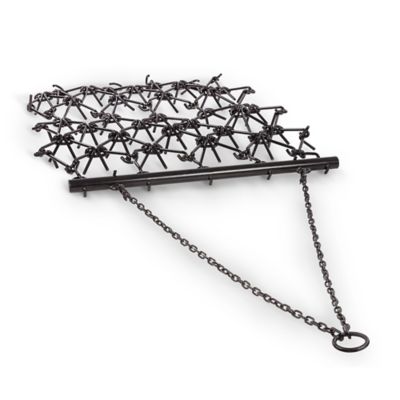
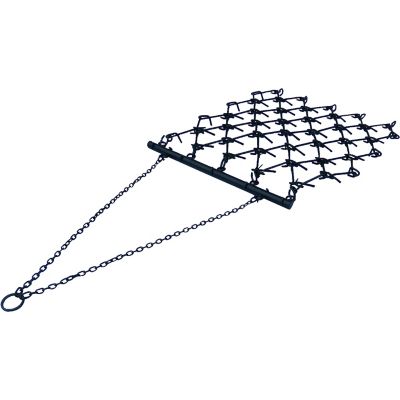
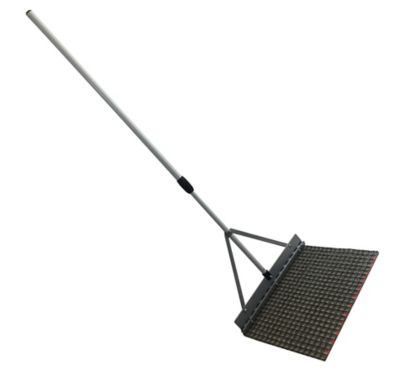
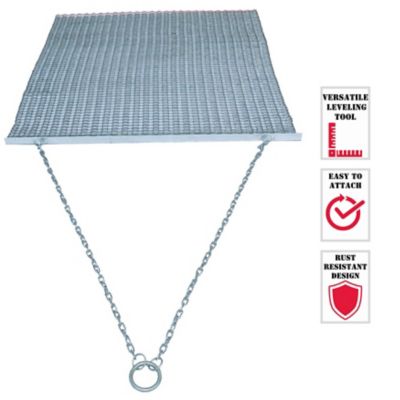
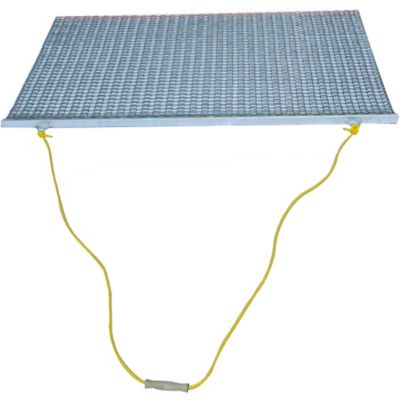
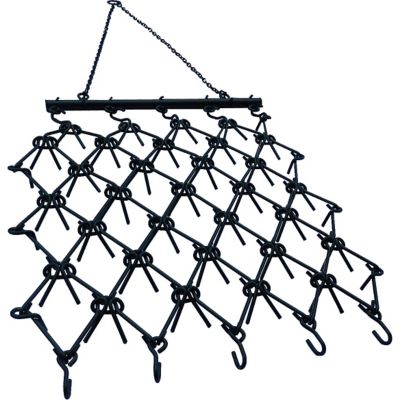
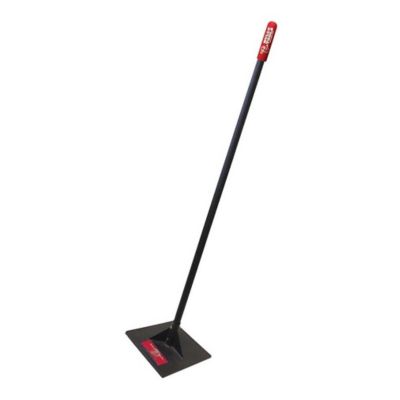
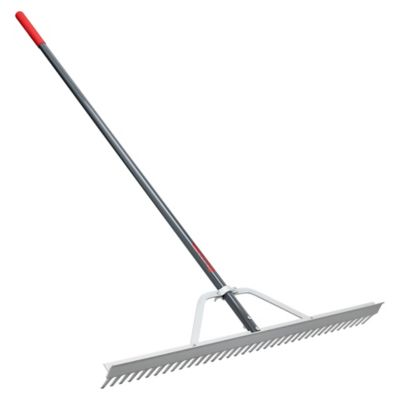
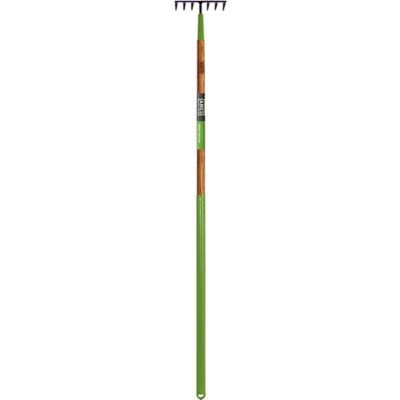
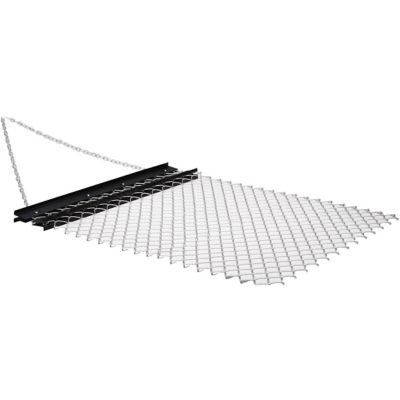
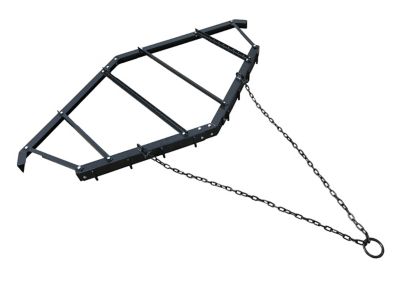
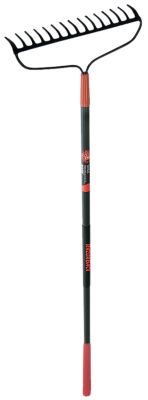
Soil leveling tools knock down high spots and spread loose soil into shallow dips, leaving a more even surface for planting, seeding, or laying sod. The right tool depends on the size of the job and how much earth needs to move. Hand tools give you control in a raised bed, along a fence, or in a small yard where the trouble spots are only a few feet across. A wide leveling head can smooth a stretch of loose topsoil in fewer passes, while a narrower head fits between beds and lets you work close to edging without dragging soil over it. On an open lot or a long stretch of ground, a tow-behind leveler covers more ground with each pass if there’s room to make a turn. Cutting into packed soil or moving enough earth to change the slope of a large plot calls for heavier grading equipment, not just a wider finishing tool. That difference matters on a place where several jobs can look the same from the porch. A shallow rut left by a garden cart might need little more than loose fill and a few passes with a hand tool. A low strip that holds water beside the barn may be part of a broader drainage problem. Leveling doesn’t always mean making the ground flat: A surface can be smooth and still slope enough to carry water away from a building. It also helps to think about what comes after the dirt work. A vegetable bed can tolerate a few small clods once the planting rows are even, but a lawn prepared for sod benefits from a smoother finish so the sod can sit against the soil without bridging hollows. For related jobs where you need to smooth a surface or establish a grade, take a look at
Leveling Tools.
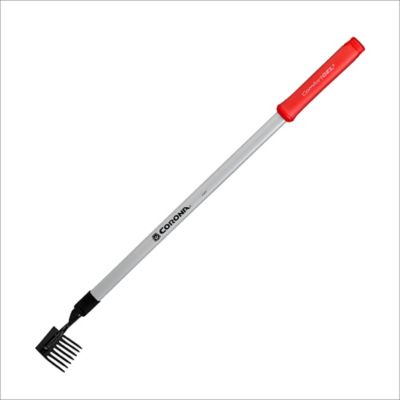
The working face makes a difference in what a soil leveler can handle. A flat bar or broad, rigid face skims the tops off small ridges and carries loose soil into the next dip. A toothed head can pull small stones out of the way and break up softer clods, which comes in handy when the bed has just been worked and still has ridges from a tiller. Neither style is meant to do the work of a grading blade on ground packed hard by tires or hoof traffic. Loose, sandy soil takes less effort to spread, while clay can hang on in tight clumps and make a wide head harder to pull. A tool that glides across a thin layer of screened topsoil may ride over those clumps instead of moving them. Think about access as well as square footage. A broad tool makes sense out in the open, but loses much of that advantage when the job is tucked behind a four-foot gate or broken up by trees, raised beds, and fence corners. For hand work, a longer handle offers reach across a bed, while a shorter handle can be easier to steer in a tight spot. Head weight matters too: A heavier head can help keep the tool in contact with uneven ground, but you’ll feel that extra weight each time you lift it to start another pass. For tow-behind tools and grading attachments, working width is only one part of fit. The hitch or mounting style, equipment ratings, and clearance around gates and posts all matter. A tool that matches the machine but leaves no room to turn at the end of a run can make a short job take longer. Steeper ground and projects that change where runoff goes may be better suited to professional grading.
Materials and construction matter most when a soil leveling tool gets pulled out for one job after another. Steel adds weight and tends to suit jobs where the head scrapes against gritty soil or bumps into stones. Aluminum can make a broad hand tool easier to carry from one end of the yard to the other, especially when most of the work is spreading loose material rather than cutting into firm ground. With a wood handle, grain and grip shape affect how it feels in the hand, and dry storage helps keep the wood from swelling or splitting. Fiberglass handles don’t swell the way wood can, but the connection between the head and handle still deserves a look, particularly on a wide tool that may catch on a root at one end. On larger equipment, replaceable wear edges can make sense if the tool will see regular contact with gritty fill. A little care between jobs goes a long way toward keeping the working face straight and moving freely. Dirt tends to collect where bars meet and around bolt heads, so clear it away before putting the tool up, let metal parts dry, and check for burrs or loose hardware that could leave lines in a finished surface. Even the right tool will have a hard time leaving a smooth pass if one corner is bent or a tooth is packed with clay. For a gardener who mostly touches up planting beds, a light hand tool that’s easy to hang by the shed door may make more sense than equipment that takes longer to hook up than the job itself. For someone working across an acreage, the extra working width can pay off in fewer trips over the same ground. The best fit comes down to the soil you’re moving, the space you have to work in, and how smooth the surface needs to be when the job is done.