Lawn leveling tools help spread loose topdressing material into shallow low spots and smooth small surface irregularities across a yard. A
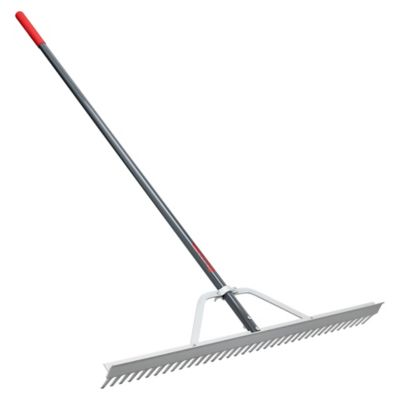
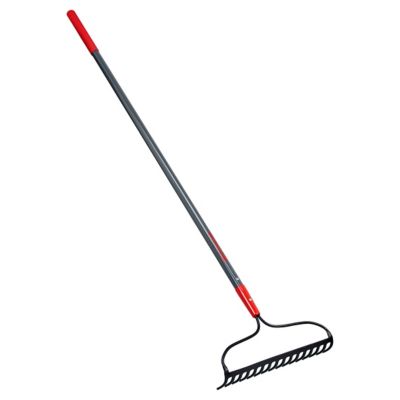
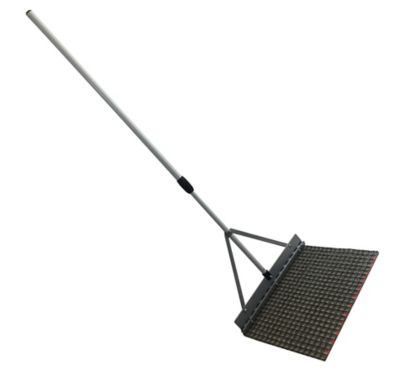
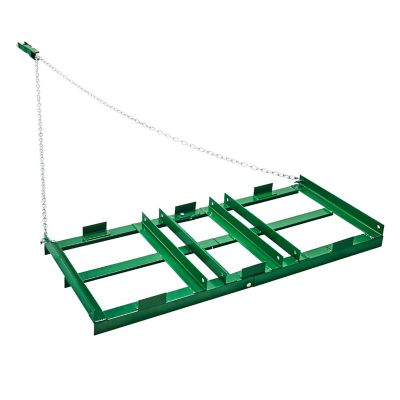
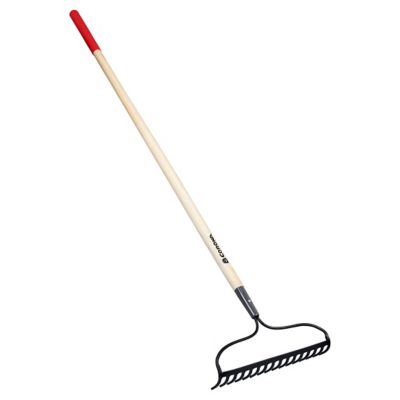
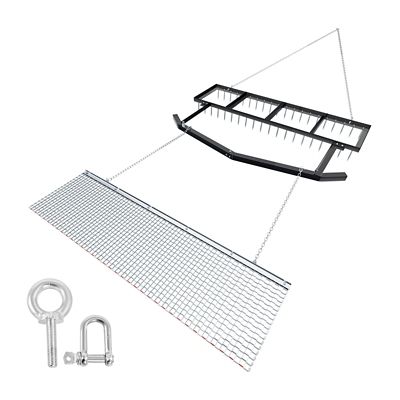
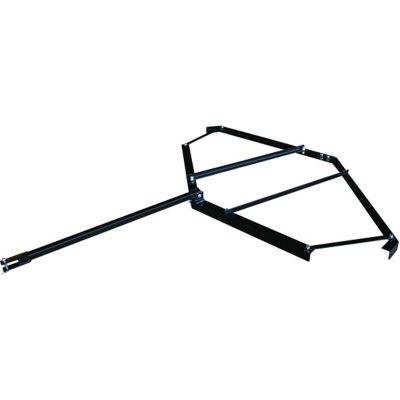
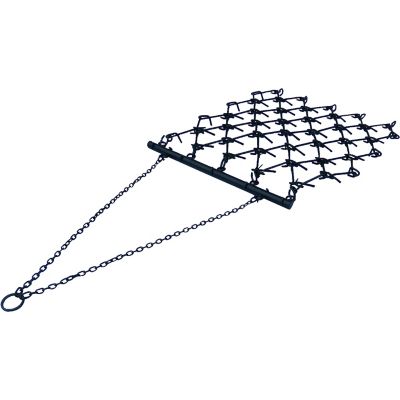
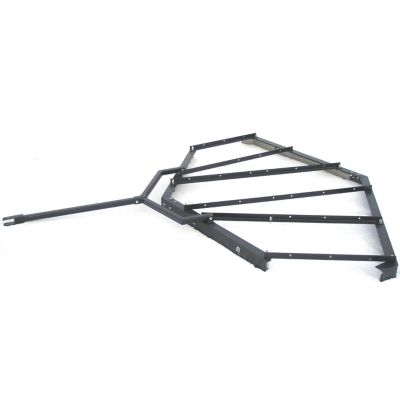
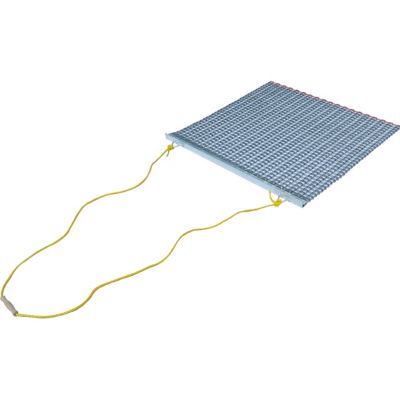
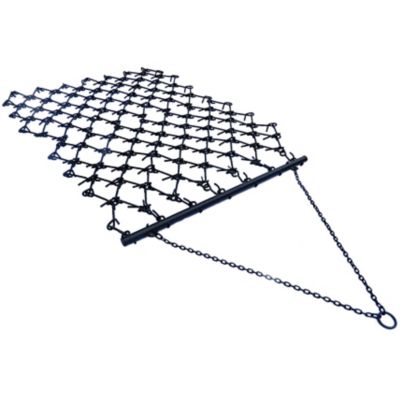
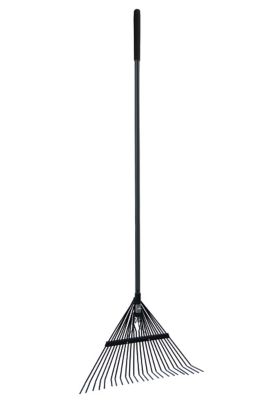
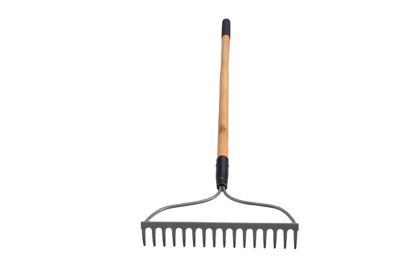
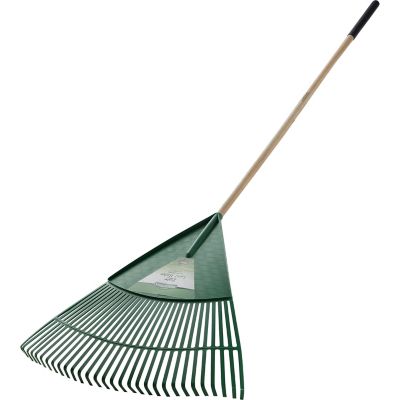
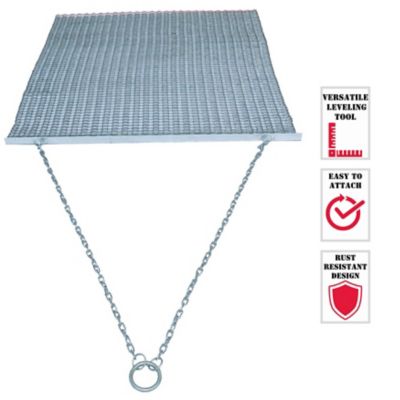
yard leveling rake typically has a broad, flat head with several parallel bars that move material across the ground as the tool is pushed and pulled. That design separates it from a leaf rake, which gathers lightweight debris, or a bow rake, whose teeth loosen soil and break apart clumps. The leveling head distributes small amounts of material over a wider area, helping fill minor dips without leaving deep tooth marks behind. These tools suit homeowners tending a front lawn, property owners keeping grass around a farmhouse neat, and groundskeepers maintaining smaller turf areas where hand tools offer more control than large equipment. They also have a place in soil preparation before seeding or laying sod, provided the ground is already loosened and cleared of larger debris. Common topdressing materials include screened topsoil, sand, compost, or blends selected for the existing soil and turf. The right material matters as much as the tool: a mix that works on one lawn may not suit another, and coarse stones or heavy clods can make a smooth finish harder to achieve. Screened, loose material generally moves through a leveling head more evenly than sticky or chunky fill. For established grass, the goal is usually to work a light layer down toward the soil rather than bury the blades beneath a thick blanket. A smoother surface can make mowing less jarring and help tidy up the appearance of scattered shallow depressions. Lawn leveling is not the same as making every part of a property perfectly horizontal, though. A yard still needs an appropriate slope for drainage, especially near buildings. Deep ruts, persistent puddles, exposed roots, and settling ground can point to problems that reach beyond what a hand leveling tool can correct.
Head size, weight, and handle length all affect how a lawn leveling tool feels over a stretch of ground. A wider head covers more space with each pass, which can be handy on an open lawn with few obstacles. A narrower head fits more comfortably between planting beds, along fence lines, and around tight corners where a broad frame can catch an edge. More width also means more material moving at once, so the largest head is not automatically the easiest choice. Tool weight has a similar tradeoff: enough heft helps the head stay in contact with loose material, while excessive weight can make repeated passes tiring. Steel heads bring substance to the job, and protective finishes help limit surface rust where the coating remains intact. Welded joints, straight bars, and a firmly attached handle socket are worth a close look because the head takes repeated pushing and pulling forces. Aluminum handles can keep overall weight down, fiberglass offers a different balance of weight and stiffness, and wood provides a familiar grip with its own care needs. Handle length should let the operator reach comfortably without staying bent over at the waist. A grip that feels secure in work gloves can make a noticeable difference when a project stretches beyond a few shallow spots. For tools with a pivoting connection, the joint design affects how smoothly the head follows the ground and how much control the operator has near edges. Detachable or sectional handles can simplify storage in a shed or garage, although their connections should remain snug during work. These details matter on real properties, where a single job might include open grass beside the driveway, a narrow strip along an outbuilding, and uneven patches around a gate. A tool that fits both the space and the person handling it is easier to manage than one chosen for head width alone.
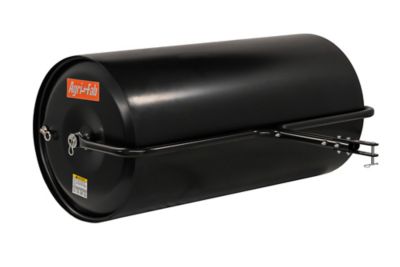
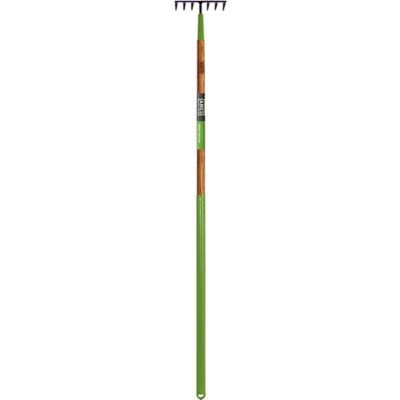
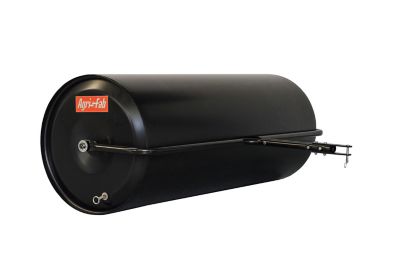
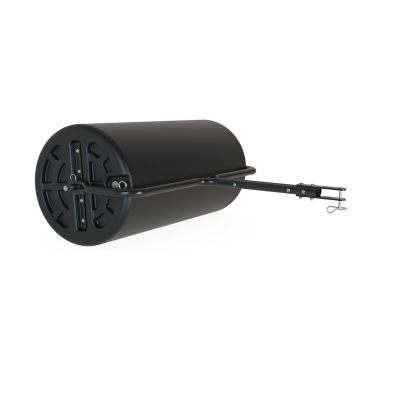
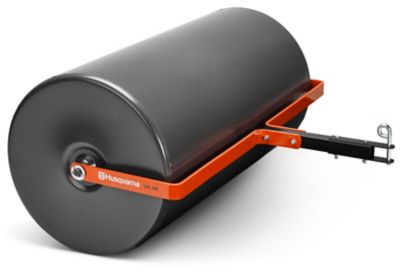
Different lawn leveling jobs also call for different supporting tools. A landscape rake can help spread loose soil across a larger bare area, while a bow rake offers more bite for breaking small clumps and moving material before the finishing passes. A shovel and wheelbarrow handle the hauling; a leveling head handles the thinner, more controlled spreading. Lawn rollers serve another purpose, pressing material down rather than distributing it into depressions, so they are not a direct substitute for a leveling rake. Understanding those differences helps match the tool to the work instead of expecting one head to handle everything from excavation to finishing. Around a rural home, that work might mean smoothing shallow tracks beside a garden, touching up an area after a small repair, or preparing a patch of ground where grass has thinned. Roots, irrigation heads, utility covers, and edging all deserve room, and tools with manageable head dimensions make close work less awkward. Storage and cleanup matter, too, particularly when soil collects around welds or inside a hollow handle connection. Removing packed material, letting the tool dry, and keeping it off a damp floor can help protect metal surfaces and fasteners. Wood handles benefit from attention to splinters and surface wear, while grips and handle joints merit an occasional check for looseness. A bent frame or damaged connection can leave the head riding unevenly, which works against the smooth finish it is meant to create. For someone who enjoys taking care of a yard, a leveling tool can also make a practical gift when its size and weight suit their property and reach. The most useful choice is one that matches the lawn’s layout, the material being spread, and the amount of hands-on work involved. Those everyday details count more than chasing a perfectly flat lawn where the ground calls for a gentle slope.