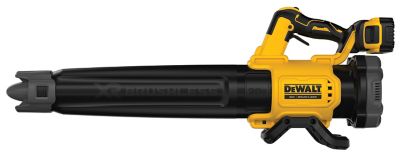
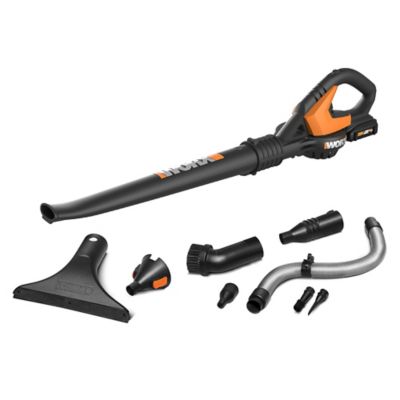
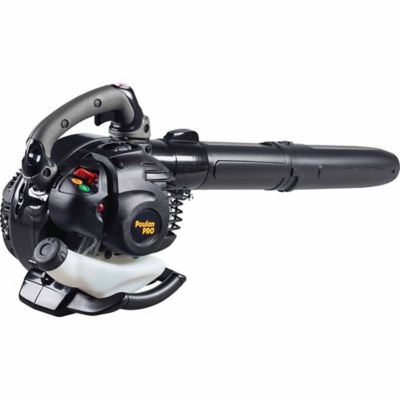
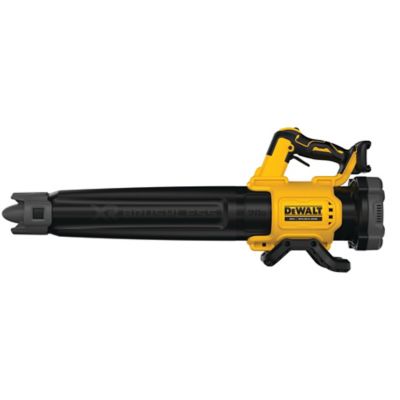
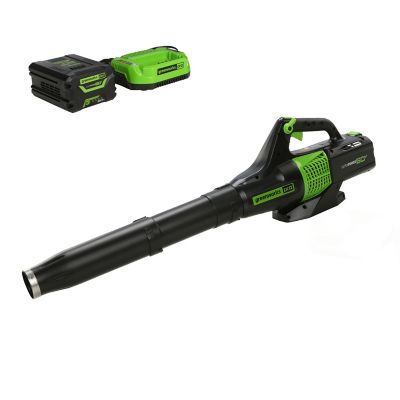
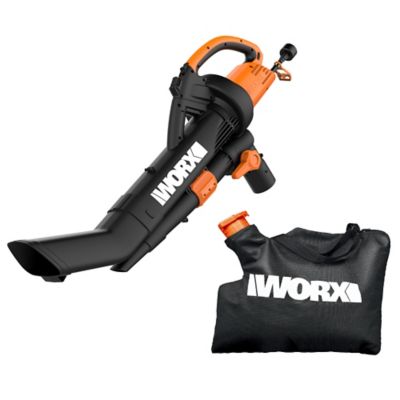
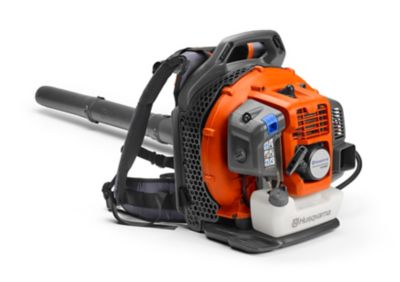
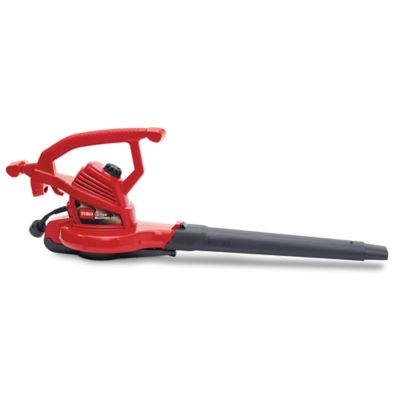
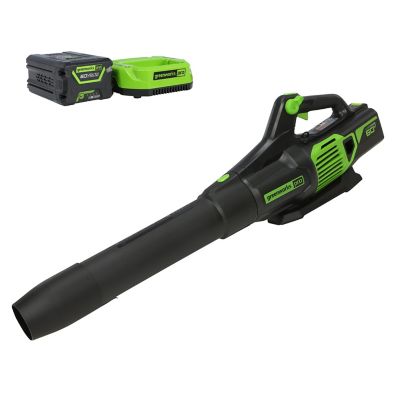
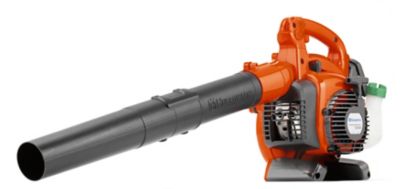
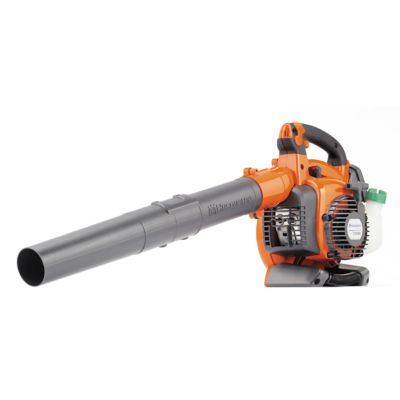
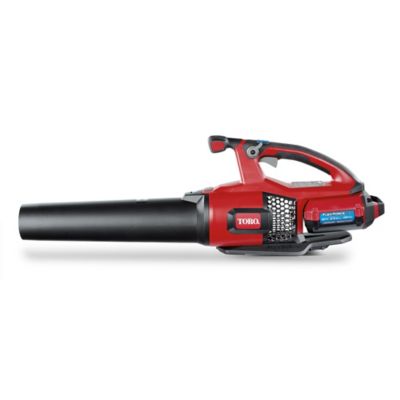
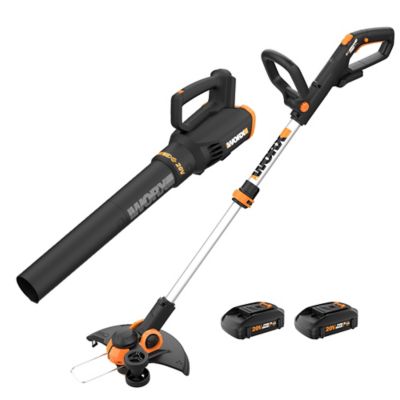
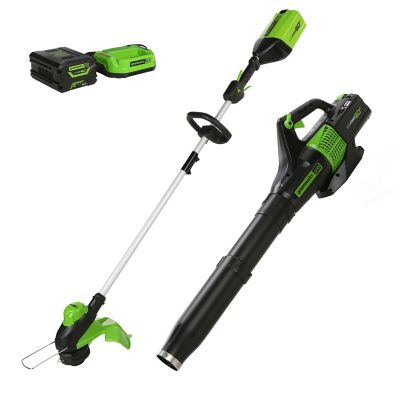
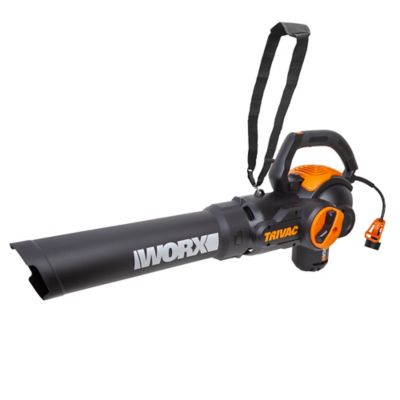
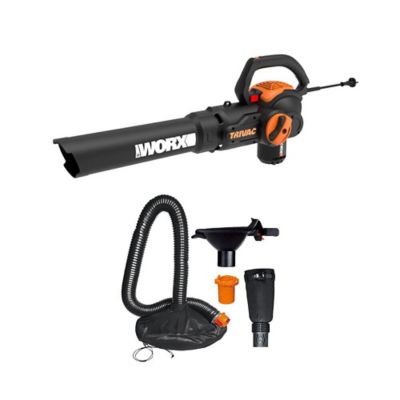
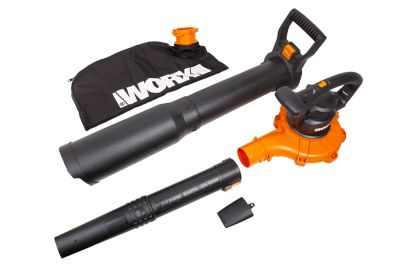
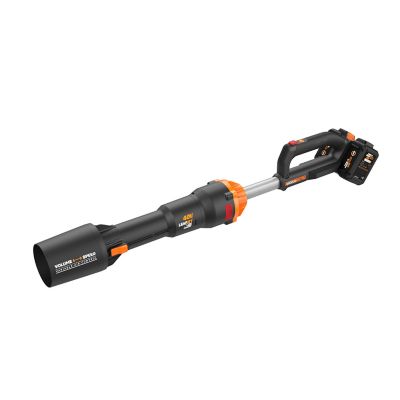
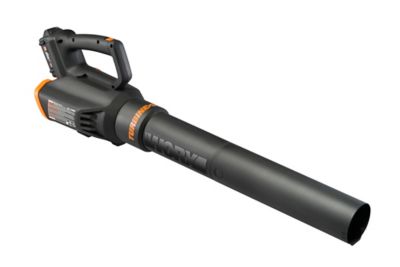
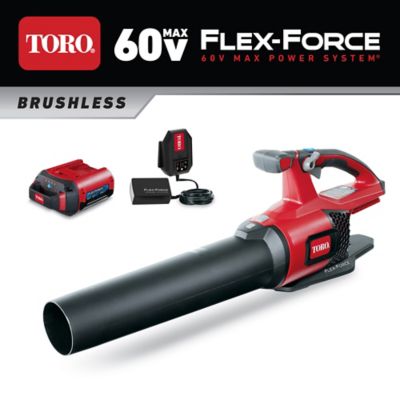
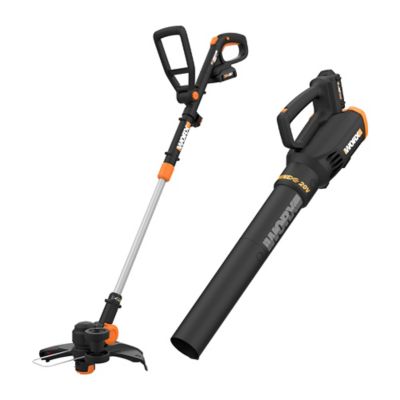
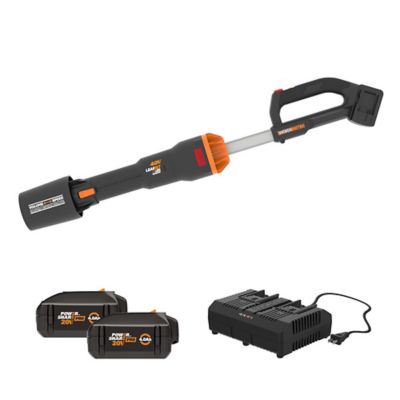
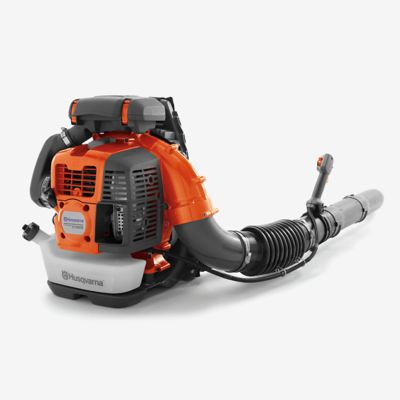
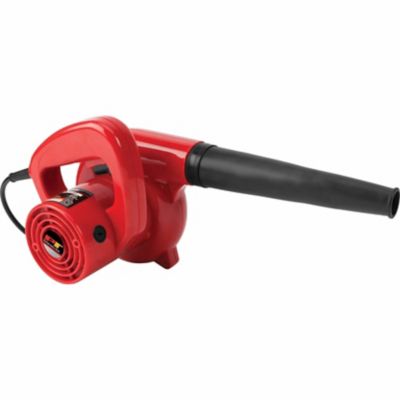
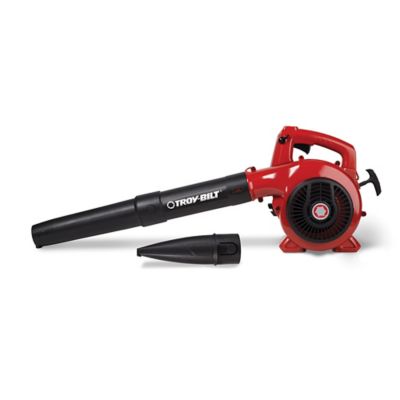
Fall leaf blowers make it easier to keep up with the steady layer of leaves, twigs and other yard debris that collects as the weather turns cooler. Instead of raking every corner by hand, you can gather leaves into manageable rows along the edge of the lawn, clear walkways and porches, or sweep debris out from around sheds, barns, raised beds and fence lines. A blower can also help with light grass clippings after mowing, small bits of straw around animal areas and dry leaves that settle in driveway cracks. For a small lot, townhouse yard or quick cleanup around the front steps, a lightweight handheld blower may be all you need. Larger properties with mature trees often call for more airflow, longer runtime or the added comfort of a backpack-style design. You’ll find corded electric, battery-powered and gas-powered options, each with a place in the tool shed. Corded models offer steady power without refueling or recharging, making them handy when an outdoor outlet is close by. Battery-powered blowers provide the freedom to move around outbuildings, long driveways and wide lawns without dragging a cord. Gas-powered equipment can be a practical choice for extended work on larger acreage, especially when you need dependable mobility away from an outlet. For another comfortable option when cleanup covers a lot of ground, explore
Backpack Leaf Blowers.
When comparing fall leaf blowers, pay attention to both CFM and MPH rather than relying on one number alone. CFM, or cubic feet per minute, describes the volume of air the blower moves and is especially useful for clearing broad lawns or pushing a large, loose pile across pavement. MPH measures air speed at the nozzle, which can help break up stubborn leaves, damp clumps and debris caught along curbs or beneath shrubs. A blower with high air speed but modest airflow may work well for detail jobs, while higher CFM is valuable when you’re moving a wide blanket of dry leaves. Variable-speed controls give you a little more command over the job: use a gentler setting around flower beds, gravel, mulch and porch decorations, then turn up the power for open lawn or a packed driveway. Nozzle shape matters, too. A narrow nozzle concentrates air for stuck-on debris, while a wider opening spreads airflow across a larger area. Think about the size and layout of your property, how many trees surround it and whether leaves tend to be dry or wet when cleanup begins. Runtime is another important consideration for cordless equipment. Check the battery capacity, charge time and whether the battery can be used with other compatible outdoor tools. If you prefer corded power, measure the distance from the outlet to the work area and choose an outdoor-rated extension cord that matches the tool’s requirements. Gas models may offer longer working sessions, but they require fuel, routine maintenance and proper ventilation when being started or stored. A blower with a vacuum and mulching function can reduce the volume of leaves headed to the compost pile or collection bags, which is useful when your yard produces more leaves than a few bags can hold.
Using a leaf blower well is mostly about working with the wind and the shape of your property instead of fighting both. Start at the farthest edge of the yard and guide debris toward a spot where it can be collected, composted or hauled away. Short, controlled passes are usually more effective than blasting at one pile from every direction. On damp mornings or after rain, let leaves dry when practical; wet material is heavier, takes more airflow to move and may cling to pavement. Avoid aiming air toward roads, neighboring yards, open windows or livestock areas, and take care around loose gravel, ornamental mulch and small stones that can be kicked up by strong airflow. Eye protection, hearing protection and sturdy shoes are smart additions, particularly when clearing around fences, workshops or gravel drives. Keep children and pets out of the work area, and check for hidden sticks, wire, toys or other objects before turning the blower on. During the cooler months, clean leaves from gutters, steps and walkways before they become slick or packed down, while keeping local outdoor equipment and noise rules in mind. After use, clear debris from vents and intake areas, inspect the cord or battery housing, and store the blower in a dry place protected from freezing moisture and fuel-related hazards. A dependable leaf blower can be a thoughtful gift for a new homeowner, a parent caring for a wooded property or anyone who enjoys keeping a place tidy without spending the whole afternoon behind a rake.