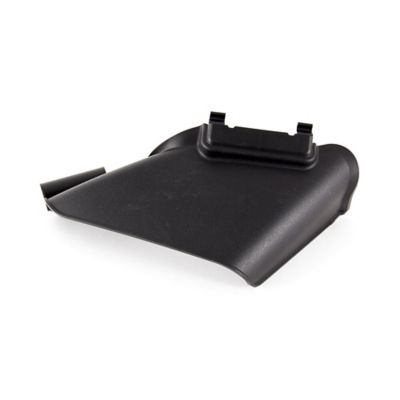
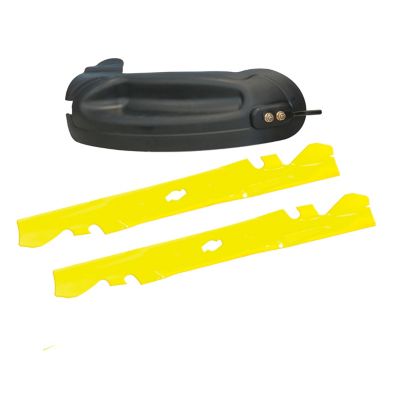
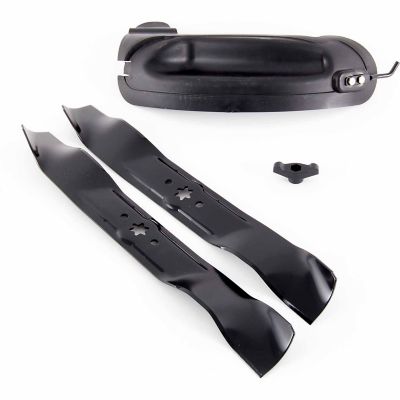
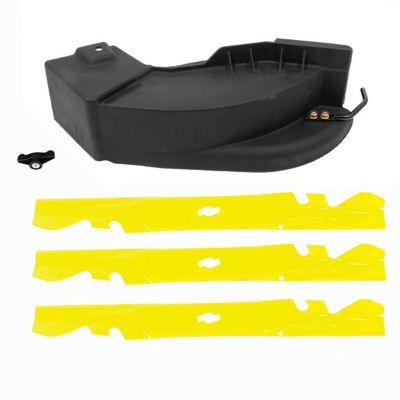
Walk-behind mower accessories support grass collection, mulching, lawn striping, easier handling, and routine machine upkeep on compatible equipment. The right match depends on the mower’s make, model, deck design, and the job at hand—not simply whether an attachment looks like it will fit. Push mowers, self-propelled lawn mowers, commercial walk-behinds, and walk-behind field or brush mowers can have very different mounting points and operating requirements. Accessories built for one type do not automatically work with another. Around a home lawn, grass collection attachments help gather clippings instead of leaving them along a sidewalk, near a porch, or across a freshly cut yard. Collection capacity matters, especially when a small bag would mean repeated trips to the clipping pile. The way a bag attaches, lifts off, and empties can make just as much difference as its size. Mulching accessories serve a different purpose, keeping clippings within a compatible cutting deck long enough to be cut into smaller pieces and returned to the lawn. A complete mulching setup may require a matching blade and discharge closure rather than a single add-on part. Side-discharge components direct clippings through the mower’s intended outlet, while striping attachments bend grass in alternating directions to create visible light and dark bands. That striped appearance comes from the way grass reflects light, not from cutting alternating rows at different heights. Results depend on the grass, cutting height, and mower setup. For a homeowner keeping a front yard neat, a caretaker working around outbuildings, or a mowing crew tending several properties, these differences help define what an accessory brings to the work. A smaller fenced yard may put a higher value on easy maneuvering and quick bag removal, while a broad lawn may call for fewer collection stops. Accessories should suit the mower’s intended work; a lawn-mower attachment does not turn a standard push mower into a brush-clearing machine.
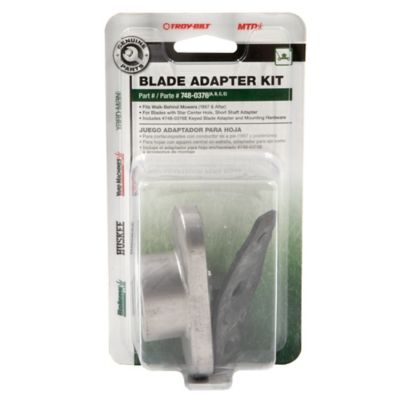
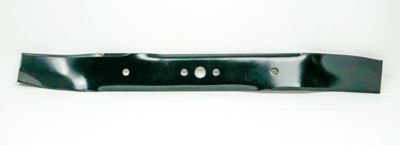
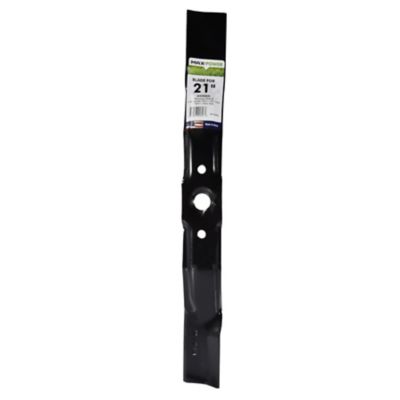
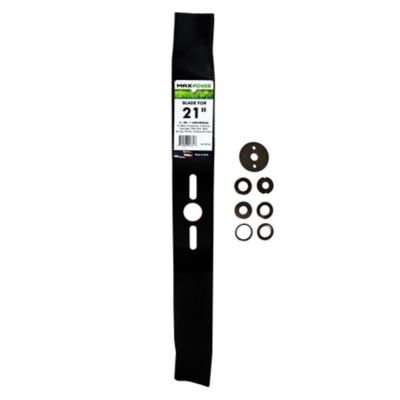
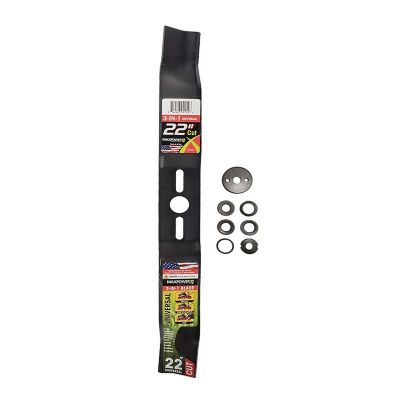
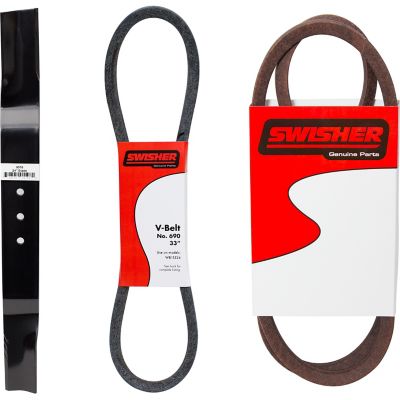
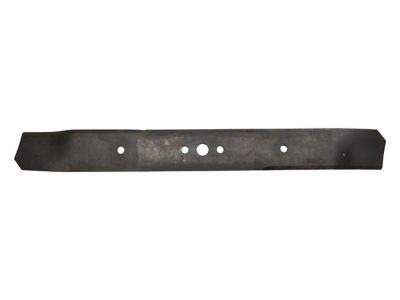
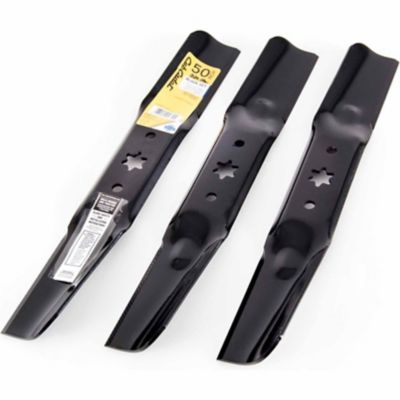
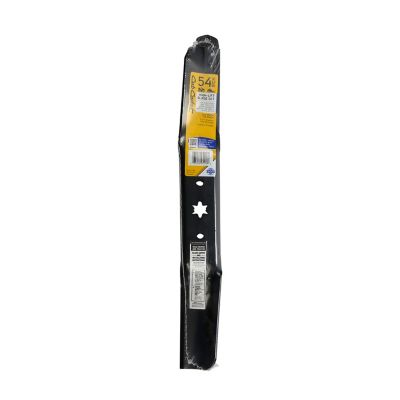
Fit deserves close attention wherever an accessory connects to the mower. A model number, serial-number range, or manufacturer’s compatibility listing generally tells more than deck width alone. Two mowers with the same cutting width can have different blade mounts, discharge openings, brackets, or drive systems. Replacement cutting components need the specified length, center opening, mounting pattern, and operating clearance, while belts must match the required profile and routing. Even a small mismatch can interfere with operation or keep a part from seating correctly. The same attention applies to
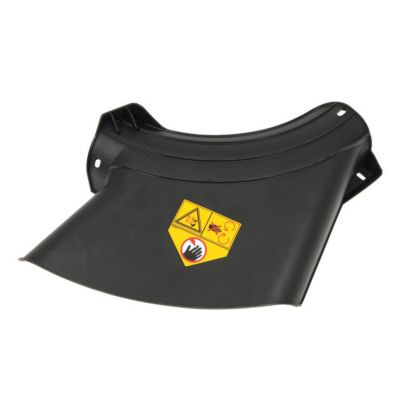
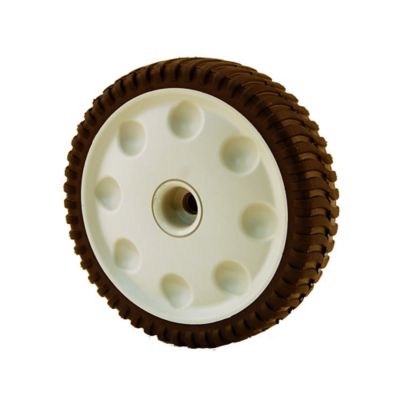
Walk Behind Mower Wheels, where diameter, axle bore, hub length, and mounting hardware all affect fit. On a self-propelled mower, a drive wheel may also need the correct internal gear arrangement to engage the drive mechanism. A free-rolling wheel and a driven wheel are not interchangeable just because their outside dimensions look alike. Tread pattern and wheel construction influence how the mower rolls across lawn surfaces, but a larger replacement wheel is not automatically an improvement; the machine’s specified wheel size helps establish deck position and cutting-height adjustment. Materials matter throughout the accessory lineup as well. Steel mounting hardware and cutting components serve different jobs from molded housings, flexible collection bags, and rubber or polymer wheel treads. Bag fabric needs to let air pass through while containing clippings, and its seams, frame, and attachment points take repeated handling. Chutes and covers need the right shape and clearance to sit securely without obstructing moving parts. For equipment that travels between jobs, attachment security and removal requirements deserve consideration alongside weight and size. A collection assembly that works well in an open yard may add width around narrow gates or take up extra room on a trailer. Those everyday details often determine whether an accessory feels like a good match once mowing gets underway.
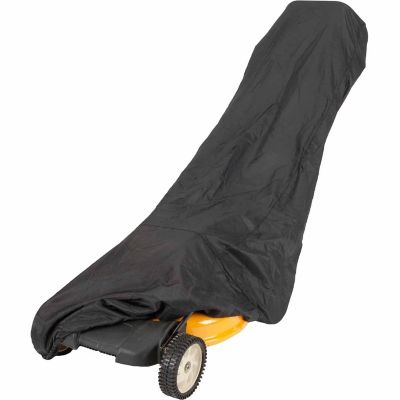
Long service life comes from choosing accessories suited to the workload and caring for them according to the mower and accessory manuals. A homeowner mowing around garden beds may handle attachments less often than a crew unloading equipment at several stops, so connection points, fasteners, bag seams, and moving components can see very different demands. Collection bags benefit from regular emptying and removal of packed grass, which can restrict airflow and add unnecessary weight. Cutting decks, discharge passages, and attachment contact surfaces also need attention because buildup can interfere with clipping movement or prevent a component from fitting as intended. Cleaning methods vary by material and design; not every assembly is meant for a hose rinse, and electrical components require particular care. Any cleaning, adjustment, or replacement work calls for shutting down the machine and preventing accidental startup as directed by its manufacturer, including the appropriate battery, cord, or spark-plug precautions. Worn blades, loose hardware, damaged bags, and cracked discharge components deserve attention before the next mowing job. Replacement parts should restore the intended setup rather than bypass a guard or defeat a safety feature. For storage, accessories that are clean and fully dry are easier to inspect and keep organized. A correctly sized mower cover can help shield a parked machine from dust and dirt, while adequate clearance around handles and attached equipment helps prevent snags during removal. Spare components are easier to identify later when their part numbers and compatibility information stay with them. Keeping the mower’s model details handy also takes some guesswork out of choosing a replacement or selecting an accessory for someone else’s machine. Whether the work is a tidy patch beside the house or a larger stretch around the barn, well-matched walk-behind mower accessories help the equipment handle its intended job without adding needless fuss. The best fit balances function, manageable weight, straightforward upkeep, and compatibility with the mower already doing the work.