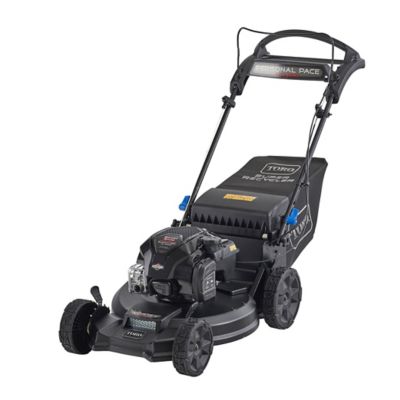
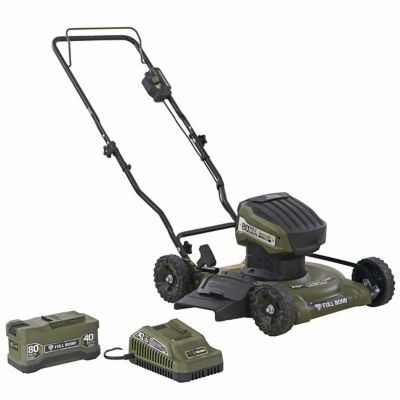
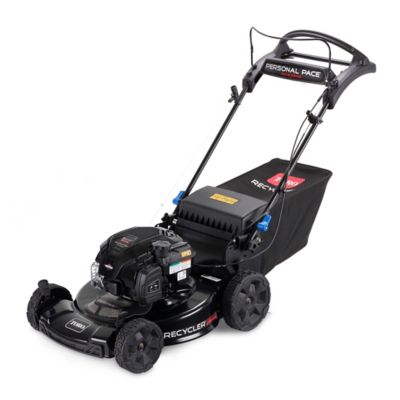
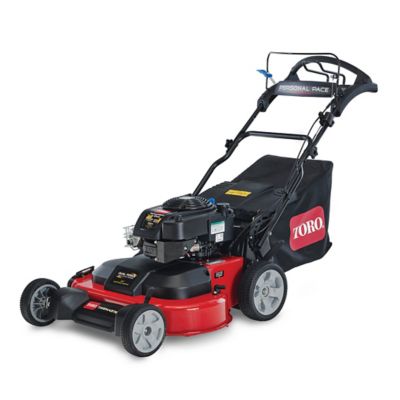
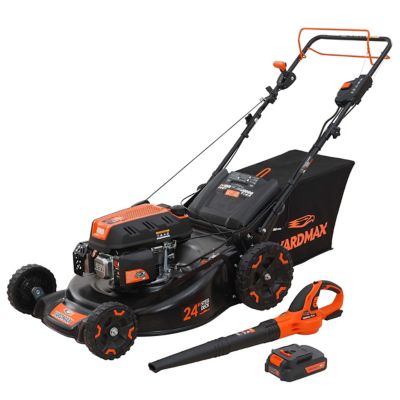
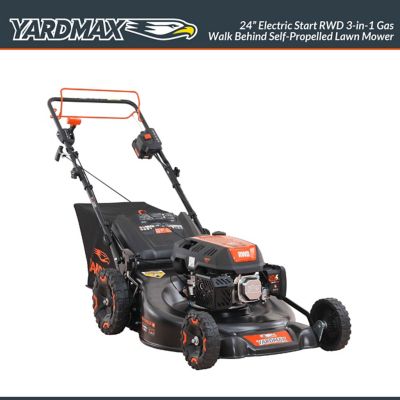
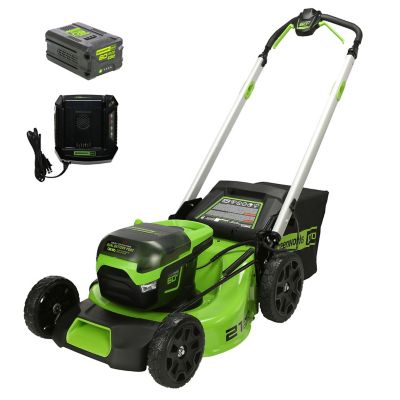
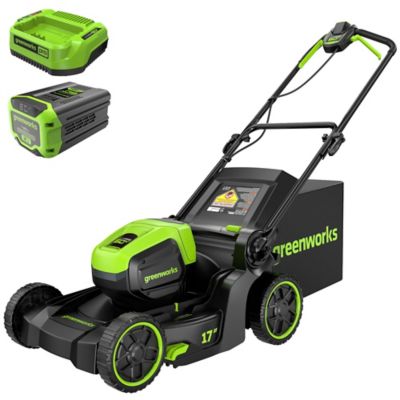
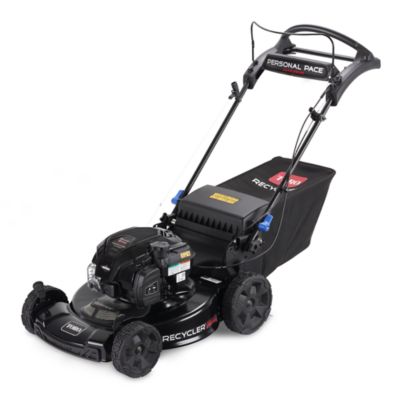
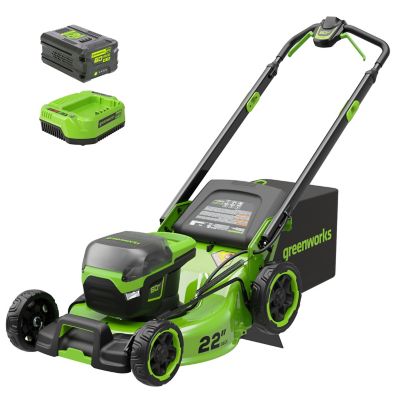
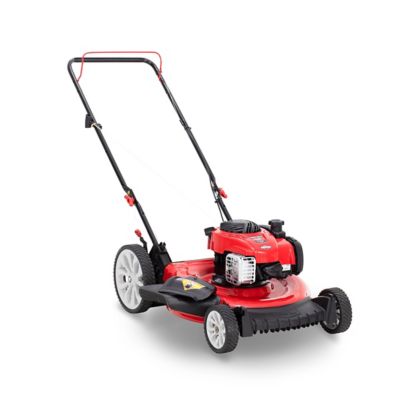
Lawn mowers with ball-bearing wheels help take some of the effort out of keeping a yard trimmed by reducing friction where the wheels turn around their axles. Inside each wheel bearing, small balls roll between bearing surfaces, allowing the wheel to rotate with less resistance than a plain sleeve or bushing under comparable conditions. That smoother movement can make a difference when you’re pushing along a fence line, turning around a shade tree, or working across the slightly uneven ground between the house and the shed. The benefit is easier rolling—not extra cutting power—and the overall feel still depends on mower weight, wheel size, tire tread, and the condition of the lawn. For folks who mow regularly, that distinction matters: a mower needs to cut well, but it also needs to move comfortably through the whole job. Ball-bearing wheels are worth considering for homeowners with winding lawn edges, several obstacles, or stretches of ground that make a stiff-rolling mower tiring to handle. They can also be a useful feature on self-propelled mowers, though the drive system does much of the work of moving those machines forward. When comparing lawn mowers with ball-bearing wheels, look for specifications that identify bearings in the wheels themselves. A ball-bearing cutting reel or a bearing elsewhere in the mower does not necessarily mean the wheels have ball bearings. Some designs place bearings in all four wheels, while others have a different arrangement, so the wheel description deserves a close look. Sealed wheel bearings can help keep dirt and moisture away from the rolling surfaces, often reducing routine lubrication needs compared with serviceable designs. They are not a promise of maintenance-free operation, and bearing life depends on their construction, load, exposure, and care. For an everyday mowing routine, the appeal is straightforward: wheels that turn freely can make repeated passes and small course corrections feel less like a wrestling match.
The best fit for your place depends on more than the bearings alone. A small yard with narrow passages calls for different proportions than a broad lawn beside a barn, even if both have bumpy patches and plenty of turns. Cutting width affects how much ground you cover with each pass, while the mower’s overall width determines whether it can slip through a gate or fit between established planting beds. Larger-diameter wheels may roll over small irregularities more easily, but wheel diameter, tread, mower balance, and total weight all work together. Ball bearings reduce resistance within the wheel assembly; they do not supply traction or make steep slopes safe. Follow the mower’s stated slope limits and operating directions, especially around ditches, banks, and wet ground. On walk-behind equipment, handle height and grip position also deserve attention. A comfortable handle can keep your arms in a more natural position through long, straight runs, and an adjustable self-propelled pace can help the machine match your stride rather than pull you along. Gas, battery-powered, and manual reel designs bring different considerations wherever wheel-bearing equipment is available. Gas mowers require fuel and engine upkeep, battery mowers depend on charge capacity and charging time, and manual reel mowers rely on your forward movement to turn the cutting mechanism. Reel designs generally suit lawns maintained at a manageable height, rather than neglected patches of tall, coarse growth. For powered mowers, compare bagging, mulching, and side-discharge capabilities along with the cutting-height range. A bag can help collect clippings when you want a tidy finish near a walkway, while mulching returns finely cut grass to the lawn when conditions allow. Collection bags add weight as they fill, which can change how the mower handles. Homeowners caring for a fenced backyard, folks maintaining the lawn around an outbuilding, and anyone replacing a hard-to-push mower may appreciate a setup that balances easy rolling with the right cutting and clipping-handling features.
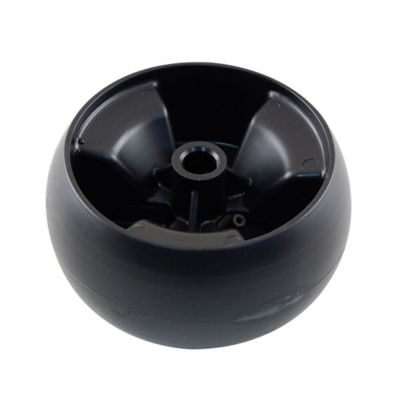
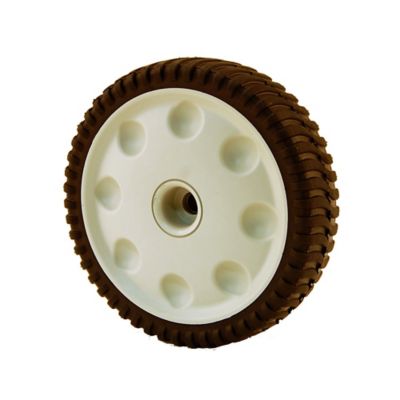
A familiar mowing job often includes more than open grass: there’s the turn beside the clothesline, the narrow strip along the driveway, and the rough spot where tree roots have lifted the soil. Those are the places where maneuverability becomes more noticeable than a specification on its own. For those shopping for lawn mowers with ball-bearing wheels, it helps to consider how the mower will move through those everyday spaces and where it will sit afterward. Folding handles may make shed storage easier, while the mower’s weight matters if you need to lift it over a threshold or load it for transport. Only store a mower upright if its design and operating manual permit it. Replacement-part availability is another practical consideration, especially for equipment you expect to maintain over many mowing seasons. Wheels, axles, and bearings need to match the mower’s specifications; similar appearance alone does not establish a proper fit. When replacement parts are needed,
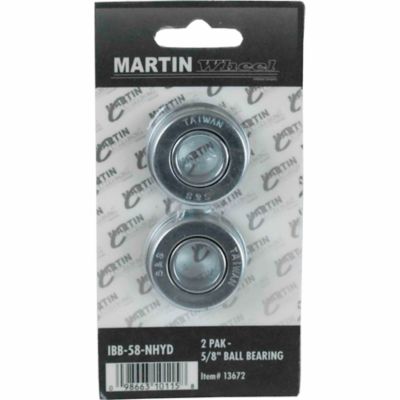
Lawn Mower Bearings provide a place to compare options against the model information and part numbers in your owner’s manual. Bearing dimensions, seal design, and wheel-assembly construction can all affect compatibility, and some wheels require replacement as a complete assembly. Routine care starts with following the manufacturer’s cleaning and lubrication instructions rather than assuming every bearing needs grease. Avoid directing high-pressure water at wheel hubs, and check for wheel wobble, binding, or grinding before a small problem interrupts the job. During the cooler months, mowing frequency varies with grass type and local growing conditions, so cutting height and timing should follow the needs of your lawn. Where grass is still growing, a mower that rolls freely remains handy for keeping the area around the house neat. Where mowing winds down, removing grass buildup and arranging dry storage helps prepare the equipment for its next outing. A well-matched mower brings together manageable handling, suitable cutting capacity, and upkeep that fits your routine—whether the lawn takes a few quick passes or a good part of the afternoon.