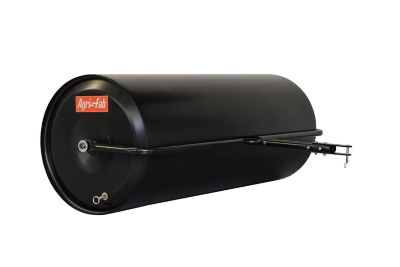
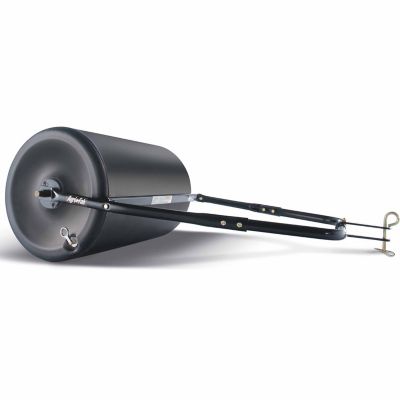
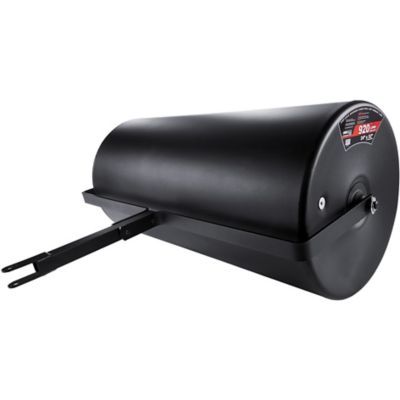
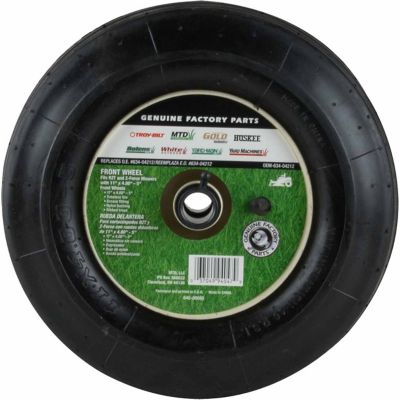
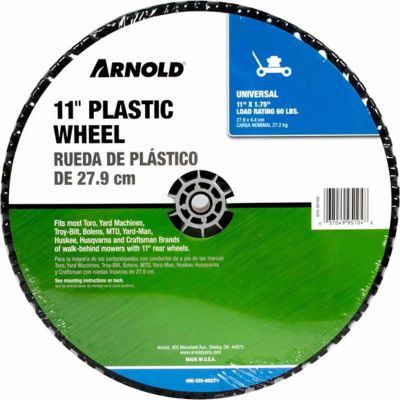
Lawn mower rollers help shape the finish a mower leaves behind, whether that means laying down clear lawn stripes or helping a mower deck pass over uneven ground without scraping the turf. The name covers several different parts and attachments, so the roller’s job matters as much as its size. A lawn striping roller rides behind the cutting area and bends grass blades in the direction of travel. Alternating mowing directions makes neighboring passes reflect light differently, creating the light and dark bands often seen across ball fields and neatly kept front yards. Those stripes come from the way the grass lies, not from cutting alternating rows at different heights. A rear roller can be part of a mower’s original design or a separate attachment, depending on the equipment. Some reel mowers have rollers that help establish cutting height, while certain rotary mowers combine a spinning blade with a rear roller for a striped finish. Smaller deck rollers serve another purpose: they help protect against scalping when the deck crosses a rise, a shallow dip, or the shoulder beside a driveway. They are not interchangeable with full-width striping rollers, and they generally are not meant to carry the mower deck’s weight continuously unless the equipment manufacturer specifies otherwise. For a homeowner tending the stretch between the porch and the road, a striping attachment can bring more definition to an everyday mowing job. For someone maintaining a larger property, the right replacement deck roller can help preserve the intended clearance as ground contours change. A mower roller is also different from a heavy lawn roller pulled across the ground for separate turf work. Striping rollers bend grass; they do not repair ruts, level substantial bumps, or take the place of correcting drainage and soil problems. That distinction helps match the equipment to the result, whether the goal is a crisp-looking yard or a deck that moves properly over rolling ground.
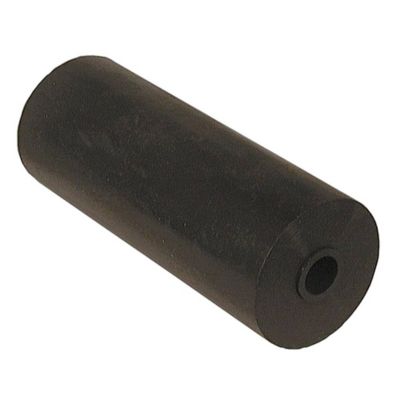
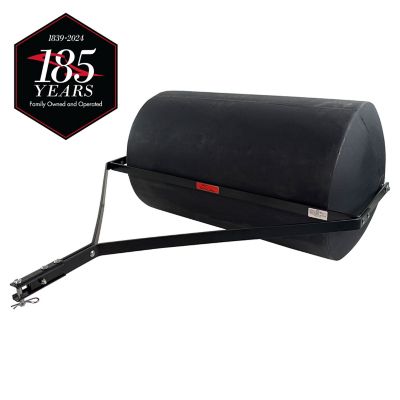
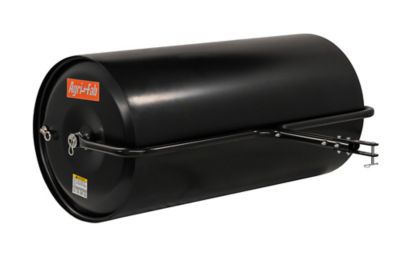
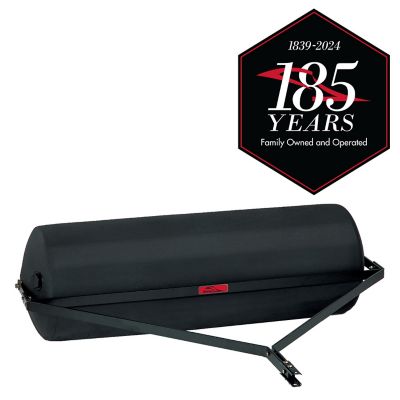
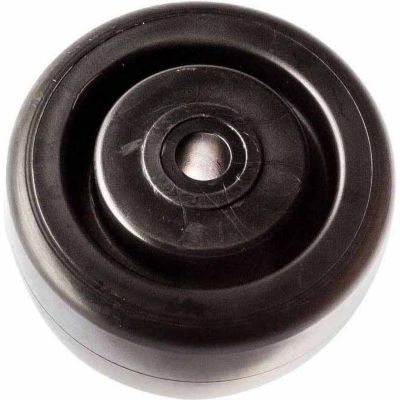
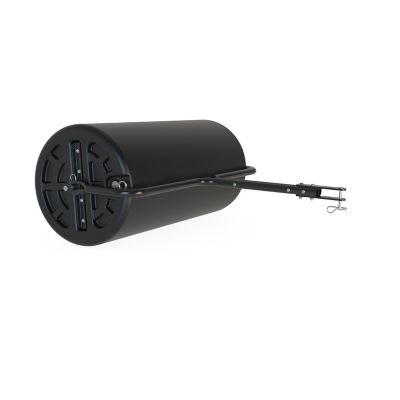
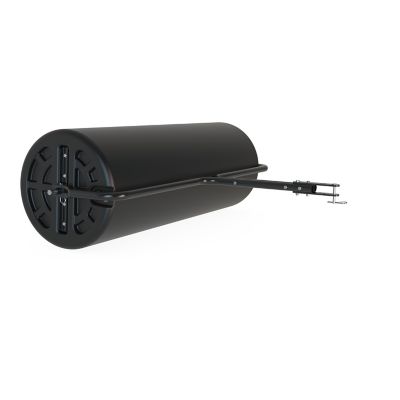
Fit starts with the mower itself, including its model, deck configuration, mounting points, and the type of roller it was built to accept. Two rollers that look much alike can have different bore sizes, overall widths, axle requirements, or bracket spacing. On replacement deck rollers, the roller diameter and mounting position affect clearance beneath the deck, while the center opening must match the specified axle or fastener arrangement. On lawn mower striping attachments, working width matters because the roller needs to complement the mower’s cutting path without interfering with tires, discharge openings, grass catchers, or other attachments. Clearance through turns and across changes in grade matters, too. A broad roller may suit long, open passes beside a fence, while a yard with orchard trees, narrow gates, and tight corners calls for close attention to maneuvering room. Compatibility is not something to judge by cutting width alone; the mower manufacturer’s specifications and the attachment’s fit information should agree. Materials vary with the roller’s purpose. Molded plastic or polymer deck rollers keep rotating weight down and avoid rust on the roller body, though their axles and mounting hardware may still need protection from moisture. Steel roller bodies bring weight and rigidity, with coatings that help protect exposed surfaces. Some striping attachments have hollow drums designed for ballast, but filling material and weight limits depend on the attachment. Extra weight is not automatically better, especially on soft ground or equipment with limits on attachment loads. Bearings, bushings, end caps, and brackets also affect how freely a roller turns and how well the assembly handles regular work. A roller that binds can drag rather than roll, while worn mounting holes can let a part wobble. Wheel construction is a separate consideration for the mower’s overall movement;
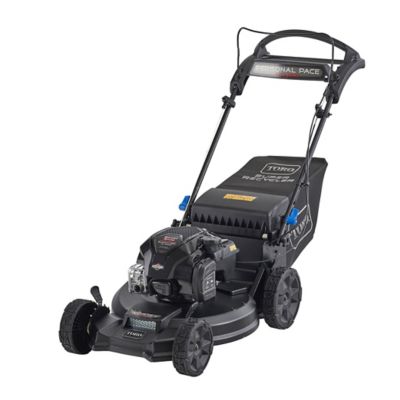
Lawn Mowers With Ball-bearing Wheels addresses a different feature from the roller that bends grass or protects the deck. Both deserve attention when the yard includes long mowing runs, frequent turns, or uneven stretches around the house and outbuildings.
The finish from a lawn mower roller depends on the grass and ground as well as the attachment. Taller, flexible blades generally show striping more readily than very short, stiff turf, and sunlight changes how strongly a pattern stands out. A set of stripes may look bold from the front steps and much softer from the driveway because the viewing angle has changed. Grass type, mowing height, and growing conditions all play a part, so roller weight alone cannot promise the same result on every lawn. Healthy grass at a suitable cutting height gives a striping roller something to bend without putting the lawn under needless stress. Firm ground also provides a better setting than saturated soil, where added equipment weight and repeated wheel traffic can leave marks. Around a country home, roots near a shade tree, gravel along the lane, and an abrupt edge by a concrete walk all put different demands on mower attachments. Rollers should turn freely and stay securely mounted, with enough clearance for the terrain and the mower’s approved settings. Care is usually straightforward, but the details depend on the assembly. Packed clippings and mud can interfere with rotation, and tangled grass around an axle can hide wear. With the mower shut down and secured according to its manual, routine attention to debris, loose hardware, cracked roller bodies, and worn bushings helps keep small issues from carrying into the next mowing job. Lubrication belongs only where the manufacturer calls for it; sealed bearings and greaseable fittings have different needs. During cooler months, removing damp clippings and letting parts dry before storage helps limit corrosion on metal components. Water-filled attachments may require draining before freezing weather, according to their instructions. For the person who takes pride in a tidy homeplace, these details matter beyond the appearance of a single pass. A properly matched lawn mower roller supports the job it was designed for, from laying stripes across open turf to helping a deck clear the changing contours of a well-tended yard.