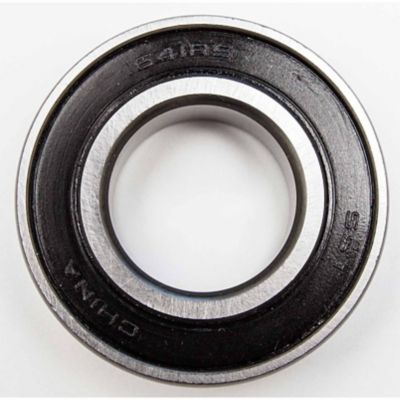
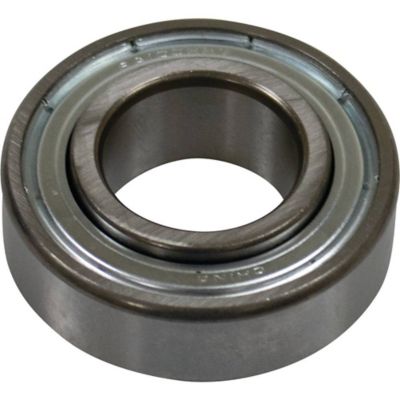
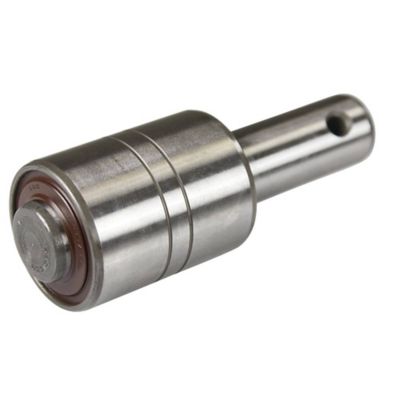
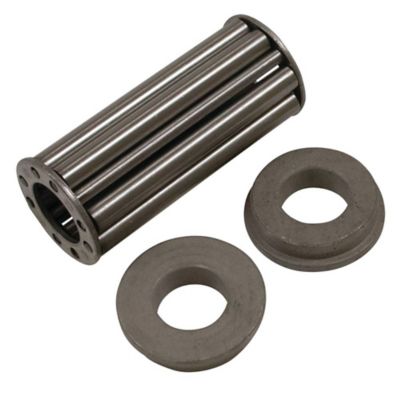
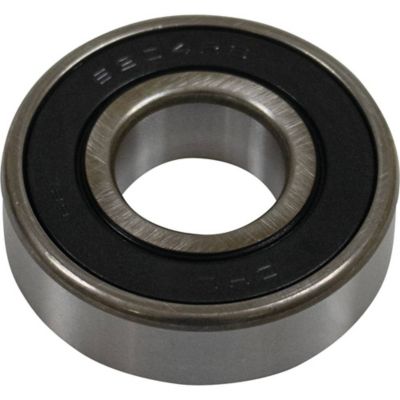
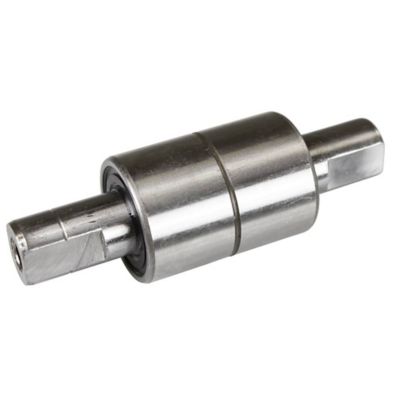
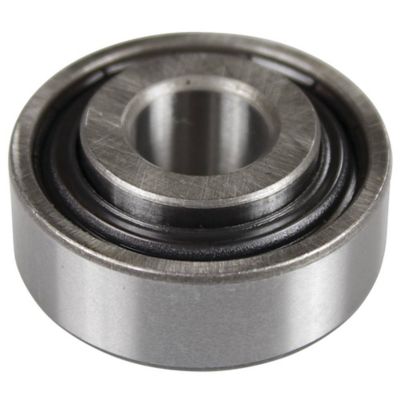
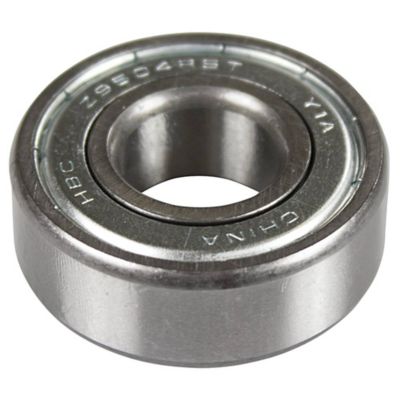
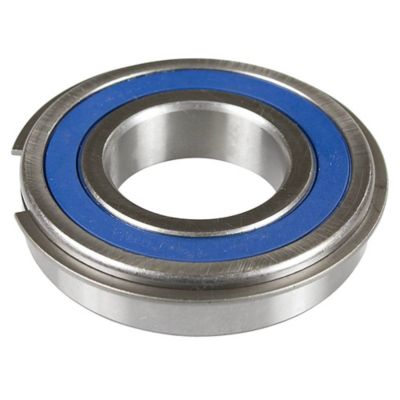
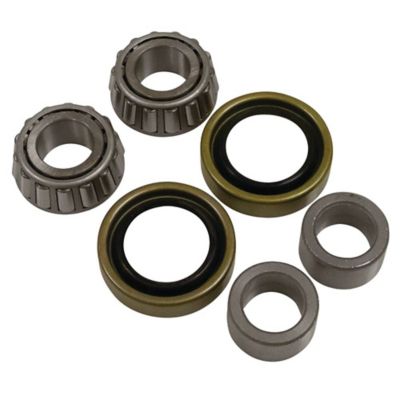
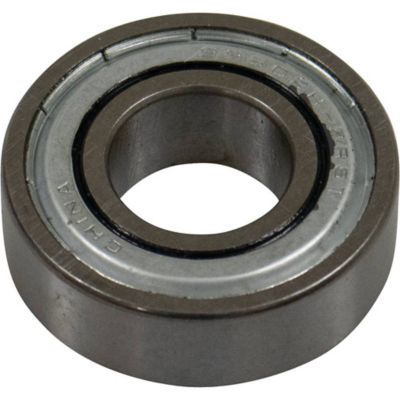
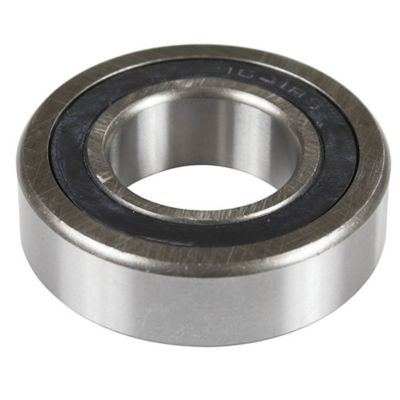
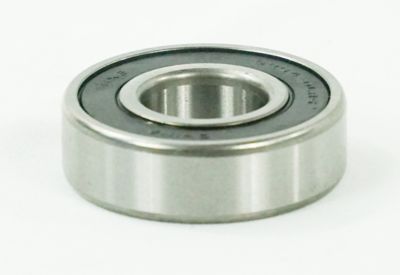
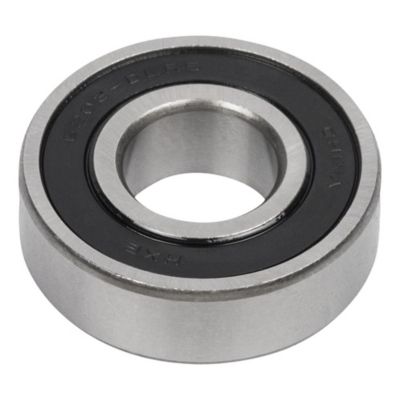
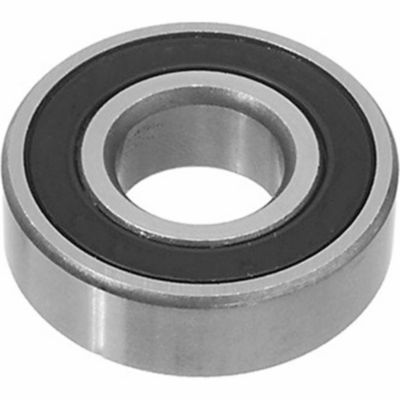
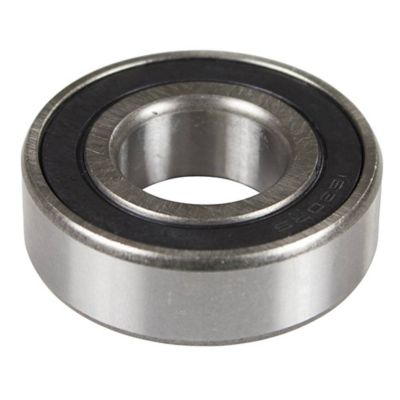
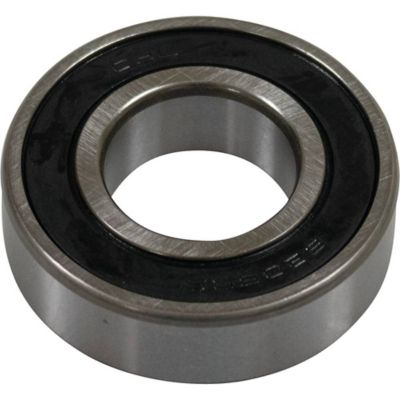
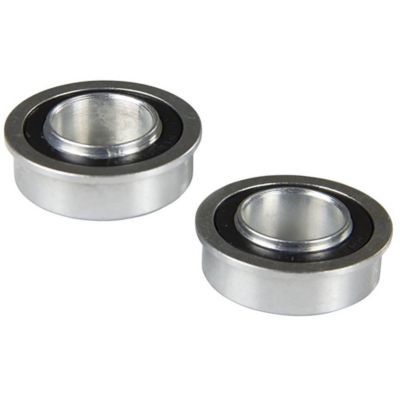
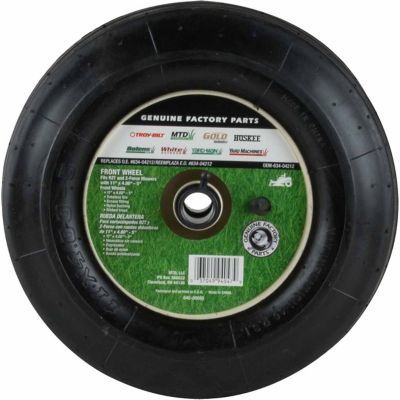
Lawn mower bearings reduce friction and support rotating parts so wheels, blade spindles and other moving assemblies can turn with less resistance. Depending on the mower’s design, bearings may sit inside wheel hubs, deck spindle housings, caster assemblies or pulley assemblies. Each location has a different job, and the right replacement needs to match both the mower and the assembly it supports. Wheel bearings help a mower roll smoothly while carrying the machine’s weight. Deck spindle bearings support the shafts that turn the blades, helping those shafts stay aligned as the belt drives them. Caster bearings support the swiveling or rolling motion of certain front-wheel assemblies, especially on zero-turn mowers. A bearing that suits a slow-turning wheel is not necessarily suited to a fast-spinning deck shaft, even when the two look much alike on the workbench. Many mower bearings contain hardened steel balls or rollers held between inner and outer rings, with a cage that keeps the rolling elements spaced apart. Ball bearings are common in mower assemblies, while some wheel and caster designs call for roller or tapered roller bearings. The shape and arrangement of those rolling elements affect how the bearing handles force across the shaft, along the shaft or in both directions. For someone tending a yard around the house, mowing maintained grass beside a barn or caring for several properties, these small parts support a much larger piece of equipment. Smooth wheel movement makes a push mower easier to handle, while properly supported spindle shafts help a mower deck operate as intended. Bearings also matter to grounds crews and property managers whose machines spend plenty of hours cutting grass. Their size can make them easy to overlook, but their role is straightforward: support movement, limit friction and help keep rotating components where they belong. Choosing among lawn mower bearings starts with that purpose rather than appearance alone.
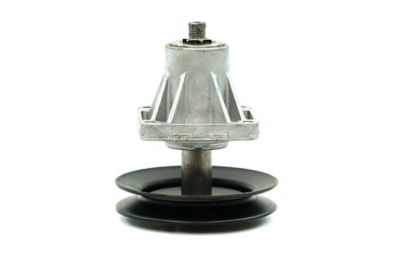
Fit comes down to more than finding a bearing that slips over a shaft. The mower’s model information, the assembly’s part number and the bearing designation are useful starting points, backed by the manufacturer’s specifications. Inner diameter, outer diameter and overall width all matter because the bearing must fit its shaft and housing correctly. An extended inner ring, retaining-ring groove, flange or particular seal arrangement can also make a difference. Two bearings with the same basic dimensions may have different load ratings, speed ratings, internal clearances or closure styles, so matching measurements alone does not settle compatibility. A bearing that is too loose in its housing can allow unwanted movement, while an incorrect fit on the shaft can interfere with proper operation. Spacers, retaining rings, washers and shoulders are part of that fit, too; the bearing works within an assembly rather than by itself. On a mower deck, spindle shafts, belts and
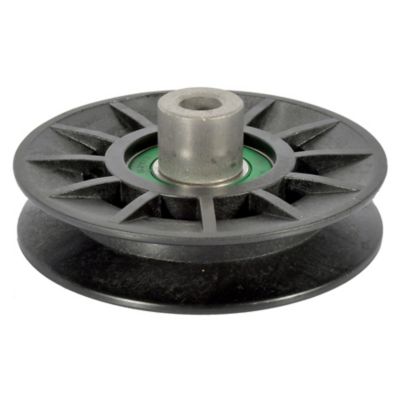
lawn mower pulleys work together to transfer motion to the blades. Bearing selection needs to suit that arrangement, including the shaft speed and the loads created by the belt and rotating components. Wheel and caster assemblies have their own requirements, which can include load capacity, axle size and the way the hub holds the bearing in place. Some designs allow individual bearing replacement, while others call for service at the complete assembly level. A mower’s operator’s manual and parts diagram help establish which arrangement applies. For a machine that covers a broad yard or follows long stretches of fence line, proper fit matters more than a passing resemblance to the old part. Clear specifications also help distinguish a rolling-element bearing from a plain bushing, since those parts are not automatically interchangeable. The goal is a bearing that belongs in the assembly, with the right dimensions and operating characteristics for the work ahead.
Materials, closures and lubrication all influence how a lawn mower bearing stands up to regular mowing. Hardened bearing steel provides wear resistance at the rolling surfaces, while seals and shields help manage the space between those surfaces and the surrounding debris. Grass clippings, fine grit and moisture can reach wheel hubs and mower decks during ordinary work, making the specified closure style an important detail. Metal shields help keep out larger particles with little contact friction; contact seals generally provide a stronger barrier against fine contamination, though their design and operating limits vary. Neither style makes an assembly immune to dirt or neglected care. Many sealed bearings come with grease inside and are not intended for routine relubrication, while other assemblies have a specified grease fitting and maintenance schedule. Adding grease is not a substitute for matching the bearing design, and excess grease can create problems in assemblies that are not meant to receive it. Care also extends to the surrounding parts. A worn shaft, damaged housing, missing spacer or misaligned pulley can shorten bearing life even when the replacement bearing is the correct size. Grinding, rumbling, unusual heat or excess movement may point to bearing trouble, but loose hardware and wear elsewhere can cause similar symptoms. Inspection of the whole assembly helps keep a small repair from becoming a repeat chore. Any hands-on inspection or service belongs with the mower shut down, moving parts stopped and the power source isolated according to the manufacturer’s directions. Proper installation matters as well: force needs to act through the bearing ring being fitted, rather than through the balls or rollers, to avoid damage before the mower ever runs. Keeping replacement bearings clean until installation and following the specified tightening and lubrication requirements helps protect their working surfaces. Whether the mower handles a small home lawn or a larger property, suitable lawn mower bearings support steady operation without asking an ill-fitting part to carry the load.