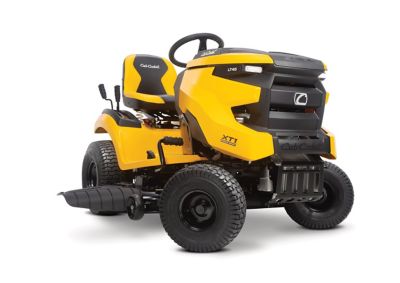
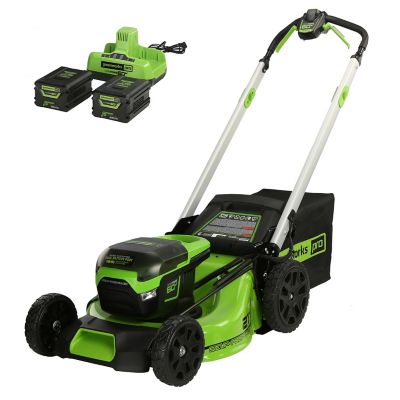
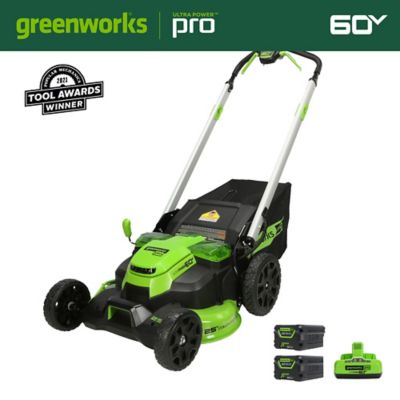
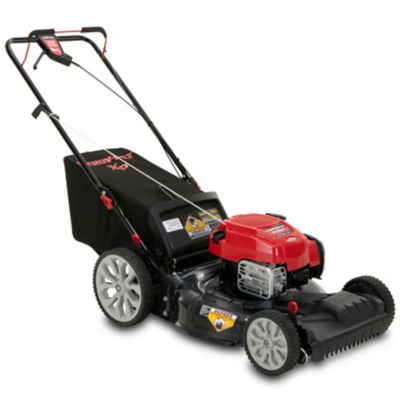
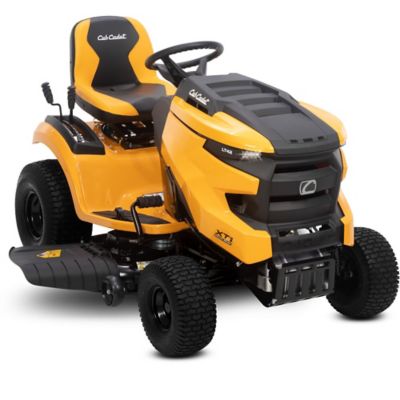
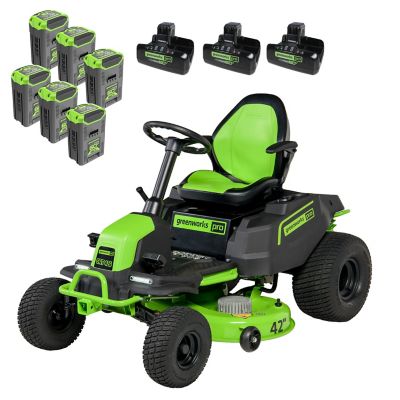
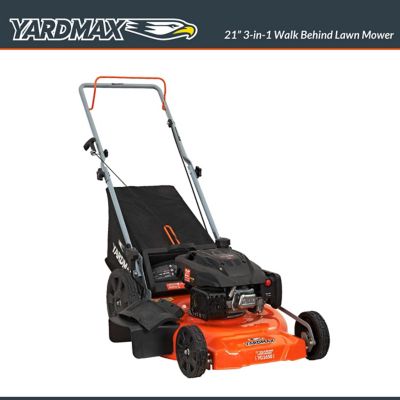
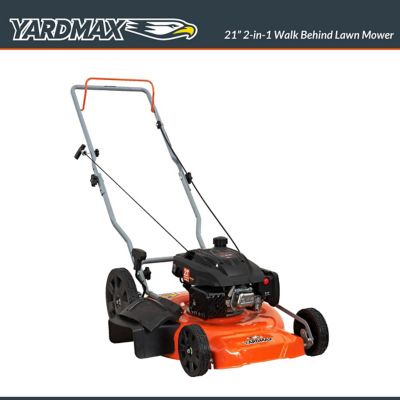
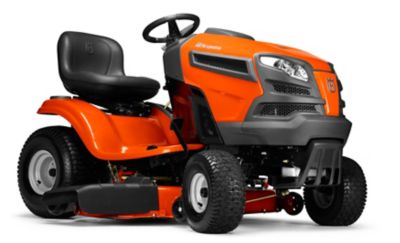
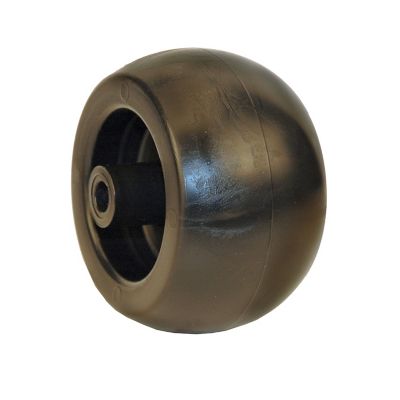
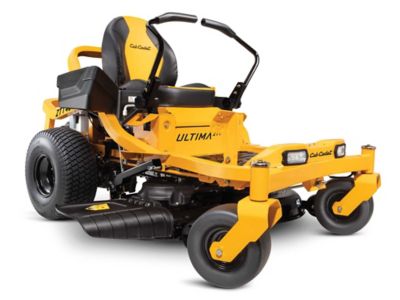
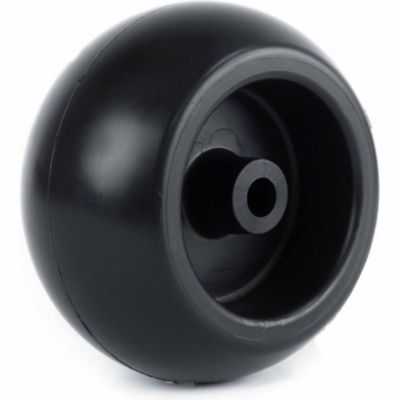
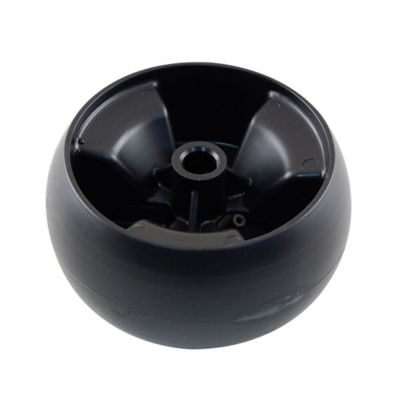
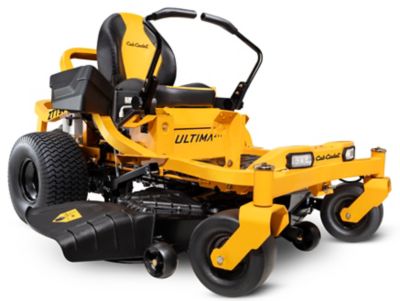
Lawn mowers with anti-scalp wheels help protect the grass from an overly close cut when the mower deck passes over uneven ground. These small wheels sit along the edges or near the corners of the cutting deck, where they can meet a rise in the ground before the blades cut too deeply into the turf. On mowers with a suspended deck, that brief contact helps support or lift the deck over the high spot, reducing the chance of leaving a shaved patch behind. During normal mowing on level ground, the deck hangs from its mounting linkage rather than riding continuously on the anti-scalp wheels. That distinction matters: these wheels are there for occasional ground contact, not to carry the deck across the whole yard. They are especially helpful around the gentle humps and shallow dips that show up in established lawns, including grassy stretches beside a driveway, slight ridges near fence lines, and uneven areas around a farmhouse. A mower’s main tires may straddle a rise while the middle of the deck passes directly over it, putting the blades closer to the soil than the selected cutting height suggests. Anti-scalp wheels provide a measure of protection in situations like that, though they cannot prevent every scrape or make rough ground perfectly level. Their benefit is a more consistent cut with fewer places where the grass gets clipped down to the stems or soil. Riding lawn mowers and zero-turn mowers may include this feature, with wheel placement and the number of contact points varying by deck design. For homeowners tending a broad front lawn, folks keeping the grass neat around outbuildings, or anyone mowing a property with gradual changes in grade, this deck feature deserves a close look. It helps address an everyday mowing problem without changing the basic job of the machine: cutting grass to an appropriate height while following the lay of the land.
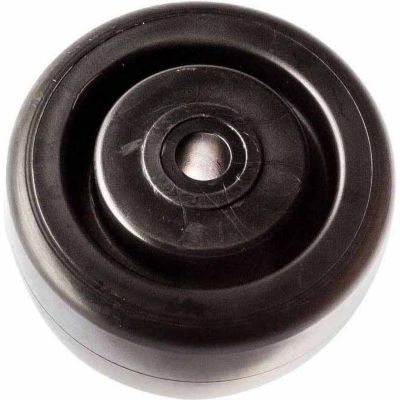
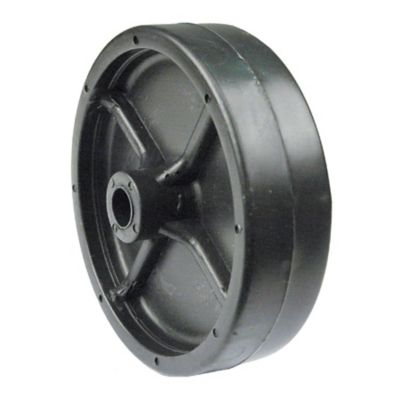
The right mower still needs to fit the property, not just offer anti-scalp protection. Deck width, cutting-height range, turning space, and clearance through gates all affect how comfortably a machine handles the work. A wide deck can cover open stretches with fewer passes, but it also spans more ground at once, making deck movement and wheel placement worth considering on a rolling lawn. A narrower deck may fit better between trees, garden borders, and fence corners, especially where there is little room to straighten out before the next turn. Anti-scalp wheels positioned near vulnerable deck edges can help limit gouging as those edges cross a raised spot, while other designs include rollers or additional contact points toward the middle of the deck. More wheels alone do not guarantee a better result; their arrangement needs to work with the deck’s shape, suspension, and cutting width. Deck construction also plays a part in long-term service. Stamped steel decks are formed into shape, while fabricated steel decks are built from welded sections. Either construction can include anti-scalp wheels, and the overall design, metal thickness, reinforcement, and finish matter more than the construction label alone. Wheel assemblies may include molded polymer wheels, steel brackets, and axle bolts or bushings, with materials and service requirements differing by model. Solid mounting points and accessible hardware make inspection and replacement less of a chore. Cutting-height adjustment is another important piece of the setup because the wheel position must suit the height at which the grass is being cut.
Lawn Mowers With Adjustable Decks offer another way to consider that relationship when comparing deck features. A comfortable seat, easy-to-reach controls, and a clear view of the mowing path matter, too, particularly when the job takes more than a few laps around the house. Anti-scalp wheels complement those features, but they do not add traction, increase a mower’s permitted slope limits, or make it suitable for brush, exposed rocks, or deeply rutted ground.
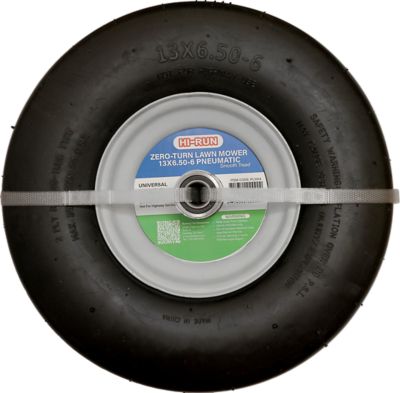
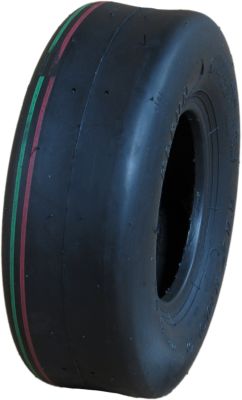
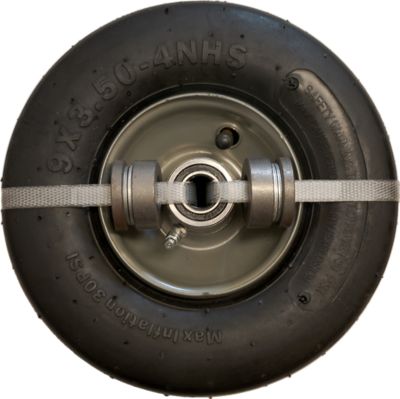
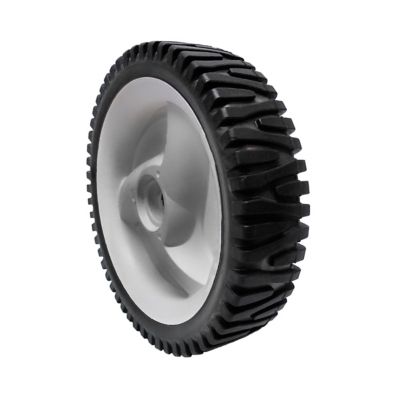
Proper setup and routine care help anti-scalp wheels do their job without creating another source of turf wear. With many suspended mower decks, the wheels should sit slightly above level ground at the selected cutting height. A clearance of about 1/4 to 1/2 inch is common, but the mower manufacturer’s instructions take priority because deck designs and adjustment procedures differ. The wheels should not normally roll along the ground throughout every pass. Continuous contact can load the brackets, wear the wheels, and drag across the grass during turns. A change in cutting height may call for a corresponding wheel adjustment, so easy access to the mounting holes can be a practical feature for anyone who changes mowing height. Correct tire pressure and a properly leveled deck also help maintain the intended relationship between the blades, wheels, and ground. Anti-scalp wheels cannot make up for a deck that hangs unevenly or tires inflated outside the manufacturer’s specifications. For everyday upkeep, look for wheels that turn freely, mounting bolts that remain secure, and brackets without bends or cracks. Worn axle holes, damaged bushings, or missing hardware can keep a wheel from holding its intended position. Replacement parts need to match the mower and deck specifications, including wheel diameter, width, bore size, and mounting arrangement; appearance alone is not enough to establish fit. Before inspection or adjustment, park on level ground, disengage the blades, shut off the engine, and follow the manual’s precautions against movement or accidental starting. Removing packed clippings from the deck and wheel brackets, with the machine safely secured, makes wear easier to spot. Greasing applies only where the manufacturer calls for it, since not every wheel assembly has a grease fitting. Out on the lawn, a steady pace over uneven patches gives the deck a better chance to follow the ground, while abrupt turns and sharp grade changes can still leave marks. Matched to the property and maintained as part of the mower, anti-scalp wheels help keep ordinary bumps from turning into conspicuous bare streaks across a freshly cut yard.