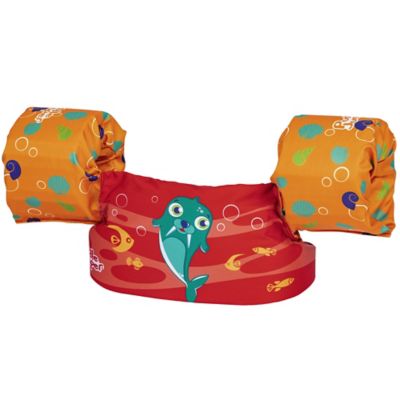
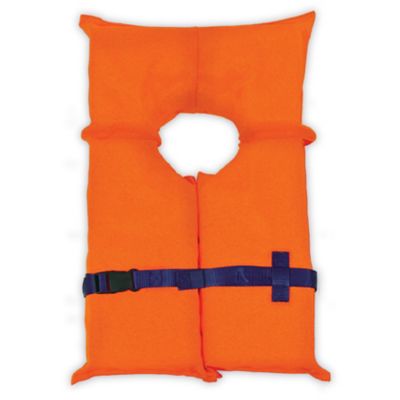
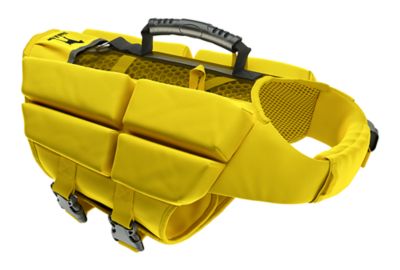
Kayak safety gear includes a properly fitted life jacket, a sound-signaling device, visibility equipment, and supplies that support communication and recovery after a capsize. Some equipment may be legally required, while other pieces support self-rescue and trip planning. Requirements depend on the waterway, location, paddler’s age, and type of outing, so the right assortment starts with applicable federal, state, and local boating rules. A United States Coast Guard–approved wearable life jacket is a central part of that setup, and wearing it throughout a paddle offers protection that a jacket tucked behind the seat cannot. For paddling, fit matters as much as the size printed on the tag. Adult sizing often centers on chest measurements, while children’s sizing commonly includes weight ranges; the manufacturer’s label provides the limits for each design. A snug fit should still leave room to breathe, reach forward, and rotate through a paddle stroke without the jacket riding up around the face. Large arm openings, adjustable straps, and foam placement that works with a kayak’s seat back can make long stretches on the water more comfortable. Tough nylon or polyester outer fabrics help protect the flotation material from everyday rubbing against seats and boat edges. Smooth zipper action and buckles that are manageable with wet hands also matter at the launch and on the water. Pockets can keep a whistle or other small safety supplies close, but their placement should not interfere with paddling or getting back aboard. Bright panels and reflective details can help other boaters notice a paddler, though they do not replace required navigation lights. For someone fishing a farm pond, exploring a lake shoreline, or joining a family river outing, the best match depends on the person, the boat, and the setting—not simply the number of pockets or straps. A good fit also makes it easier to keep the jacket on while casting, landing at a muddy bank, or taking a break along shore.
Signaling and communication equipment fills a different role from flotation, giving paddlers ways to attract attention and call for help. A whistle made for wet environments offers a compact sound signal without taking up much room, and an attachment point on a life jacket keeps it within reach if the boat drifts away. Requirements for sound-producing devices, navigation lights, and visual distress signals vary, especially between inland waterways and coastal waters. A light intended for a kayak should match its stated purpose; a small marker light is not automatically a substitute for legally required lighting. Water-resistance ratings, secure mounting points, battery type, and controls that are easy to find all deserve a look. Visibility accessories also need to fit the boat without getting in the way of paddle strokes, fishing line, or entry and exit. Waterproof communication storage helps shield a phone or other electronics from splashes and immersion within the enclosure’s stated limits. A clear window can make a screen easier to view, while a secure closure helps protect the contents when the pouch rests against a wet seat or slips into the footwell. Cell service is not a given along a wooded creek or a remote stretch of shoreline, so communication choices should reflect the route rather than depend on a phone alone. Marine radios and satellite communication devices serve different purposes and may involve coverage limits, subscriptions, or operating requirements. Recovery equipment belongs in the same conversation: bilge pumps, sponges, and paddle floats address different needs, and suitability depends on hull design and paddling technique. A sit-inside kayak may need a way to remove water from its cockpit, while other designs have different drainage and reentry considerations. Rescue equipment is most helpful when it matches skills practiced in an appropriate setting. Carrying more gear does not replace knowing its limits, and loose cords or attachments can create snag hazards, particularly around moving water.
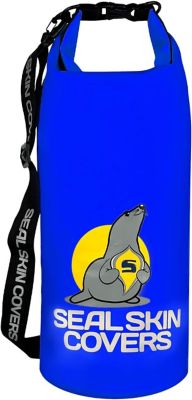
Materials, storage, and care help determine how well kayak safety equipment fits into regular trips. Water-resistant fabric and a fully waterproof enclosure are not interchangeable, and closure design matters just as much as the material itself. Roll-top bags, sealed cases, and zippered pouches have different strengths, with manufacturer ratings explaining whether they are intended for splashes or specified immersion conditions. A compact first-aid kit benefits from protected storage and an arrangement that makes its contents easy to find, rather than a crowded bag that must be emptied at the landing. Small essentials should stay accessible without blocking foot space, hatch access, or the cockpit opening. Gear carried on the paddler serves a different purpose from supplies secured inside the boat, especially if the two become separated. For longer outings, weight and storage space matter, but trimming the load should not mean leaving behind equipment required for the route. Clothing also affects how comfortably safety gear fits: smooth layers, freedom through the shoulders, and waistbands that sit comfortably against a kayak seat can reduce rubbing beneath straps. The
Clothing For Kayaking page offers related options to consider alongside flotation and other paddling equipment. After a trip, rinsing away grit or salt as directed, allowing equipment to dry, and storing it away from prolonged sunlight can help protect fabrics, foam, seals, and hardware. Cracked buckles, frayed webbing, peeling seams, corrosion, and damaged closures are reasons to check the manufacturer’s replacement guidance before another outing. Batteries and first-aid supplies also need periodic attention, even when the kayak spends more time in the shed than on the water. For a gift, the recipient’s measurements, boat style, and usual waterways provide a better starting point than appearance alone. Thoughtfully matched safety equipment suits new paddlers building their first setup, anglers adding protection to a fishing kayak, and experienced boaters replacing worn components—keeping the focus on equipment that fits the person and the trip.