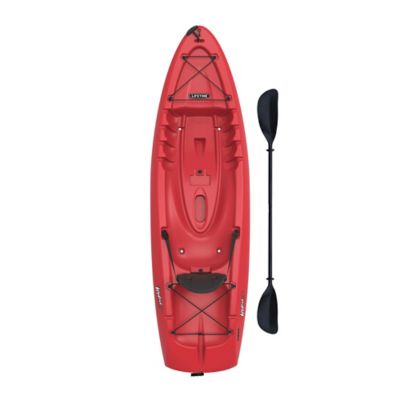
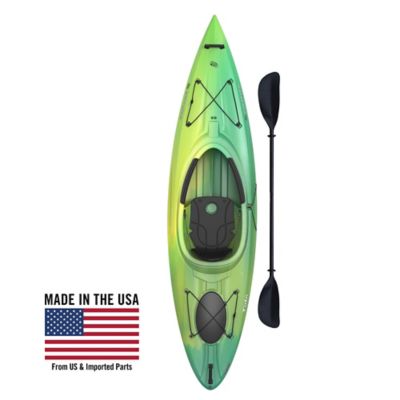
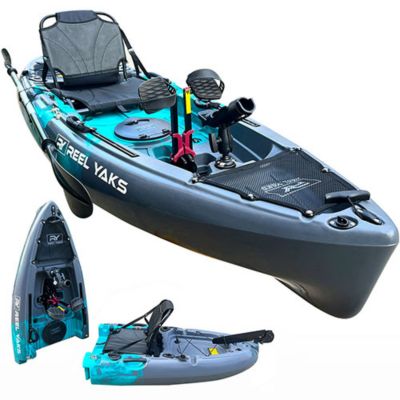
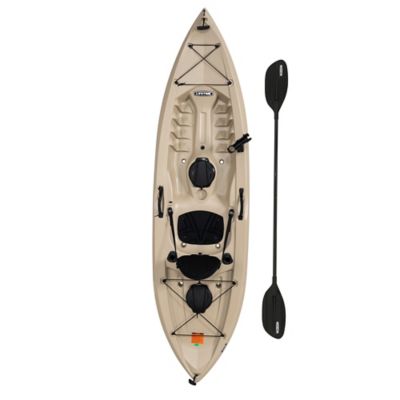
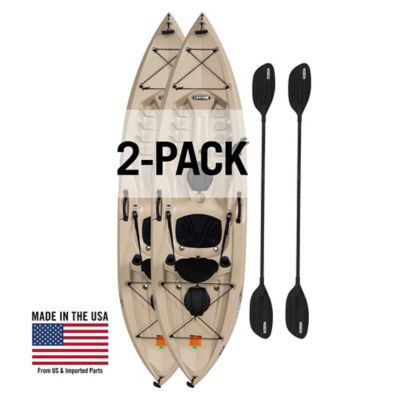
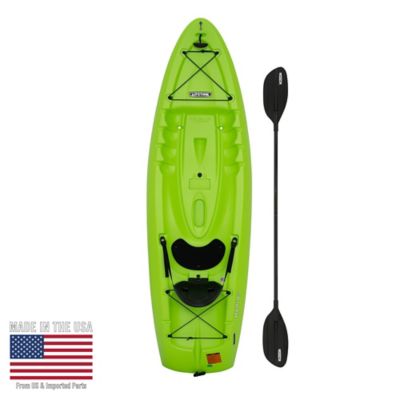
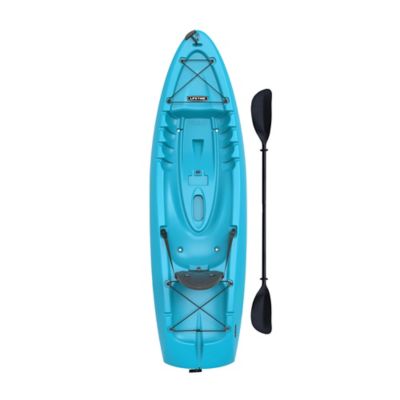
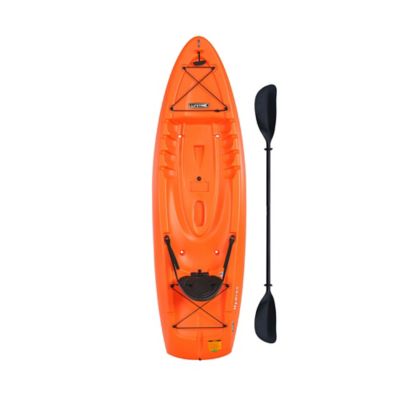
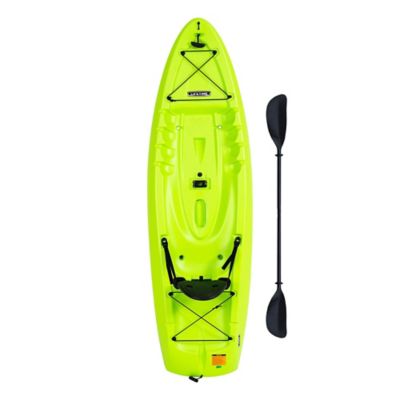
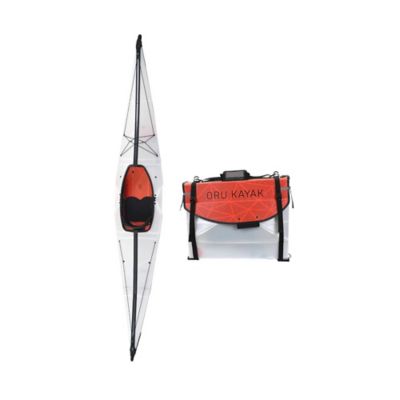
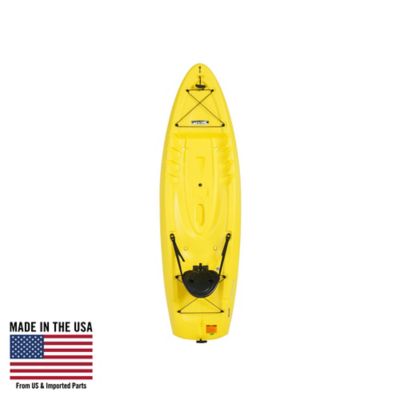
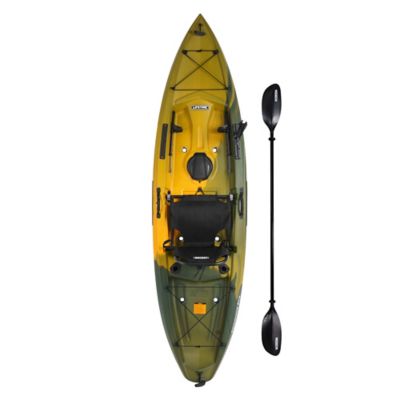
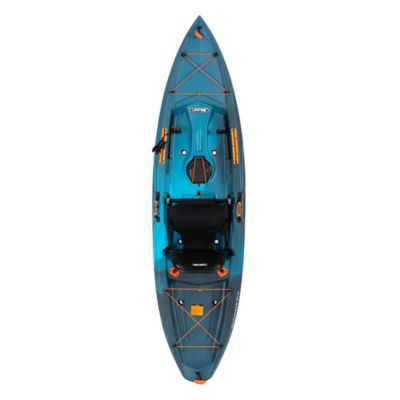
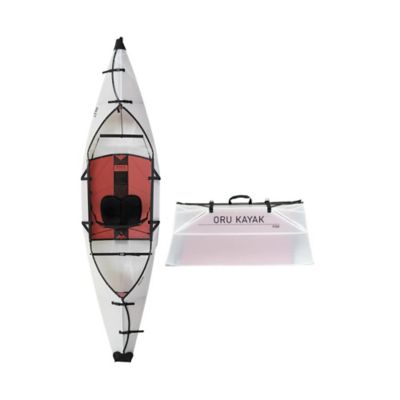
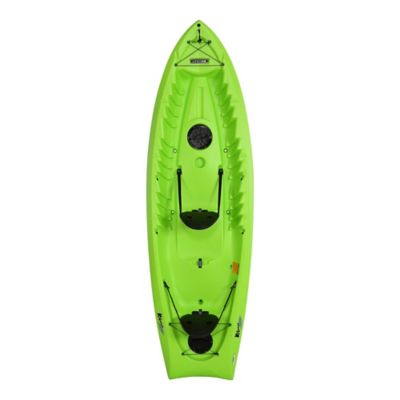
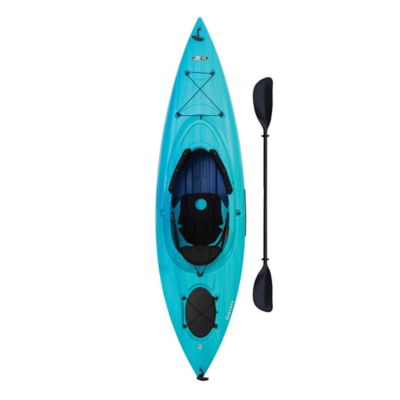
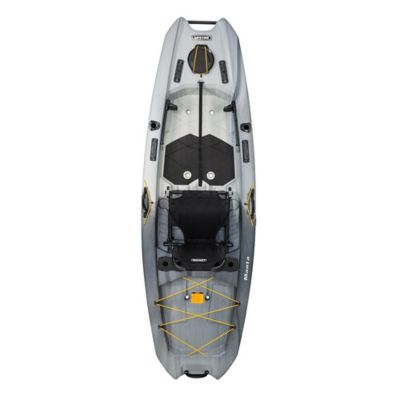
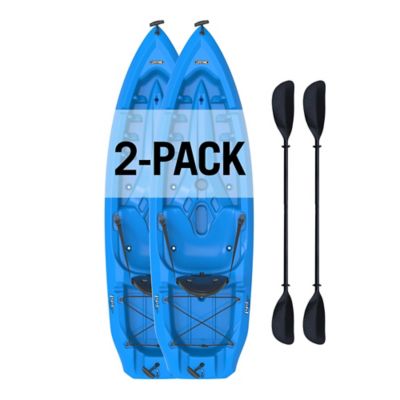
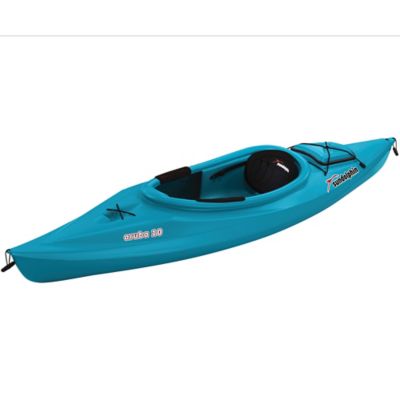
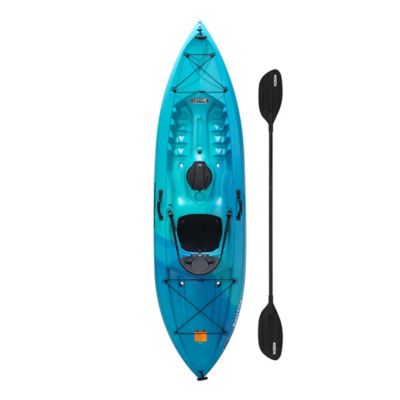
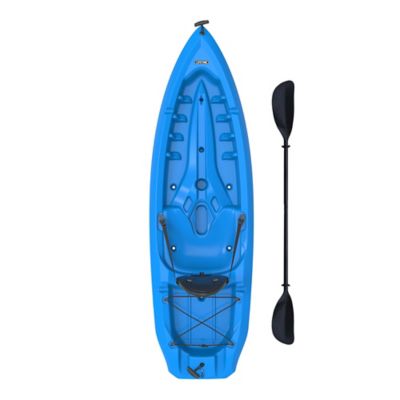
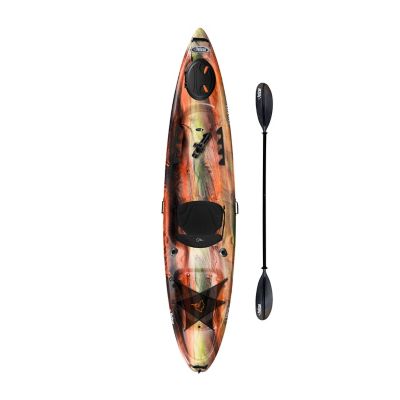
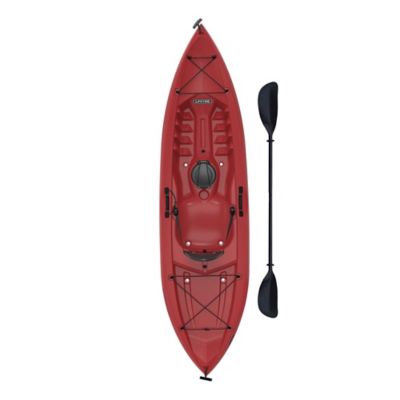
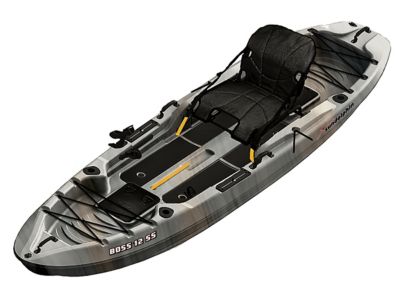
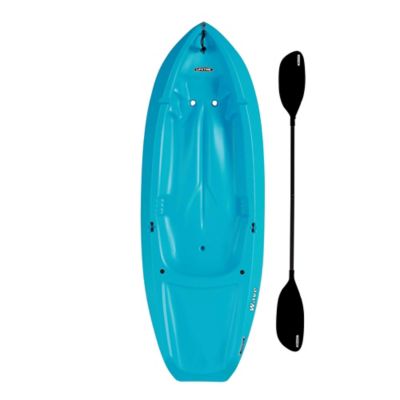
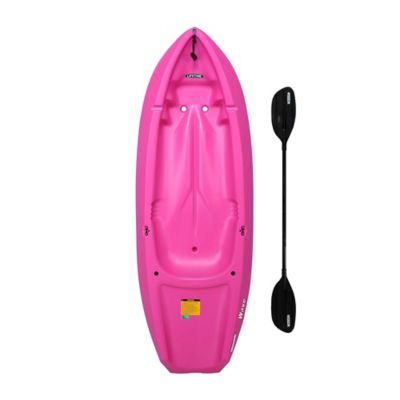
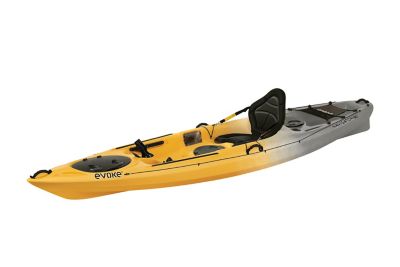
Adventure kayaks are made for getting out on the water and seeing more of the places you know from shore. Whether you’re planning quiet mornings on a farm pond, day trips across a broad lake, or easy runs along a slow-moving river, the right kayak can make the outing comfortable, steady, and simple to enjoy. These watercraft come in several styles, including sit-inside kayaks, sit-on-top kayaks, hybrid kayaks, inflatable kayaks, tandem kayaks, and models suited to fishing or light touring. A sit-inside kayak generally keeps your lower body more sheltered from wind and splashing water, making it a handy choice for cooler conditions and longer paddles. Sit-on-top kayaks offer an open layout that is easy to climb on and off, along with plenty of room to stretch, fish, or bring along a small amount of gear. Hybrid designs combine features from both styles and are often a practical fit for folks who want a stable platform that can handle casual paddling, photography, wildlife watching, and fishing. Inflatable kayaks are useful when storage space and transportation are limited, since they can be carried in a vehicle and packed away between trips. No matter the style, look for a hull and seating setup that match the water you expect to explore. Wider kayaks usually provide a reassuring feel for beginners and anglers, while narrower designs may track efficiently and glide more easily over distance. Weight capacity matters, too. Add up the paddler, clothing, cooler, tackle, dry bags, and any other equipment before choosing a model, and leave enough room so the kayak sits properly in the water.
A good adventure kayak should fit the way you spend time outdoors, not just look capable sitting in the garage. For relaxed recreational use, prioritize comfortable seating, dependable tracking, and enough storage for a lunch, extra layer, water bottle, and basic safety equipment. Anglers may appreciate an open cockpit, built-in rod holders, accessory mounting areas, and a stable deck that makes it easier to cast or reach for tackle. Touring paddlers often look for sealed compartments, adjustable foot braces, deck rigging, and a hull that moves smoothly without taking too much effort to keep on course. For family outings, a tandem kayak can let two people share the work and enjoy the scenery together, while a compact recreational kayak may be easier for one person to carry, launch, and store. Pay close attention to the seat because even a short paddle feels long when your back and legs are uncomfortable. Adjustable back support, padded seating, and footrests that fit your height can make a noticeable difference by the time you return to the ramp. Keep transportation in mind before making a choice. A heavier rigid kayak may need a roof rack, trailer, or a second set of hands, while a lighter or inflatable design can be more manageable for solo loading. Storage is another everyday consideration. Rigid kayaks need a protected spot out of direct sunlight and away from falling tools or equipment, while inflatables should be rinsed, dried completely, and stored loosely according to the care instructions. A paddle sized to your kayak and your reach, along with a properly fitted personal flotation device, belongs in every setup. Dry bags, paddle leashes, waterproof phone cases, and compact lighting can help keep important items secure when spray, wind, or fading daylight enters the picture.
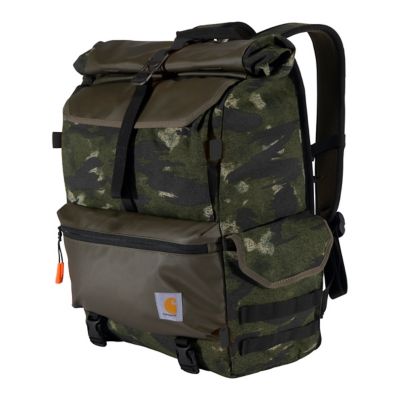
Adventure kayaks can be a thoughtful gift for a paddler, camper, angler, or outdoors-loving family member, especially when the recipient enjoys discovering quiet stretches of water close to home. They can also become a shared gift for a couple or household that likes spending weekends outside without a lot of complicated planning. Before choosing one for someone else, consider their experience level, height, strength, preferred water, and available storage. A stable recreational kayak is often a friendly starting point for a new paddler, while a more specialized fishing or touring setup may suit someone who already knows exactly how they like to spend time on the water. Pack the rest of the experience around the kayak with a paddle, approved flotation gear, dry storage, a bilge sponge or pump for appropriate sit-inside use, and a simple tie-down system for transport. Always check local boating rules, launch conditions, and weather before heading out, and wear a personal flotation device from the moment you leave shore until you return. Beginners should start in calm, shallow water and practice turning, stopping, getting in, and getting back out before traveling farther from land. During warmer days, early mornings can bring smooth water and softer light, while the cooler months call for extra attention to changing wind, cold water, layered clothing, and shorter daylight. A small compass, portable light, whistle, first-aid supplies, and a charged phone sealed in a waterproof case are sensible additions for longer trips. Bring along hydration and sun protection even when the air feels mild, and let someone know your route and expected return. For land-based travel to the water, a sturdy pack can keep snacks, layers, and personal gear organized alongside your boat; an
Adventure Backpacks option may be useful when the launch requires a walk from the vehicle. With the right fit, reliable equipment, and a little preparation, an adventure kayak can turn a familiar shoreline into a whole new way to spend the day.