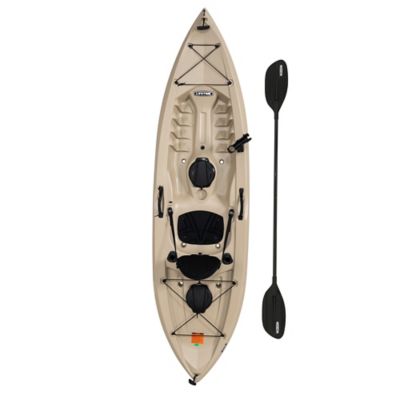
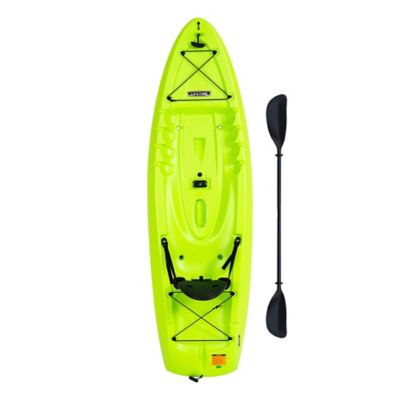
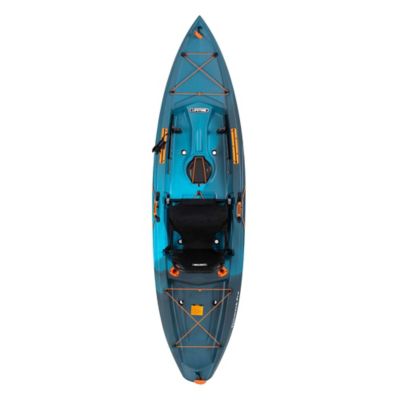
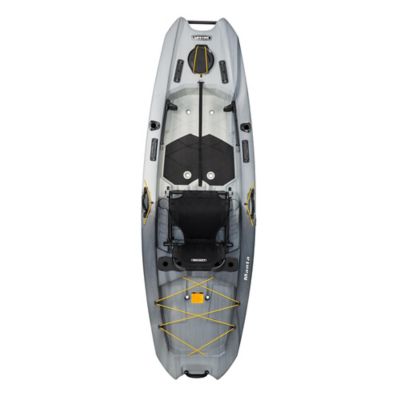
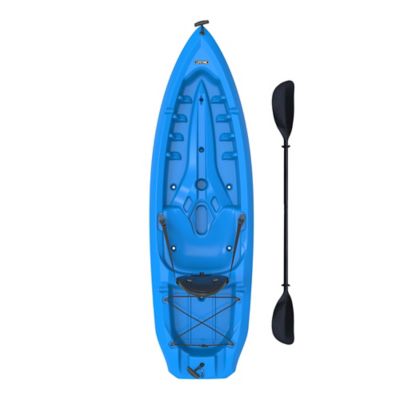
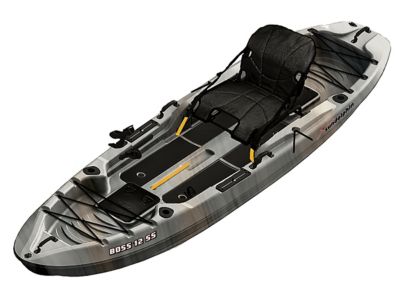
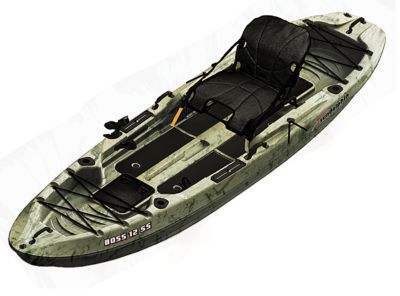
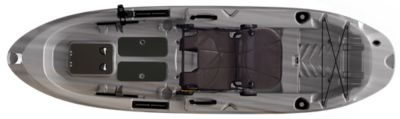
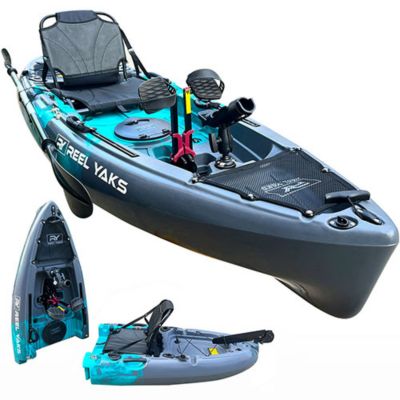
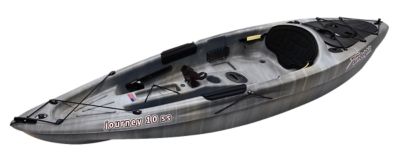
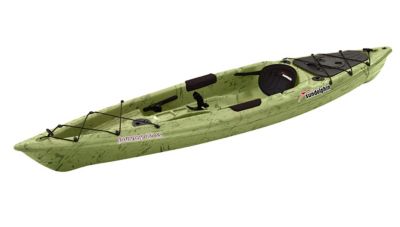
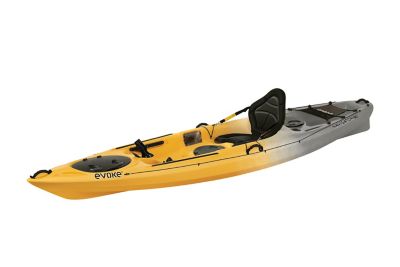
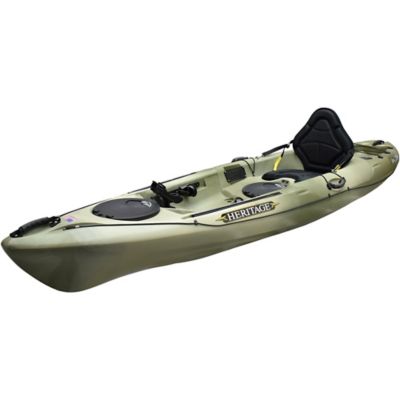
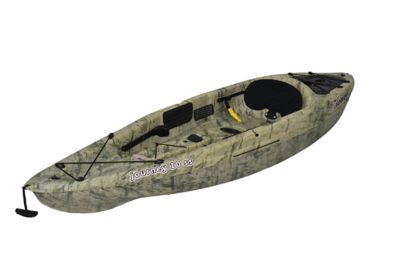
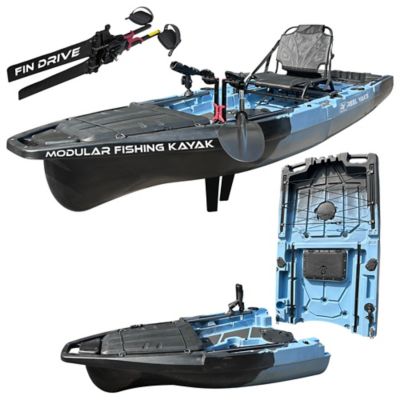
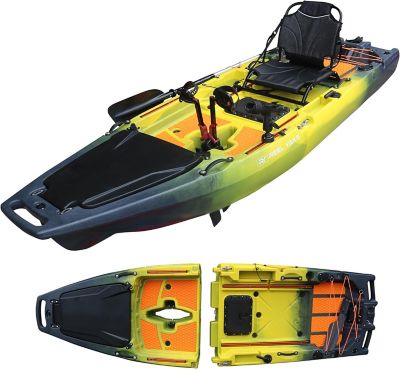
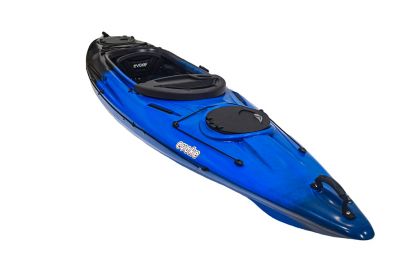
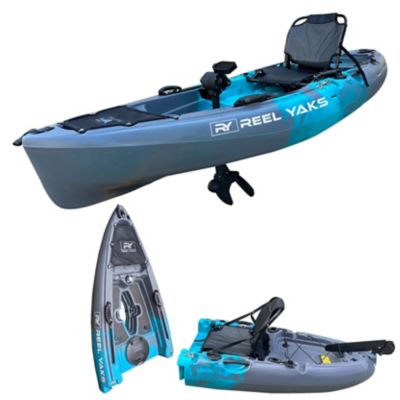
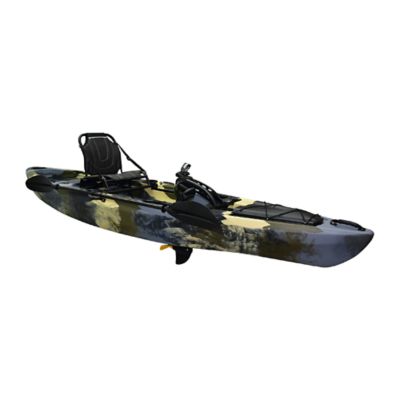
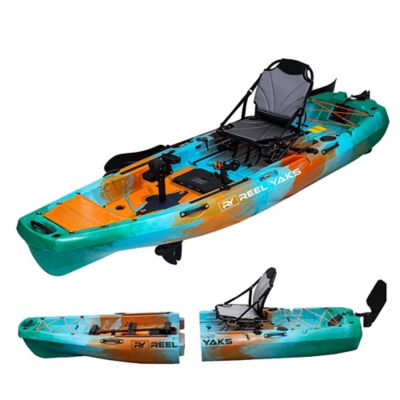
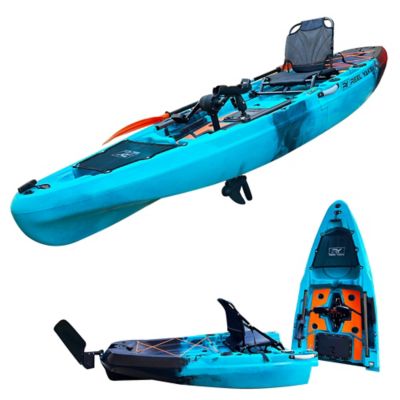
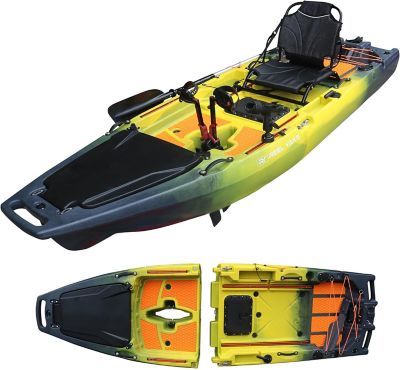
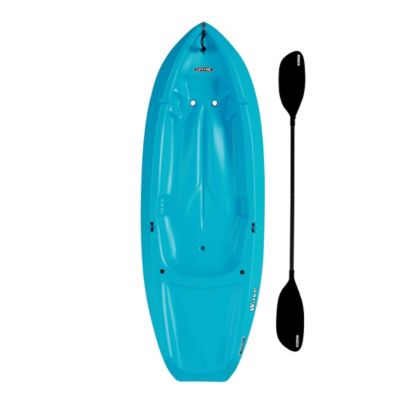
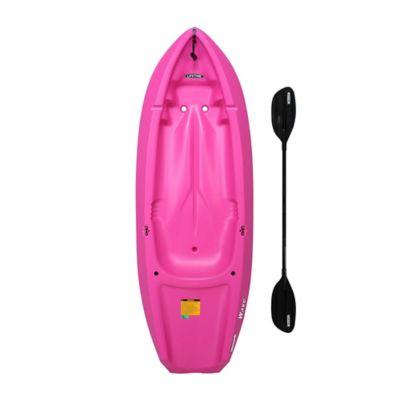
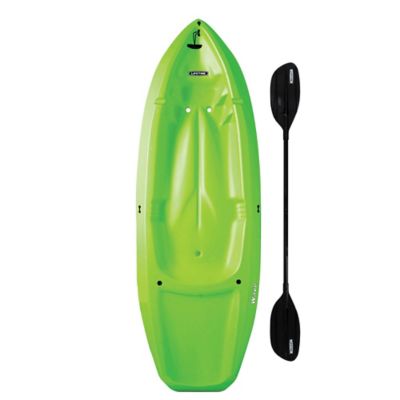
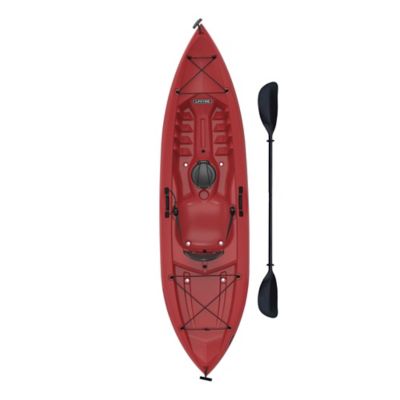
Fishing kayaks give anglers a compact boat built around casting, carrying tackle, and reaching water that can be hard to fish from shore. Compared with a general recreational kayak, a fishing-focused design often adds rod holders, accessible storage, attachment points, and a deck layout that keeps gear within reach. That can mean slipping along the edge of a farm pond, following a shoreline on a quiet lake, or working a slow-moving river where the launch is little more than a worn path to the water. Sit-on-top fishing kayaks have an open deck that makes getting in and out straightforward, while sit-inside designs place the paddler lower within a cockpit. Hybrid layouts blend features of kayaks and small open boats, so seating position and deck arrangement matter more than the label alone. Hull shape plays a big part in how the boat feels. A broad, flatter hull generally favors initial stability, while length, width, and hull profile together influence tracking, turning, and paddling effort. A shorter boat can be easier to maneuver around tight bends and carry along a narrow access trail; a longer design may hold a straighter course across a larger stretch of water. Width alone does not make a kayak suitable for standing, and standing casts belong only on boats expressly designed for that activity. Materials matter, too. Molded polyethylene is common in rigid fishing kayaks because it handles everyday bumps and contact with launch areas, though dragging any hull over gravel takes a toll. Inflatable designs may feature reinforced PVC, layered fabrics, or drop-stitch sections that become firm when inflated to the specified pressure. Construction, seams, valves, and hull protection all affect the demands a boat can handle. The right match starts with the places an angler actually fishes, not simply the number of accessories attached to the deck. A pond boat and a kayak intended for exposed coastal water face very different demands, even when both have rod holders and room for tackle.
Comfort and a practical fishing layout make a difference once a quick outing turns into several hours on the water. Seat support, usable legroom, and footrest adjustment all affect how naturally a paddler can sit, reach, and handle a fish beside the boat. An elevated seat can improve visibility and make seated casting easier, but it also raises the paddler’s center of gravity. A lower seating position changes that balance, so seat height belongs in the same conversation as hull stability rather than comfort alone. For taller anglers, generous legroom and adjustable foot supports can matter as much as overall boat length. Storage works best when it matches the tackle that actually comes along: a small box of pond lures calls for less space than several rods, a landing net, a cooler, and electronics. Recessed trays, rear cargo wells, covered hatches, and gear tracks serve different jobs, and a hatch should not be assumed watertight unless the manufacturer says so. Rod holders positioned behind the seat can keep spare rods out of the casting area, while a forward holder may suit an angler tending a line between paddle strokes. Paddle-powered fishing kayaks keep the propulsion setup straightforward and leave fewer mechanical parts to maintain. Pedal-drive designs let anglers move while keeping their hands free more often, although drive clearance, shallow-water operation, and reverse capability vary. Motor-compatible kayaks require attention to approved mounting points, battery placement, electrical connections, and any registration rules that apply. Capacity deserves just as much attention as propulsion. The relevant load includes the angler, tackle, drinking water, safety equipment, and any battery or drive components counted under the manufacturer’s rating. Published capacity figures do not all mean the same thing, so the stated definition matters. A boat loaded close to its limit can sit lower and respond differently, even if everything technically fits. Keeping frequently reached gear close to the seat and heavier loads balanced helps preserve a clear working area without turning every lure change into a stretch across the deck.
Getting a fishing kayak from the shed to the launch is part of owning it, and carrying weight can be just as important as weight capacity. Hull weight and fully outfitted weight may differ considerably once a seat, pedal drive, battery, or other equipment is attached. Carry handles help with lifting, but their placement, the boat’s width, and the distance to the water all affect whether one person can manage the trip comfortably. A kayak cart can take some of the work out of a longer approach, provided its support points suit the hull. Transportation also needs a proper rack, trailer, or truck-bed arrangement, with the boat secured according to the kayak and vehicle equipment instructions. For anglers with limited shed space or a smaller vehicle, an
Inflatable Fishing Kayak offers a different storage and transport arrangement, with setup, inflation, drying, and packing as part of each outing. Rigid and inflatable boats both benefit from simple, consistent care. Rinsing away grit, mud, and salt helps protect hull surfaces and fittings; pedal mechanisms, metal hardware, and electrical connections may need additional attention according to their care instructions. Inflatable chambers should be clean and fully dry before packing, while rigid hulls need storage support that does not put prolonged pressure on a small section of the boat. Checking handles, straps, drain plugs, hatch seals, and attachment points helps catch wear before it interferes with a fishing trip. These boats can suit bank anglers ready to reach farther, experienced paddlers building a fishing setup, or a family member who enjoys quiet hours with a rod in hand. As a gift, fit and transport needs deserve more thought than an extra accessory. Room for a properly fitted personal flotation device, a secured paddle, and essential safety gear should always be part of the setup. With seating, handling, storage, and upkeep matched to the angler, a fishing kayak becomes a practical way to spend more of the outing fishing and less of it wrestling with gear.