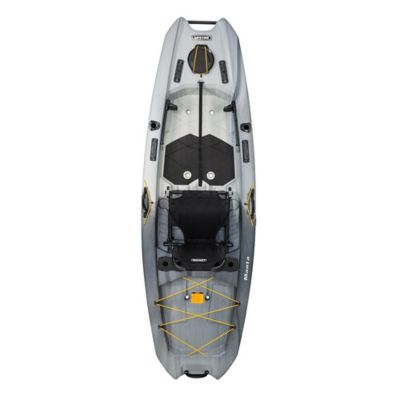
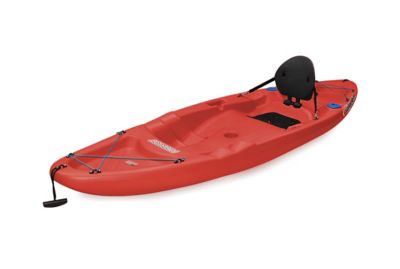
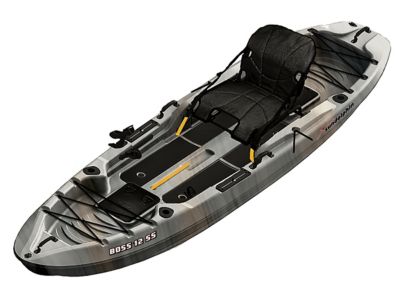
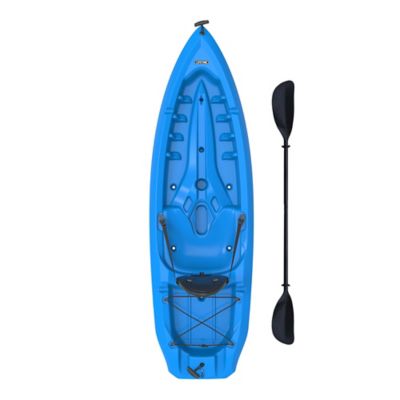
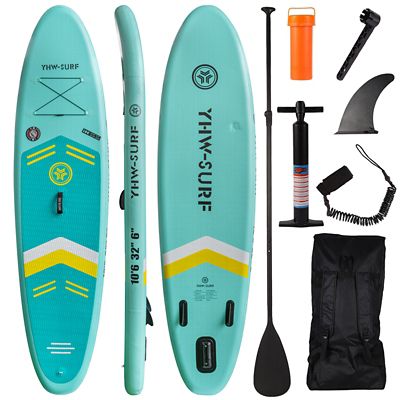
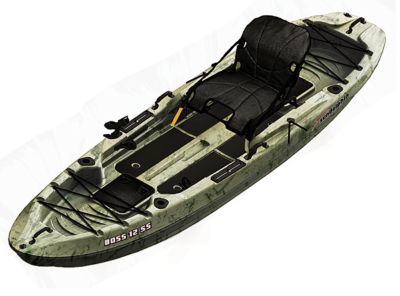
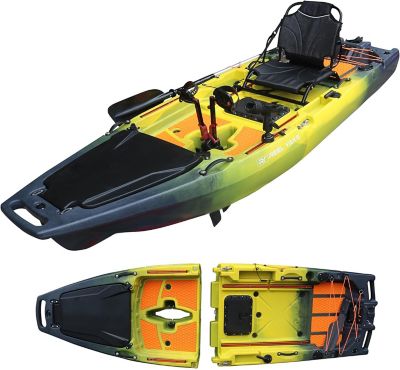
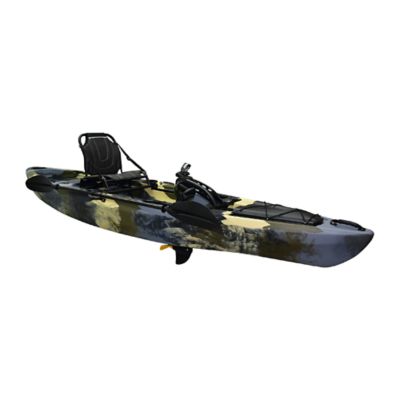
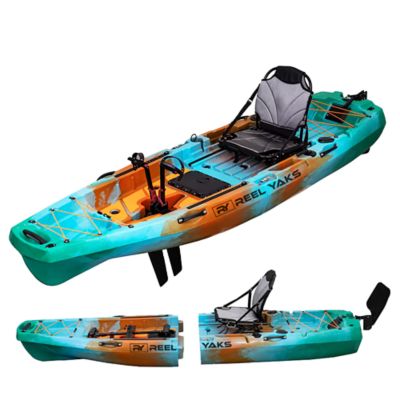
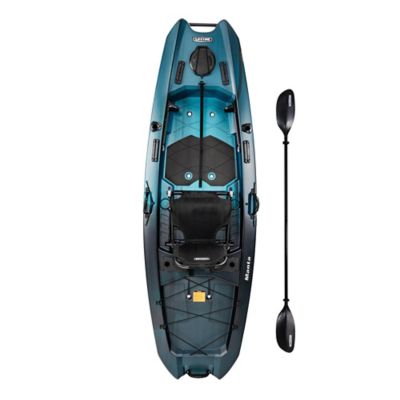
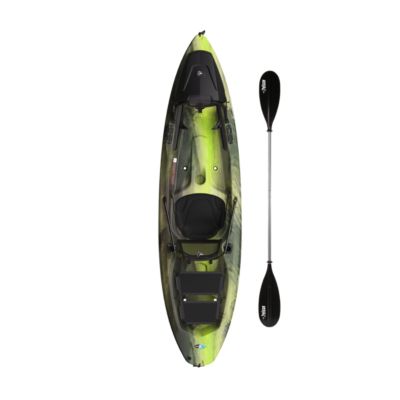
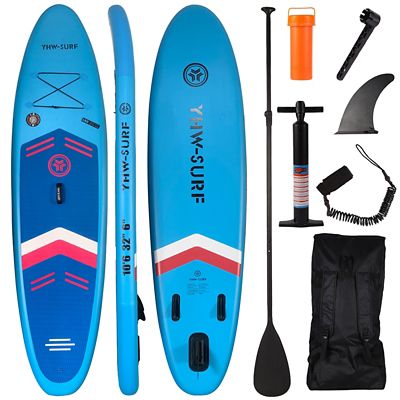
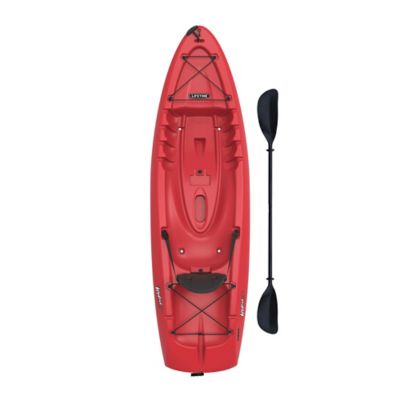
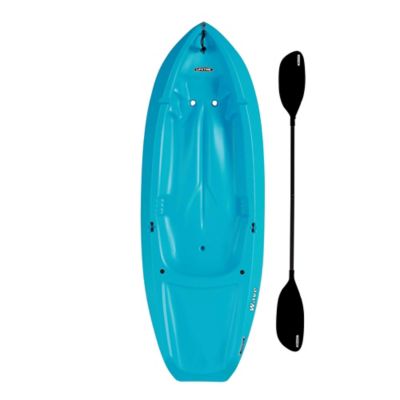
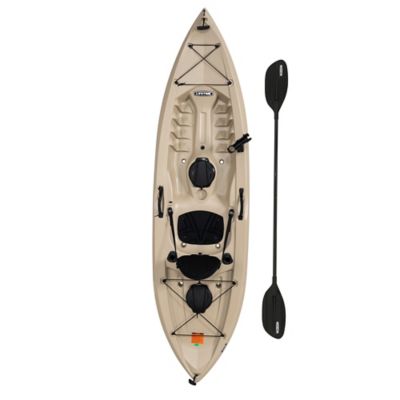
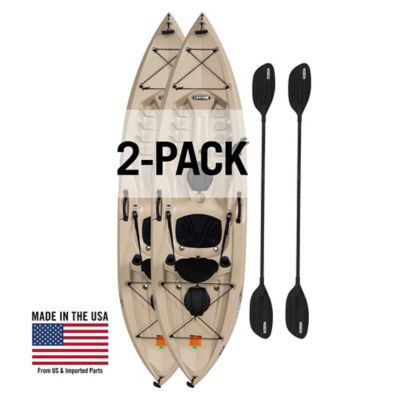
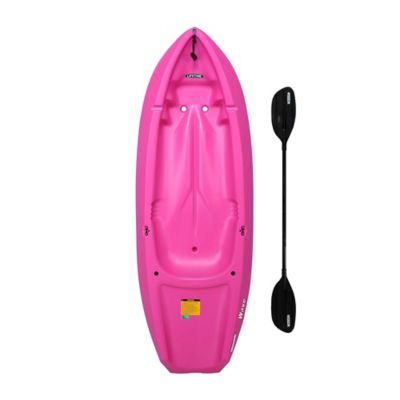
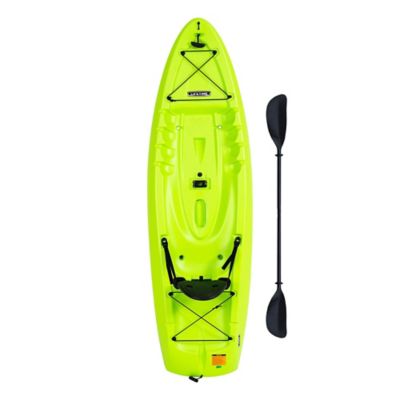
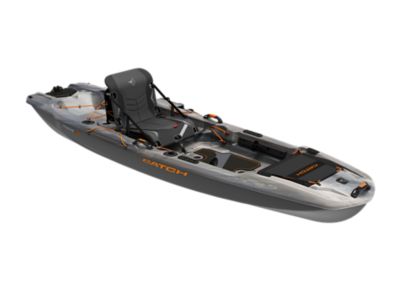
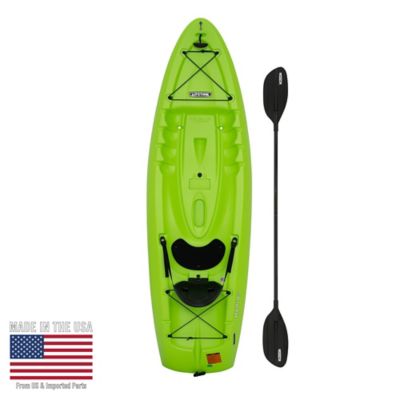
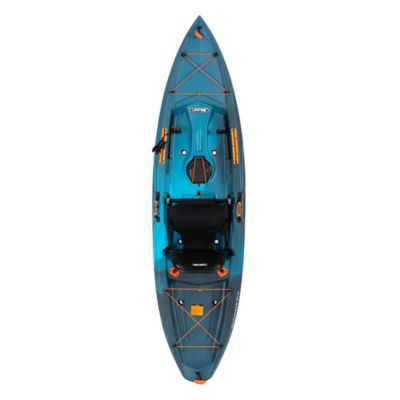
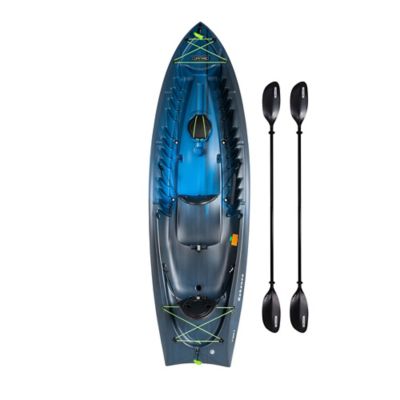
Standing kayaks are made for paddlers who want a steady, open platform with room to shift their feet, cast a line or take in the view from a higher vantage point. Unlike narrow recreational kayaks built mainly for seated paddling, these sit-on-top style watercraft typically have a broad, flat hull and an uncluttered deck that helps support a standing position. Many are around 35 inches wide or more, though the right width depends on the hull design, your body size and how you plan to use the kayak. A wider hull can feel reassuring for fishing, wildlife watching and relaxed shoreline exploring, while a more compact design may be easier to carry and load. When comparing standing kayaks, look for a stable shape, generous weight capacity and a deck layout that gives you room to move without stepping on loose gear. Non-slip EVA foam padding is useful underfoot because it adds traction and can help soften the sound of shifting around, which matters when you are sneaking along a quiet bank or easing into a fishing spot. Raised or adjustable seating is another handy feature, making it easier to change from sitting to standing without an awkward climb. Depending on the setup, you may also find molded footrests, adjustable foot braces, paddle holders, accessory mounts, tank wells and sealed storage compartments. Think about the water you visit most often, too. A calm farm pond, slow river or sheltered lake calls for different priorities than open, windy water where tracking, drainage and extra stability become even more important. Check the kayak’s maximum capacity, then account for your clothing, tackle, cooler, safety gear and anything else you expect to bring along. A little extra capacity can make the ride more comfortable and help the kayak sit properly in the water.
Standing kayaks can suit anglers, hunters, photographers, campers and anyone who enjoys a quiet day on the water without being boxed into a seated position. An angler can stand to improve visibility while casting toward a weed line, dock or brushy shoreline, then settle into the seat when it is time to paddle across the lake. A photographer may appreciate the open deck and elevated view for spotting birds or framing a sunrise over the water. Families often choose stable recreational designs for easygoing outings, while experienced paddlers may look for features that support longer trips, such as better seating, more efficient tracking and room for dry bags. These kayaks can also make thoughtful gifts for a fishing partner, outdoorsy parent or friend who spends warm days at the lake and cooler days planning the next trip. Before giving one as a gift, consider the recipient’s storage space, vehicle setup and comfort with transporting a larger watercraft. Kayaks vary in length and weight, and a model that is easy for one person to carry may be a chore for another. Handles at the bow and stern, side carry handles or a compatible cart can make a real difference between a quick launch and a tiring haul from the truck to the shoreline. For home storage, keep the hull supported along its length rather than resting it on a hard edge, and protect it from unnecessary sun and weather when it is not in use. If you need another option for organizing watercraft between outings, browse
Storage Kayaks for ideas that can help keep your gear off the ground and ready for the next adventure. During the cooler months, a covered storage spot also helps keep leaves, ice and standing water from collecting in places that are hard to dry.
Standing takes practice, even in a very stable kayak. Start in calm, shallow water away from boat traffic, strong current and sudden wind, and wear a properly fitted personal flotation device from the moment you launch. Keep your paddle within reach, leave heavy items secured and low in the hull, and avoid loading gear high on the deck where it can raise the center of gravity. To rise from the seat, place both feet firmly on the deck, keep your weight centered and use a controlled movement rather than pulling hard on a side handle or nearby accessory. Once upright, bend your knees slightly, keep your feet comfortably apart and align your head and shoulders over the middle of the hull. Looking toward the horizon can help you stay balanced better than staring straight down at your feet. Small movements are easier to manage than sudden turns, and returning to the seat is usually safest when you lower yourself slowly while keeping your weight centered. Always check local boating rules, weather conditions and water temperature before heading out, especially during the transition into cooler weather when a calm shoreline can still hide cold water and changing wind. A whistle, phone in a waterproof case, light, first-aid supplies and a way to secure your paddle are sensible additions for many trips. Rinse the kayak after use, allow the deck and storage areas to dry, and inspect handles, straps, drain plugs and seat hardware before the next outing. With the right fit, a stable hull and practical storage, standing kayaks offer a comfortable way to fish, explore and spend unhurried time outdoors.