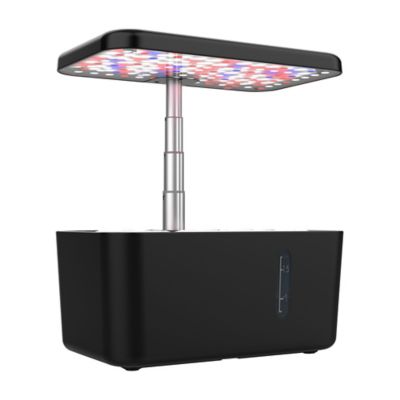
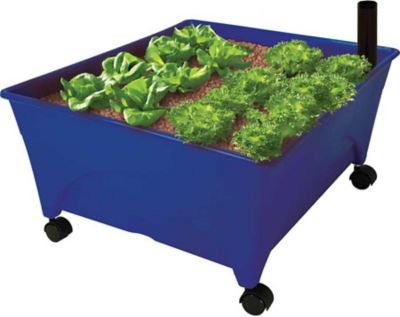
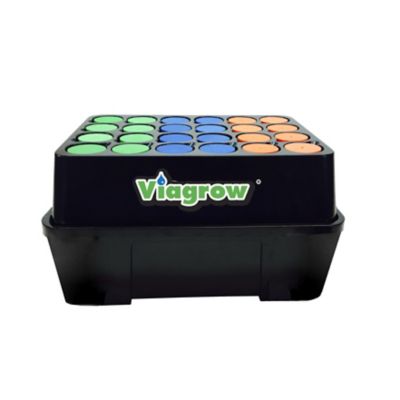
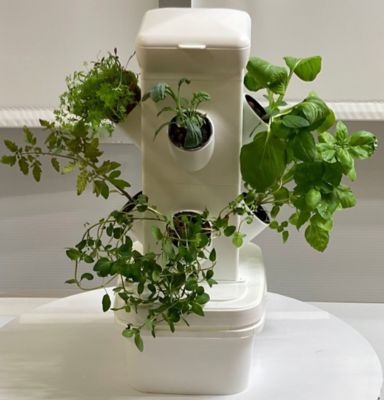
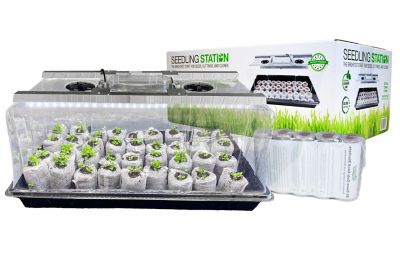
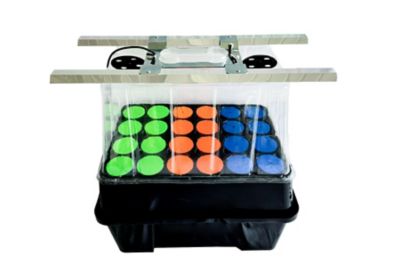
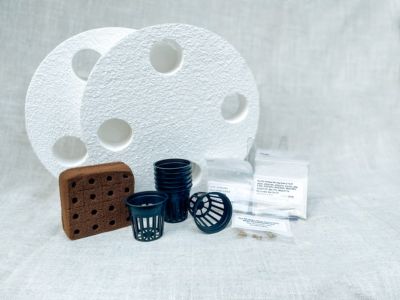
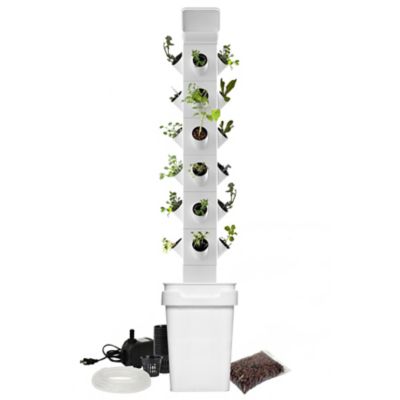
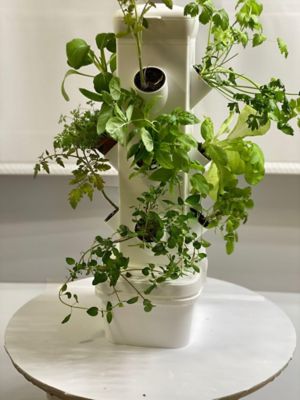
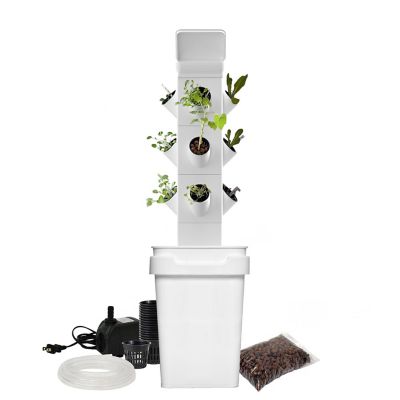
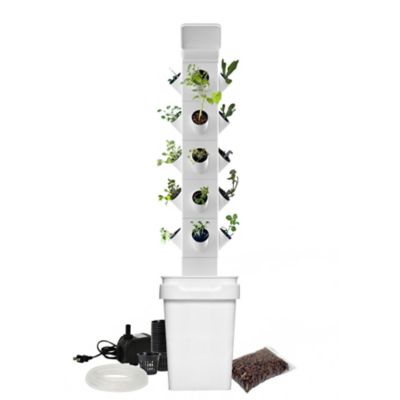
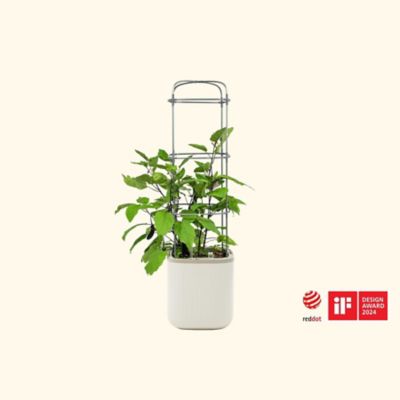
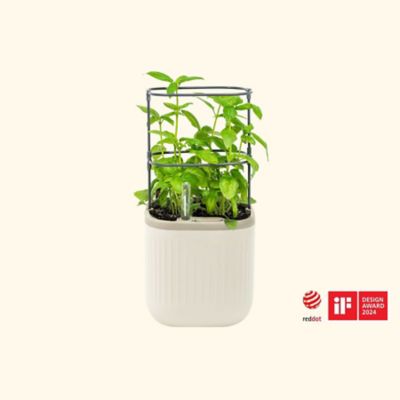
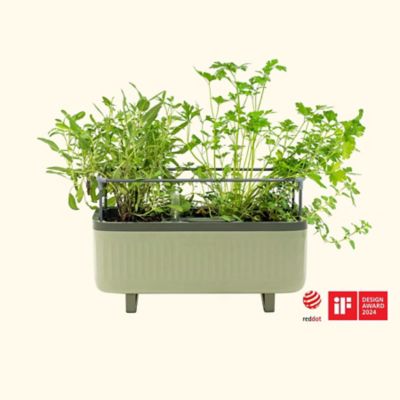
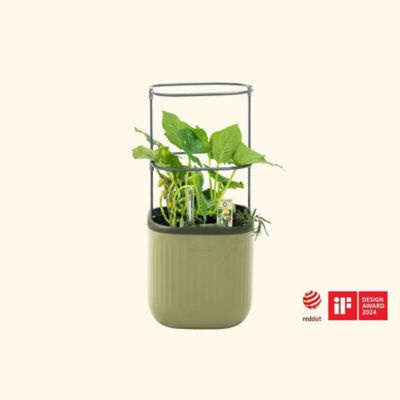
Indoor hydroponic garden systems make it possible to grow fresh herbs, leafy greens, vegetables and flowers inside, even when outdoor beds are resting for the season. Instead of relying on garden soil, these systems deliver water and nutrients directly to plant roots, while built-in or included LED grow lights provide the steady light plants need in a kitchen, laundry room, mudroom, office or other indoor space. That makes hydroponic growing a handy choice for folks who enjoy gardening but have limited yard space, poor outdoor soil, busy schedules or long stretches of cold weather. A compact countertop setup can tuck beside the coffee maker or near a sunny window, while a larger vertical system may provide more growing room without taking up much floor space. Many systems are designed for leafy greens and herbs such as lettuce, kale, basil, parsley, cilantro and mint, while larger setups may support fruiting or vining plants when they have enough height, light and root space. During the cooler months, an indoor garden can keep a little patch of green growing near the heart of the home, with fresh snips ready for soup, roasted vegetables, sandwiches or a warm bowl of pasta. For anyone comparing indoor hydroponic garden systems, start with the space available, the kinds of plants you hope to grow and how much daily attention you want to give the garden. Measuring the intended spot before shopping helps prevent surprises, especially when considering the system’s height, light clearance, water reservoir and access for planting and harvesting.
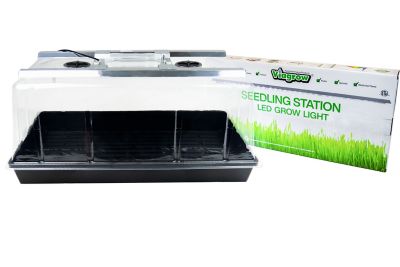
The right size depends on more than the number of plants listed on the package. Think about how much produce your household can use while it is at its freshest, and leave enough room around the garden to refill water, check the roots, trim plants and wipe away spills. Countertop systems are a good fit for cooks, apartment dwellers, first-time growers and families who want a simple way to watch plants develop from seedling to harvest. A floor-standing or vertical garden may be better for households that want a larger selection of greens or a steadier supply of herbs, especially when floor space is available but a wide planting bed is not. Light coverage matters, too. LED grow lights should reach all of the growing areas evenly, and adjustable lights can be useful as plants gain height. Timers or automated lighting take some guesswork out of the routine by keeping the light cycle consistent, while smart controls and app-connected features may let growers monitor lighting, water levels and reminders from a phone. These extras can be helpful for someone who travels, works long hours or simply prefers a set-it-and-check-it routine, though a straightforward system may suit a hands-on gardener just fine. Also look at reservoir capacity, noise level, replacement growing supplies, nutrient requirements and how easy the parts are to clean. A well-designed system should make regular care feel manageable rather than fussy. Keeping pruning shears, seed pods or growing media, plant nutrients and a small towel nearby can make the daily check as natural as watering a houseplant. For a closer look at highly regarded options, browse the
Top Rated Hydroponic System selection.
An indoor hydroponic garden system can also make a thoughtful gift for a new homeowner, a college student with a kitchen corner to spare, a busy parent who likes fresh cooking ingredients or a seasoned gardener waiting for outdoor planting weather. It is the kind of gift that keeps changing over time: first there may be tiny sprouts, then a row of fragrant herbs, followed by the satisfaction of cutting just enough greens for dinner. Children can enjoy checking roots and measuring growth, making a hydroponic garden a hands-on way to see how plants use water, light and nutrients. Experienced gardeners may use an indoor system to start seedlings, keep favorite herbs going through cold weather or experiment with crops that do not always thrive in the local soil. When choosing a setup for someone else, consider their available space, comfort with technology and cooking habits. A person who reaches for fresh herbs every day may appreciate quick access to basil, dill or chives, while someone who enjoys salads may prefer room for several kinds of leafy greens. For homes with pets or small children, place the garden on a stable surface where cords, nutrient solution and plant leaves can be kept safely out of reach. It is also wise to choose a location away from wood floors or valuable surfaces in case of splashes during refilling. With regular light, clean water, proper nutrients and occasional pruning, indoor hydroponic garden systems can provide a dependable growing space through changing seasons. As the weather warms, some growers move seedlings or young plants outdoors when conditions are suitable, while others keep the indoor garden producing herbs and greens year-round. Whether used to supplement a backyard garden, bring life to a quiet corner or add fresh flavor to everyday meals, these systems offer a practical way to enjoy the rewards of growing without needing a traditional plot of land.