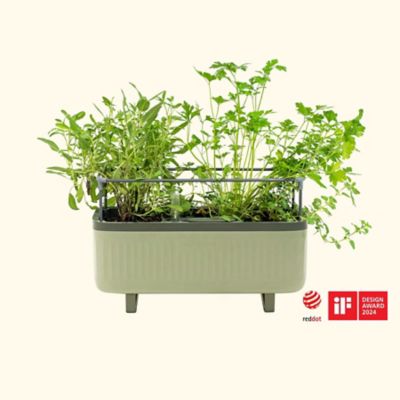
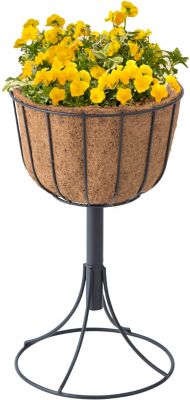
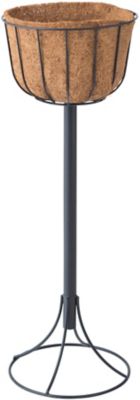
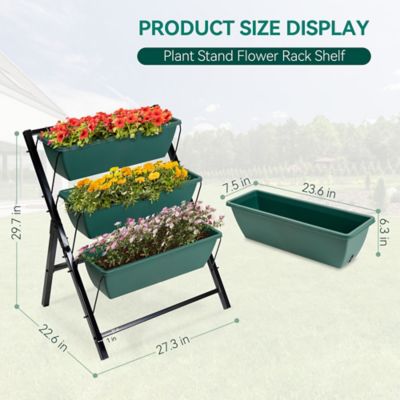
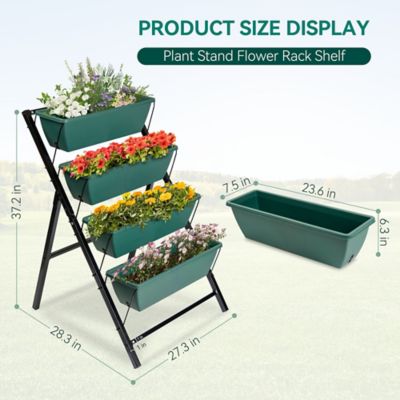
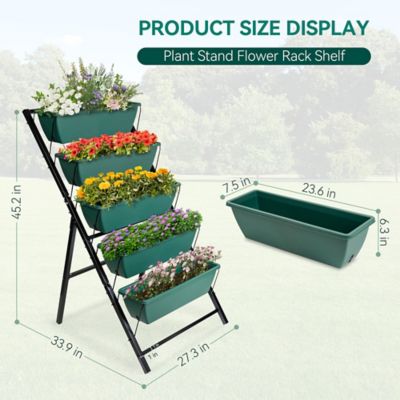
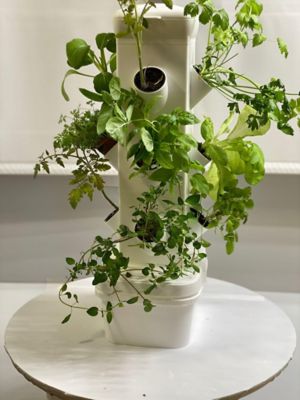
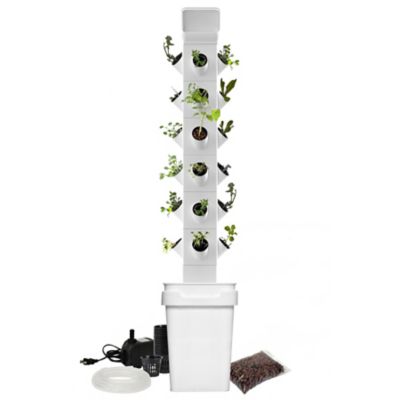
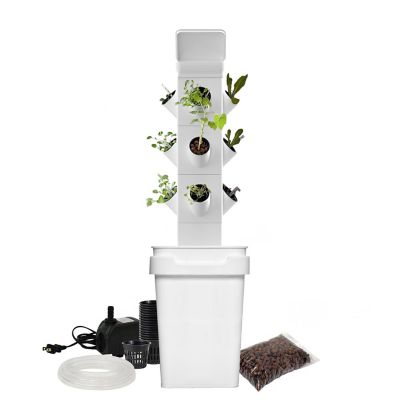
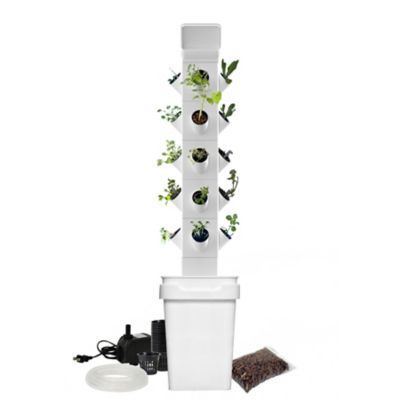
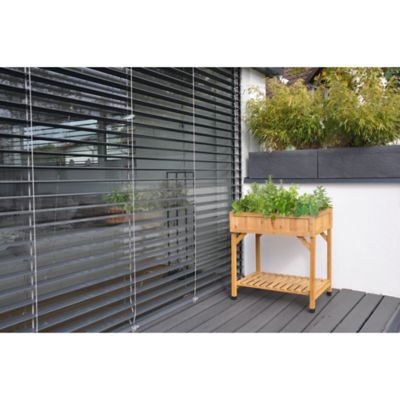
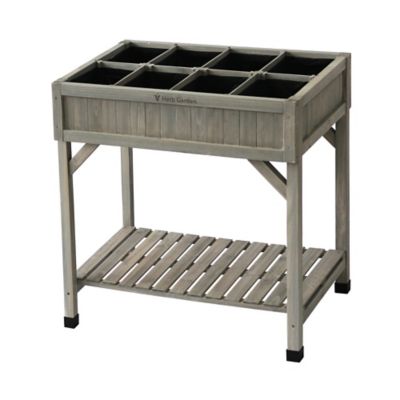
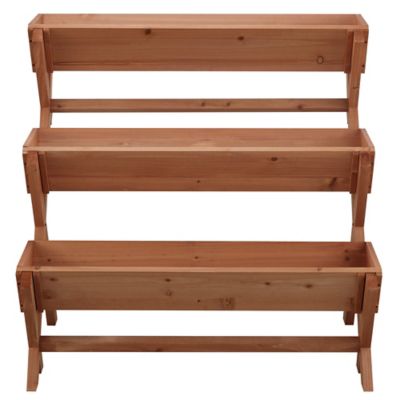
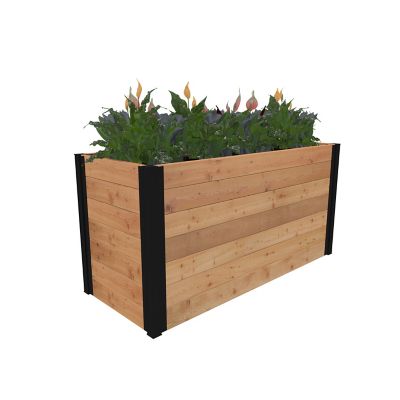
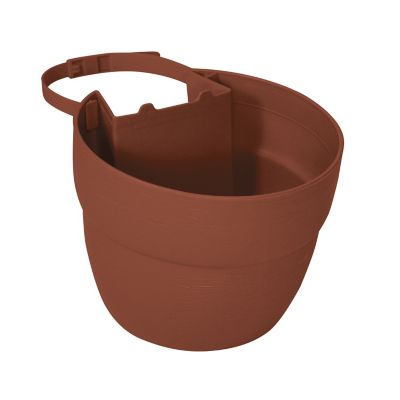
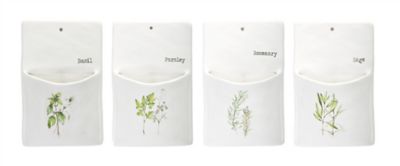
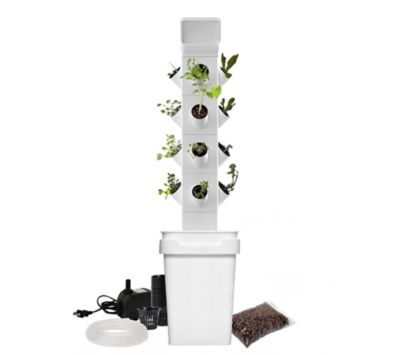
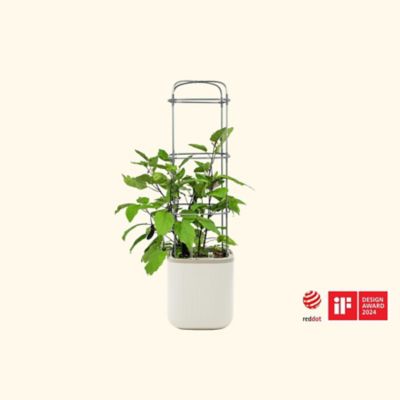
Vertical herb garden planters hold herbs in stacked tiers, wall-mounted pockets, or upright frames, creating growing room without taking over the ground. They make the most of a small footprint on a porch, patio, balcony, or bright spot indoors while keeping fresh leaves within easy reach. A few sprigs of thyme for a pot of beans or a handful of basil for supper can be close to the kitchen instead of across the yard. The right layout depends on both the space and the plants. Freestanding towers gather several planting areas around a central support, ladder-style designs arrange containers at different heights, and wall-mounted styles leave the floor open beneath them. Some arrangements have individual pots that lift out, making it easier to bring a plant to the sink or replace one without disturbing the rest. Others have connected planting troughs that give roots a continuous stretch of soil. Container depth matters as much as the number of planting spaces: a tall frame with shallow pockets may suit compact herbs better than plants that develop larger root systems. Basil, parsley, chives, thyme, and oregano bring different shapes and growth habits to an upright garden, so enough space between tiers helps keep one plant from covering another. Mint deserves its own contained root space because it spreads readily. Larger, woody herbs need containers that can support their roots and developing weight. Light is another practical consideration, especially near a porch roof or kitchen wall. Many common culinary herbs grow best with at least six hours of direct sunlight daily, although requirements vary by plant. An indoor arrangement may need a grow light rather than relying on a nearby window alone. For someone tending a first herb garden, a manageable number of well-spaced planting compartments often makes more sense than a crowded tower with more plants than the household can tend or harvest.
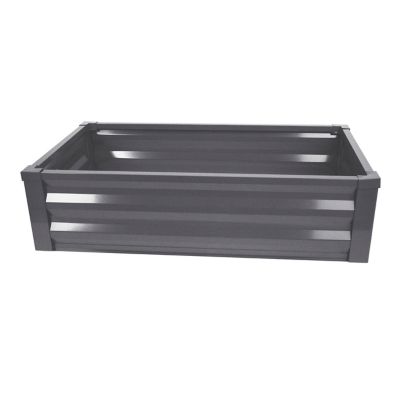
Materials affect a vertical planter’s weight, upkeep, and suitability for its spot. Wood brings a familiar garden look and may have replaceable boards or liners, depending on the construction. Any finish or liner should be appropriate for the intended growing use, particularly when the containers hold edible plants. Metal frames can provide a slim profile around planting pockets or removable pots, while coated surfaces need occasional checks for scratches and exposed steel. Upright frames can also coordinate with
Metal Garden Planters when herbs share the porch with larger container plants. Plastic and resin components are often lighter to handle, though the thickness of the walls, strength of the joints, and support beneath each container still matter. Fabric pockets allow air and moisture to move through their sides, which can mean closer attention to watering and protection for the surface behind them. Whatever the material, the full planting weight deserves a hard look. Potting mix, plants, and water add considerably more weight than the empty frame suggests. A wall-mounted planter needs fasteners suited to the wall’s construction and the manufacturer’s stated load limits; siding or thin paneling alone may not provide enough support. Freestanding designs need a level base, and tall units may require an anchor even when they feel steady empty. A clear path beside the planter matters, too, especially where folks carry groceries, feed buckets, or laundry baskets through the same doorway. Drainage is just as important as support. Openings should let excess water escape without sending it across a walking surface or against an unprotected wall. Indoor arrangements generally need a watertight catch system that can be emptied and cleaned. Connected tiers may pass runoff from upper plants into lower containers, so their watering pattern should suit the herbs sharing that system. Separate pots with independent drainage offer more control when plants have different moisture needs. Enough clearance beneath each tier also leaves room to inspect drainage holes and remove a container without scraping the leaves above it.
An easy-to-tend vertical herb garden puts everyday tasks within comfortable reach. The highest planting pocket should be accessible for watering and harvesting without balancing on a chair, while lower containers should leave room for hands, tools, and a watering-can spout. For gardeners who find repeated bending uncomfortable, a raised arrangement can bring some chores closer to waist height, though the overall frame height and reach still need to fit the person tending it. A small watering can with a narrow spout helps direct water toward the potting mix instead of soaking the leaves or spilling down the front. Containers at different heights may not dry at the same pace, so checking each planting area is more useful than assuming the entire tower needs the same amount of water. A container potting mix generally leaves more air around roots than soil dug from the yard, which can compact in a confined space. Removable liners, accessible trays, and smooth surfaces make routine cleanup less of a chore. Soil caught in corners, blocked drain openings, and standing water in saucers are worth addressing before they lead to root trouble or stained surfaces. Plant labels help keep similar-looking herbs straight, especially when several people pick from the same garden. Regular clipping can encourage branching in many culinary herbs, while enough room around each plant makes it easier to spot damaged leaves and check for pests. The best fit is a planter that matches the household’s habits: a compact arrangement for someone who snips chives over eggs, a broader set of compartments for a cook who reaches for several herbs, or an accessible setup for a gardener working with limited ground space. Vertical herb planters can also make a thoughtful gift for a home cook or a friend settling into a place with a small porch. Matching the planter to their light, reach, and available floor or wall space gives it a useful place in daily life, not just a spot to sit.