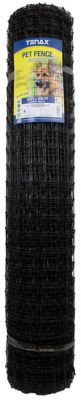
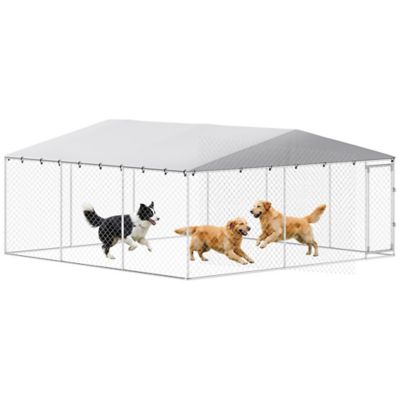
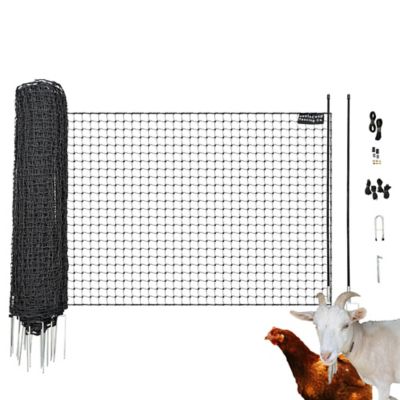
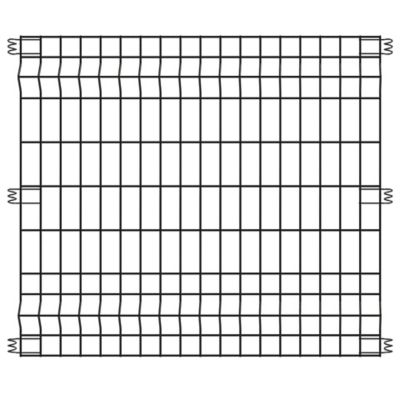
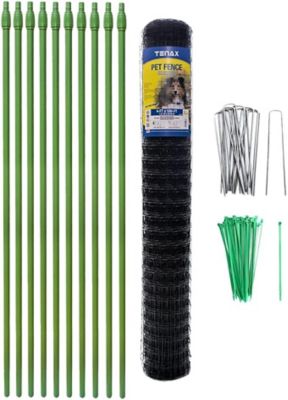
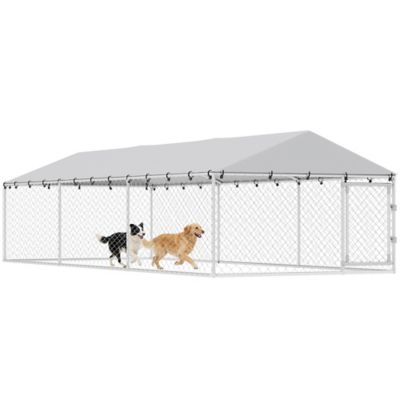
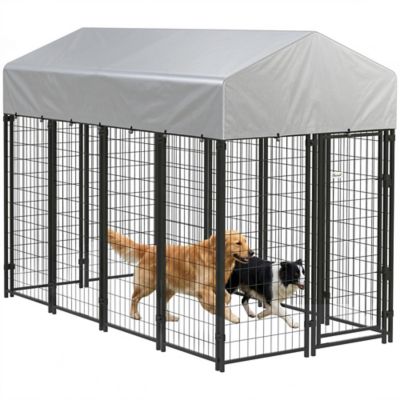
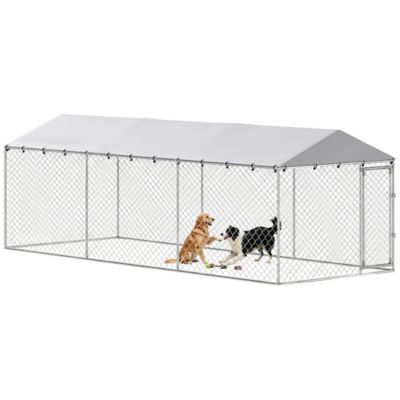
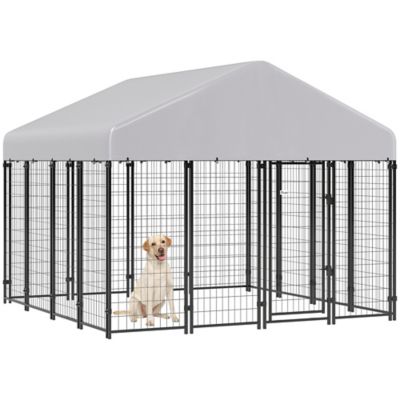
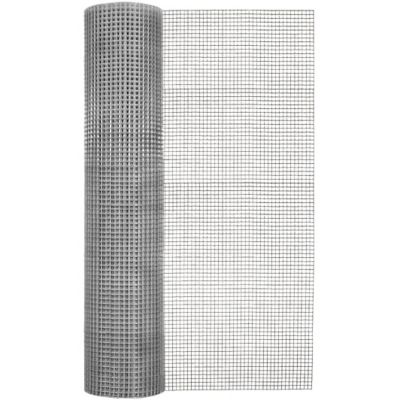
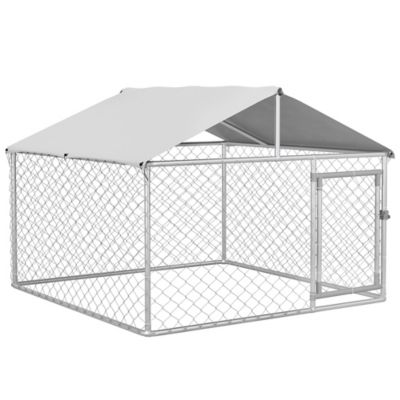
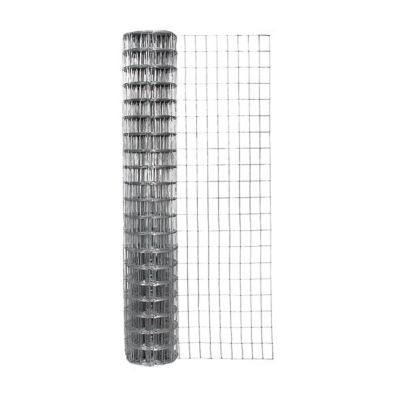
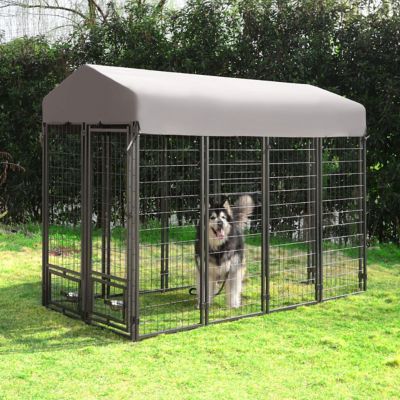
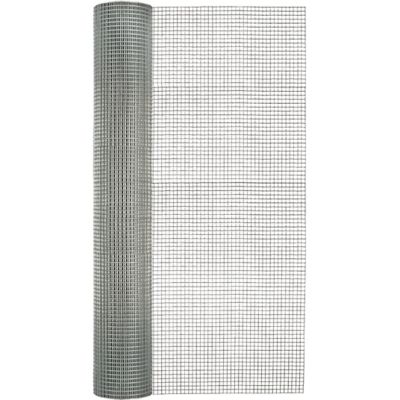
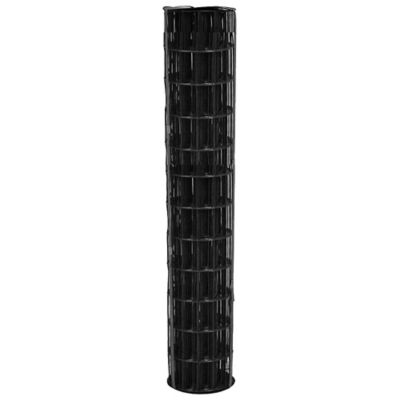
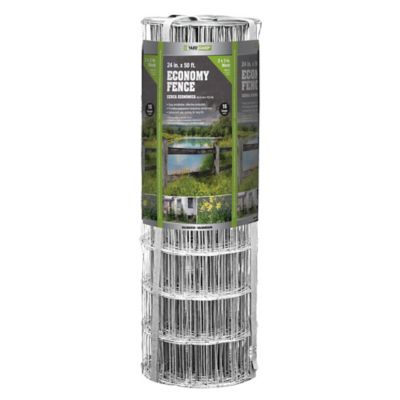
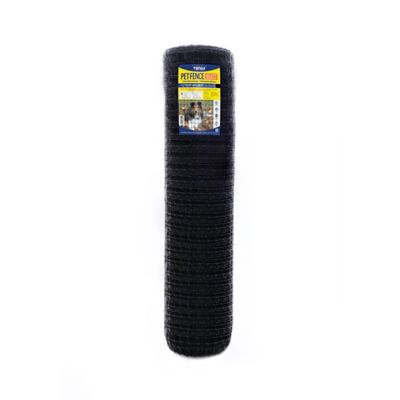
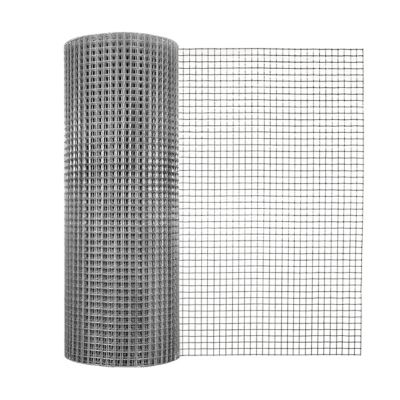
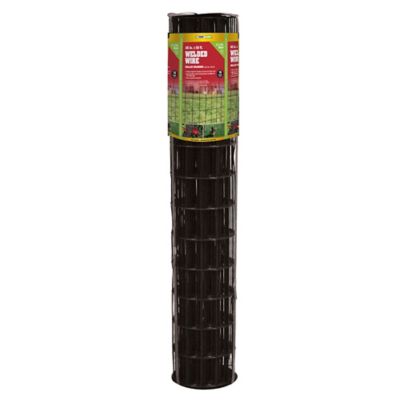
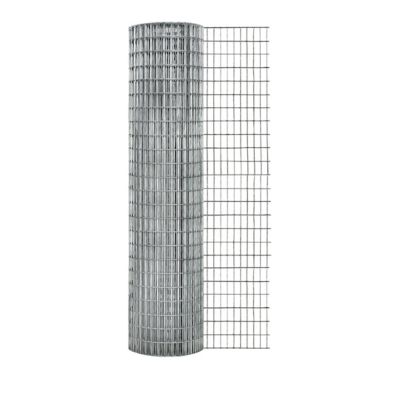
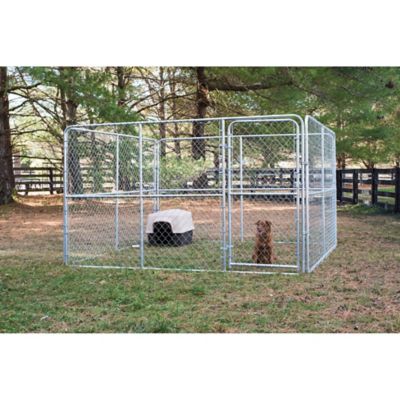
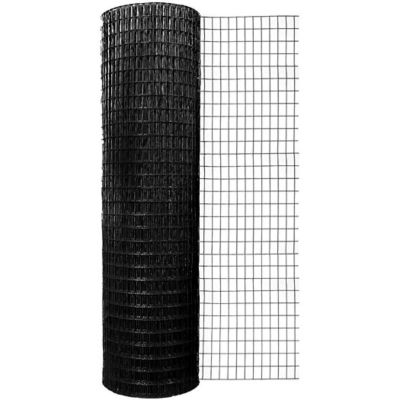
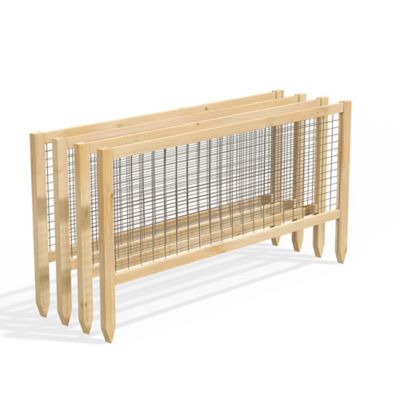
Dog run fencing creates a defined outdoor space where a dog can move around while staying separated from driveways, garden beds, livestock areas, and other places that need a boundary. The right fencing depends on the dog’s size, strength, energy level, and habits, along with the space available for the run. A small companion dog needs openings that keep its head and body inside, while a large, strong dog needs a structure that can handle leaning and pushing without opening gaps. Jumpers, climbers, diggers, and determined chewers bring different challenges, so fence height alone does not tell the whole story. Chain-link fencing offers an open view and a physical boundary, with interwoven steel wire supported by posts or panel frames. Welded-wire fencing has intersecting wires joined at each crossing, creating a grid whose strength depends on wire thickness, opening size, weld construction, and support. Framed kennel panels can define a separate enclosure, while fencing installed on posts can suit longer runs or layouts along part of a yard. Galvanized steel has a zinc coating that helps resist rust, and coated wire adds another surface layer that needs attention if a dog scratches or chews it. Material choice also affects visibility: an open mesh lets a dog watch the yard, but that same view can keep an easily excited dog focused on passing animals or activity along a nearby lane. Any screening needs to be compatible with the fence structure and securely attached. For a family dog that likes to stretch out near the house, the priorities may be comfortable space and an easy-to-reach gate. For a busy farm dog taking a break from chores, separation from equipment traffic and livestock may matter more. In either setting, dog run fencing works best as part of an everyday routine that includes supervision, exercise, and time with people, rather than as a substitute for them.
Fit starts with the whole enclosure, not just the length of fencing. A run needs enough usable room for the dog to turn, walk, and settle down without squeezing between a gate, a water bowl, and a resting spot. Space requirements vary with the dog and the amount of time spent inside, and a narrow strip beside a building serves a different purpose from a larger exercise enclosure. The ground beneath the run matters, too. Uneven ground can leave gaps under otherwise well-aligned panels, and a gate that clears a high spot may leave too much room underneath elsewhere. Mesh openings and gate clearances should keep the dog from slipping through or trapping its head or paws. Puppies may need closer spacing than adult dogs, and a growing dog’s eventual size belongs in the decision. Fence height should reflect known jumping ability, while mesh pattern and nearby objects deserve attention for dogs that climb. A box or raised resting platform close to the fence can become a step toward the top. Digging calls for a separate look at the bottom edge; compatible ground barriers or properly installed perimeter aprons can address access beneath the fence, but exposed wire ends and sharp edges have no place where paws travel. Posts, braces, clamps, and connections all contribute to the finished enclosure’s strength, so matching components and following installation requirements matter as much as choosing the fencing material. Gates should fit the opening, swing without dragging, and close with a latch the dog cannot easily nudge or lift. A latch that is simple to check helps when someone is carrying feed or leading a dog back from a walk. For households with frequent foot traffic, a separate entry space with two gates can reduce the chance of a dog slipping past an open entrance. Property lines, underground utilities, local rules, and rental restrictions also affect where permanent fencing can go.
Day-to-day care helps dog run fencing keep its shape and makes small trouble spots easier to catch before they become escape routes. A regular walk around the perimeter can reveal loose connections, bent mesh, lifted bottom edges, or a gate that no longer lines up with its latch. Particular attention belongs at corners and entrances, where a dog may pace, paw, or push repeatedly. Cut wire ends, damaged coating, rusted connections, and broken welds call for prompt attention, with repairs suited to the original fence construction. Cleaning around the base keeps waste and debris from collecting against the wire and leaves a clearer view of the ground underneath. The surface inside the run should support comfortable footing and practical cleanup, with drainage that keeps water from pooling around resting areas. Gravel, soil, concrete, and other surfaces each have tradeoffs for paws, digging, and maintenance; none replaces regular waste removal or a comfortable place to rest. The location should also allow someone to see and reach the dog without crossing an equipment path or entering a livestock pen. A dog that repeatedly charges the fence, climbs, or digs may need a different enclosure arrangement and help addressing the behavior, rather than simply a taller boundary. For shoppers comparing containment methods,
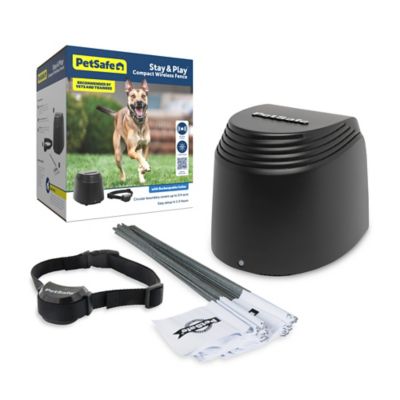
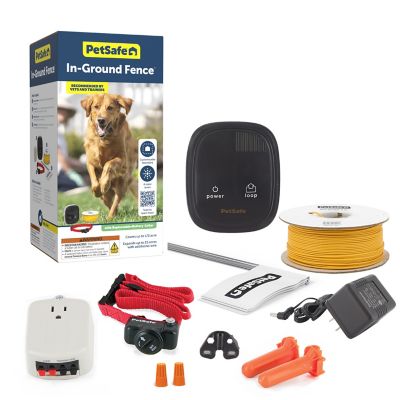
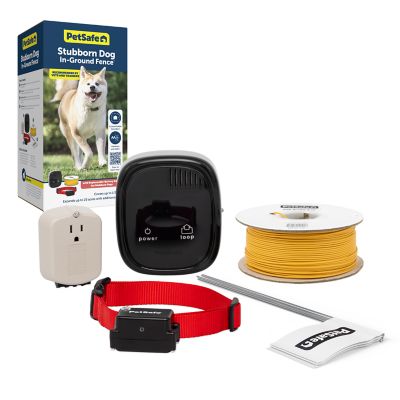
GPS Dog Fences serve a different role from a physical run. GPS-based systems generally depend on a compatible collar, boundary training, and adequate positioning signals; they do not put a physical barrier between the dog and the surrounding property. They also do not keep other animals or people from entering the area. Physical dog run fencing provides that visible separation, although its effectiveness still depends on appropriate construction, secure gates, maintenance, and the individual dog. A well-matched enclosure makes everyday tasks more manageable, whether that means giving a dog a separate space while a truck comes through the yard or keeping a curious nose out of newly planted beds.