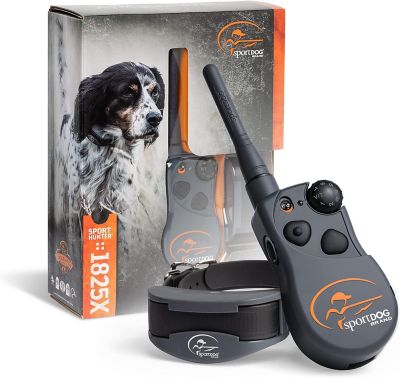
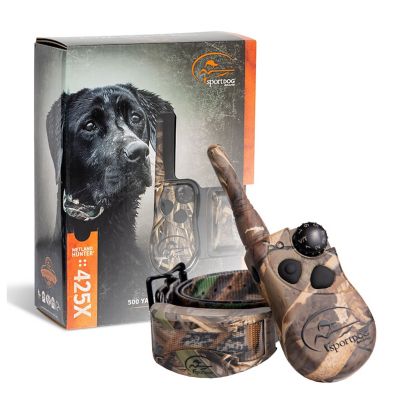
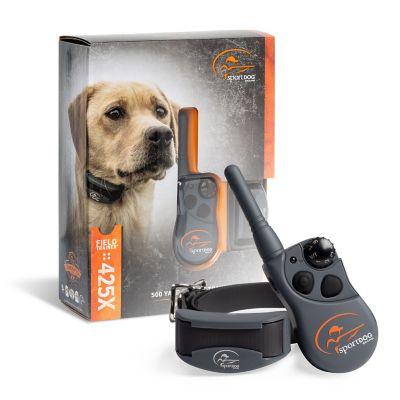
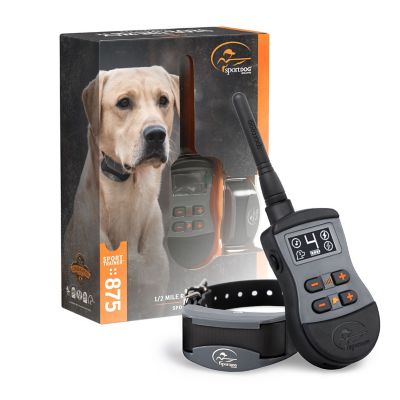
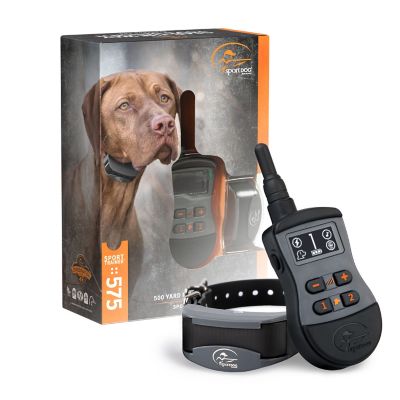
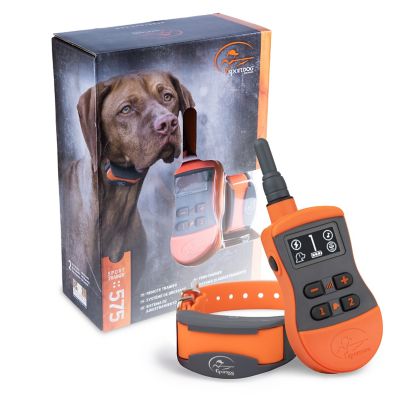
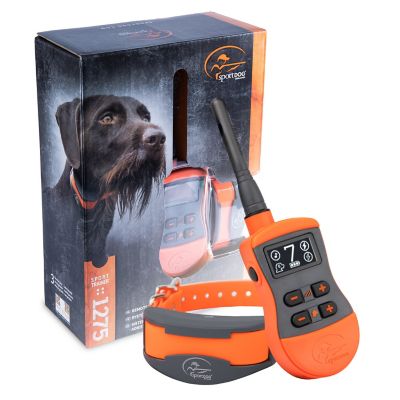
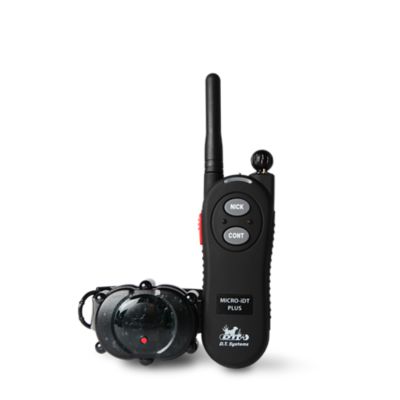
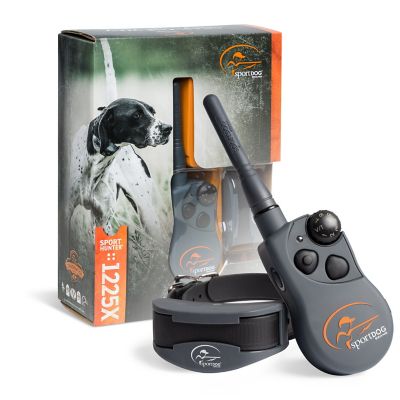
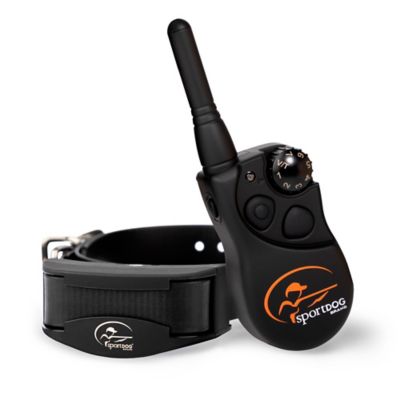
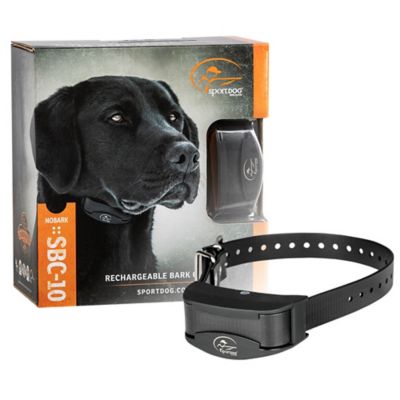
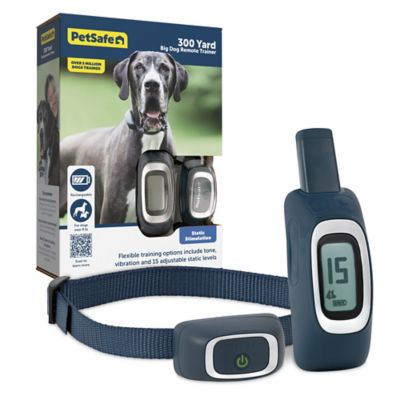
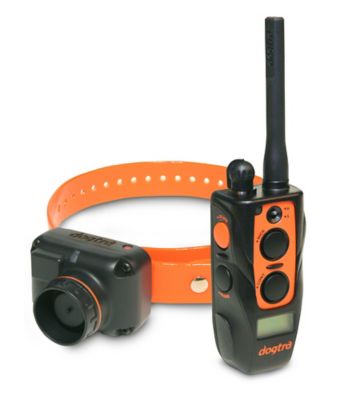
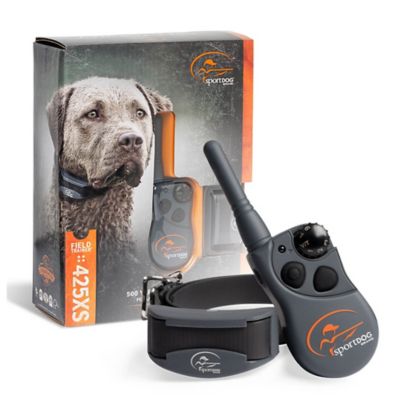
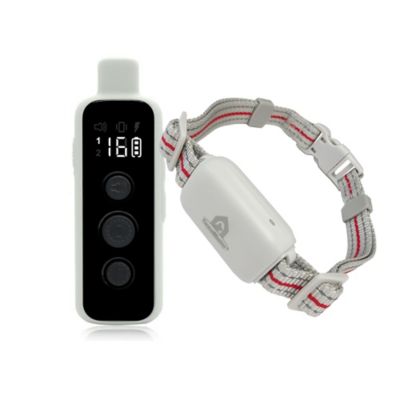
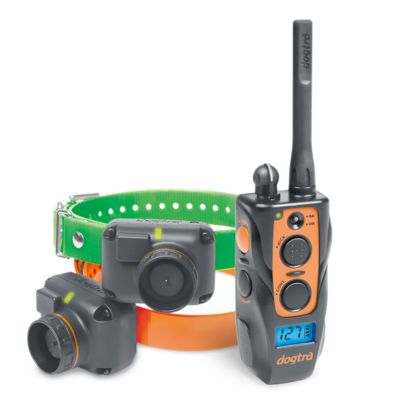
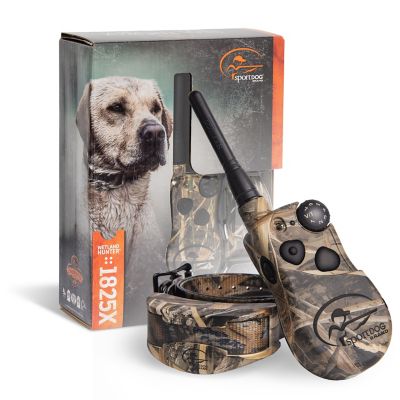
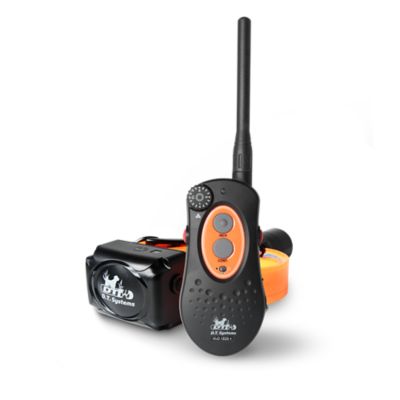
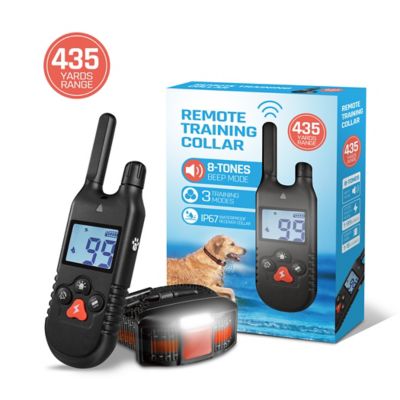
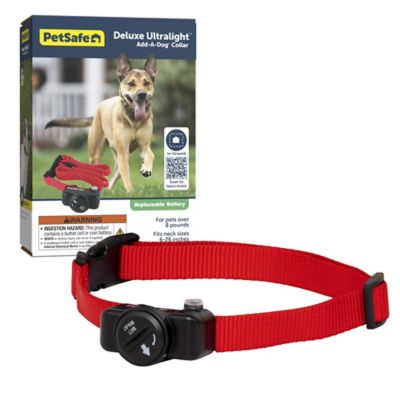
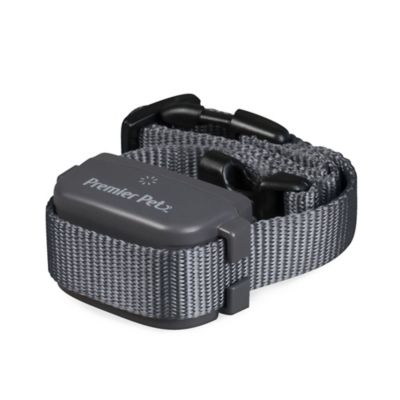
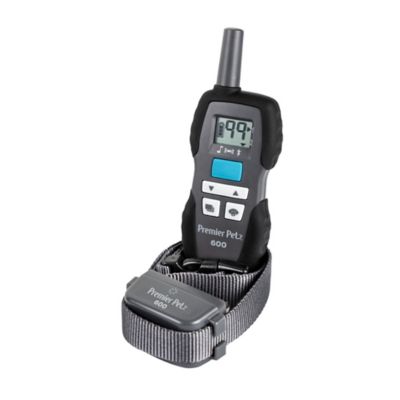
Hunting dog training collars can help handlers communicate with a dog working beyond an easy speaking distance, whether that means a retriever making a water entry across a pond, a flushing dog pushing through cover, or a pointing dog ranging across a field. These collars are designed to support training and control when voice commands, hand signals, or a whistle may be hard to hear over wind, running water, thick brush, or the excitement of a hunt. The right choice depends on your dog, your hunting style, and the ground you cover. A compact collar with a range of up to about 500 yards may suit a close-working retriever or a dog staying near a blind, while a unit rated for a mile or more can be a better fit for upland work across open fields. GPS-enabled systems are useful when a dog regularly runs wide, works in heavy cover, or travels where hills, timber, and distance make a traditional radio signal less dependable. Keep in mind that advertised range is generally measured in open conditions. Trees, ridges, buildings, wet ground, and other physical obstructions can shorten the practical range, so choosing a little extra reach can be worthwhile for changing terrain. As the cooler months bring wet grass, muddy trails, icy water, and cold-weather hunts, waterproof construction matters just as much as distance. Look for a receiver and remote made for serious outdoor use, with sealing that can handle rain, splashing, and repeated water work. A floating remote can be handy around ponds and marshes, while a rugged design and clearly marked buttons are helpful when you are wearing gloves or working in low light.
Training features are another important part of comparing hunting dog training collars. Many systems offer a combination of audible tone, vibration, and adjustable static stimulation, allowing the handler to select the least intrusive signal that gets the dog’s attention. Tone may reinforce a familiar command, vibration can provide a quiet cue in the field, and adjustable stimulation may be used by experienced handlers when other signals are not enough. More levels give you room to fine-tune the setting for a small, sensitive dog, a thick-coated dog, or a particularly distracting environment. The collar should never be used to punish a dog for chasing game, ignoring a command it has not learned, or returning slowly after a long run. Start training at home or in a secure, familiar area, pair each signal with a clear command, reward the response, and build up gradually before bringing the collar into the field. A collar is a communication tool, not a replacement for steady groundwork. Before heading into cover, check that the contact points touch the dog’s skin without being buried in a heavy coat, but never tighten the strap enough to cause discomfort. You should generally be able to slide two fingers beneath the collar, and the fit should be checked throughout a long outing because movement, wet fur, and changing layers can affect placement. Rotate the receiver’s position as recommended by the manufacturer, inspect the skin after use, and stop if you notice rubbing or irritation. It is also smart to practice with the remote until the controls feel natural; fumbling for a button beside a creek or in a frosty field is no time to learn the layout. Charge the collar and remote before each trip, carry backup power when practical, and confirm the system’s pairing and range in a safe area.
These collars can be a practical addition for bird hunters, waterfowl hunters, retriever trainers, guides, and families that spend weekends working with a sporting dog. They may also make a thoughtful gift for someone bringing home a young hunting prospect, preparing an older dog for a new season, or spending more time training in fields, woods, and marshes. For a gift, consider the recipient’s dog size, coat thickness, typical distance, and access to water rather than choosing by price alone. A lightweight collar may be more comfortable for a smaller dog, while a wide, adjustable strap and strong receiver may be better for a larger breed that works through briars and brush. A simple system can be plenty for close-range obedience and yard work, while a long-range or GPS option may better match a dog that covers broad country. Also compare battery life, charging time, remote ergonomics, collar adjustability, replaceable straps, visibility, and whether the system can support more than one dog. If you prefer to focus on reward-based communication and gentler training methods, explore
Humane Dog Training Collars for additional options. Whatever style you choose, take time to build trust before relying on the collar during a hunt. The best results usually come from the quiet, everyday work done in the yard: a whistle from the porch, a clean recall beside the fence line, a retrieve carried all the way to hand, and plenty of praise when the dog gets it right. With a properly fitted collar, realistic range expectations, regular maintenance, and patient training, you can stay better connected to your dog while keeping fieldwork organized and safe through changing weather and demanding ground.