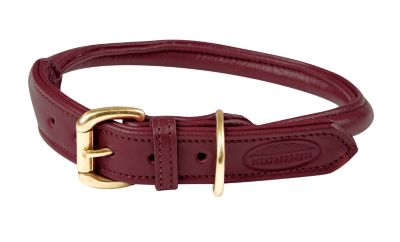
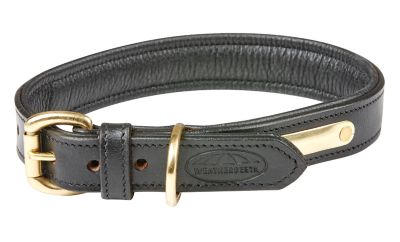
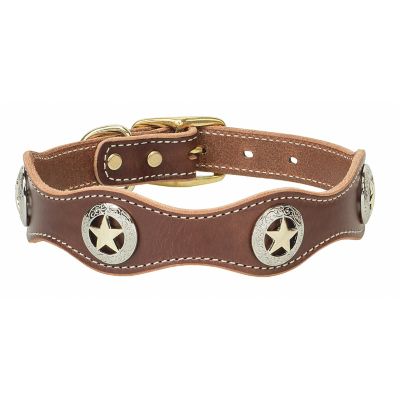
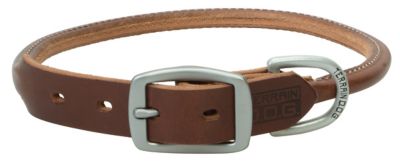
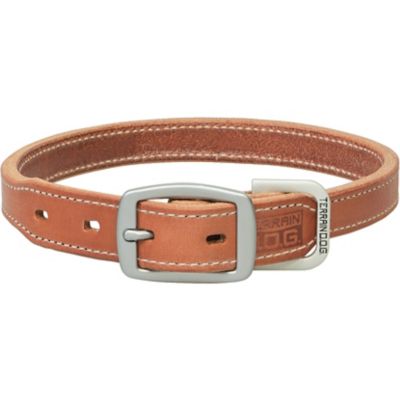
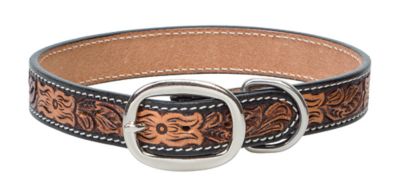
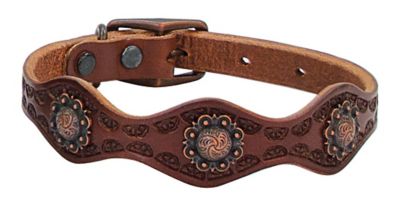
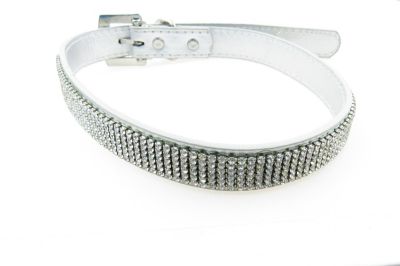
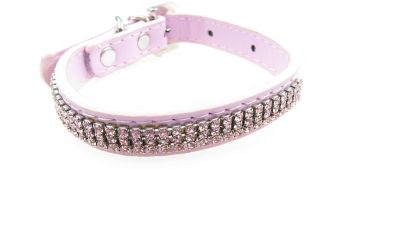
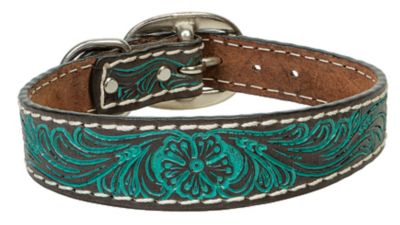
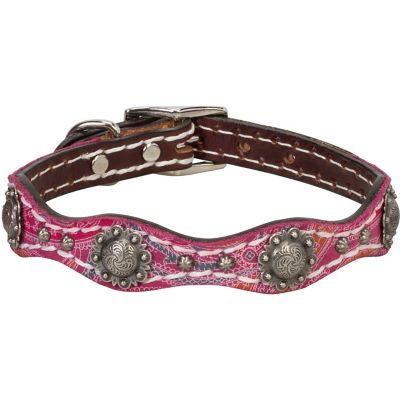
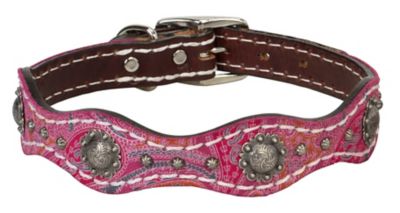
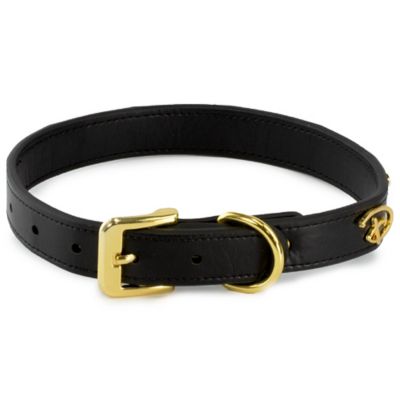
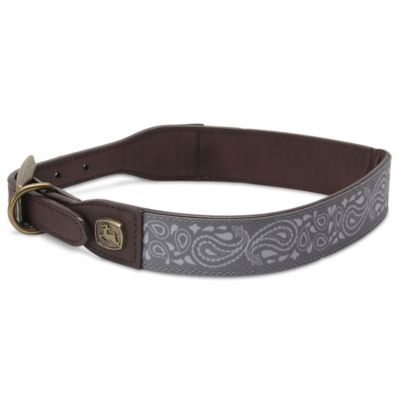
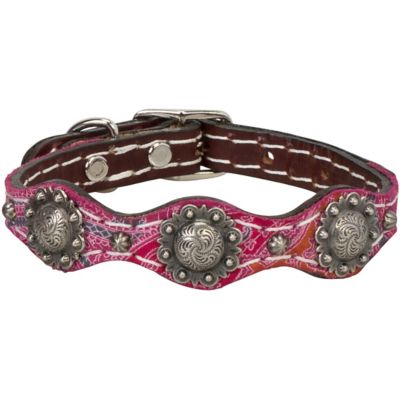
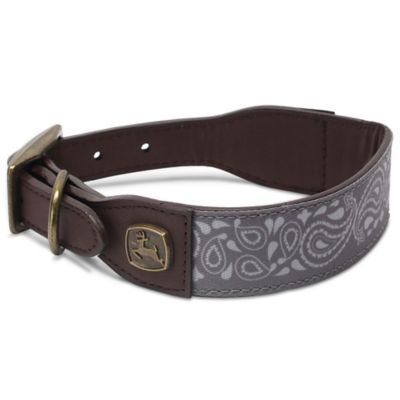
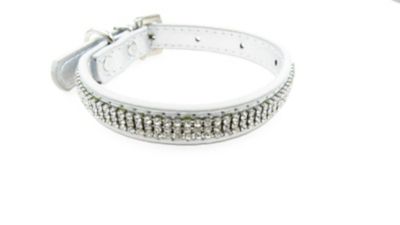
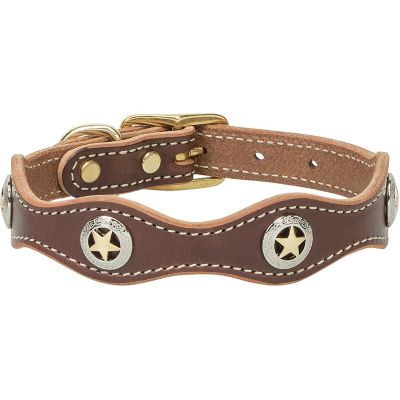
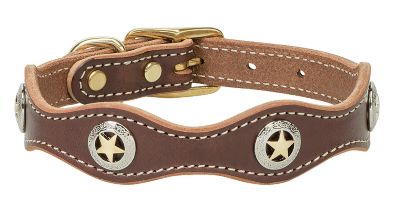
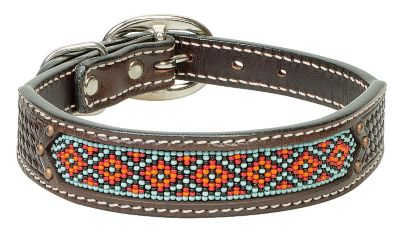
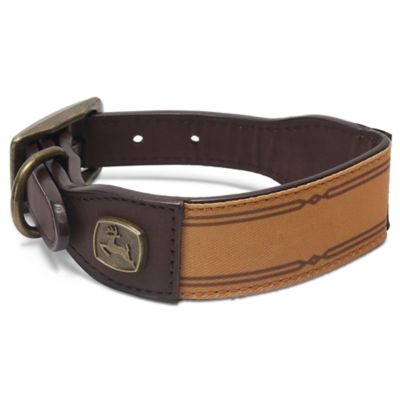
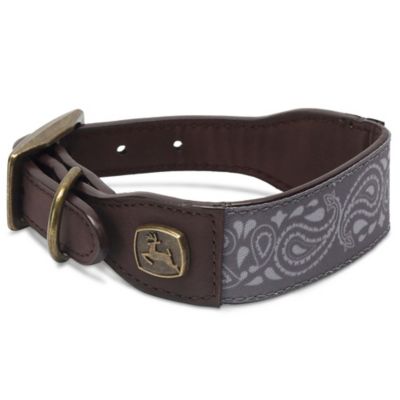
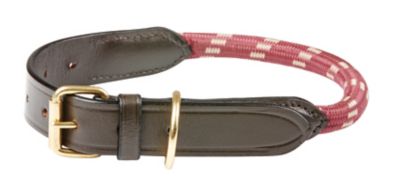
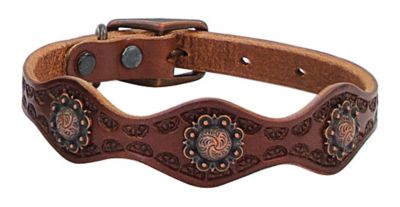
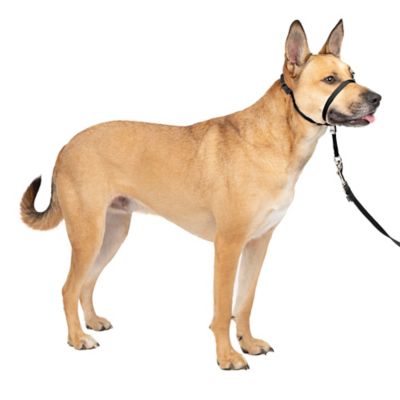
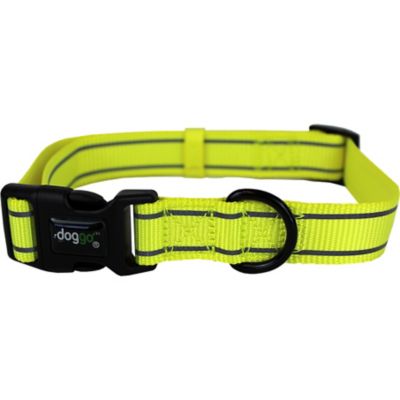
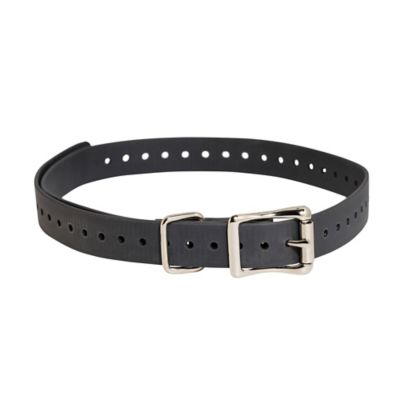
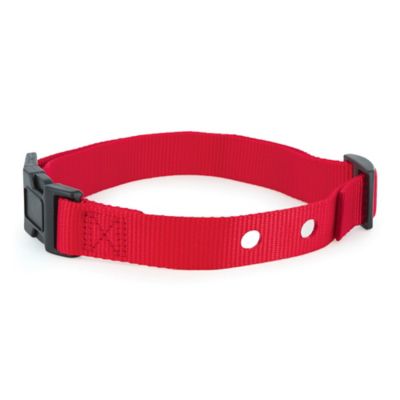
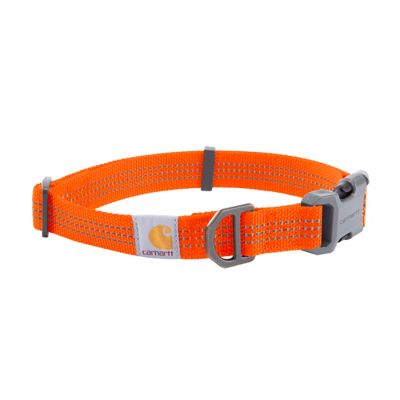
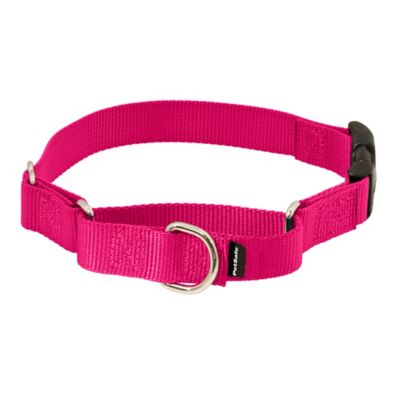
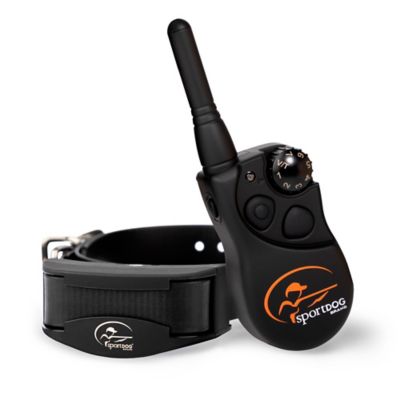
Leather dog collars bring a sturdy, good-looking touch to everyday dog gear, whether your four-legged buddy spends the day helping around the farm, tagging along on trail walks, or snoozing by the back door. Made from materials such as full-grain leather, bison leather, or soft polyurethane leather, these collars range from simple, hardworking designs to hand-tooled styles with decorative stitching, conchos, or other old-fashioned details. A quality leather collar can soften and develop a handsome patina over time, much like a well-used pair of work boots, while still providing a dependable place to attach identification tags and a leash. Look for reinforced stitching, smoothly finished edges, and sturdy hardware made from brass, stainless steel, or another durable metal. Solid buckles and leash rings matter just as much as the leather itself, especially for strong dogs that pull, spend time outdoors, or need a collar that can stand up to daily wear. Leather is often a comfortable choice for dogs with sensitive skin because it can feel smooth against the neck and may cause less chafing than rough or poorly finished materials. A lined collar can add another layer of comfort, particularly for short-haired dogs or pets that wear their collars for long stretches. For smaller breeds with petite necks, explore
Small Dog Collars to help find a size and build that suit a lighter frame. Large dogs, working dogs, and dogs that spend time around livestock may need a wider, heavier-duty collar with strong attachment points, while a narrow, lightweight style may be more comfortable for a toy breed or young pup.
Getting the fit right is one of the most important parts of choosing a leather dog collar. Once the collar is buckled around your dog’s neck, you should generally be able to slide two fingers between the collar and the skin without forcing them through or leaving a wide gap. It should sit securely without pressing into the throat, rubbing behind the ears, or hanging loose enough for the dog to back out of it. Check the fit often as puppies grow, dogs gain or lose weight, and thick coats change with the seasons. A collar that fit neatly after a summer haircut may feel snug once a winter coat fills in, while a young dog can outgrow a collar before you notice. Inspect the neck and coat from time to time for redness, hair loss, damp spots, or rubbed areas, and adjust or replace the collar if it no longer sits comfortably. Leather collars are useful for everyday identification, neighborhood walks, trips to the feed store, visits to the vet, and supervised time in the yard. They can also make a thoughtful gift for a new dog owner, a family bringing home a rescue, or someone who appreciates practical gear with a classic country look. A tooled or especially polished collar can mark a special occasion, while a straightforward buckle collar is a welcome gift for anyone getting ready for a new puppy. Keep in mind that a collar should never be used as a substitute for proper supervision, secure fencing, or a suitable harness when a dog needs extra control. Dogs that pull hard, have breathing concerns, or are being trained for a specific task may be more comfortable and safer with other equipment recommended for their needs. Always match the collar to the dog’s size, strength, activity level, and temperament instead of choosing by appearance alone.
Leather holds up well when it is treated with a little common sense and regular care. Most leather collars should be kept as dry as possible, since soaking, mud, and repeated exposure to wet grass can stiffen or weaken the material over time. If your dog comes in from a rainy walk or a romp near the creek with a damp collar, wipe away dirt and moisture with a clean cloth and let it air-dry naturally away from heaters, wood stoves, and direct high heat. Do not put a leather collar in a dryer or leave it baking on a sunny truck seat. Once it is clean and fully dry, a leather conditioner made for the material can help keep it flexible, though too much oil may leave the collar greasy or weaken certain finishes. Follow the care directions supplied with the collar, and test any cleaner or conditioner on a small hidden spot first. Wipe down brass or stainless hardware when dirt collects around the buckle and leash ring, and check the holes, keeper loop, stitching, rivets, and attachment points for signs of wear. A collar that is cracked, stretched, frayed, or missing secure hardware should be replaced before the next outing. During the warmer months, collars may collect sweat, dust, and grass seeds during long days outside; during cooler months, moisture from rain, snow, and muddy paths can work its way into the leather. A quick inspection after active days helps catch trouble early. With a sound fit, dependable construction, and a bit of upkeep, a leather dog collar can become part of your dog’s everyday routine—from morning chores and back-road walks to quiet evenings on the porch—and grow more familiar and comfortable with every mile.