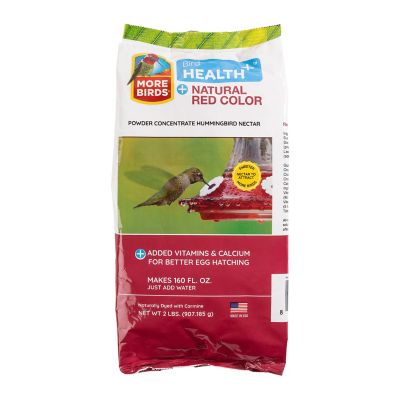
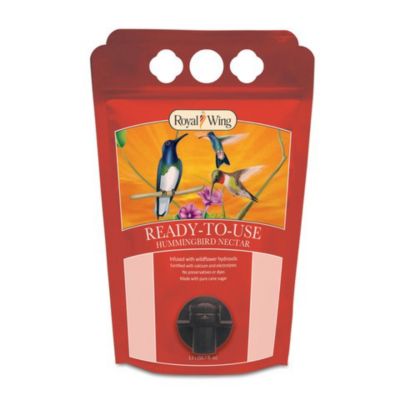
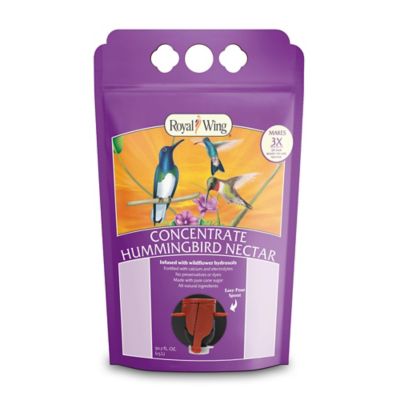
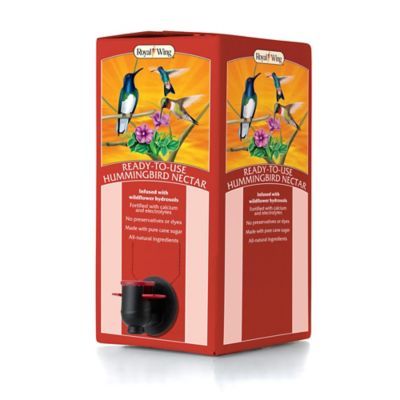
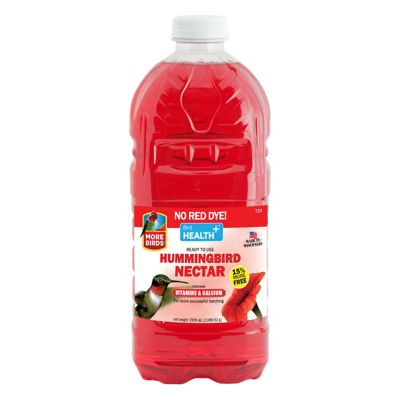
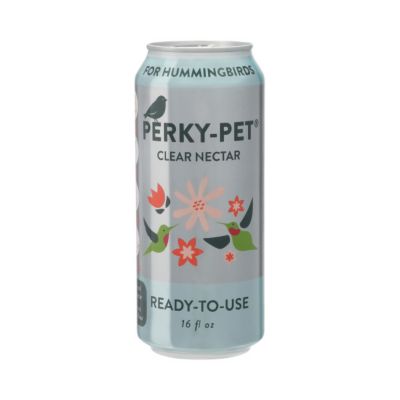
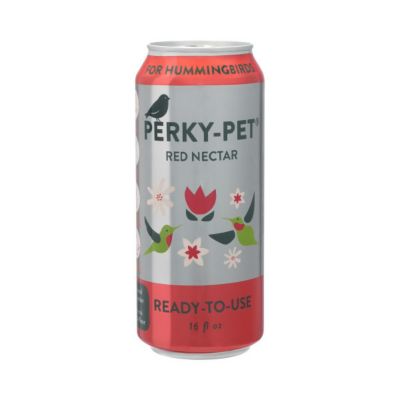
Hummingbird feeder food helps make it easier to welcome these tiny, fast-moving visitors to a porch, garden, pasture, or backyard sitting area. A dependable nectar supply can be especially helpful during stretches when natural flowers are between blooms, and it gives hummingbirds a familiar place to stop as they travel through the seasons. Whether you are setting up a first feeder near the kitchen window or keeping several feeders filled around a larger property, look for food made with the simple ingredients hummingbirds need and without unnecessary additives. Plain sugar water is the standard choice: mix one part plain white granulated sugar with four parts water, such as 1/4 cup of sugar with 1 cup of water. Warm or boiling the water helps the sugar dissolve fully and can reduce impurities, but the mixture should cool completely to room temperature before it goes into a feeder. Extra nectar may be kept in a sealed container in the refrigerator for up to a week. Never add red dye; the bright parts of most feeders provide plenty of visual attraction without coloring the nectar. Honey, molasses, brown sugar, raw sugar, agave, and artificial sweeteners are also poor substitutes. They can encourage harmful fermentation, mold, or bacterial growth and do not provide the clean, dependable energy hummingbirds get from properly mixed white sugar and water. For families, gardeners, and anyone who enjoys watching wildlife up close, hummingbird feeder food is an easy way to turn an ordinary window view into a lively little scene. A flash of green and copper at the feeder, the quick hum of wings, and the bird hovering for just a few seconds can bring plenty of enjoyment without taking up much space.
Freshness matters just as much as the recipe. Hummingbird nectar should generally be replaced every two to three days, and it may need to be changed daily during very hot weather. Sunlight and heat can cause nectar to spoil faster, particularly in small feeders that warm quickly during the afternoon. If the liquid looks cloudy, has begun to ferment, or shows any sign of mold, discard it right away rather than topping it off with fresh nectar. Wash the feeder with hot water every time it is refilled, paying close attention to the feeding ports, seams, and corners where sugar residue can collect. A soft bottle brush, small cleaning brush, or similar tool can help reach narrow spaces. Use a gentle cleaning method and rinse thoroughly so no soap or chemical residue remains. Before refilling, let the feeder cool and dry as needed, then add only enough food to serve the birds for a few days. Smaller amounts may be the better choice for a quiet yard, while multiple feeders or larger capacities can be useful where several hummingbirds are visiting. Place feeders where they can be seen easily but still have some shade during the warmest part of the day. A spot near flowering plants, shrubs, or a tree branch gives hummingbirds a place to rest between visits, while keeping the feeder away from heavy foot traffic can help them feed with less disturbance. Ants and bees may be drawn to spilled nectar, so wipe up drips and check for leaks whenever the feeder is serviced. During the cooler months, hummingbirds may still pass through or remain active in many areas, so keep watching local activity and adjust the amount of food instead of taking a feeder down simply because the weather has changed. Clean, fresh nectar and a well-maintained feeder are useful whether your goal is to support migrating birds, enjoy regular backyard visitors, or add a little movement and color to a rural property.
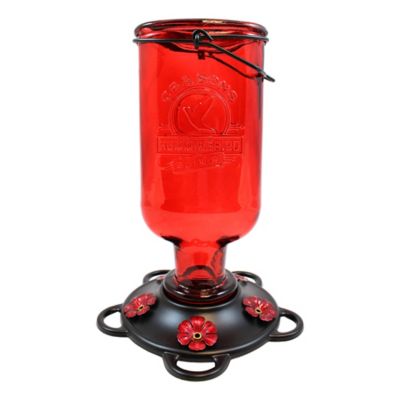
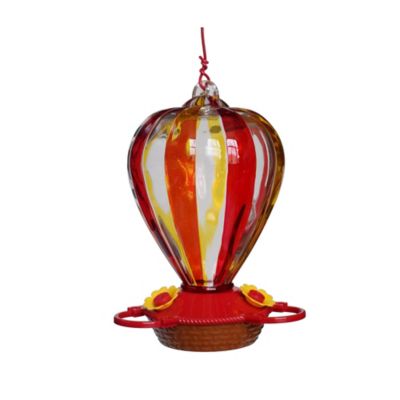
Hummingbird feeder food also makes a thoughtful gift for birdwatchers, gardeners, grandparents, new homeowners, and anyone who enjoys spending time outdoors. It pairs naturally with a feeder, a hanging hook, or a small garden project, giving the recipient something useful to enjoy rather than another item that sits on a shelf. For a first setup, many people appreciate having clear directions for mixing and storing nectar along with the food itself. Those who already keep feeders may prefer extra supplies on hand for busy feeding periods, unexpected warm spells, or a yard that has become a regular stop for several birds. Feeder style can influence how often food needs to be prepared and cleaned. Glass options, including
Glass Hummingbird Feeders, are often chosen for their sturdy feel and easy visibility, while other designs may be valued for their lighter weight or simple hanging setup. No matter which feeder is used, the same basic care applies: offer a plain four-to-one sugar-and-water mixture, keep it cool before filling, replace it regularly, and wash the feeder thoroughly. Keeping a small covered container of prepared nectar in the refrigerator can make refilling less of a chore, especially when a familiar bird shows up at first light or several visitors arrive in the evening. With a little steady care, hummingbird feeder food can support a clean, welcoming feeding station through changing weather and give the whole household a close-up look at one of nature’s most remarkable little backyard visitors.