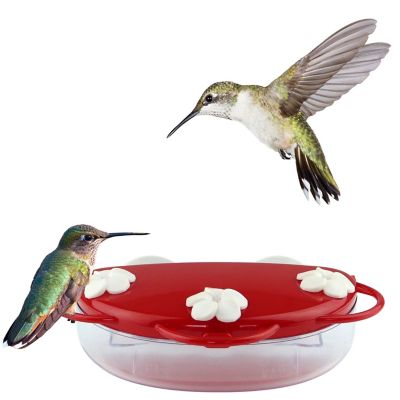
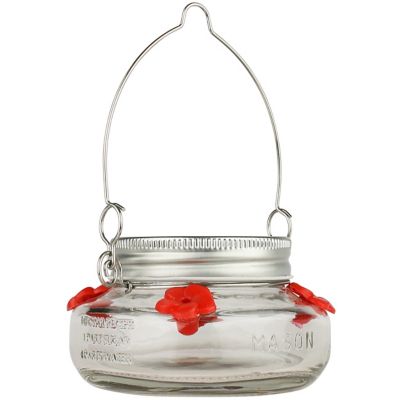
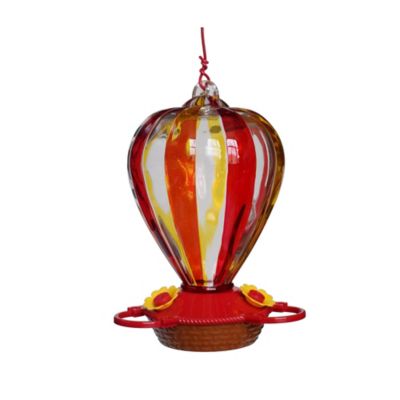
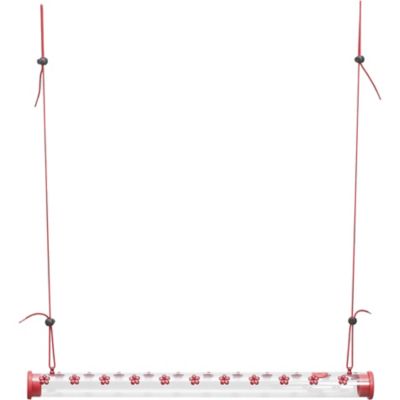
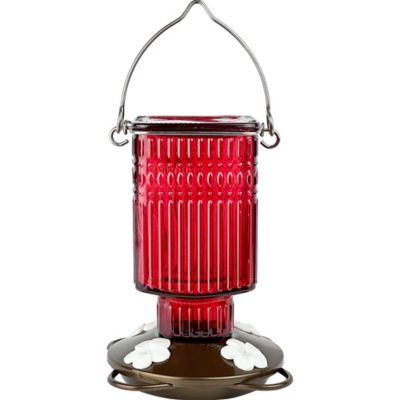
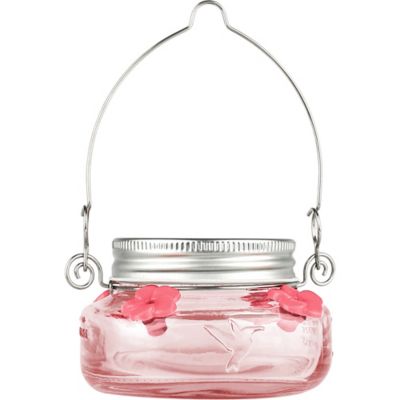
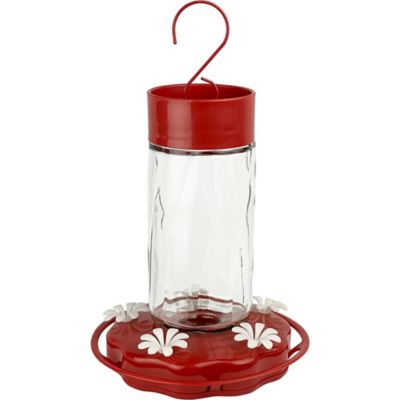
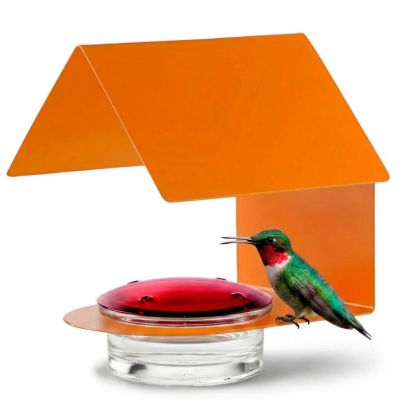
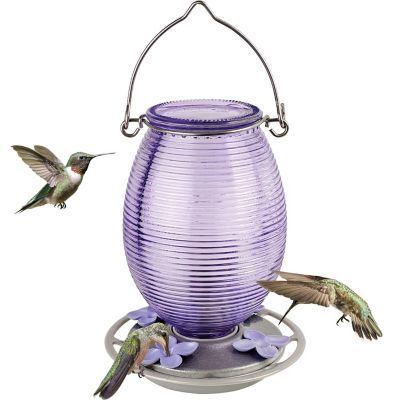
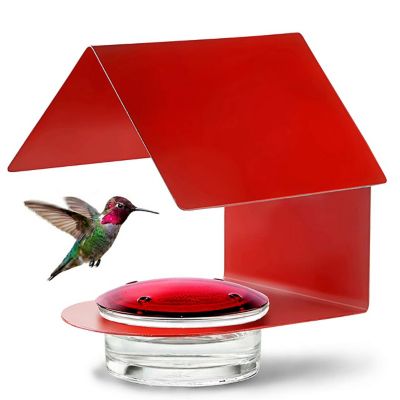
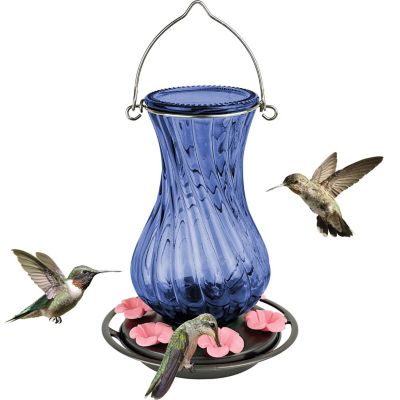
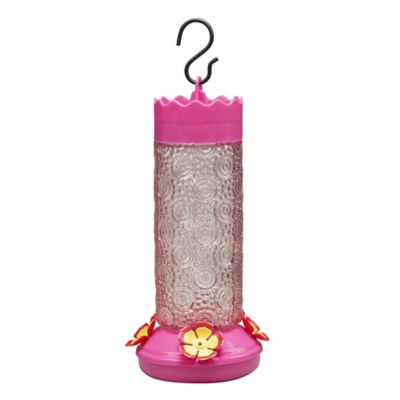
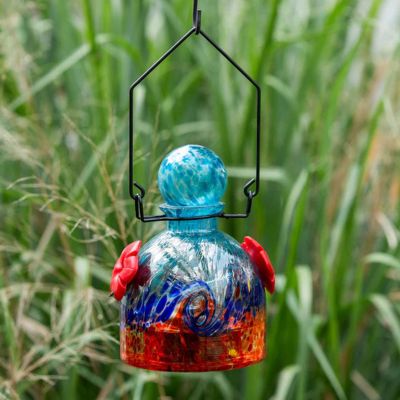
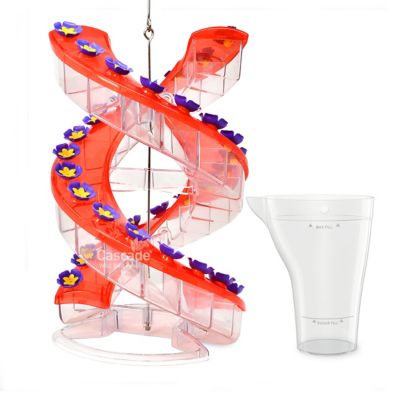
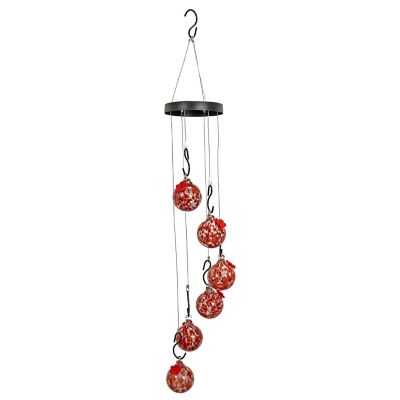
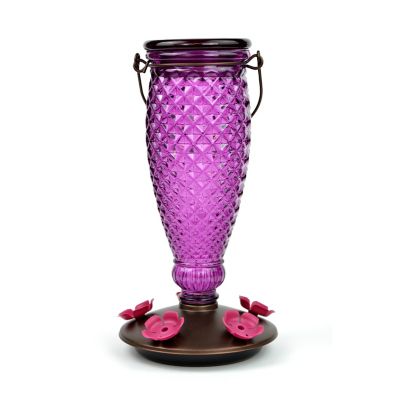
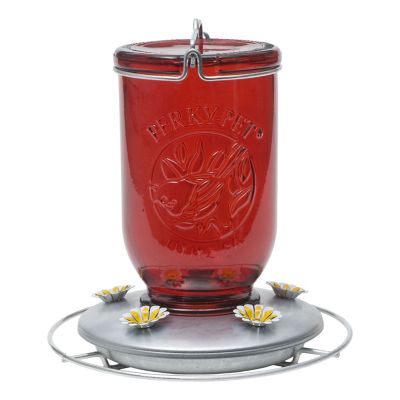
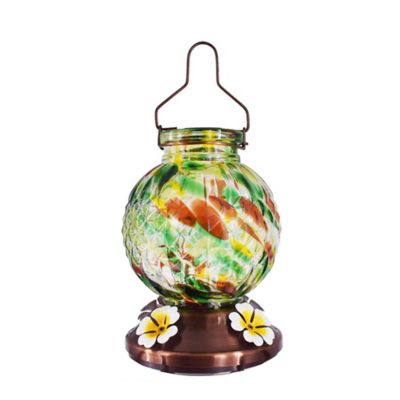
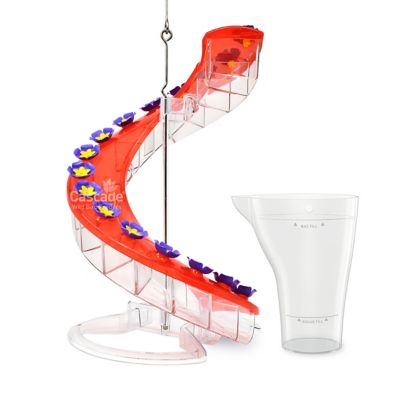
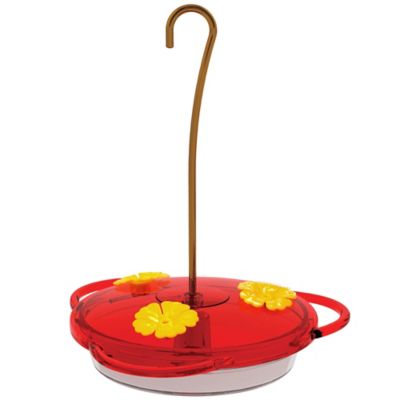
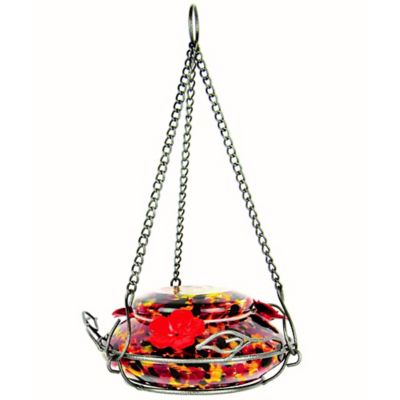
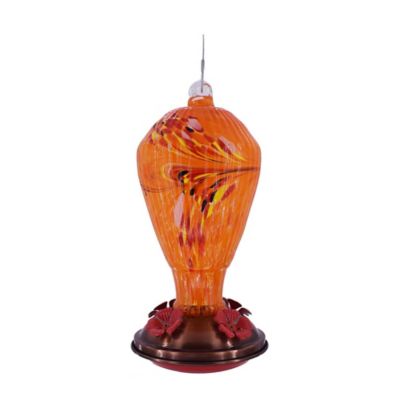
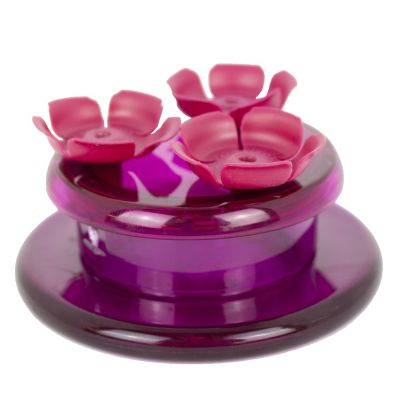
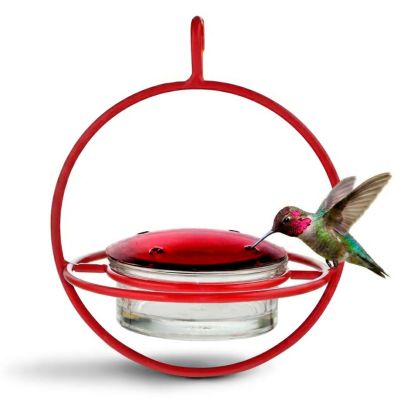
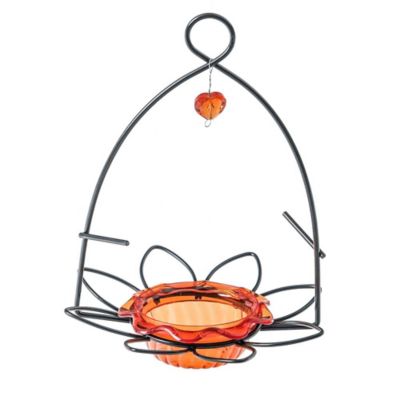
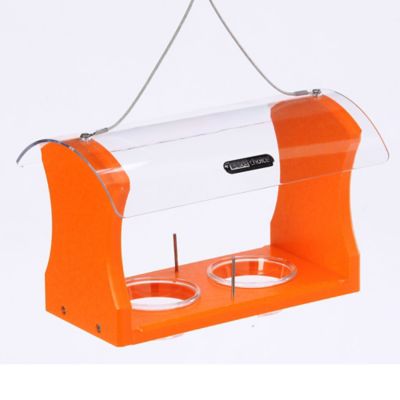
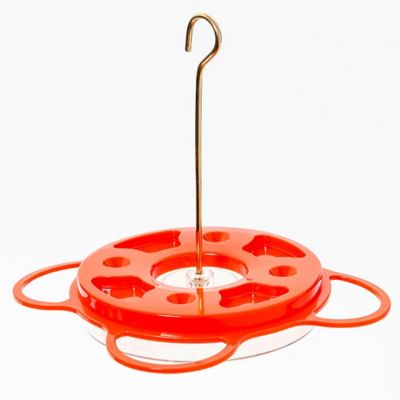
Unique hummingbird feeders bring a little more personality to a porch, garden bed, or backyard sitting area than a plain utility feeder. Along with holding nectar, these eye-catching pieces can add color, sparkle, and movement to the landscape, giving you something pretty to enjoy even when the birds are off exploring. Look for styles that match the way you plan to watch and use them. Jewel-toned glass, faceted designs, textured or mosaic globes, and bell-shaped feeders can serve as colorful garden accents, especially when sunlight shines through the glass. Some decorative feeders include copper-colored details, artistic shapes, or solar-activated lights that give the feeder a soft glow after dark. A design with a built-in swing or perch may give hummingbirds a comfortable place to pause between meals, while a window-mounted saucer feeder keeps the birds close enough for a clear view from the kitchen, den, or home office. Low-profile window feeders are especially handy for anyone with a small yard, apartment balcony, screened porch, or limited hanging space. For a closer experience, hand-held ring feeders are made for quiet, patient birdwatchers who enjoy sitting still and letting curious hummingbirds approach at their own pace. These small feeders are best used calmly and carefully, with the bird’s comfort in mind. A unique feeder can also make a thoughtful gift for a gardener, nature lover, grandparent, teacher, or anyone who enjoys watching backyard wildlife. It works well as a housewarming gift, a present for a new outdoor space, or a colorful surprise for someone who likes garden art with a practical purpose. Browse a broader selection of
Hummingbird Feeder styles when you want to compare decorative and everyday designs in one place.
When choosing among unique hummingbird feeders, pay attention to the details that make a pretty feeder easy to live with. Wide openings or removable parts make cleaning much simpler, and clear nectar reservoirs let you check the fill level without taking the feeder down. Several small feeding ports can accommodate more than one bird, though hummingbirds can be territorial and may still chase one another away. Perches offer a resting spot, while a perch-free design may appeal to shoppers who prefer a more open, minimalist look. Glass is often chosen for its rich color and decorative appeal, while sturdy plastic can be lightweight and convenient for frequent cleaning or moving. A hanging feeder works well from a shepherd’s hook, porch bracket, tree limb, or garden arbor. A window feeder should have secure suction cups and a stable base so it stays level when birds land and lift off. For a feeder with solar lighting, place it where the panel can receive dependable daylight, while keeping the feeding ports easy to reach for refilling and washing. Hummingbirds are drawn to bright blooms, so setting a feeder near flowers, shrubs, or a trellis can help it feel like part of the garden rather than an object standing alone in the yard. Keep it far enough from busy walkways, pets, and areas where a swinging feeder could bump into a wall or branch. During the warmer stretch of the year, nectar may spoil faster in direct sun, so shade is helpful. As the weather cools, birds may continue visiting feeders during migration and can benefit from a dependable food source in a familiar spot. Moving a feeder does not have to be a major project; a hook, bracket, or window location that is comfortable for you to reach will make regular care much more manageable.
Fresh nectar and a clean feeding station matter more than fancy decoration. A simple homemade nectar mix uses four parts water to one part plain white granulated sugar. Bring the water to a boil if you prefer, then let it cool completely before filling the feeder. Do not add red dye, honey, molasses, artificial sweeteners, or fruit juice, since these ingredients can be harmful or encourage unwanted spoilage. Store extra nectar in a covered container in the refrigerator and replace it when it becomes cloudy, develops floating particles, or has been sitting out too long for the conditions. In hot weather, feeders may need attention every day or two; cooler conditions may allow a little more time, but regular checking is still important. Empty the feeder before washing it with hot water and a soft bottle brush, paying close attention to feeding ports, seams, and corners where sugar residue can collect. Skip harsh cleaners unless the care instructions specifically call for them, and rinse thoroughly so no residue remains. Ants, bees, and wasps may be drawn to leaking nectar, so check for drips, wipe sticky spots from the feeder, and consider a feeder with an ant-moat feature if insects become a nuisance. Positioning the feeder away from heavy foot traffic and keeping the surrounding area tidy can also help. With the right combination of artistic design, easy maintenance, and a location that suits your yard, a unique hummingbird feeder can turn an ordinary patch of outdoor space into a lively little stopover filled with quick wings, bright color, and the soft hum of visiting birds.