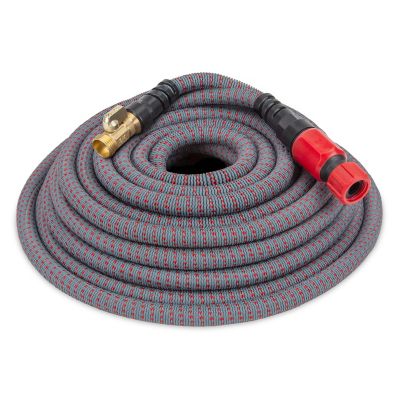
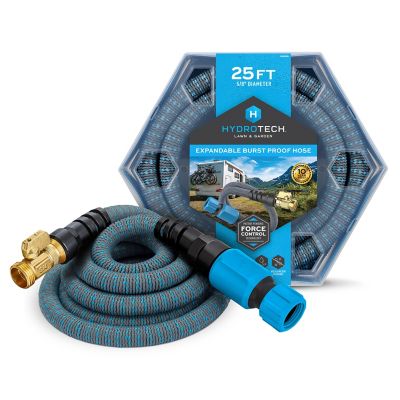
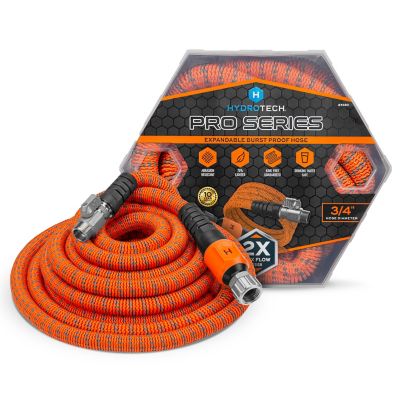
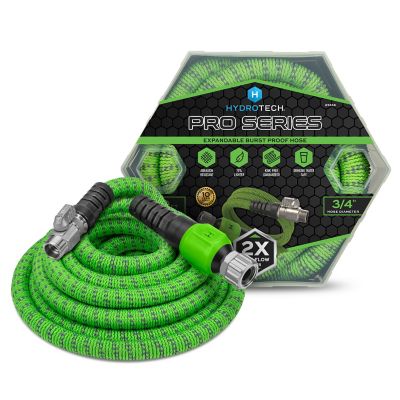
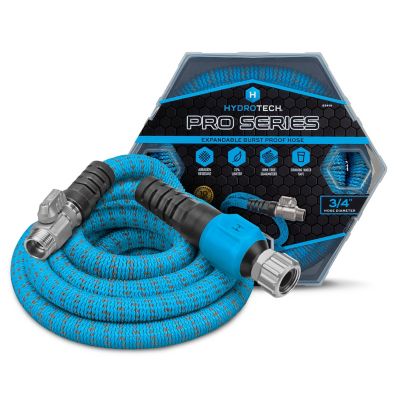
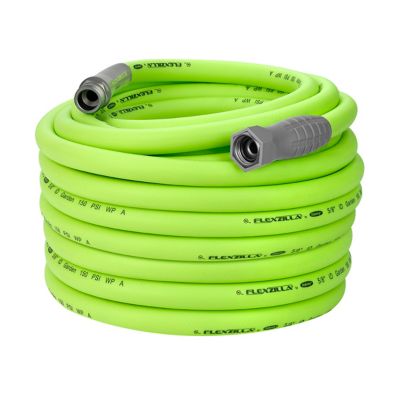
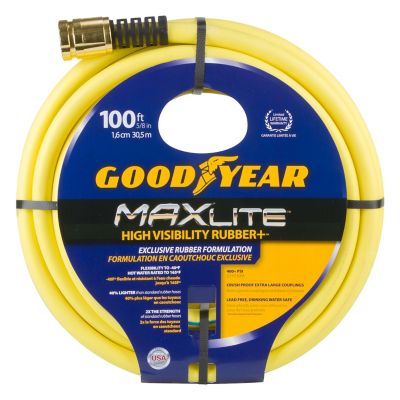
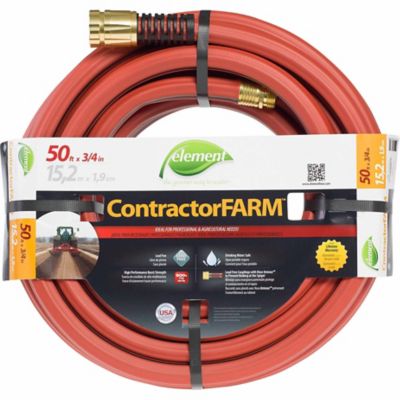
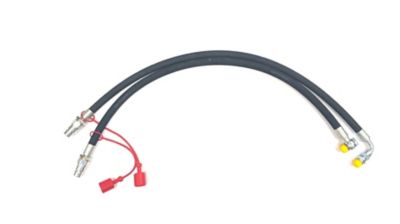
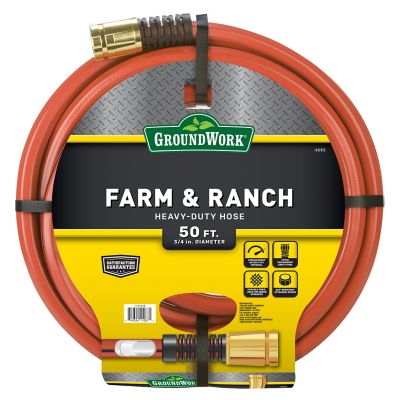
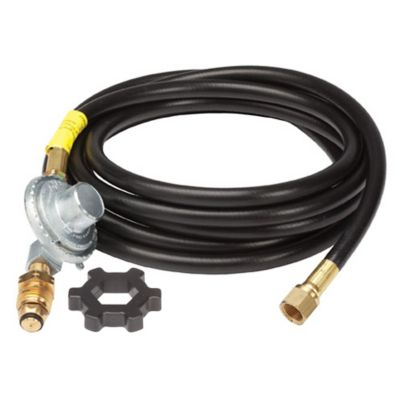
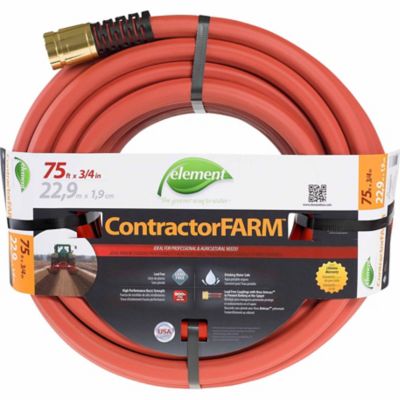
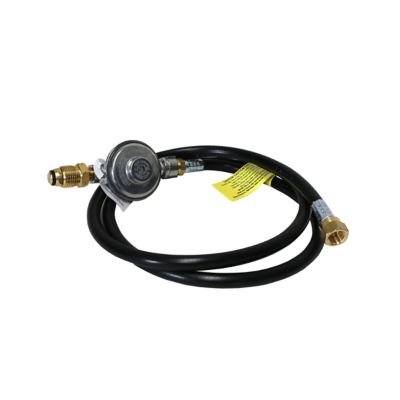
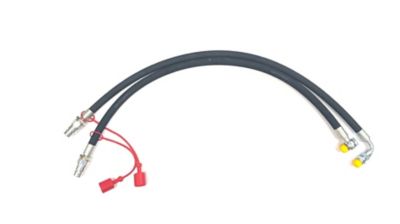
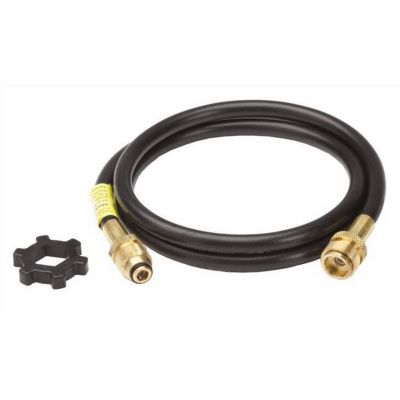
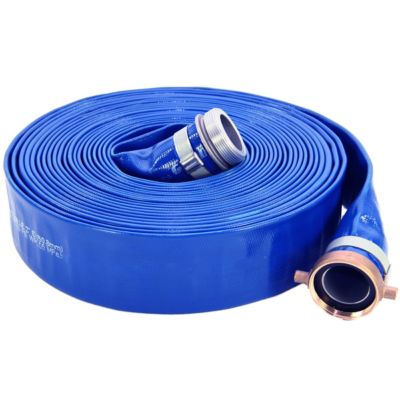
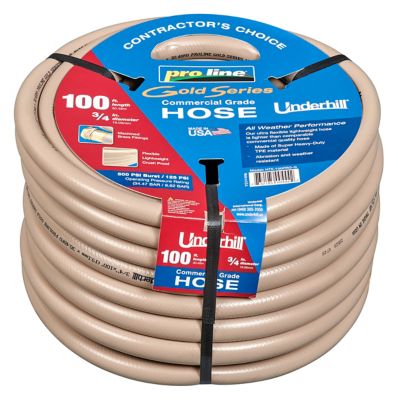
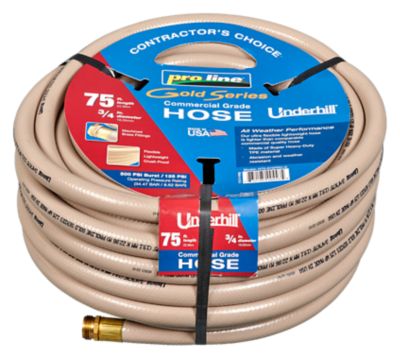
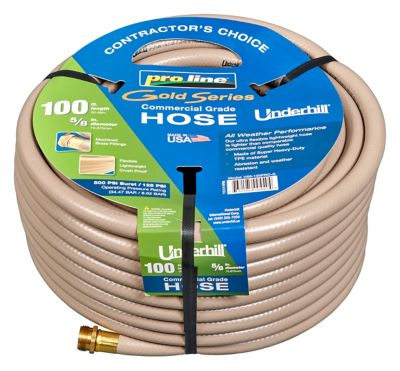
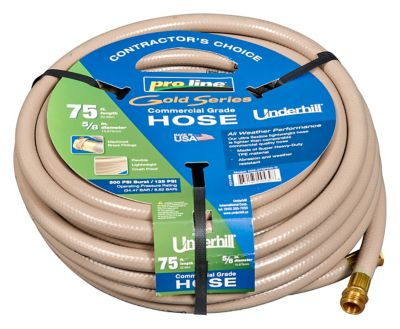
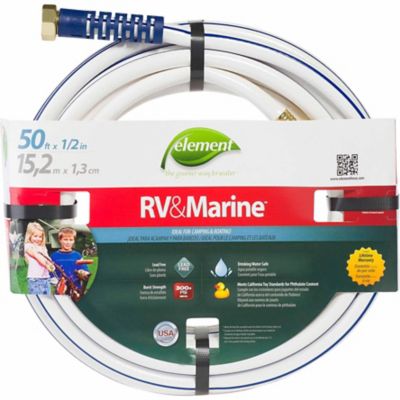
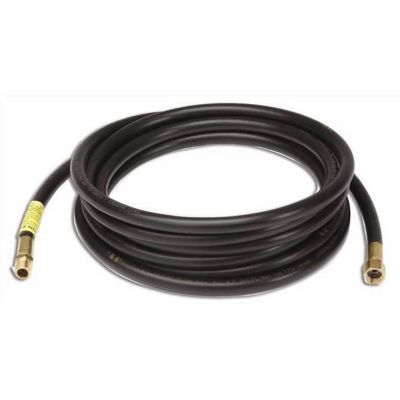
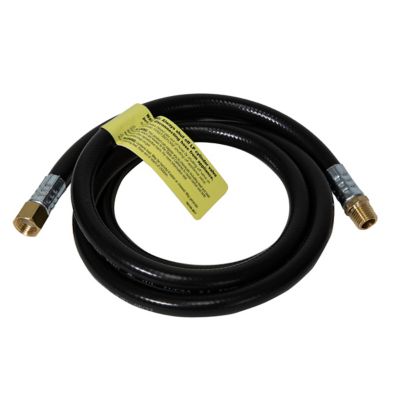
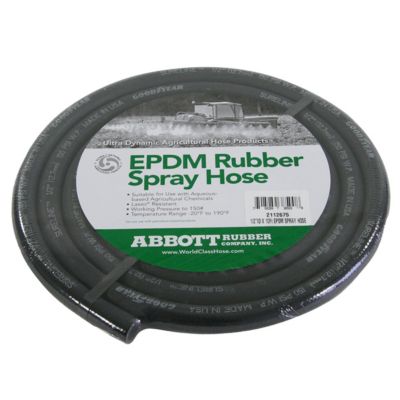
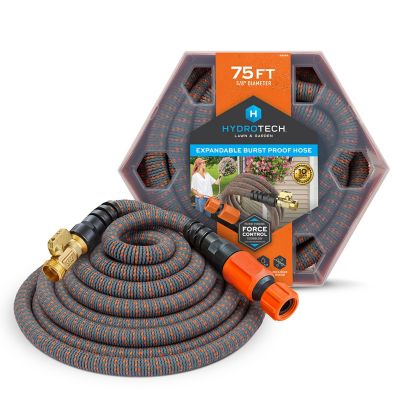
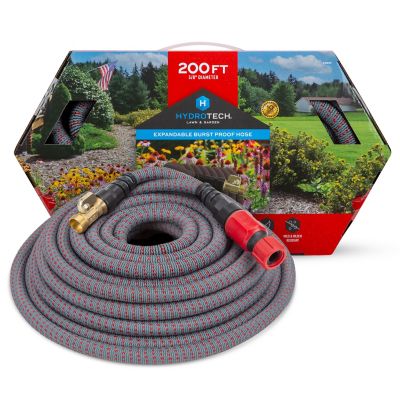
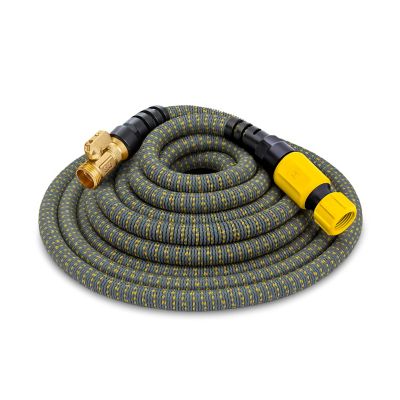
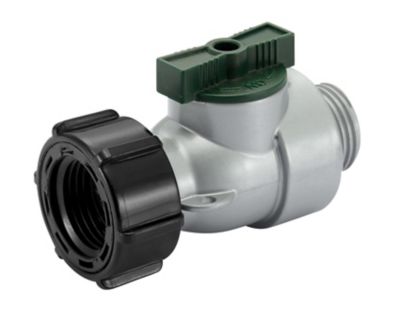
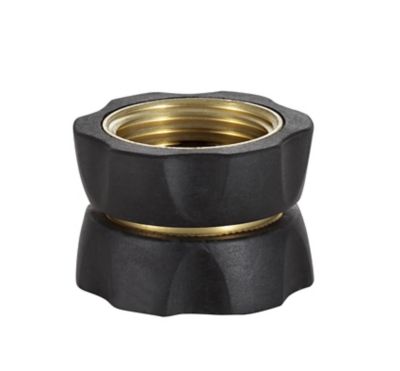
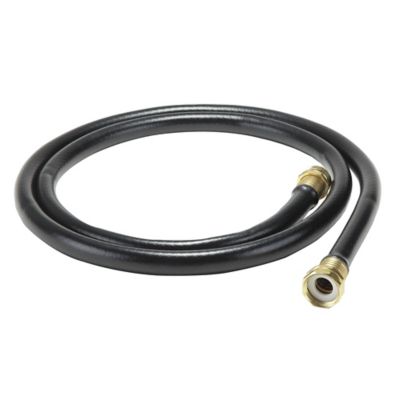
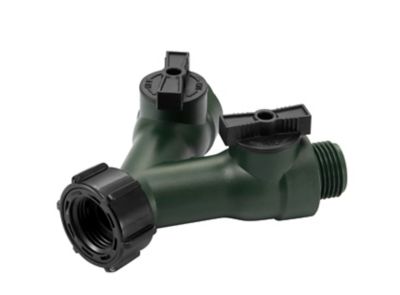
When you’re working out on the farm, running a small business, or just keeping things running smooth around your property, hose assemblies are one of those unsung heroes you don’t really think about—until you need one that works, and works right. A hose assembly is more than just a length of hose; it’s a complete setup with the right connectors already attached, ready to hook up and get to work moving everything from water and air to hydraulic fluid or fuel. Folks use hose assemblies for all sorts of jobs—hooking up pressure washers to blast away grime from tractors or barn siding, running air lines in the shop, connecting hydraulic equipment, or making sure livestock waterers stay full and fresh as the weather warms up. The right hose assembly saves time and keeps you from wrestling with mismatched fittings or worrying about leaks when you’re under pressure to get a job finished before the next rain rolls in.
When you’re picking out a hose assembly, there’s a few things to keep in mind that’ll make life easier down the road. First off, think about what you’re moving through the hose—water, oil, fuel, air, or maybe even chemicals—and make sure the hose material is up to the task. Rubber and reinforced hoses are tough, but if you’re running something corrosive, you might need a specialty liner. Then there’s the pressure rating: if you’re running a hydraulic log splitter or a big sprayer, you’ll want to be sure the hose can handle the PSI without bulging or blowing out. Fittings are just as important—take a look at your equipment and check if you need threaded, quick-connect, or crimped ends, and make sure the diameters match up. A good fit means less downtime and fewer headaches. Folks who do a lot of repairs, like mechanics, landscapers, or anyone who keeps older equipment running, know the value of keeping a few spare assemblies on hand. They also make a practical gift for that handy person in your life—especially during the busy seasons when a busted hose could mean lost time in the field or shop.
No matter what you’re working on, a little know-how goes a long way when it comes to installing and maintaining hose assemblies. Always leave a bit of slack when you’re routing a hose—tight lines can get pulled or kinked, which leads to leaks or blowouts. Avoid sharp bends that could pinch off flow or stress the hose, and keep everything clear of hot engine parts or rough edges that might wear through over time. Secure hoses with brackets or clamps if they’re running along walls or frames, and check connections every so often—especially after heavy use or when the seasons change and equipment gets shuffled around. If you’re not sure what size or type you need, or if you’re looking for specialty hoses for unique setups, you can always check out our
Supply Hoses page for more options and helpful info. Whether you’re prepping for a busy summer of chores, gearing up for fall harvest, or just making sure the basics are covered, having the right hose assemblies on hand keeps your operation running smooth and saves you from scrambling when the pressure’s on.