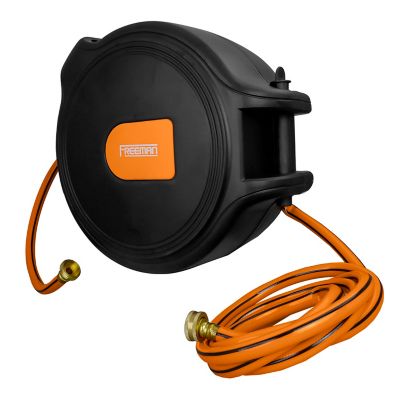
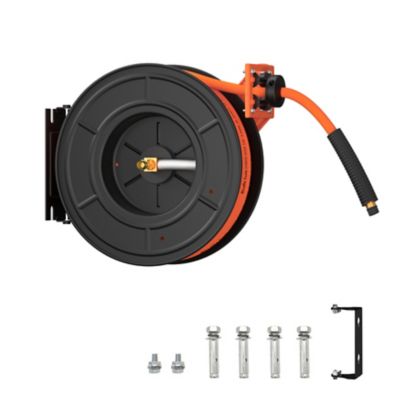
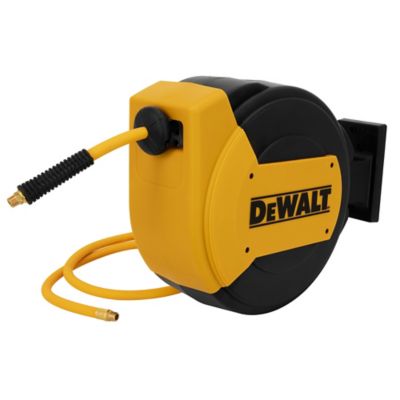
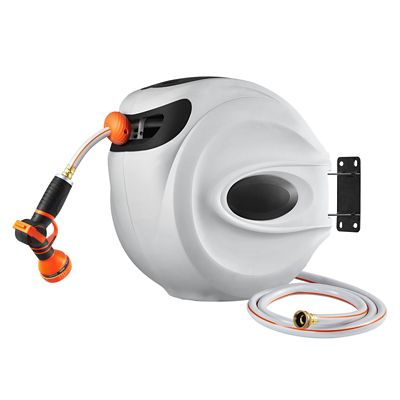
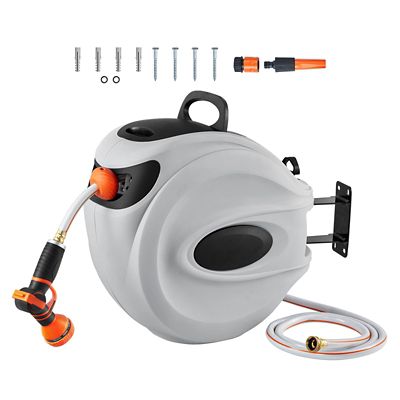
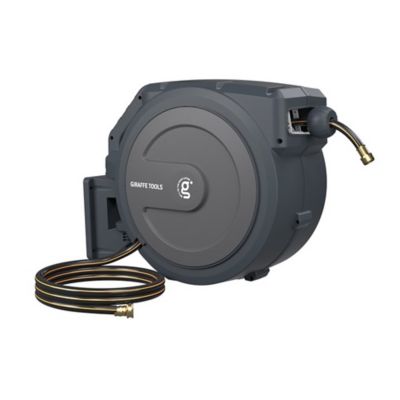
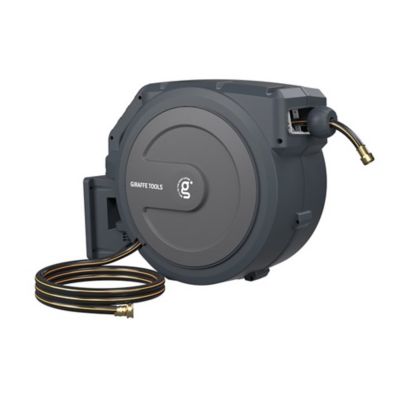
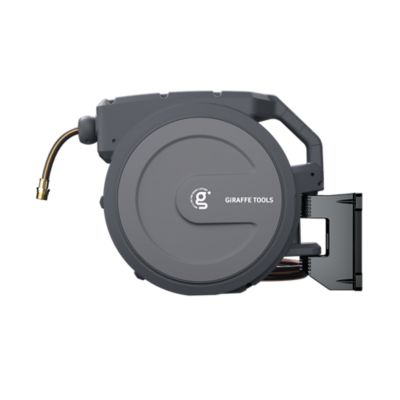
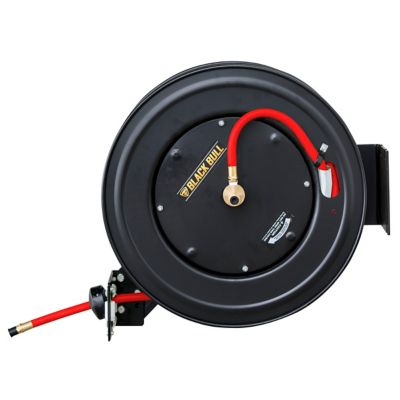
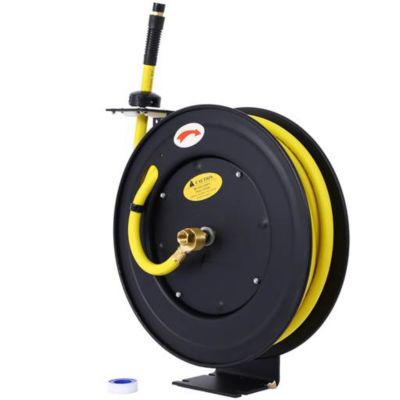
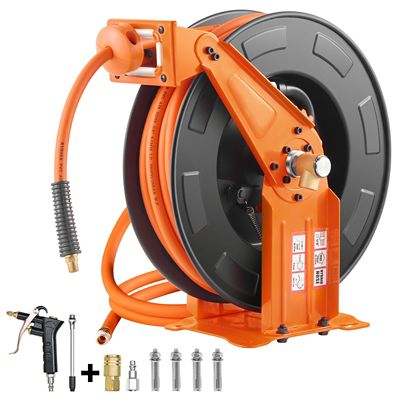
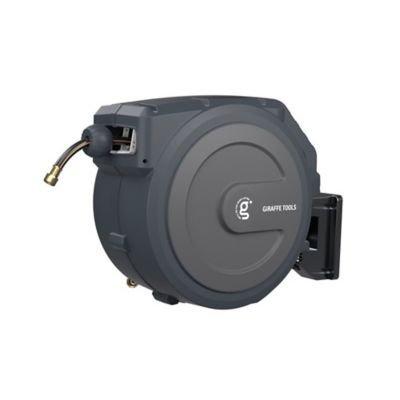
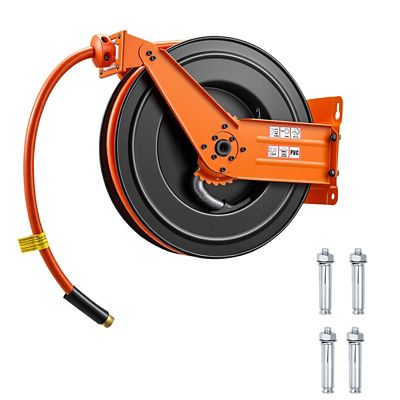
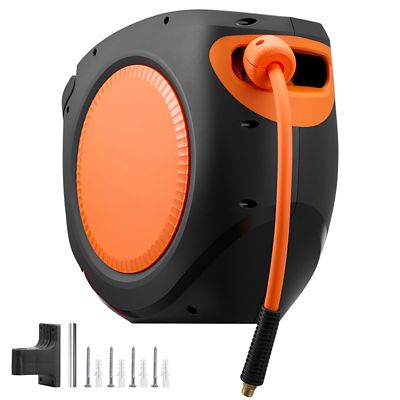
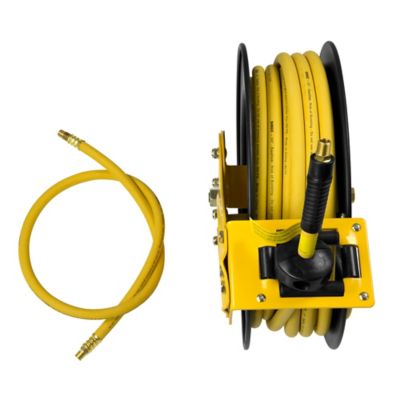
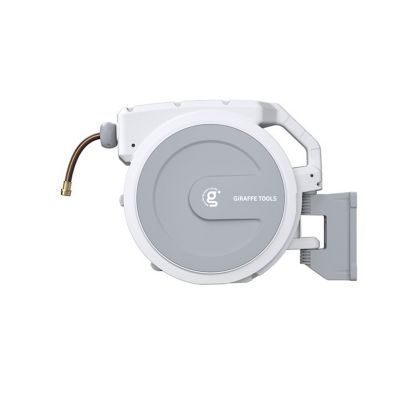
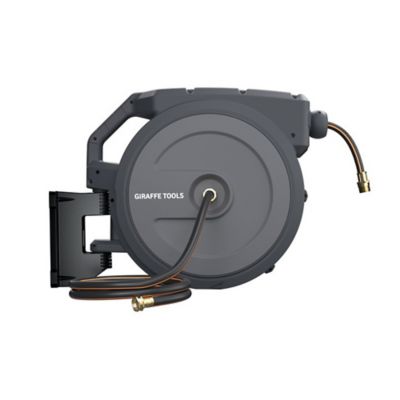
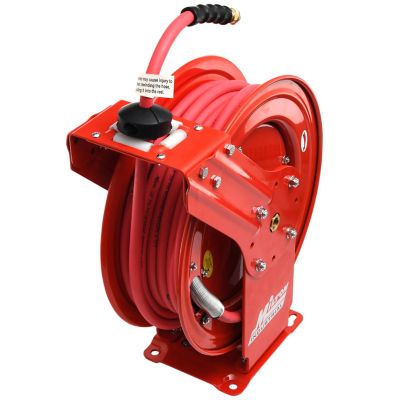
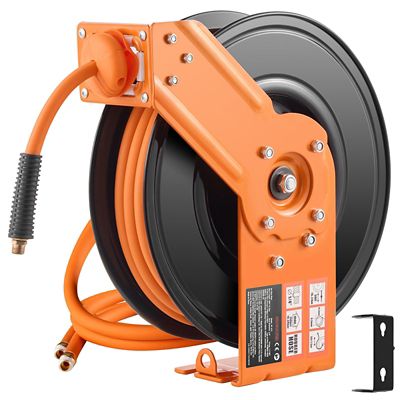
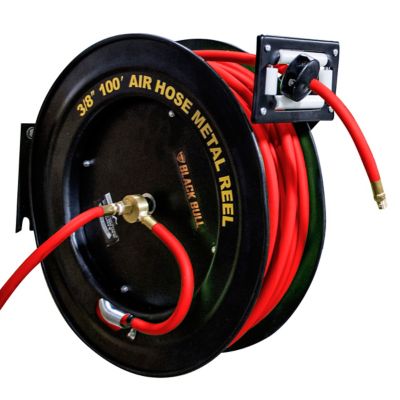
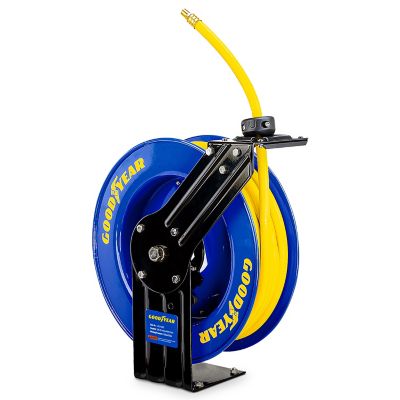
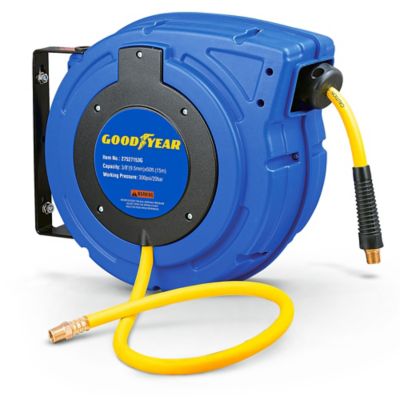
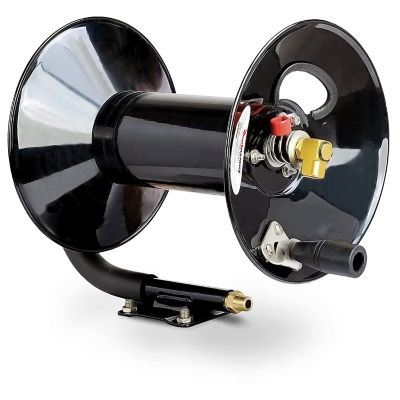
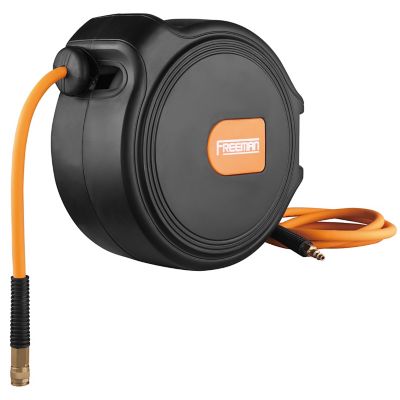
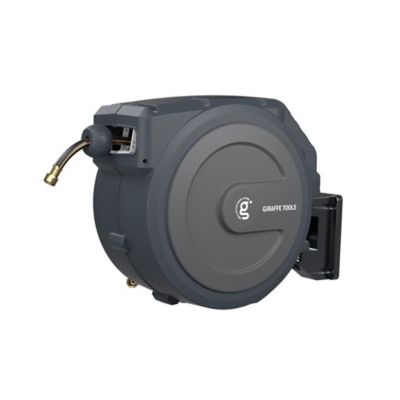
Automatic hose reels store a water hose and retract it with an internal winding mechanism, cutting down on hand cranking and loose coils around the faucet. Many retractable garden hose reels rely on a spring that builds tension as the hose pulls out, then draws it back into the housing when the locking mechanism releases. On many designs, a short tug starts the return, though the release method varies by model. That setup comes in handy for everyday chores: watering a vegetable patch, rinsing mud off barn boots, washing garden tools or reaching containers along a porch. Instead of gathering several loops by hand after each job, the hose returns to one storage spot. A slow-return mechanism can make that movement more manageable, while an internal guide helps distribute the hose across the spool. The right fit starts with the ground the hose needs to cover. Hose length should account for the actual route from the reel to the farthest watering spot, including turns around beds, fence corners and buildings, rather than just the straight-line distance. A little working room at the end is helpful, but unnecessary length adds weight and can increase pressure loss. Inside diameter matters, too. A larger hose bore generally supports more water flow under comparable conditions, while a narrower hose may be easier to pull around a small yard. Supply pressure, hose length, fittings and the nozzle all affect how water comes out at the far end. For a few porch pots, easy handling may matter most; for rinsing a broad work area, flow and reach deserve a closer look. An automatic reel keeps hose storage close to the task, but it does not increase the pressure coming from the faucet. Matching the reel to the space and the work makes more sense than choosing by hose length alone, especially where gates, walkways and animal pens shape the route.
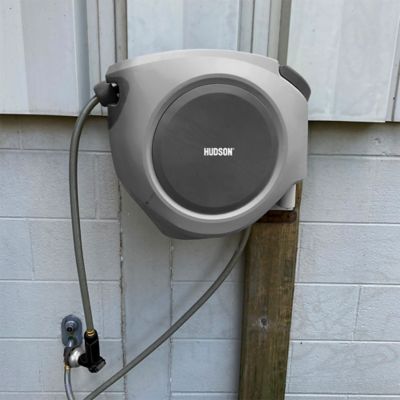
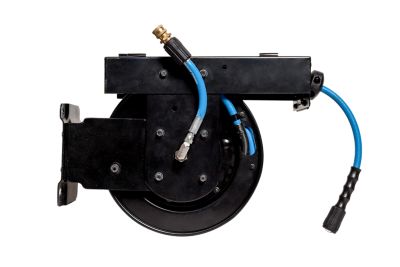
Construction and mounting style help determine how an automatic hose reel fits into daily chores. Molded plastic housings keep the mechanism enclosed without adding much weight, while metal brackets and mounting hardware support the load as the hose pulls out and winds back in. Corrosion-resistant fittings and hardware are worth considering anywhere connections stay damp or watering happens often. The hose itself may be rubber, PVC or a blended material, with flexibility, weight and resistance to kinking varying by construction. Reinforcement helps the hose handle its rated operating pressure, but the reel, hose and attachments still need to stay within the limits listed by their manufacturers. An enclosed shell keeps the spool out of the way, though it does not eliminate the need to wipe away dirt or check connections. Wall-mounted reels work well near a faucet when the wall and mounting hardware can support the unit and the pulling force during use. A solid post can offer another mounting point near a garden or work area when the bracket allows it. Brick, concrete, wood framing and other surfaces call for suitable fasteners; thin siding by itself is not a structural mounting surface. Swiveling brackets let the housing follow the direction of the pull, reducing sharp bends where the hose exits. Clearance matters here, since the reel needs room to swing without bumping a wall, gate or parked equipment. The inlet hose also needs enough reach to connect to the faucet without stretching or folding tightly. Thread size and connection type should match the water supply and attachments, and sound washers help keep threaded joints from dripping. Mounting height deserves some thought as well: the hose should pull comfortably, the controls should remain within reach and the housing should sit clear of foot traffic. Near a barn aisle or garden entrance, a tucked-away position can keep the reel accessible without putting it in the path of a wheelbarrow.
The everyday feel of an automatic hose reel comes down to details that are easy to overlook until watering becomes a regular chore. A locking mechanism that holds at useful intervals lets someone work around a flower bed without keeping constant tension on the hose. A hose stopper keeps the nozzle end from disappearing into the housing, and controlled retraction helps prevent a fast return. Even with those features, walking the hose back while keeping hold of it gives better control than letting the end snap toward the reel. Children and animals should stay clear of the return path, and the nozzle should not drag through gravel, manure or freshly worked soil on its way in. A reel keeps excess hose gathered, but the extended section can still cross a walkway or catch beneath a gate. Care usually centers on keeping that hose path clear, wiping off grit before retraction, checking washers and looking for cracks, bulges or leaks. Shutting off the supply and releasing trapped pressure after watering should follow the manufacturer’s directions. Service access varies: some designs allow hose replacement, while others have enclosed assemblies that limit repair options. A spring-loaded housing contains stored tension and is not something to open casually. Watering needs matter beyond storage, too. Drinking water, animal water and edible-crop applications call for checking the hose’s stated suitability rather than assuming every garden hose has the same rating. For shoppers comparing storage styles, the
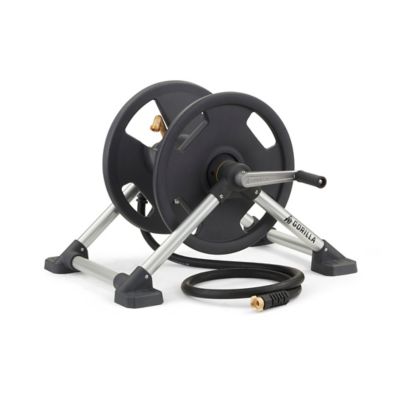
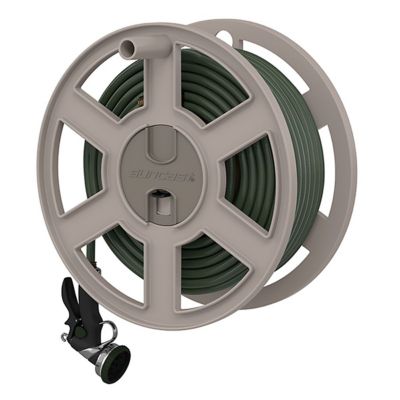
Water Hose Reel category also covers options with different winding and mounting arrangements. Automatic retraction makes particular sense for gardeners, property owners and anyone who repeatedly pulls out a hose for short tasks and wants a simpler finish. It can also make a practical gift for someone setting up a garden or improving a busy watering spot, provided the hose reach, mounting space and connection details suit the place where it will go.