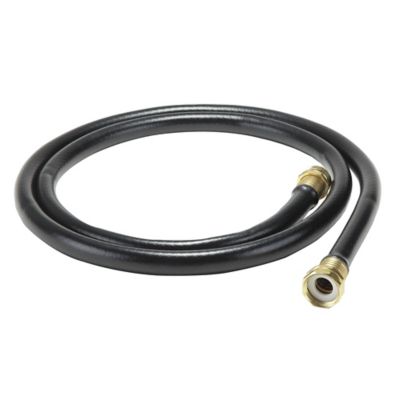
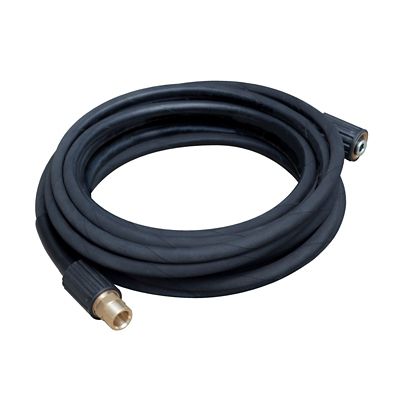
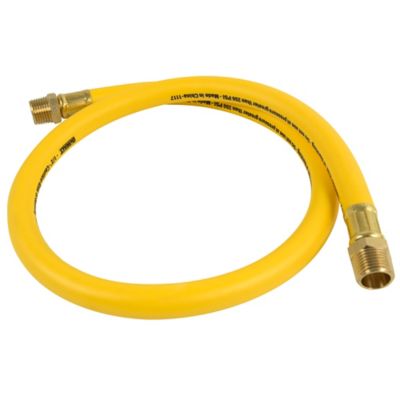
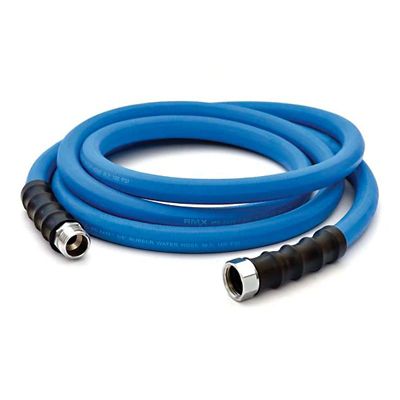
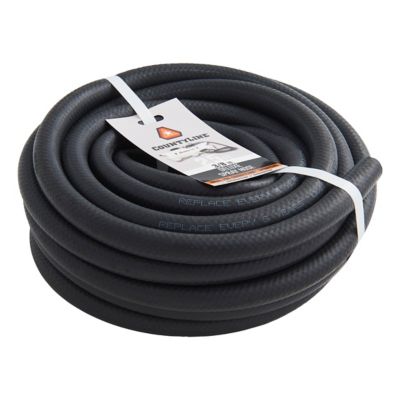
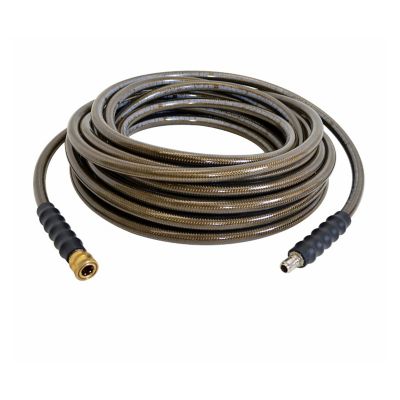
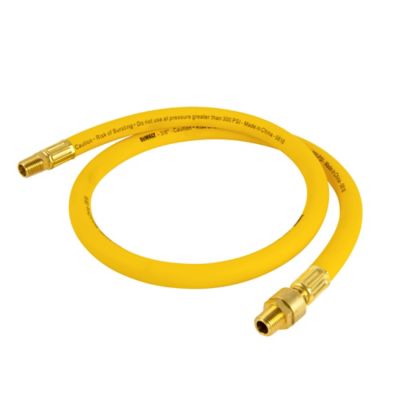
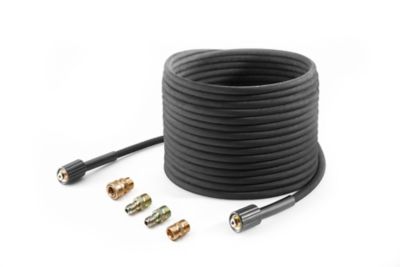
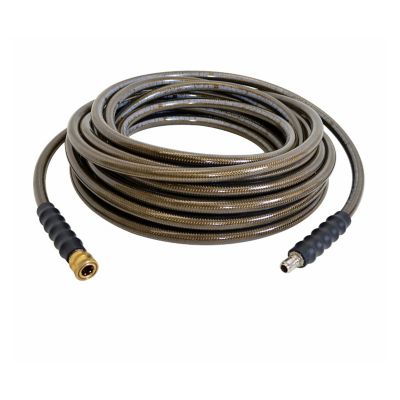
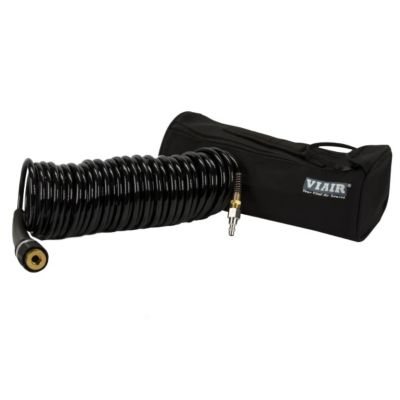
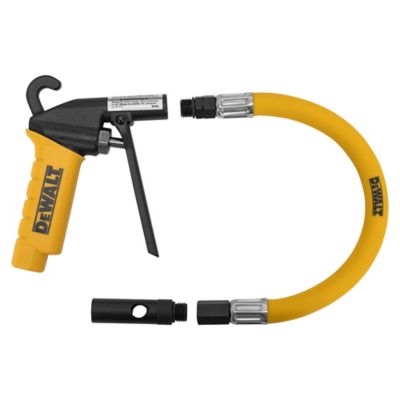
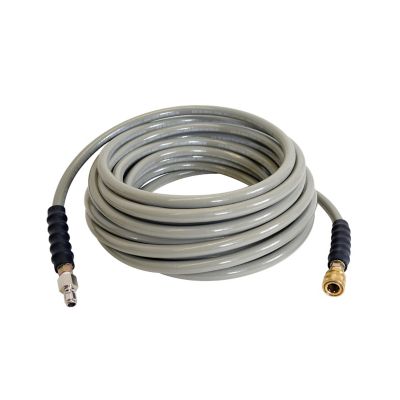
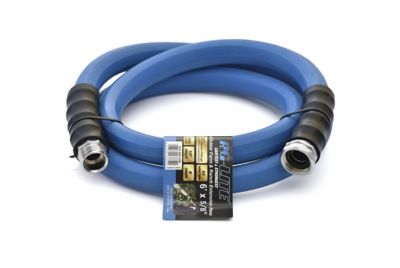
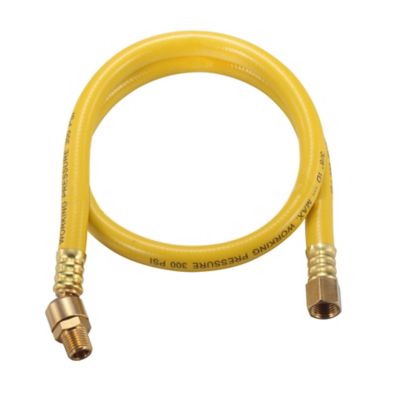
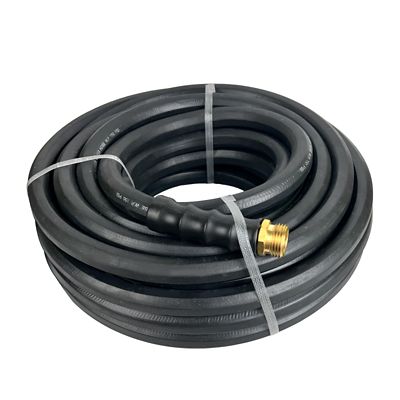
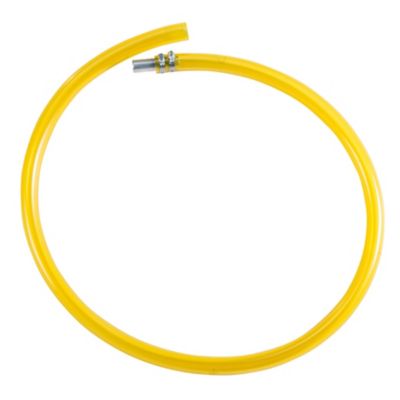
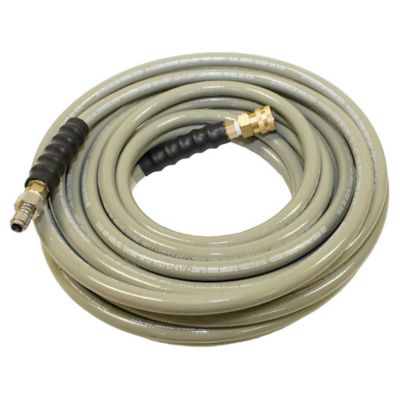
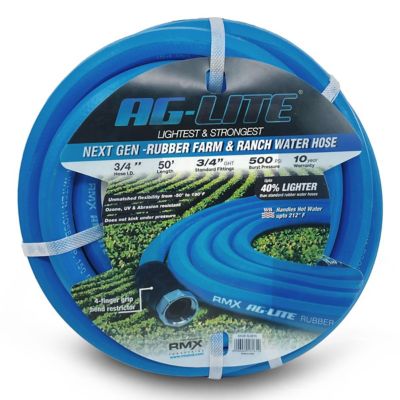
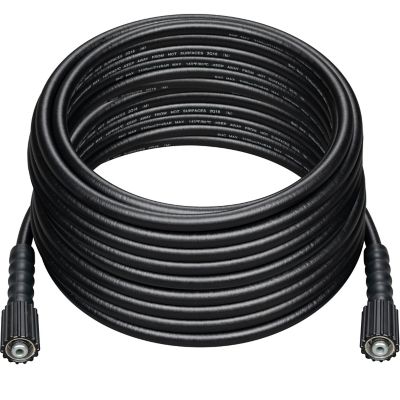
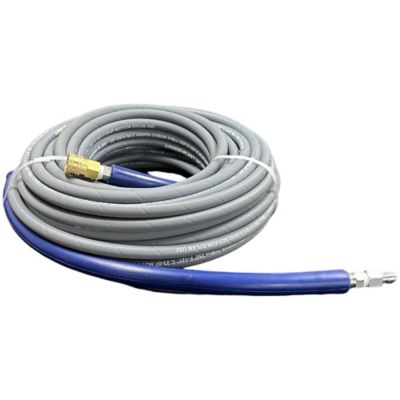
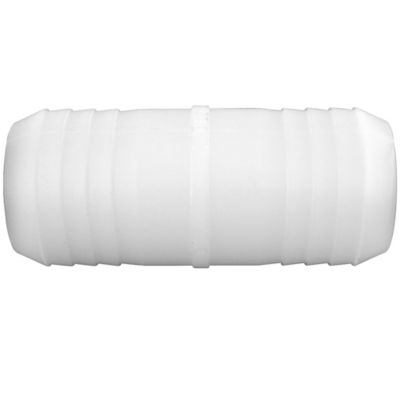
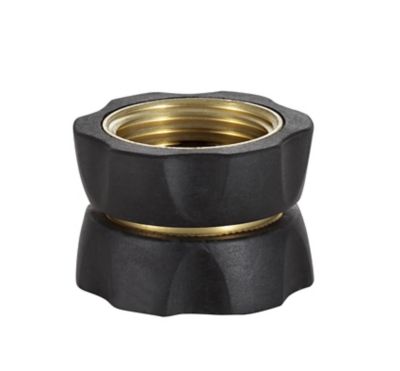
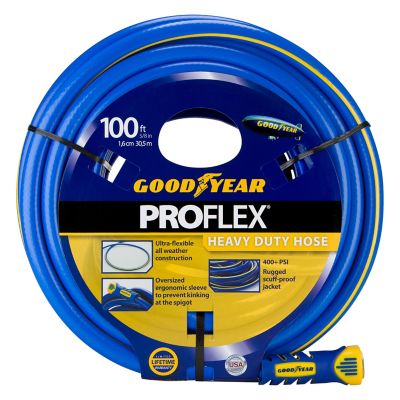
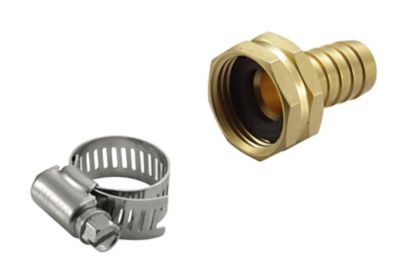
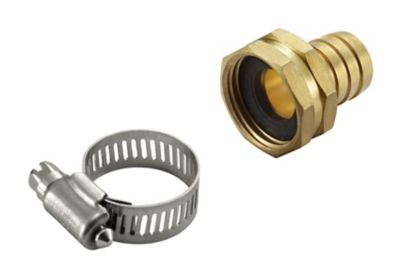
Hose extensions make it easier to get water where it needs to go without wrestling a full-length hose around the side of the house, across a garden, or through a busy work area. In many cases, a hose extension is a short connector hose, often about 1 to 6 feet long, that bridges the space between an outdoor spigot and a garden hose, reel, pressure washer, or other watering setup. This short length can make a big difference at the faucet, where a regular hose is most likely to bend sharply, twist, or pull against the connection. A leader hose gives a hose reel a little breathing room and helps keep the main hose lined up for smoother winding. An anti-kink spring extender serves a similar purpose in a smaller package, helping protect the hose from folding tightly right where it leaves the spigot. These handy connectors are useful around farmyards, gardens, kennels, barns, workshops, and suburban yards alike. Anyone who has dragged a hose around a corner only to find it pinched flat against the faucet knows how much time a simple extension can save. They can also help keep a hose from rubbing against brick, siding, concrete, or a sharp edge, which may reduce wear on the hose and fittings over time. For shoppers looking for a little more reach, standard extension hoses can connect to another hose to carry water farther down a fence line, across a lawn, or toward a raised bed. Browse related
Supply Hoses to compare additional hose options for watering, cleaning, and everyday outdoor chores.
Choosing the right hose extension starts with looking at the job and measuring the gap. A short leader hose is usually a good fit when the goal is to connect a wall spigot to a reel or keep a heavy hose from making a hard turn. Measure from the faucet to the reel inlet, then allow enough length for a relaxed curve instead of a stretched, tight connection. If the spigot sits behind shrubs, garden edging, stacked firewood, or other obstacles, a faucet or bib extender can move the connection to a more convenient location. Some are designed to mount upright or at a standing height, which can save a gardener from reaching into thorny bushes or stepping into a flower bed every time the water needs to be turned on. This type of setup can be especially helpful for older adults, anyone with limited mobility, or households where several people share the watering chores. For farther reach, check the total length needed and make sure the connecting ends match the hose and faucet fittings already in use. Common garden hose connections are designed to work together, but it still pays to verify size, thread style, and whether a washer is included. A swivel fitting can make attachment easier and help keep the hose from twisting as it moves. Look for sturdy couplings, flexible construction, and materials suited to outdoor use. A reinforced end is helpful in places where the hose will be connected and disconnected often, while a flexible spring guard can protect the bend near the faucet. When adding several hose sections together, keep an eye on water flow and pressure, especially when using a sprinkler, spray nozzle, or other attachment at the far end. Longer runs and multiple connections may reduce the force available at the nozzle, so a simple, direct layout is often the best choice for routine watering.
Hose extensions are practical for many kinds of outdoor work, from filling livestock troughs and washing muddy boots to rinsing patio furniture, watering containers, and cleaning tools after a long day outside. Gardeners can use a faucet extender to reach beds without trampling seedlings or compacting freshly worked soil. A homeowner setting up a hose reel near the driveway can use a leader hose to keep the main line off the ground at the spigot. At a barn or shop, an extension can help position a hose connection away from traffic, reducing the chance of a tire, wheelbarrow, or boot catching on it. These useful accessories also make thoughtful gifts for new homeowners, gardeners, hobby farmers, and anyone who spends weekends tending a yard or homestead. Before storing an extension, shut off the water and release pressure from the line. Disconnecting fittings when freezing weather is expected helps prevent trapped water from damaging the hose or connection. During the warmer seasons, keep hoses out of prolonged direct sunlight when possible, and avoid leaving them stretched across driveways or walkways where vehicles and foot traffic can cause damage. Coil hoses in broad loops rather than tight circles, and check washers, couplings, and spring guards when a connection begins to drip. A replacement washer may solve a small leak, while a worn or cracked fitting is a sign that the extension should be replaced. With the right length, dependable fittings, and a little care between uses, hose extensions help create a cleaner, more manageable watering setup that works comfortably through changing weather and everyday chores.