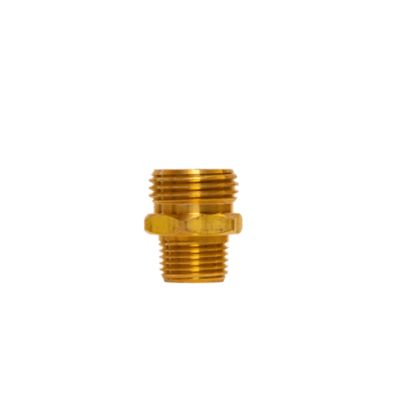
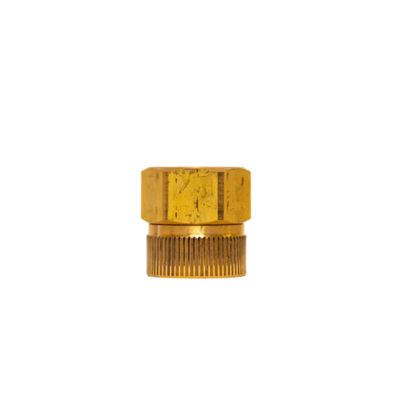
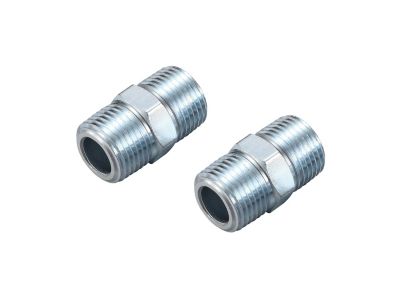
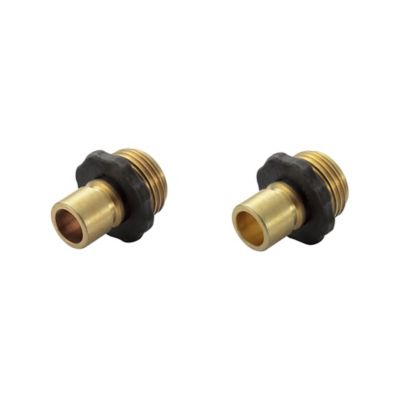
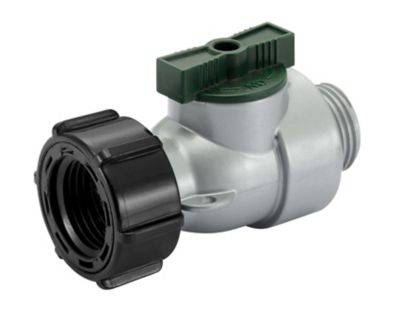
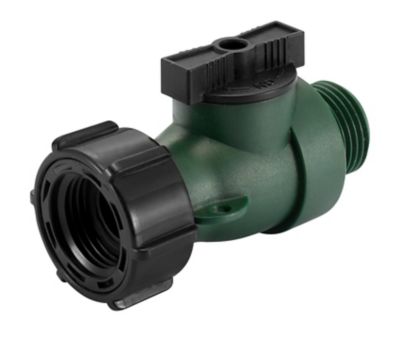
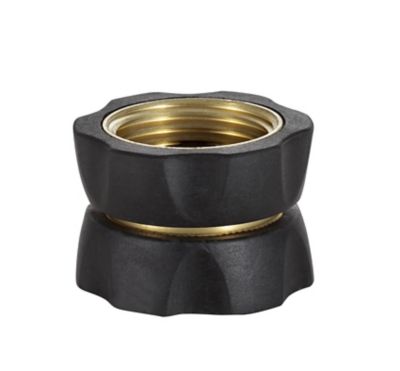
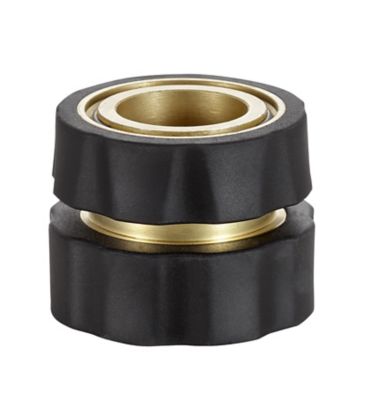
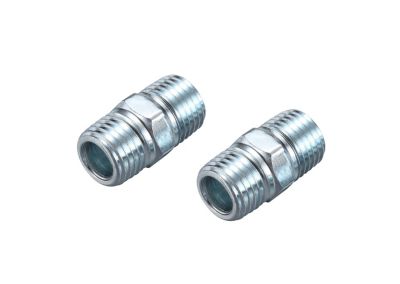
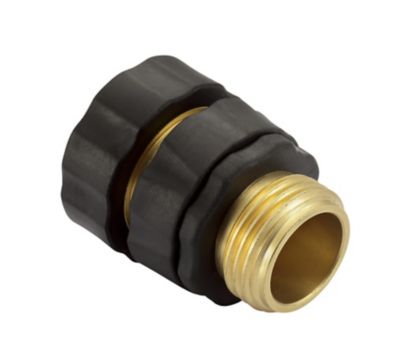
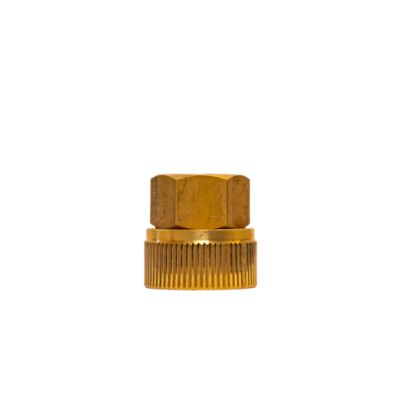
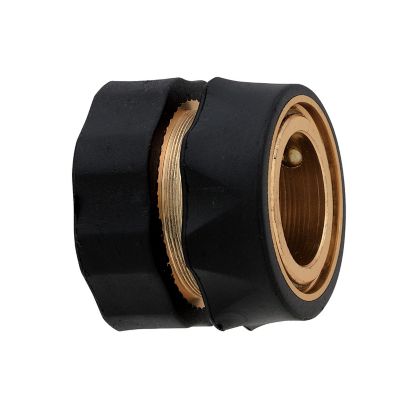
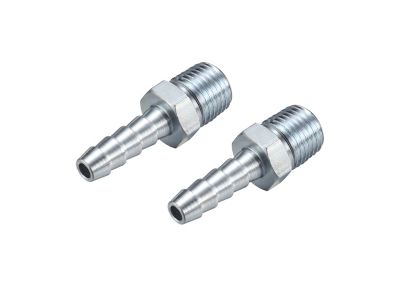
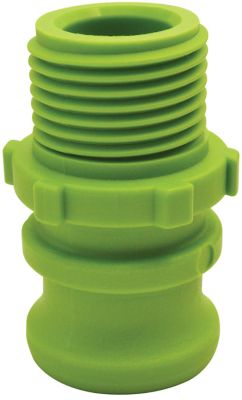
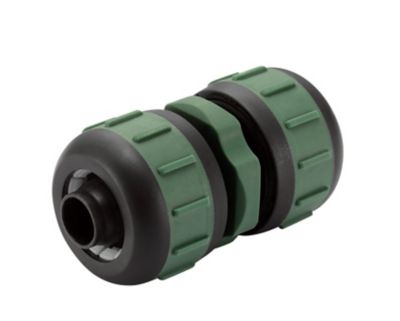
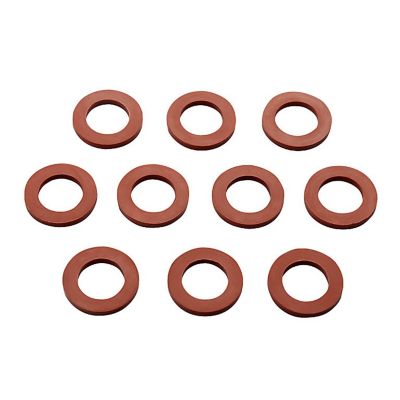
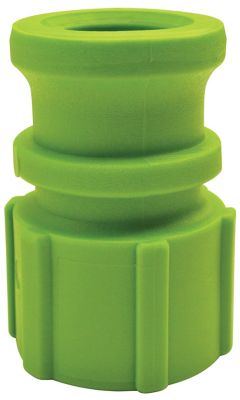
Hose to hose connectors join two hose ends to extend a watering line or connect ends that do not fit together on their own. Two standard garden hoses with matching threads usually screw directly together, with the male end of one hose fitting into the female end of the next. A female-to-female connector joins two male hose ends, while a male-to-male connector joins two female ends. Knowing which ends need to meet is the first step toward choosing the right fitting. Male ends have threads on the outside; female ends have threads on the inside and typically hold a flat sealing washer. Most garden hoses in the United States have nominal 3/4-inch garden hose thread connections, often marked GHT, but checking the connection specifications matters, especially around specialty watering equipment. That thread designation is separate from the hose’s inside diameter, so a 5/8-inch hose can have the same standard end connection as a 3/4-inch hose. Garden hose threads also differ from tapered pipe threads, even when the stated sizes look similar. Forcing those connections together can damage the threads without making a watertight joint. Around a small acreage, a connector can help an existing hose reach a stock tank, carry water to a garden bed beyond the shed, or link a shorter section to a longer run near the barn. The right fit depends on the work at hand: how far the water needs to travel, how often the connection comes apart, and whether the hose rests on grass, gravel, or concrete. A simple threaded coupling suits a connection that stays together through regular chores, while a compatible quick-connect system can make repeated changes less of a hassle. Matching the connector to both hose ends keeps the setup straightforward and helps prevent a small mismatch from becoming a steady puddle beside the work area.
Materials and construction affect how a hose connector handles everyday knocks, repeated tightening, and contact with water. Brass fittings have a solid feel and stand up well to frequent handling, though drinking-water suitability depends on the fitting’s stated certification rather than its appearance. Aluminum fittings are lighter, while polymer fittings can be easier to handle when weight matters. With any material, look at the thread condition, wall thickness, gripping surface, and seal design rather than judging by color alone. Broad flats or textured collars can help when hands are damp or a connection sits close to a wall. Swiveling female collars allow the fitting to turn without twisting an entire length of hose, which is handy when connecting a line already stretched along a fence. For standard threaded garden hose joints, the washer inside the female end provides the seal; extra tightening does not make up for a missing, hardened, or split washer. These connections generally do not need thread-sealing tape. Start the threads squarely by hand, tighten according to the fitting’s directions, and turn the water on gradually to check for leaks. If water escapes around the joint, shut off the supply before separating the connection and inspecting the washer and threads. Quick-connect fittings work differently, with mating plugs and sockets that must match the same connection system. Some include a shutoff feature, while others allow water to pass whenever the supply is on, so that distinction matters when swapping attachments. Repair-style couplings may secure directly to cut hose ends with clamps or another fastening system; those need to match the hose’s inside diameter and construction. Keep garden hose connectors within their stated pressure limits, and do not treat them as substitutes for pressure-washer, hydraulic, compressed-air, or chemical-transfer fittings. Where water may be consumed by people or animals, check the suitability of the entire water-contact setup, including the hose, seals, and connector.
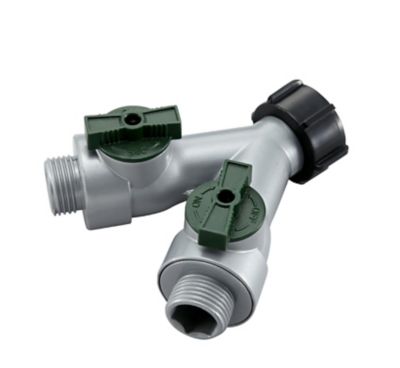
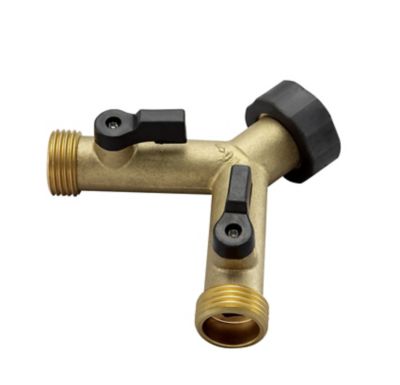
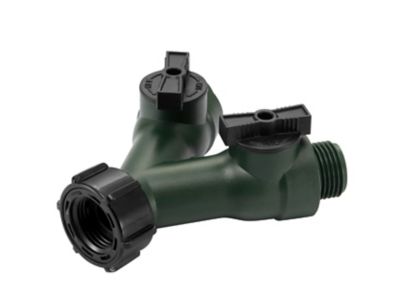
A longer hose run can make chores easier, but length and layout still affect the water reaching the far end. Adding hose increases resistance to flow, and a narrow connector opening can restrict it further. That matters when filling a large trough or running watering equipment that needs a certain flow rate to work properly. A connector with an opening suited to the hose helps avoid an unnecessary bottleneck, though it cannot overcome limited supply pressure or an undersized line. For a run from an outdoor faucet past the equipment shed, place joints where they can be checked without crawling through brush or pulling apart a stack of supplies. Keep connections out of wheel tracks, away from gates that swing across the hose, and clear of sharp edges that can wear through the outer covering. Leave enough slack that moving a sprinkler or reaching the far side of a pen does not put constant strain on the coupling. A hose to hose connector extends one continuous line; it does not necessarily divide the flow between separate watering areas. For layouts serving more than one direction,
Multi Hose Connectors are worth considering alongside the connections needed for each individual run. After chores, shut off the supply and release trapped pressure before disconnecting fittings. Brush or rinse grit from exposed threads, check sealing washers for wear, and store loose connectors where dirt cannot pack into the openings. Avoid dragging metal connections across concrete or leaving a joint under the weight of equipment. When a leak returns after a washer replacement, inspect for cracked housings, flattened threads, or damage to the hose end instead of tightening harder. For gardeners, livestock owners, and anyone keeping water moving around a property, a well-matched connector is a small part with a practical job: joining the line securely, keeping handling manageable, and getting water where the work is.