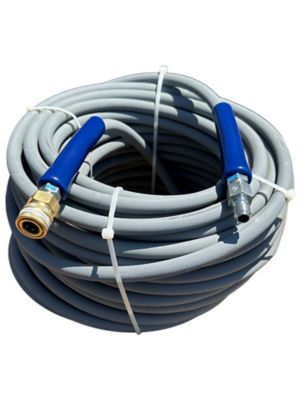
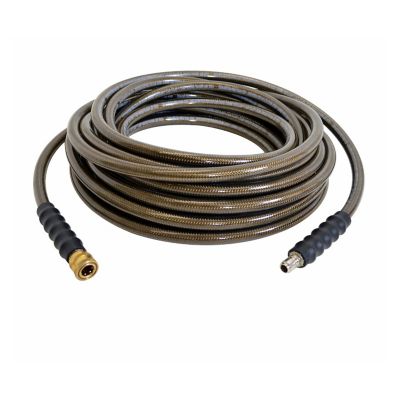
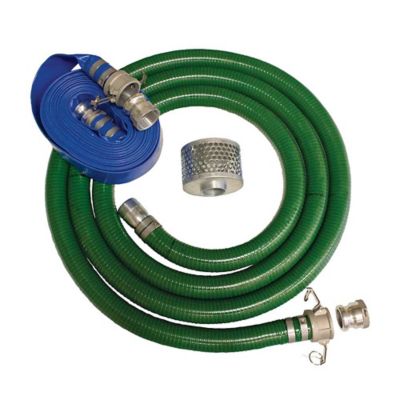
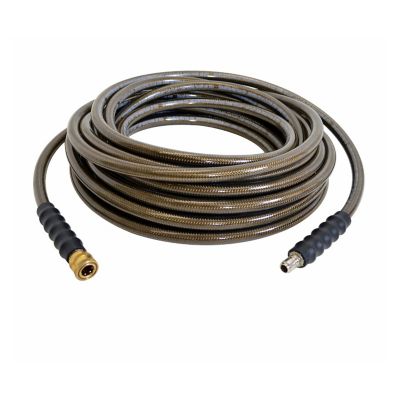
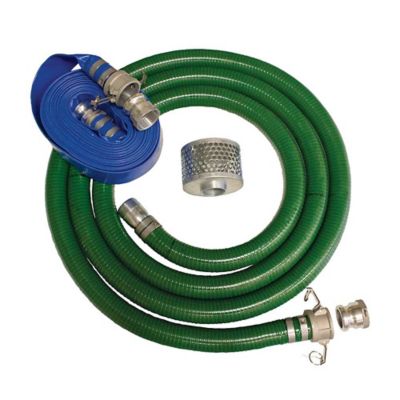
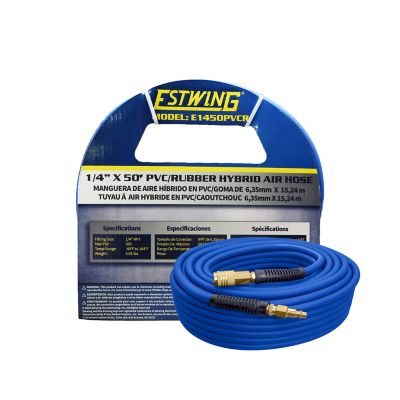
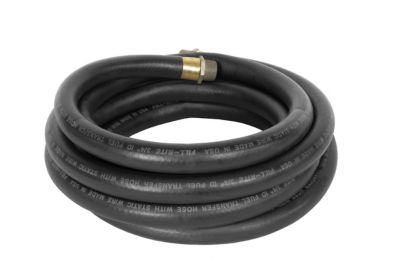
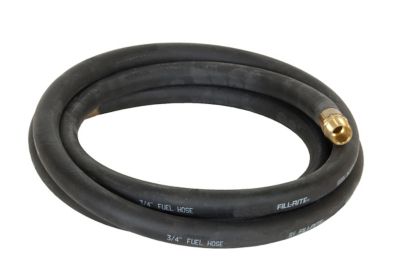
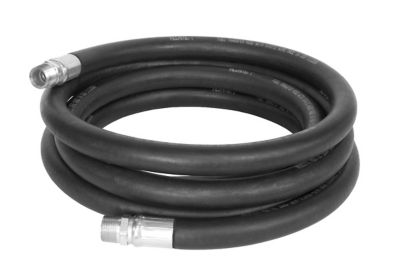
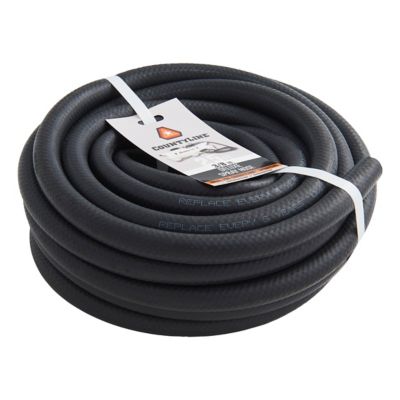
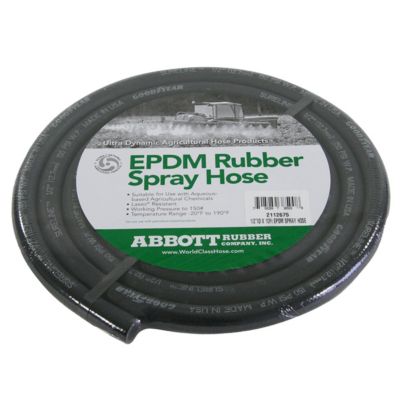
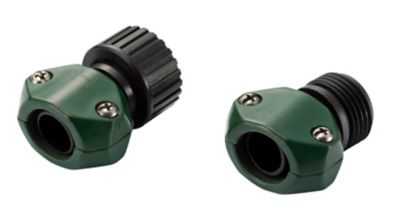
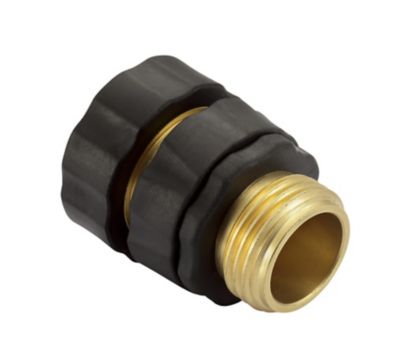
Quick connect hoses and fittings make it easier to move between watering and cleanup jobs without threading a nozzle on and off every time. A quick connect system joins a hose to a faucet, watering attachment, or another hose through a matched plug and socket. Depending on the design, the pieces lock together with a push, a sliding collar, or a short twist. That means a watering wand can come off and a spray nozzle can go on without repeatedly turning threaded connections. Around a small acreage, that convenience adds up when the same hose handles flower beds near the porch, a vegetable patch behind the house, and muddy boots by the barn door. These connections also suit homeowners tending patio containers, gardeners moving sprinklers between beds, and folks who switch between a gentle shower for plants and a stronger stream for rinsing tools. Some hoses have quick connect ends built in, while separate adapters add that function to compatible threaded hoses and attachments. A typical arrangement places a socket on the hose end and a matching plug on the watering tool, though the layout depends on the system. The threaded side of an adapter and its quick connect side have separate jobs, so male or female thread descriptions alone do not establish whether two quick connect pieces will fit together. Matching connection profiles matter just as much as matching the threads. For everyday watering, a secure connection should stay seated as the hose moves across the yard without making attachment changes a wrestling match. A broad collar or textured grip can be easier to handle with wet hands or work gloves. Swivel features on some connections help reduce twisting at the attachment, while compact fittings keep extra weight off a handheld nozzle. The best fit comes down to the whole setup: where the water starts, how far the hose needs to reach, what attaches at the working end, and how often those attachments change. A hose that stays on one sprinkler has different demands than one making several stops around the property.
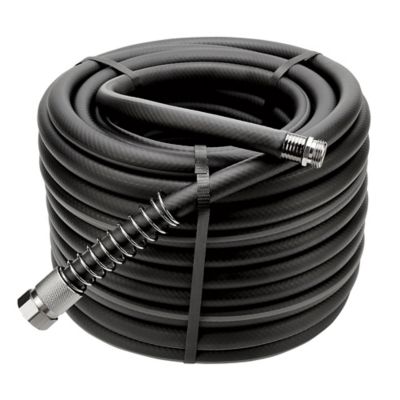
Fit starts with the connections already on the faucet, hose, and watering tools. In the United States, many garden hose connections have nominal 3/4-inch garden hose threads, but that thread designation is separate from the hose’s inside diameter. A hose marked 5/8 inch describes its bore, not a different size of standard garden hose thread at the ends. Garden hose threads also differ from pipe threads, even when the size markings look similar. Beyond the threaded ends, quick connect plugs and sockets need matching dimensions and locking shapes; similar-looking fittings from different systems are not necessarily interchangeable. Water pressure ratings and the opening through each connector deserve attention, too. A narrow passage can restrict flow, especially on a long run or when an attachment needs a steady supply of water. For filling a large tub or running a sprinkler, a less restrictive connection may matter more than a compact shape. Material choice affects weight, handling, and resistance to wear. Brass fittings have a substantial feel and stand up well to repeated handling, though their weight is noticeable at the end of a light hose. Plastic fittings keep the connection lighter and avoid metal-to-metal corrosion, with performance depending on the material and construction. Aluminum and stainless steel appear in some designs, each with its own balance of weight and corrosion resistance. Hose construction matters alongside the fittings: rubber often offers flexibility and abrasion resistance, vinyl can be lighter to carry, and hybrid materials aim to balance handling and toughness. Reinforcement, bend resistance, and firmly attached end fittings all help a hose cope with being pulled around fence posts or across gravel. For drinking-water applications, look for an explicit potable-water rating on the hose and connected components rather than assuming that any garden setup is suitable. Pressure washer and compressed-air quick connections belong to different applications, so garden watering fittings should not be treated as substitutes.
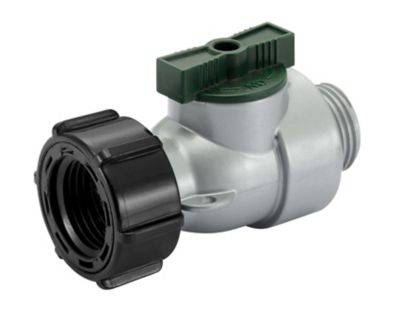
Small details make a noticeable difference once the hose is doing daily chores. A flow-stop or automatic shutoff fitting can close the water path when a matching attachment is removed, helping limit the splash during a changeover. That feature is not built into every quick connect, and its operation depends on the design. A separate shutoff valve offers another way to control water near the working end, but neither feature changes the need to follow the connection’s pressure limits and disconnecting directions. Where required, shutting off the faucet and relieving pressure keeps a coupling from being separated under load. Seals deserve the same attention as the locking mechanism. Many threaded garden hose connections seal against a flat washer, while the quick connect joint commonly relies on an O-ring. A missing washer, grit on a sealing surface, or a damaged O-ring can cause dripping even when the pieces appear firmly connected. Thread tape is not a substitute for the washer in a washer-sealed garden hose connection. Clean sealing surfaces, correctly seated washers, and hand-tightened fittings generally do more good than forcing a connection tighter. A hose pulled taut around a corner puts strain on the coupling, so enough length and a clear route help protect both ends. For reaching a farther bed or extending a watering run,
Hose To Hose Connectors provide another connection option, with thread fit and flow capacity still worth checking. Between jobs, keeping connector ends out of dirt and draining the hose before storage helps reduce mess and trapped water. A hose reel or broad coil keeps the line orderly without sharp bends near the fittings. An occasional check for split collars, worn locking parts, flattened washers, and cracked hose ends can catch trouble before water starts spraying beside the porch instead of reaching the garden. For anyone who handles watering and washdown chores regularly, well-matched quick connect hoses and attachments can make the routine simpler, with less fiddling at each stop.