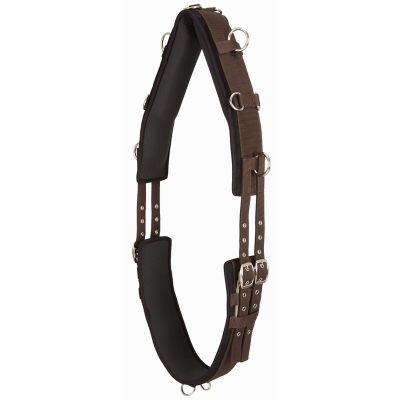
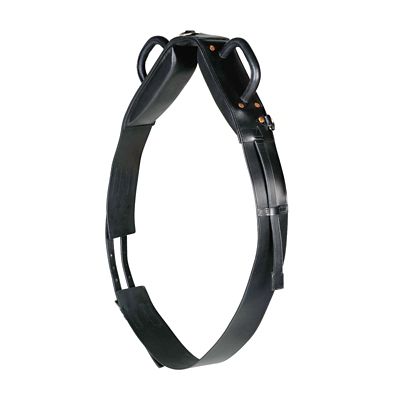
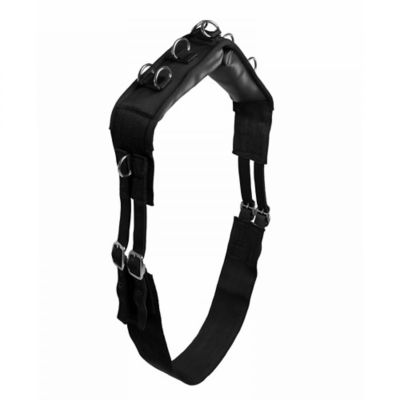
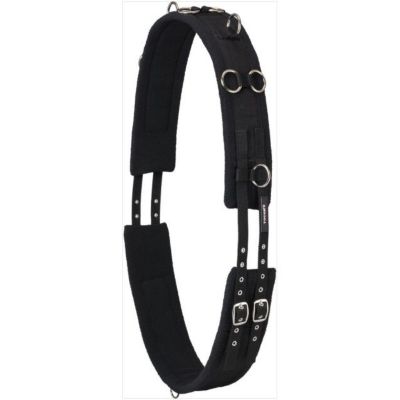
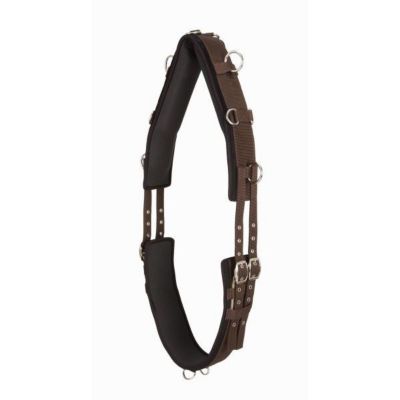
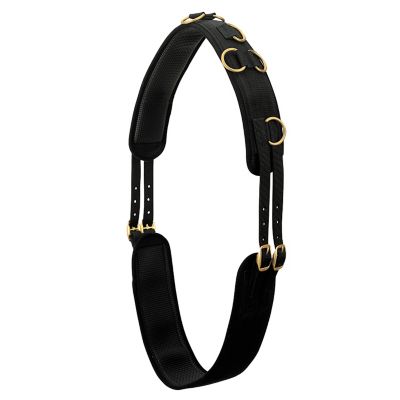
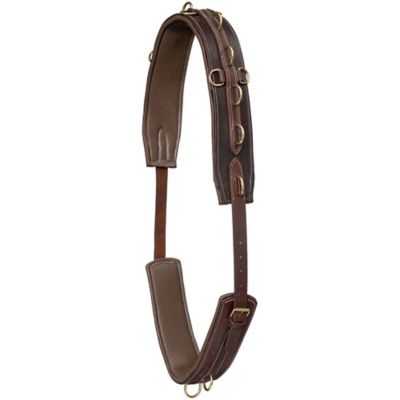
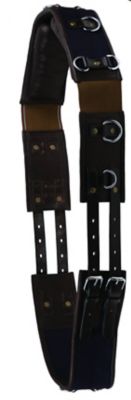
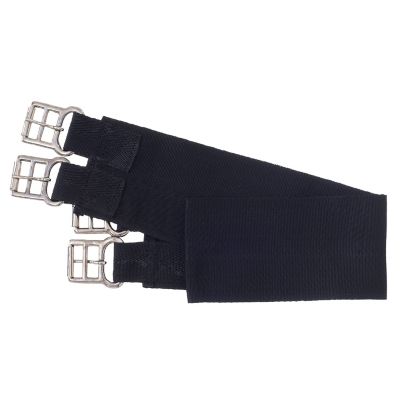
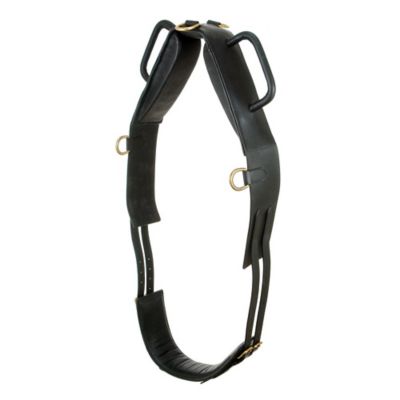
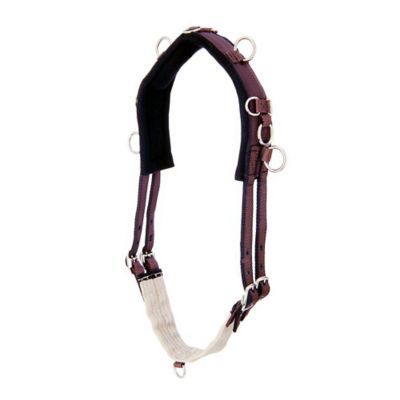
Horse surcingles, sometimes called rollers, are useful pieces of horse tack for groundwork, lunging, long-lining and keeping certain blankets or sheets in place. A surcingle fits around the horse’s barrel, generally just behind the shoulder blade and withers, rather than around the chest. Its wide strap and multiple rings give you practical attachment points for a lunge line, side reins, training aids or long lines at different heights. Riders, trainers, barn owners and 4-H families may all find a surcingle handy, whether they are starting a young horse, helping an older horse stay active, or building a steady routine without putting a saddle on every time. It can also be a thoughtful gift for someone who spends time teaching groundwork or bringing along a green horse. When you are comparing horse surcingles, start with the job you have in mind. A basic nylon style can be a sensible choice for everyday barn work and is often easy to clean after a dusty session. Fleece-lined, neoprene or otherwise padded options may offer extra comfort for horses that are sensitive around the girth area, while leather styles bring a traditional look and sturdy feel when properly cared for. Look for strong stitching, dependable buckles and rings that are securely fastened to the body of the surcingle. Rings placed at several heights can make a difference for training setups, especially when you are adjusting line position as the horse gains balance and strength. A surcingle should be sized for the horse’s barrel, not chosen only by breed or height. A compact pony, a broad-bodied draft cross and a narrow young Thoroughbred may all need different dimensions, so take a careful measurement and check the seller’s sizing information before ordering. For smaller equines, related tack such as
Pony Bridles can help complete a properly scaled groundwork setup.
Fit matters just as much as material. Before putting the surcingle on, brush away loose dirt and bedding from the horse’s coat, then place it about two to three fingers behind the shoulder blade and just behind the withers. The front edge should not sit directly over the moving shoulder, and the back edge should not crowd the horse’s last ribs. If the surcingle has a pad, make sure it lies flat with no folded corners, bunching or trapped mane. Fasten both sides evenly, tightening a little at a time so the roller stays centered instead of sliding toward one side. It should be snug enough to remain stable but never cranked down. As a general check, you should be able to slide a flat hand, or roughly four fingers, between the girth area and the horse’s belly. Check the fit again after the horse walks a few steps, since the coat and pad may settle. There should be room for normal breathing and movement, with no pinching behind the elbows and no hard pressure along the spine or withers. Pay close attention to the rings, buckles and any areas where a line may rub. A “nutcracker” effect, where pressure pushes down on either side of the spine, can make a horse sore and unwilling, so good spine clearance and even padding are important. A properly fitted surcingle should stay in place while the horse bends, walks and trots without digging into the back or restricting the shoulder. Introduce new equipment quietly in a safe, enclosed area. Let the horse sniff it, lay it across the back and barrel, and walk around a few times before attaching lines or training aids. Keep the first sessions short, watch the horse’s expression and movement, and stop to readjust if the surcingle shifts, rubs or causes tension. Never leave a horse unattended while wearing a surcingle, side reins or attached lines, and inspect the tack before each use for cracked leather, stretched webbing, loose stitching or damaged hardware.
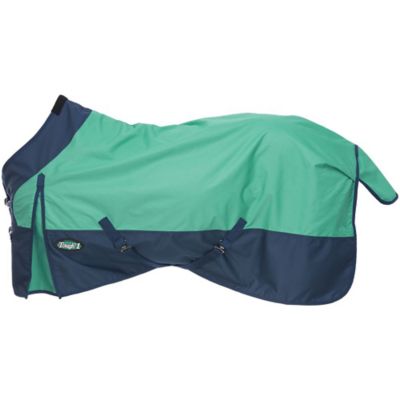
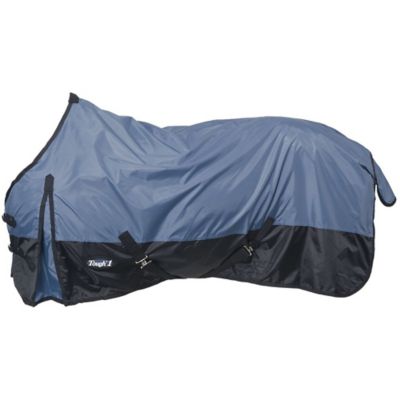
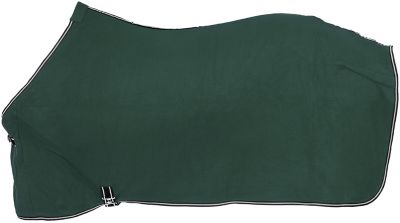
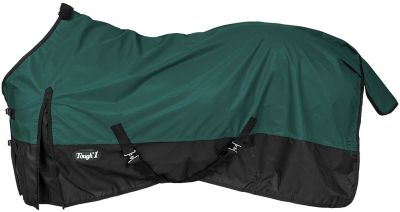
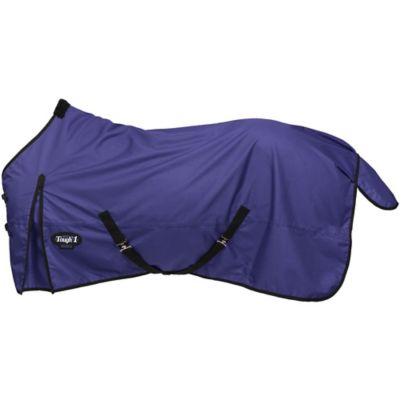
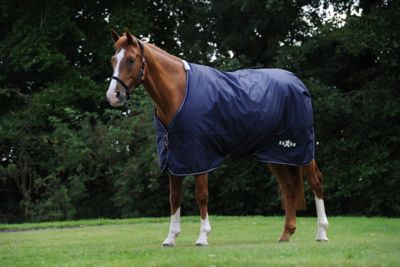
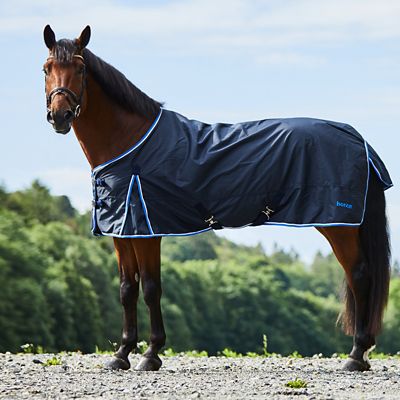
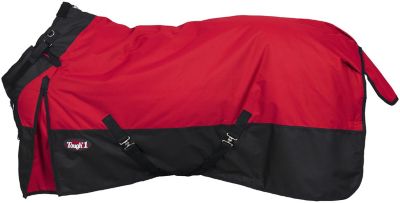
For lunging, the rings allow a handler to choose a line position that suits the horse’s experience and the exercise, but equipment alone does not create balance or a correct frame. A young or green horse may need a simple, low-pressure setup and plenty of forward walking before any additional training aid is introduced. Ground driving, also known as long-lining, is another common use. Lines can run through the surcingle rings and back to the handler, giving a familiar connection from behind while the horse learns steering, halts, turns and transitions. This work calls for a calm, experienced handler and a clear area free of gates, loose wire, machinery and other hazards. Some surcingles are also used over sheets or blankets to help keep them from shifting, especially when a horse rolls, lies down or moves around a stall. They should not replace a blanket that is correctly sized and securely fastened, and the horse should be checked often for rubs, sweat, dampness or slipping fabric. During the warmer part of the year, breathable materials and easy-clean construction can be helpful after dusty arena work or a sweaty training session. As cooler weather settles in, a well-fitting surcingle may help keep a stable sheet or turnout layer positioned, but it must not make the blanket tight across the shoulders or restrict the horse’s natural movement. Keep the horse’s age, build, training level and intended use in mind while shopping, and choose comfort and dependable construction over extra features that will sit unused in the tack room. With the right size and a thoughtful fit, a horse surcingle can become one of those hardworking barn tools that earns its place, whether it is used for a few minutes of groundwork before chores or as part of a steady training routine through changing seasons.