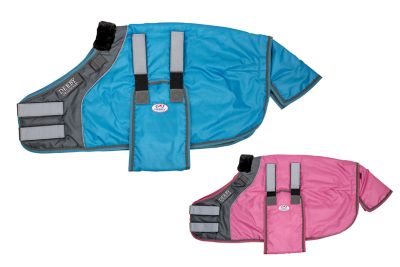
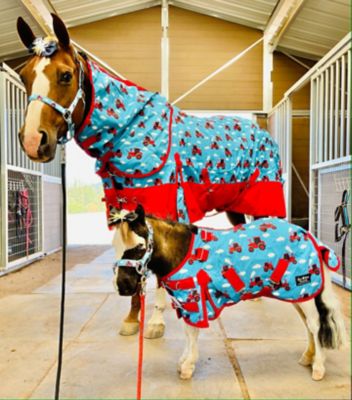
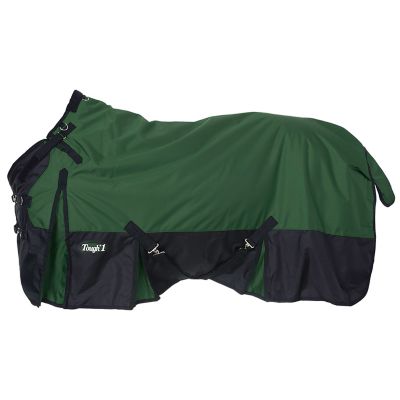
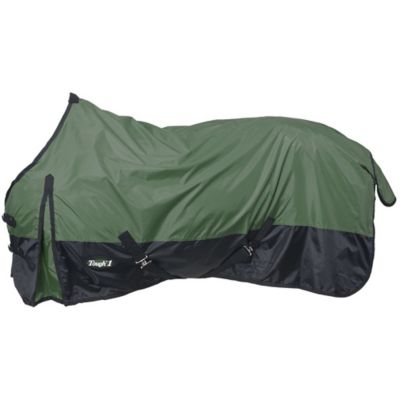
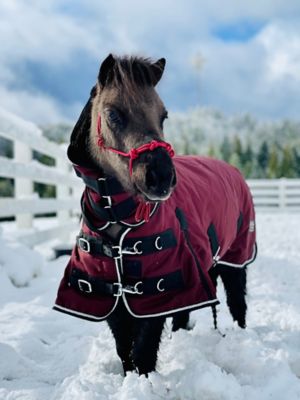
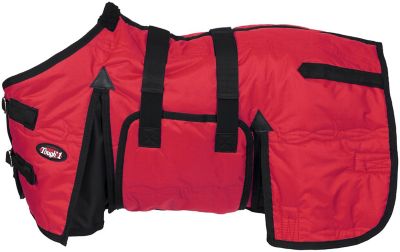
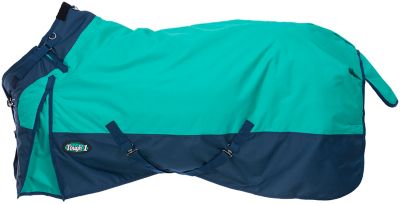
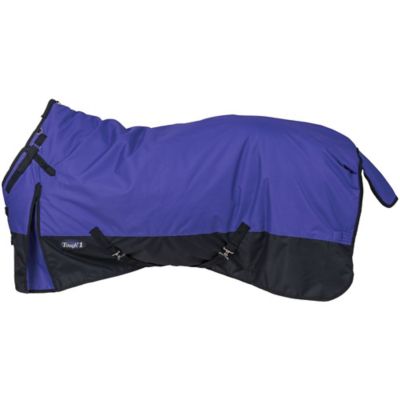
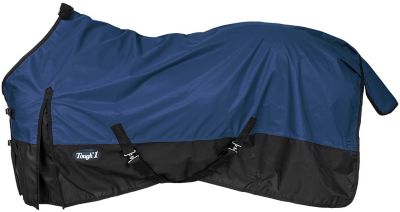
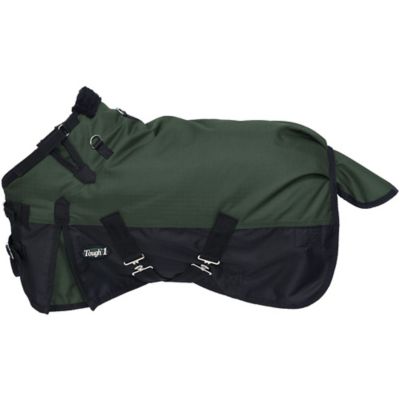
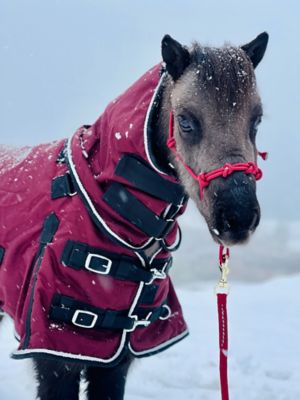
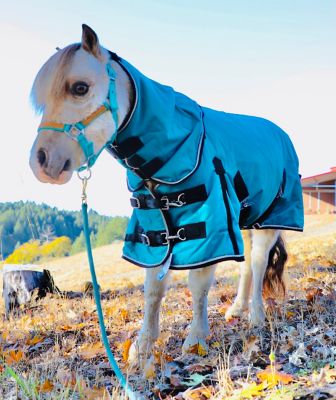
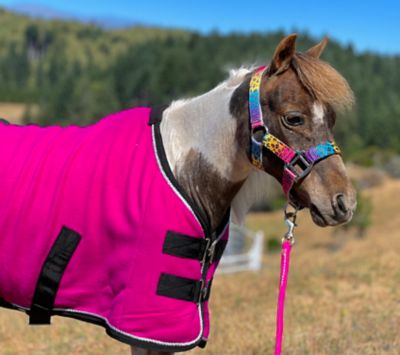
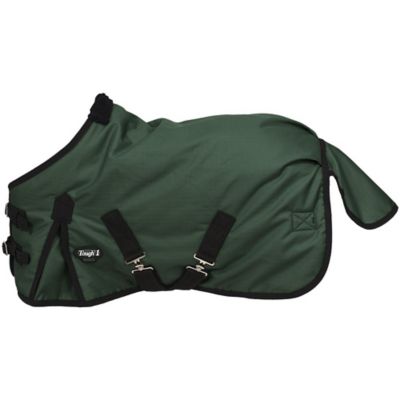
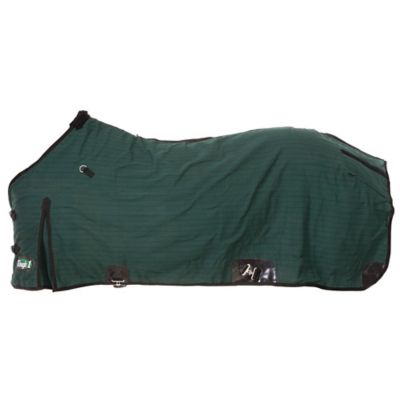
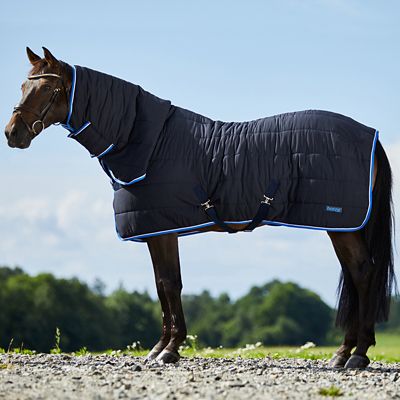
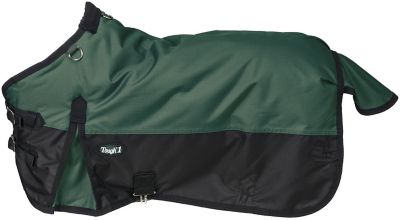
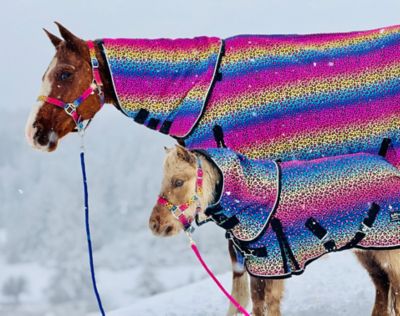
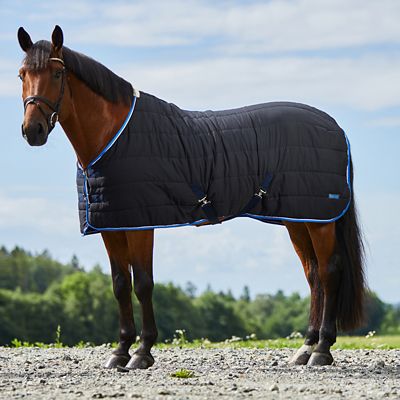
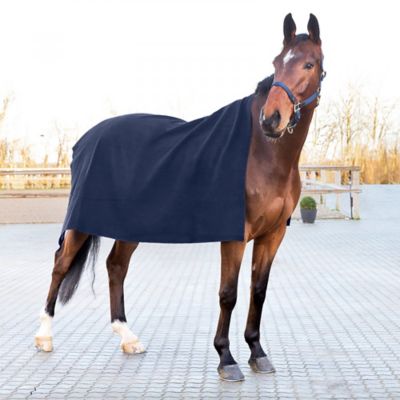
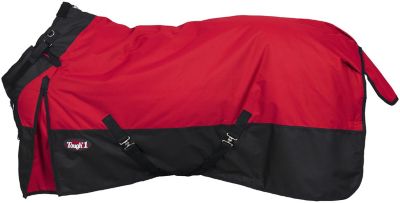
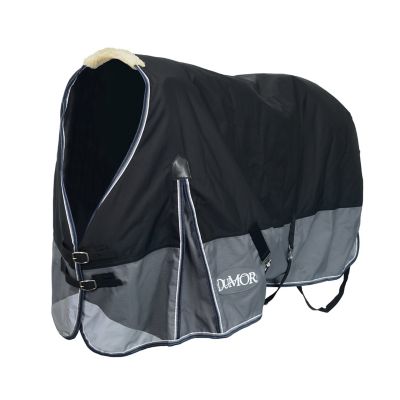
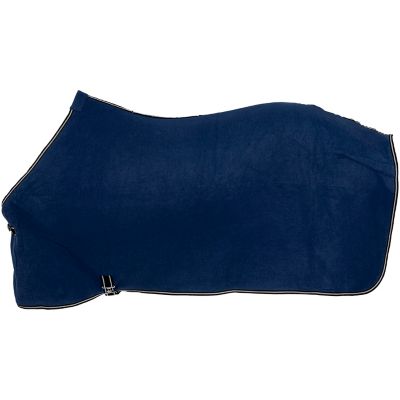
Horse jackets help horses stay comfortable when cooler air, wind and damp conditions roll across the pasture or settle around the barn. They can be a practical layer for clipped horses, senior horses, horses with lighter coats, or animals that spend part of the day outside during the cooler months. A well-chosen jacket may also help a horse settle in after exercise, during travel or while standing in a stall, especially when the temperature drops after sunset. Start by thinking about where the horse will wear it and what the weather usually brings. A lightweight layer can add a little warmth on crisp mornings, while an insulated option may be better for colder stretches. For rain and wet snow, look for an outer material that sheds moisture and blocks wind without trapping too much heat. Breathable fabric can help move moisture away from the coat after a ride, which matters when a horse is warm but the air outside is chilly. A fleece lining may feel comfortable for a horse that needs a little extra coverage, while a smooth lining can help the jacket slide over the coat without pulling or rubbing. If the horse moves between the stall, trailer and pasture, a versatile layer can make barn routines easier and reduce the need to switch clothing several times during the day.
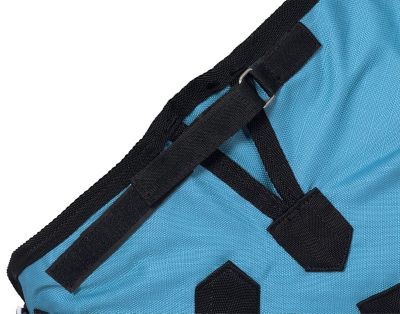
Fit deserves just as much attention as insulation. Measure from the center of the chest along the side of the body to the point where the jacket should end, then compare that measurement with the sizing information for each option. A jacket should cover the back and sides without pressing into the withers, shoulders or hips. Too much room can allow the fabric to shift, catch on fencing or collect water, while a tight fit may restrict a long stride or rub during turnout. Look for room around the shoulder and chest so the horse can walk, graze and lie down naturally. Closures should sit flat and stay secure through ordinary movement, and adjustable straps can help fine-tune the fit over different coats or layers. Tail coverage can help keep wind and rain off the hindquarters, while a shaped front may offer extra protection without crowding the neck. Check the jacket before each wear for mud, tangled straps, loose stitching or worn fasteners, and keep an eye on the horse during the first few outings. Rub marks, dampness beneath the fabric, sweating or a change in behavior can signal that the layer is too tight, too warm or not suited to the conditions. Brush away dirt before storage, follow the care instructions and make sure the jacket is fully dry before placing it in a tack room or feed shed.
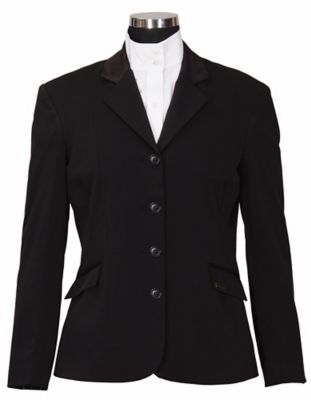
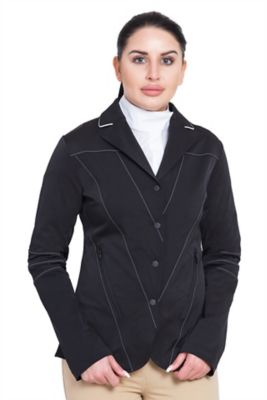
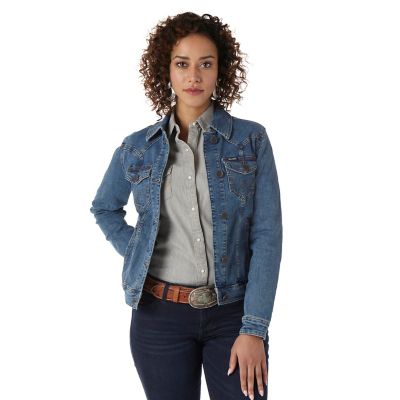
Horse jackets can be a thoughtful present for a new horse owner, a young rider heading into their first cool season or a barn friend who spends long mornings caring for animals. They also make a practical addition to a boarding setup, especially when several horses need different levels of coverage as the weather shifts. A gift-giver does not need to know every detail about the horse, but it helps to check the animal’s size, coat type and daily routine before choosing a layer. Someone who rides at dawn may appreciate a lighter jacket for chilly starts, while a horse that remains outside through wind and wet weather may need fuller coverage. Keep the rest of the horse’s routine in mind, too. A horse that is groomed, exercised and returned to a stall may need a different layer than one that spends hours in an open pasture. Riders can pair a horse jacket with their own cold-weather barn layers, including
Western Jackets, so they stay comfortable while leading, feeding or checking fences. Whether the jacket is for everyday barn chores, travel to a show or a caring gift for a horse-loving friend, the right choice comes down to season, setting, movement and fit. A few minutes spent measuring the horse and considering typical conditions can make cold-weather care smoother from the first frosty morning through the return of warmer air.