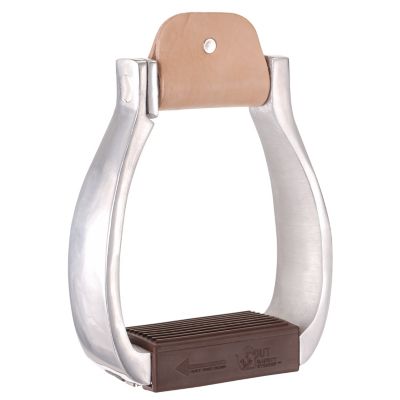
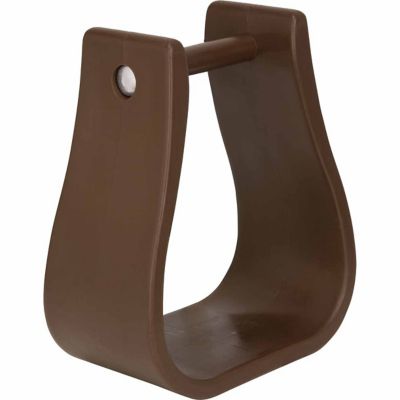
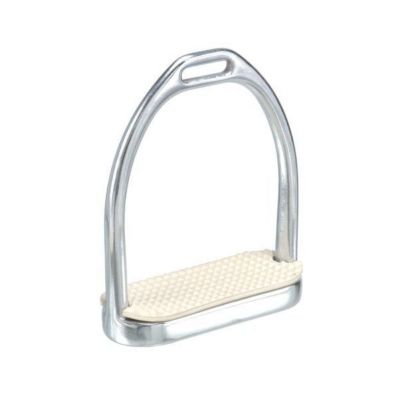
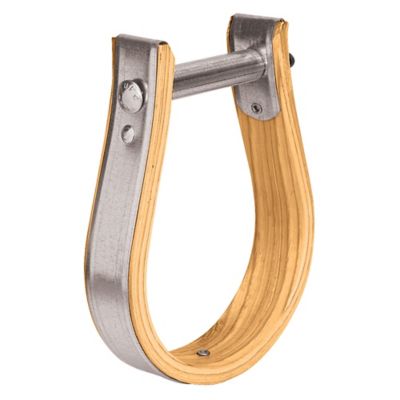
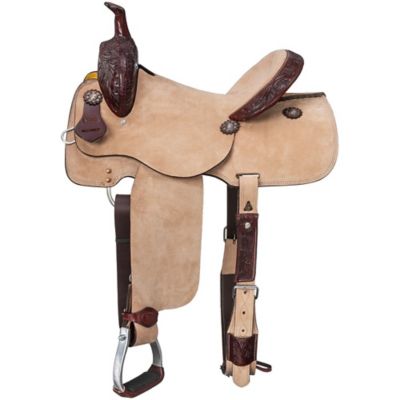
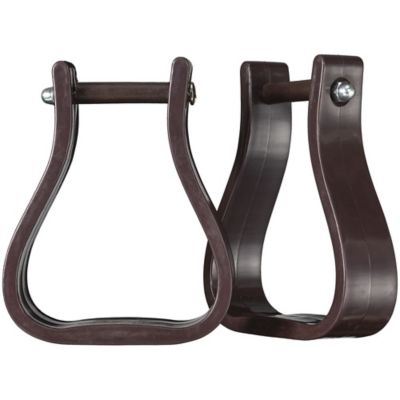
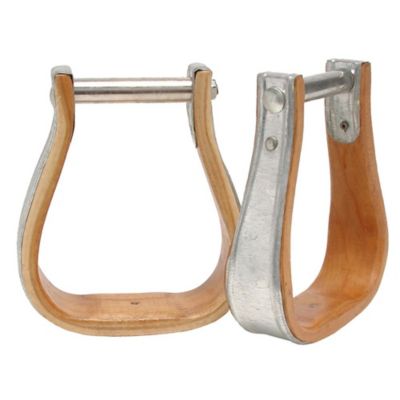
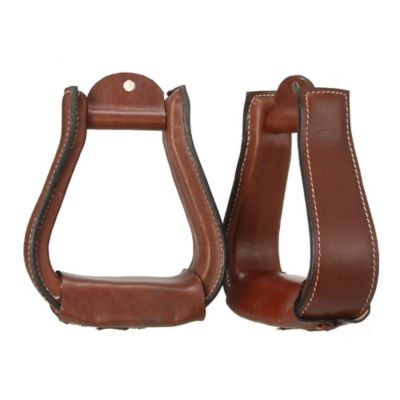
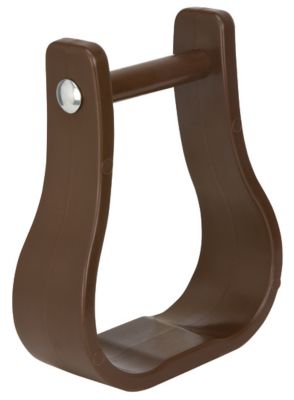
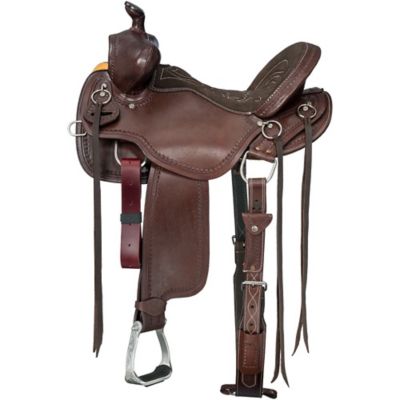
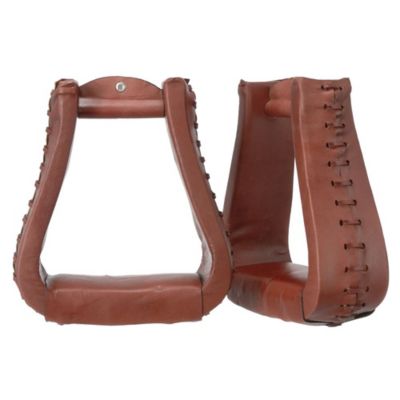
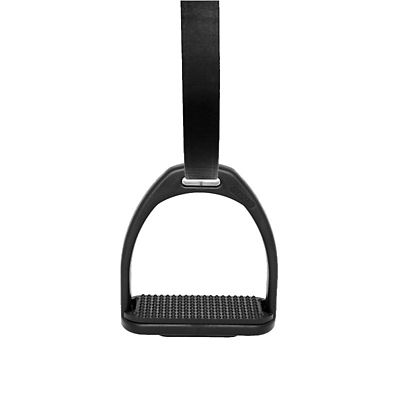
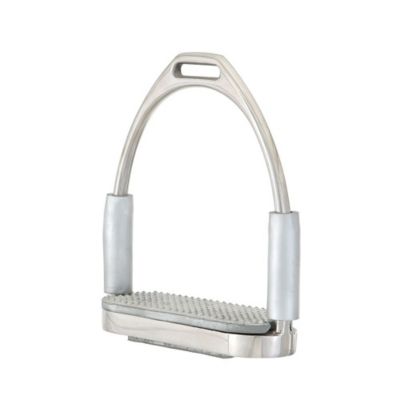
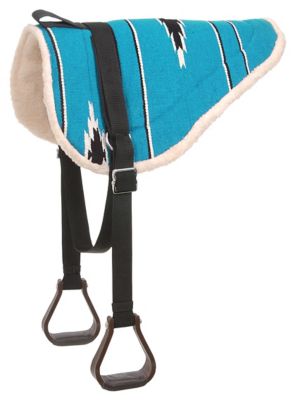
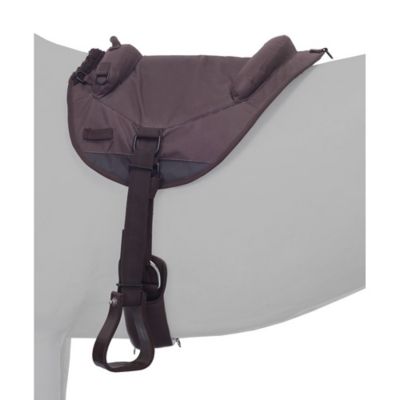
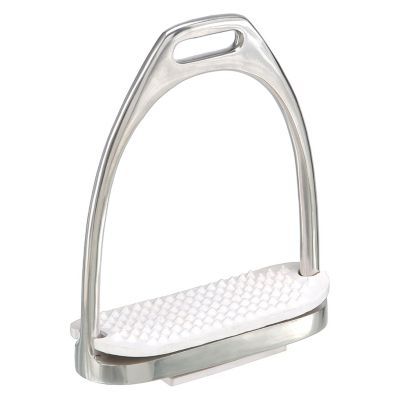
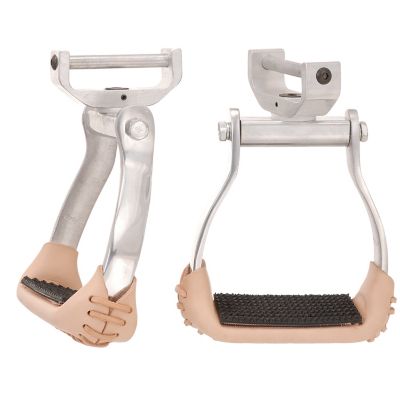
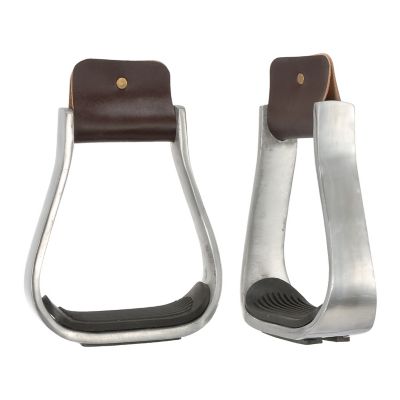
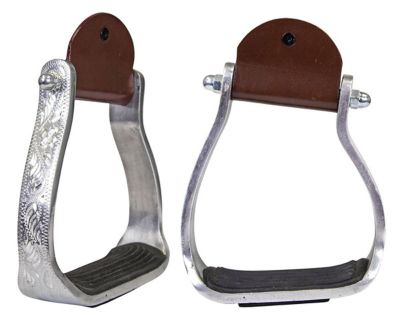
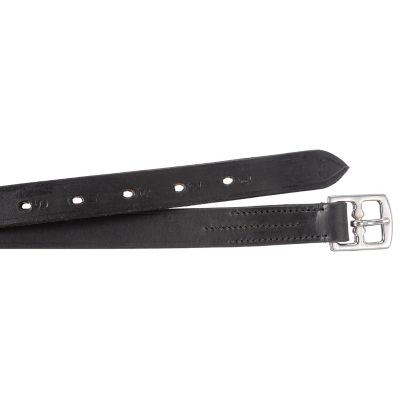
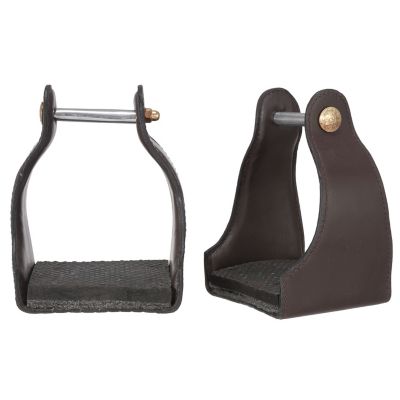
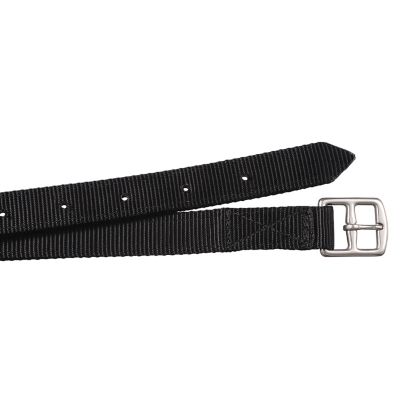
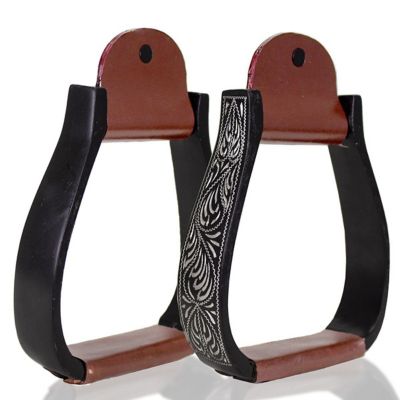
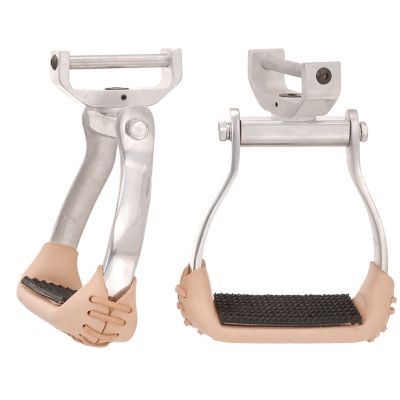
Horse stirrups help create a steady connection between rider and saddle, giving your feet a place to rest while supporting balance in the seat. Whether you spend long hours checking fence lines, ride along wooded trails, work cattle, or practice in an arena, the right stirrups can make each ride feel more settled and comfortable. When looking through stirrup options, start with the rider’s foot size and the type of riding ahead. The opening should give your boot room to move without allowing the foot to slide too far through. A little space on either side helps with comfort, while an opening that is too wide can raise safety concerns if a rider falls. The tread also deserves a close look. A broad, well-textured footbed can help keep the boot in place through starts, stops, turns, and uneven ground. Some riders prefer a flatter platform for everyday trail riding, while others look for a deeper or angled design that supports a particular riding position. Think about the saddle, too. Stirrups should work with the saddle’s stirrup leathers and hang evenly from the fenders or bars, with enough adjustment for the rider to find a natural leg position. A balanced setup lets the heel sit below the toe without forcing the knee or ankle into an awkward angle. For young riders, beginners, and anyone still finding their seat, a simple, steady design can help build confidence. Experienced riders may focus more closely on weight, tread style, balance, and the feel of the stirrup beneath the boot. Materials can affect the look, weight, maintenance, and feel of a pair, so consider the riding environment before making a choice. Riders who spend much of their time outdoors may appreciate surfaces that are easy to wipe down after a muddy crossing or dusty ride. Those who trailer to lessons, shows, or ranch work may want a practical pair that travels neatly and matches the rest of the tack. During the cooler months, when gloves, thicker socks, and heavier riding layers can change how the rider feels in the saddle, a quick check of stirrup length and foot placement can make a noticeable difference.
A good stirrup setup begins with a careful check before the horse leaves the barn. Inspect the stirrup irons, tread, joints, and connection points for cracks, bending, loose parts, or heavy wear. Run a hand along the tread to make sure it is secure and free of packed dirt that could affect a boot’s grip. Confirm that both stirrups hang at the same length, then sit in the saddle and check that the leg falls naturally rather than reaching or bunching. New riders benefit from having an experienced horse person or instructor look over the fit, especially when selecting equipment for a growing child. Children may need their stirrup length checked often as they grow, and boots should fit the stirrup opening without slipping through. Riders who work around gates, brush, livestock, or rough ground should pay close attention to safety features and make sure the foot can come free if a fall occurs. Keeping stirrups clean is usually a straightforward barn task: brush away grit, wipe down the surface after wet rides, and follow the care directions for the material. Store tack where it stays dry and protected from direct weather, and avoid leaving muddy equipment packed away in a trailer or tack room. Horse stirrups can also make a thoughtful gift for a rider who is building a first tack set, refreshing equipment after a growing horse or rider changes size, or preparing for trail rides during cooler weather. Pairing stirrups with practical tack essentials can help a new rider feel ready for barn days, lessons, and weekend rides. For equipment that works around the horse’s middle and can support a well-fitted tack setup, take a look at
Horse Surcingles. No matter the riding discipline, the best choice comes down to a secure fit, comfortable foot support, suitable construction, and regular care. A few minutes spent checking the stirrups before each ride can help keep attention where it belongs: on the horse, the trail ahead, and the steady rhythm of a good ride.