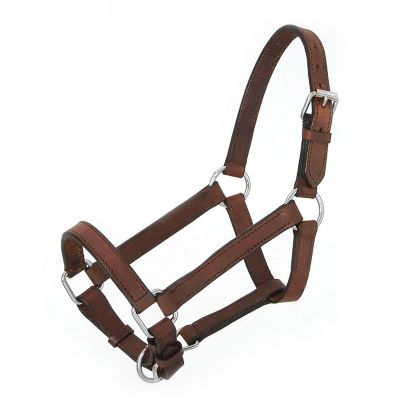
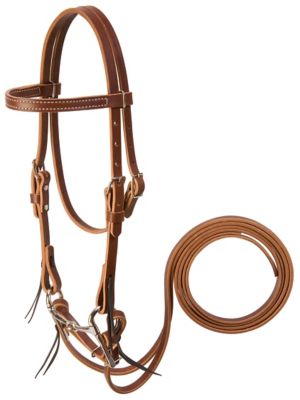
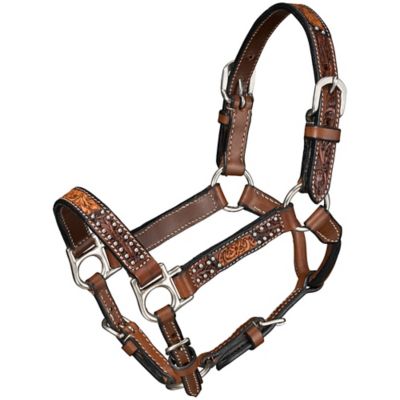
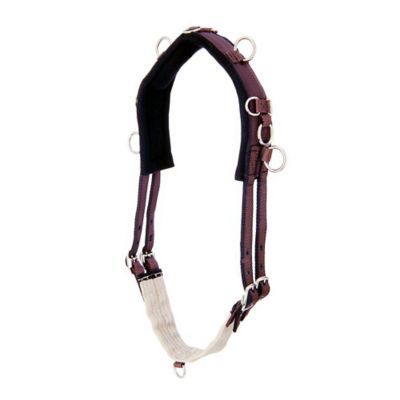
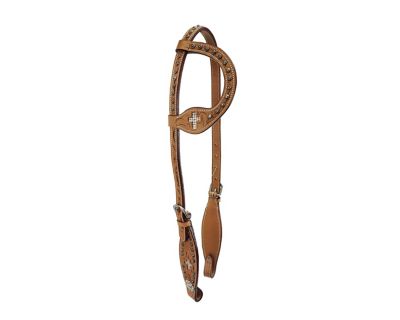
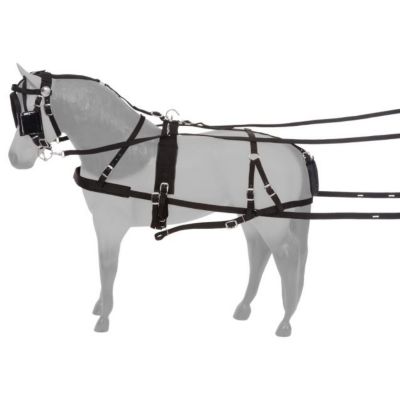
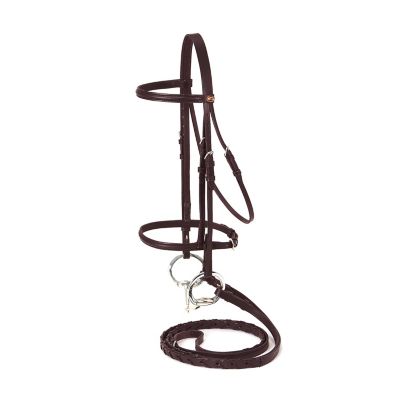
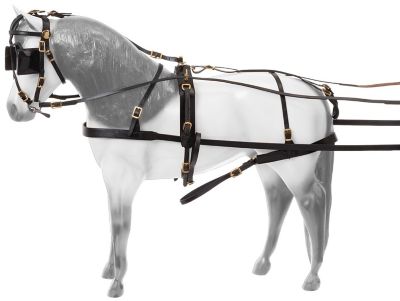
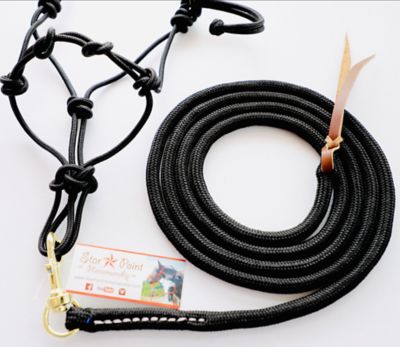
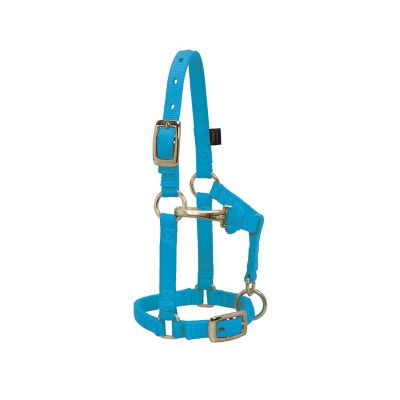
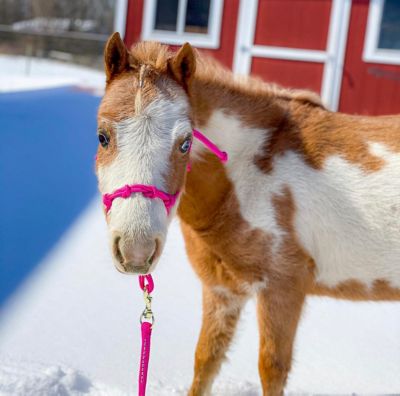
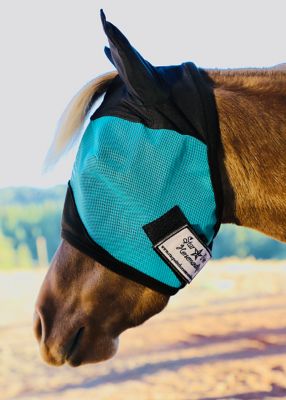
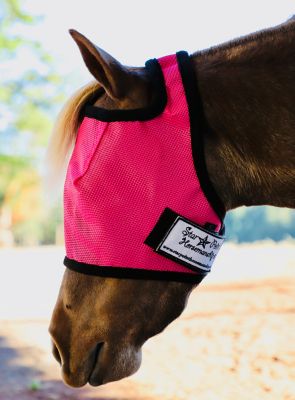
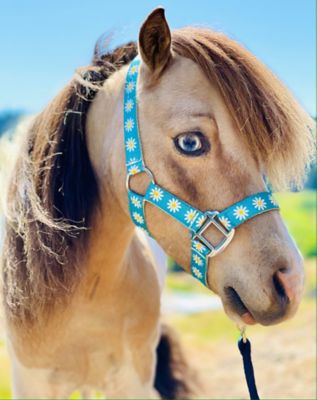
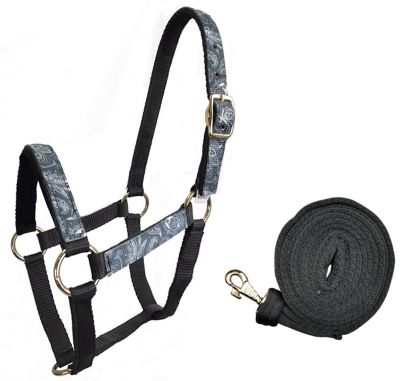
Miniature horse tack is equipment sized and proportioned for miniature equines, including halters, lead ropes, bridles, bits, and driving harnesses. These smaller fittings support everyday handling, groundwork, in-hand showing, and cart driving, with each type serving a different job around the barn or show ring. The difference goes beyond shorter straps: a mini’s narrow muzzle, compact head, short back, and smaller frame call for proportions that full-size horse equipment may not offer, even at its tightest adjustment. Pony tack is not automatically a match, either, since two animals of similar height can have very different builds. A refined mini may need a smaller noseband and lighter fittings than a stockier companion standing in the next stall. For everyday chores, miniature horse halters and leads help with the familiar trips between stall, grooming area, and paddock. Smooth edges, secure stitching, and buckles that sit clear of sensitive areas matter when equipment goes on and off several times a day. A lead should feel manageable in the handler’s hand without an oversized snap weighing down the halter. Show equipment has a different purpose, presenting a tidy outline without distracting from the horse, while groundwork and driving equipment must allow clear communication and free movement. Mini owners, breeders, exhibitors, and families caring for a small equine companion all have different routines, so intended use is a better starting point than appearance alone. A mini that spends its days being groomed and led around the farm has different tack needs from one conditioned for driving. Smaller stature does not make a horse a toy, and well-fitted equipment belongs alongside patient handling and knowledgeable adult supervision when children are involved. Tack chosen for a particular animal and activity makes more sense than a matching set chosen only for its color, whether the day involves a quiet walk down the barn aisle or a trip into the show ring.
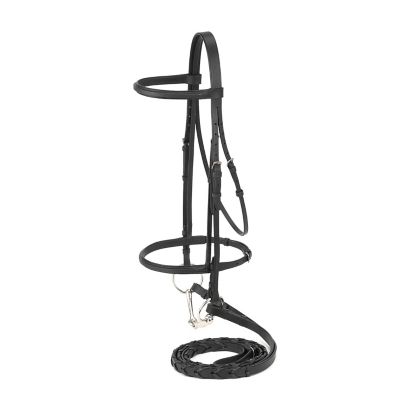
Fit is the foundation of miniature horse tack, and measurements tell more than a size label by itself. Manufacturers may define mini sizes differently, so the relevant size chart and adjustment range deserve a close look. Headgear measurements can include the nose circumference, cheek length, and distance over the poll, depending on the equipment. A properly positioned halter should stay clear of the eyes and avoid sitting low on the soft part of the nose. Straps need enough adjustment to achieve the intended fit without long loose ends hanging where they can catch. Young minis may outgrow familiar settings, while mature animals can change condition through the year. Nylon offers straightforward cleaning and a practical feel for daily barn work, though stiff edges and trapped grit can still rub. Leather has a traditional appearance and can soften with appropriate care, but it needs regular attention to remain supple rather than dry and cracked. Synthetic materials vary in flexibility and maintenance needs, making the maker’s care directions worth keeping with the equipment. Across materials, strong stitching, smooth hardware, and reinforced attachment points help tack stand up to repeated handling. Buckles and snaps should operate freely, with no sharp edges, spreading gaps, or corrosion that compromises function. Miniature horse bridles and bits require particular attention to individual anatomy; a small mouth does not mean every mini takes the same bit width or mouthpiece thickness. An experienced equine professional can help assess fit and suitability rather than relying on a common size. Driving harness fit is more involved still, because the bridle, breastcollar or collar, saddle, girth, breeching, and other components work together with the vehicle. Their placement affects pressure, breathing room, and freedom of movement. A harness that looks tidy while the horse stands still may shift once the cart is moving. For driving minis, equipment selection belongs with appropriate training, conditioning, and a properly balanced vehicle, not simply scaling down a setup meant for a larger horse.
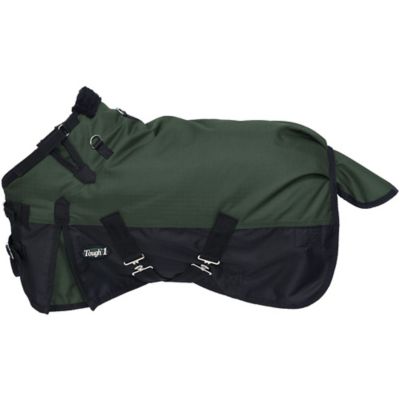
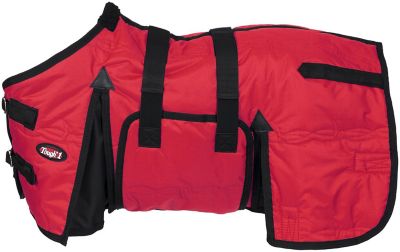
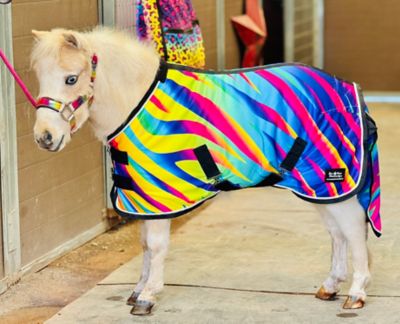
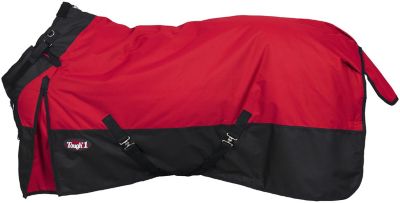
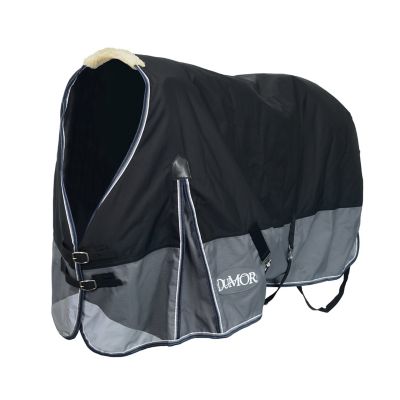
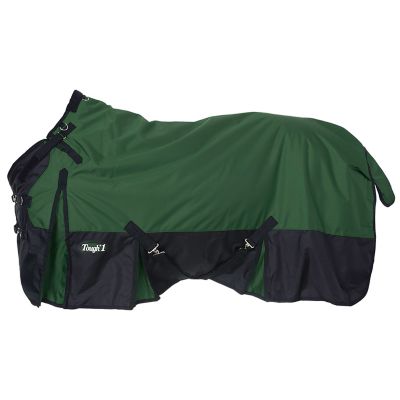
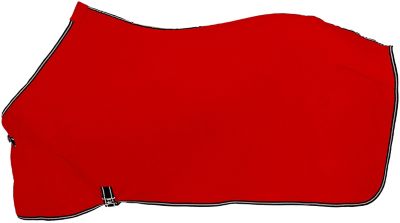
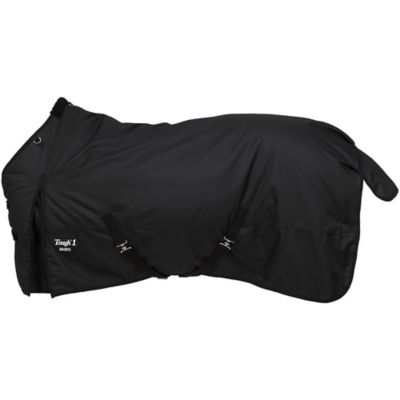
Daily care helps miniature horse equipment stay comfortable and serviceable through muddy chores, dusty grooming sessions, and cooler weather. A little attention after handling can reveal trouble before the next outing: sweat beneath a strap, grit around a buckle, or a worn spot where a snap meets its ring. Leather generally benefits from cleaning and conditioning with products intended for that material, while washable nylon and synthetic tack should be cleaned according to their care labels and dried fully before storage. High heat can damage some materials, and putting damp gear into a closed tack box invites mildew. A dry, ventilated storage spot, with straps supported rather than left in a tangled heap, helps preserve shape and keeps the next barn visit simpler. Equipment that bears pulling force needs especially close inspection, and weakened stitching, cracked straps, or damaged hardware are reasons to take it out of service. Seasonal horsewear is a separate part of outfitting a mini, but fit matters just as much. Blankets and sheets must suit the animal’s body length, chest, shoulders, and belly without dragging low or restricting movement. For related cold-weather coverage, the
Mini Black Horse Turnout Blanket page focuses on that horsewear category. A turnout blanket serves a different purpose from a stable blanket, with outdoor conditions calling for attention to weather protection, breathability, and secure closures. Not every miniature horse needs blanketing; coat, shelter, age, body condition, clipping, and health all influence that decision. Even a thick winter coat can hide rubbing or changes in weight, so regular hands-on checks remain important beneath any covering. Blanket straps should follow the manufacturer’s fitting directions, and the horse should be checked for overheating as conditions change. For a gift to a mini owner, measurements and the intended activity are more helpful than guessing from a photograph. Equipment that suits the horse, feels sensible in the handler’s hands, and fits the everyday barn routine earns its place beside the stall door.