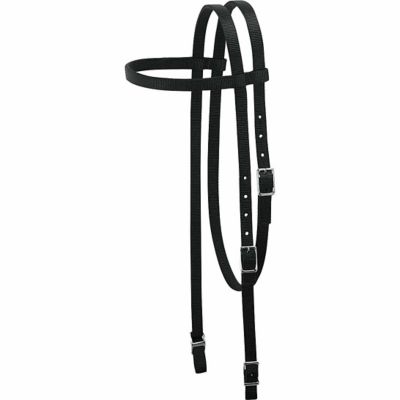
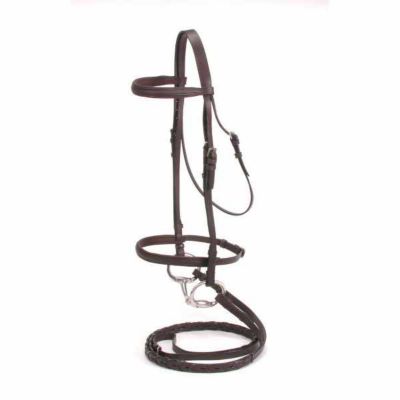
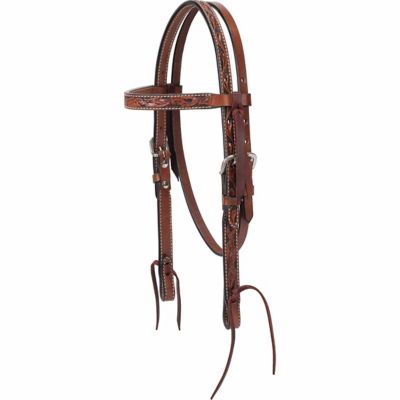
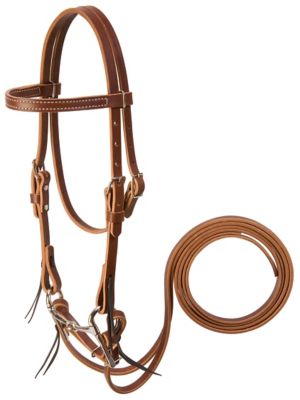
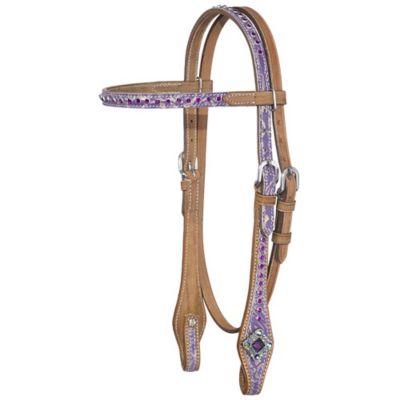
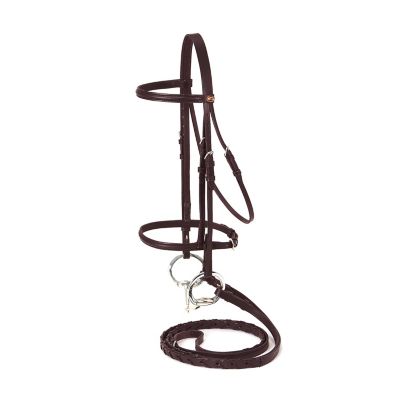
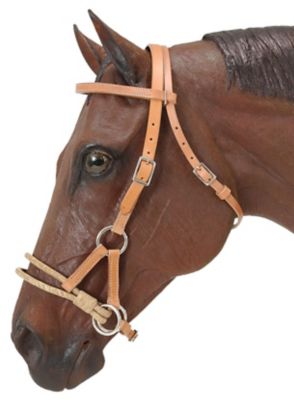
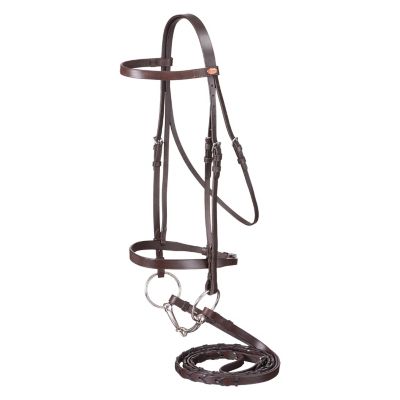
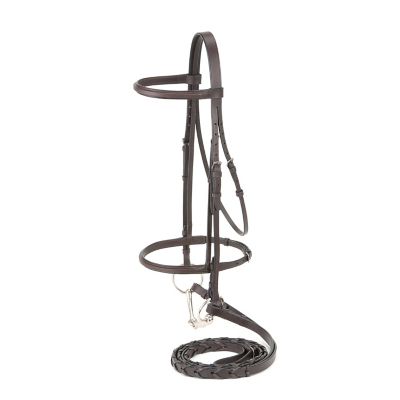
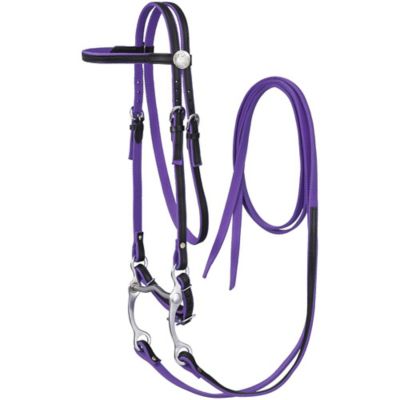
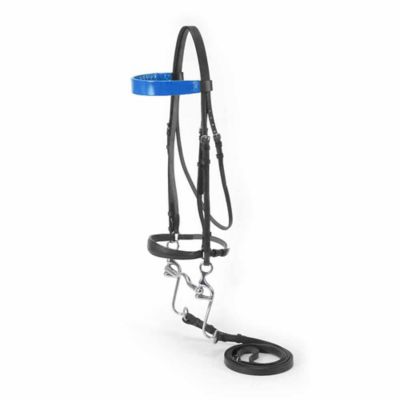
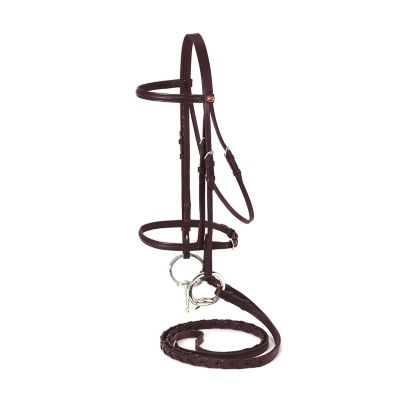
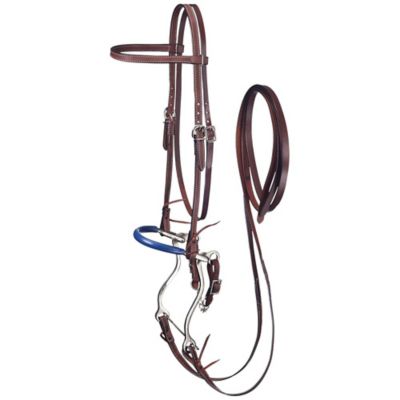
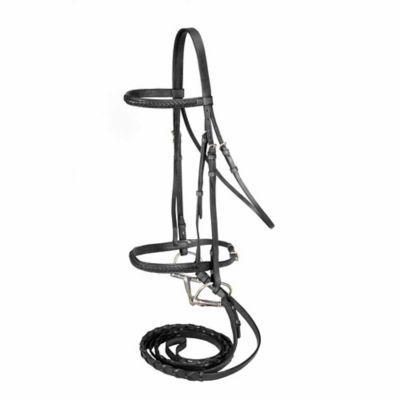
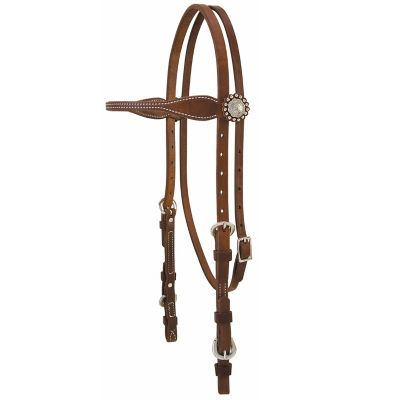
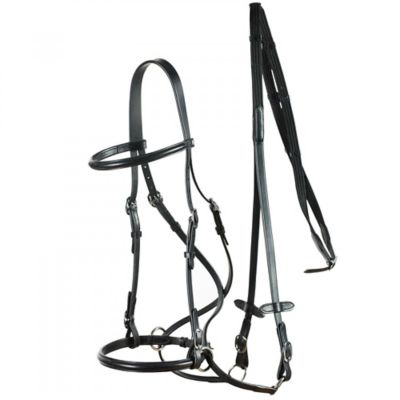
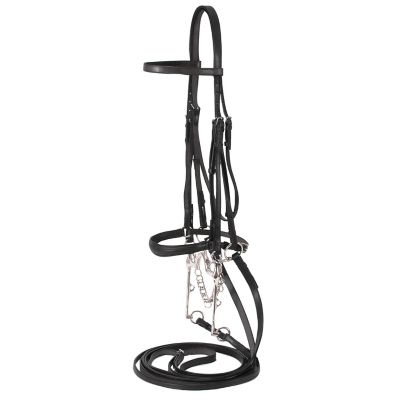
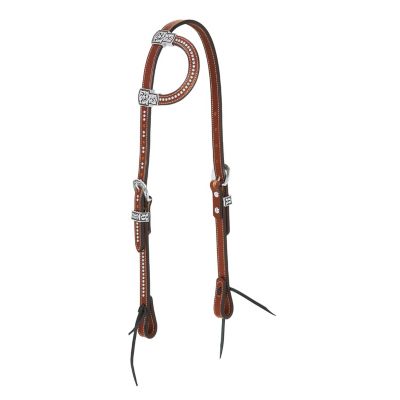
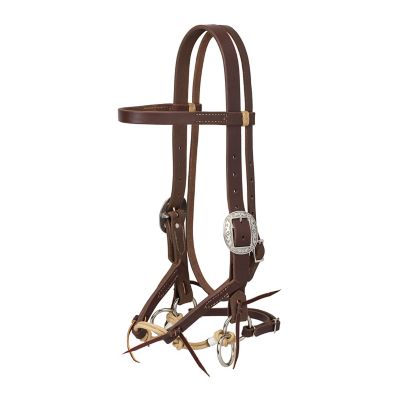
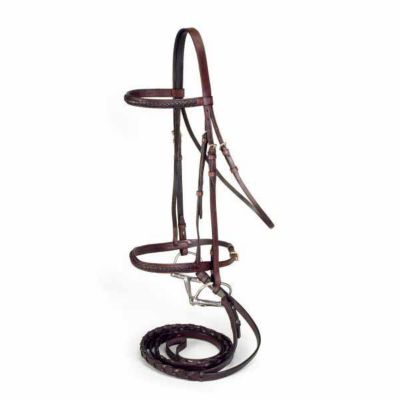
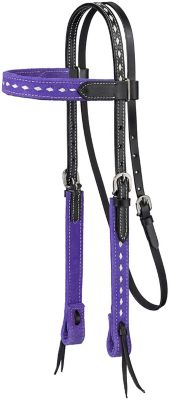
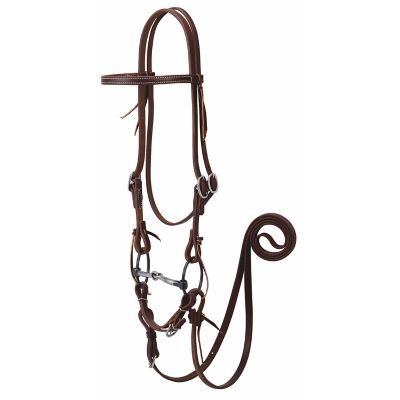
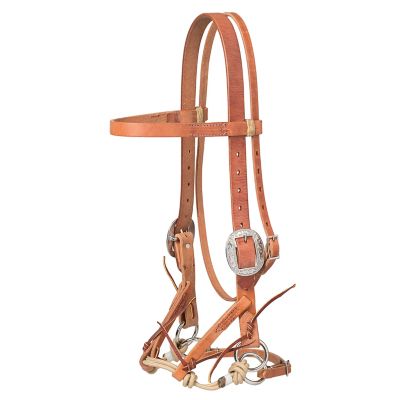
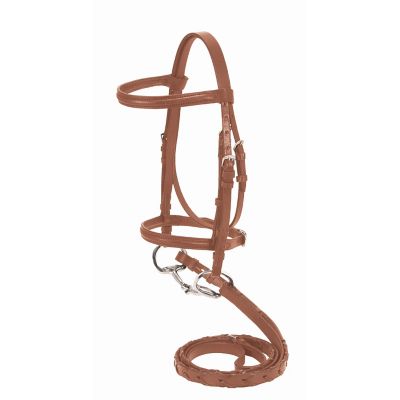
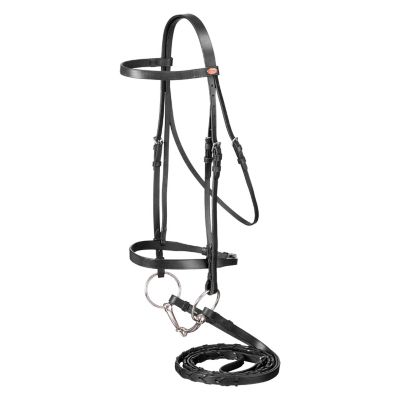
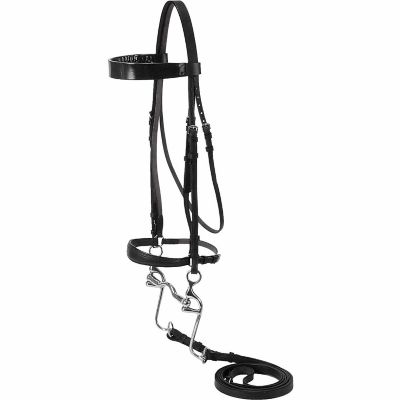
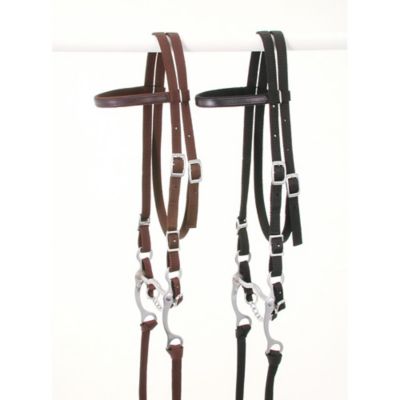
Pony bridles are made for the smaller heads and shorter proportions of ponies, miniature horses and other compact equines. While a pony bridle may look much like a full-size horse bridle at first glance, the headpiece, cheekpieces, browband, noseband and reins are scaled to help keep everything in the right place without excess leather hanging loose. Finding the right size starts with knowing the pony’s height, breed, head shape and the measurements of the bridle already in use. Mini sizes are generally suited to very small equines and miniature horses under about 11 hands, small pony sizes often fit petite ponies and Shetlands around 11 hands, and standard pony sizes are commonly intended for medium ponies around 12.2 hands and up. These ranges can overlap, and individual ponies do not always fit neatly into a size chart, especially when one has a broad forehead, a refined nose or a thicker jaw. Before ordering, measure from the corner of the mouth, over the poll and back down to the opposite corner, then compare those measurements with the manufacturer’s sizing information. A well-fitting bridle should sit quietly on the pony’s face, with the bit resting at the corners of the mouth and only a small amount of wrinkling rather than deep folds. The browband should not pull the crownpiece toward the eyes, and the cheekpieces should allow the bit to sit at an even height on both sides. Under the throatlash, a full fist of room is a useful starting point so the pony can flex and swallow comfortably, while two flat fingers under the noseband help prevent it from being fastened too snugly. Always check the fit from the ground and after a few minutes of movement, since leather and synthetic materials can settle once warmed and handled.
The style of pony bridle often depends on how the pony spends its time. A simple cavesson noseband and straightforward headstall can be a practical choice for everyday schooling, trail riding, lessons and general barn use. Riders headed to the show ring may look for a more polished appearance, such as neat stitching, a raised finish or reins that complement a hunter or jumper turnout. Dressage-inspired designs may include extra padding, a shaped crownpiece or a flash-style noseband, while drop or other specialized noseband configurations can help stabilize the bit when properly fitted. These features should support the pony’s comfort and the rider’s discipline, not take the place of correct training or routine tack checks. A bridle that is too narrow across the poll, rubs behind the ears or presses against the cheekbones can turn an otherwise willing pony sour, particularly during longer rides or warm afternoons when sweat and dust collect under the straps. After each use, run your fingers along the leather or synthetic material and look for cracked stitching, rough edges, stretched holes and worn keeper loops. Wipe away sweat and arena dust, condition leather as needed and let damp tack dry naturally away from direct heat. Keep the bridle hung neatly rather than tossed over a stall door or fence rail, where it can pick up burrs or develop sharp bends. A sturdy set of
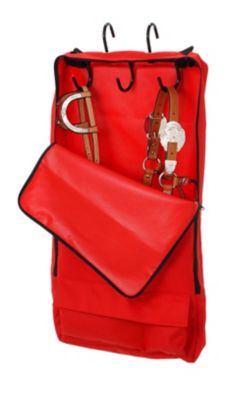
Bridle Hooks can help keep a pony bridle off the floor and ready for the next ride, whether the tack room is in a small backyard barn or a busy family stable. Keeping the bit clean and checking the mouthpiece for rough spots is just as important as caring for the headstall, since a pony’s mouth can be sensitive to damage that is hard to see at a glance.
Pony bridles can be useful for young riders, 4-H families, lesson programs, trail partners and anyone who enjoys spending time with a smaller equine. They also make a thoughtful gift for a pony owner when the recipient’s size and preferred riding style are known. For a birthday, a new riding season or a barn move, a well-chosen bridle can be a practical addition that gets plenty of use, though it is wise to confirm measurements before giving one as a surprise. Some riders keep a spare bridle ready for muddy rides, shared lesson ponies or unexpected wear, while others choose a second style for schooling and show days. During the warmer part of the year, breathable padding and smooth, easy-clean materials can make tack checks simpler after dusty trail rides or evening arena work. As cooler weather settles in, a properly adjusted bridle helps keep lessons and weekend rides comfortable when ponies are wearing thicker coats and spending more time between rides. No matter the season, take a few quiet minutes before saddling to make sure the crownpiece is centered, the browband lies flat, the cheekpieces are even and every buckle is fully secured. Pony bridles come in a range of materials, finishes and price points, from basic everyday options to carefully detailed styles designed for regular competition. The best choice is the one that matches the pony’s measurements, the rider’s plans and the amount of care the tack will receive. A comfortable fit, dependable construction and easy maintenance go a long way toward making each ride feel settled, whether the pony is carrying a first-time rider down a quiet lane or stepping into the ring with a seasoned young horseman.