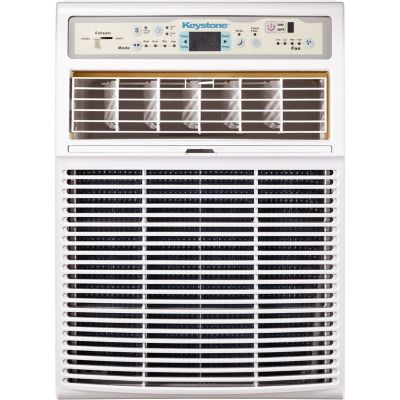
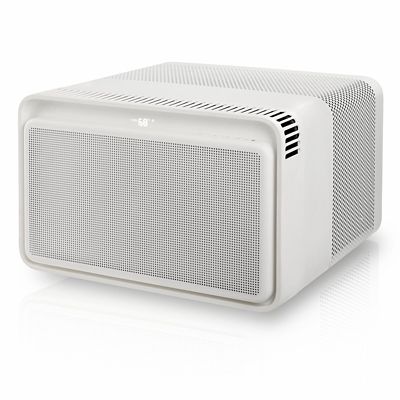
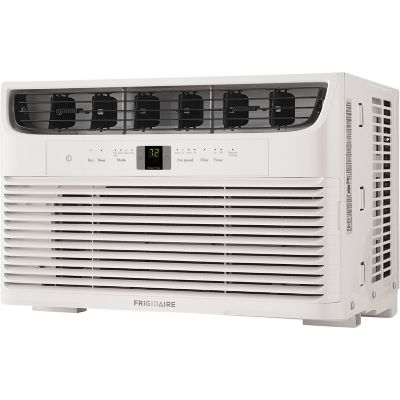
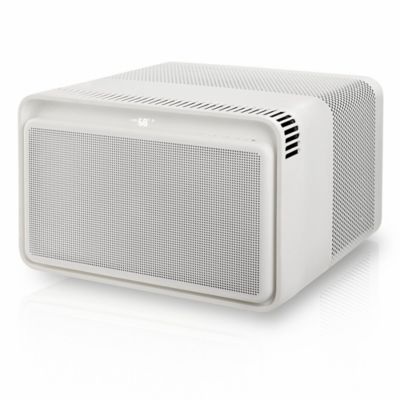
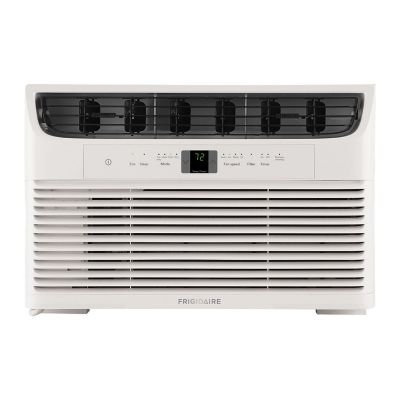
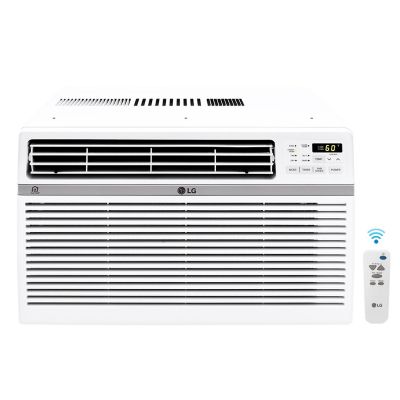
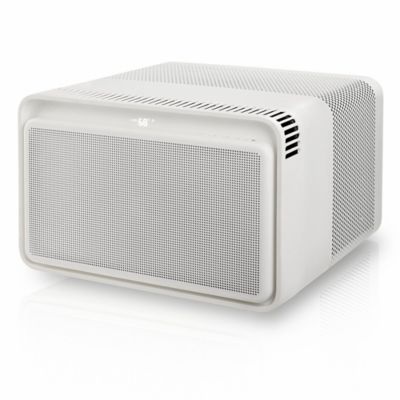
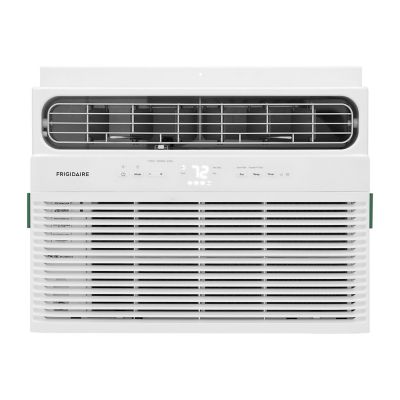
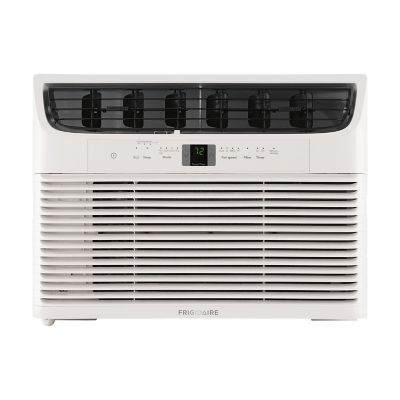
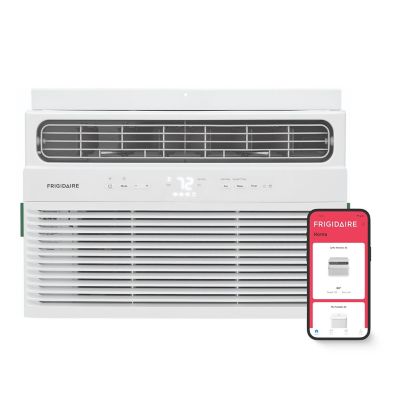
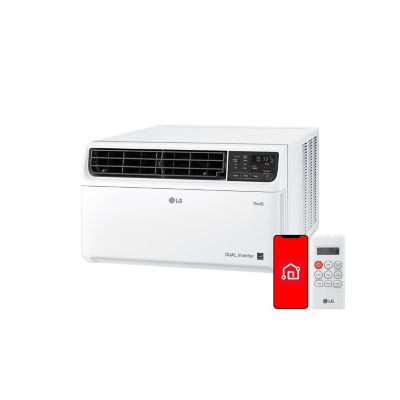
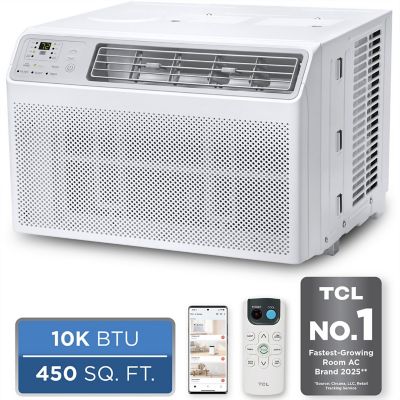
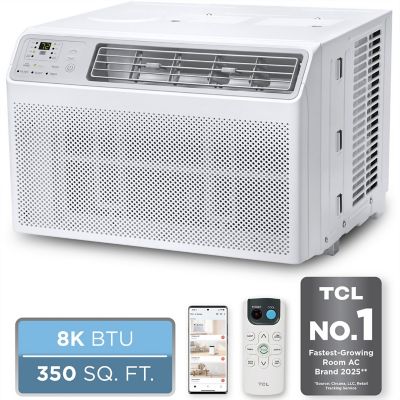
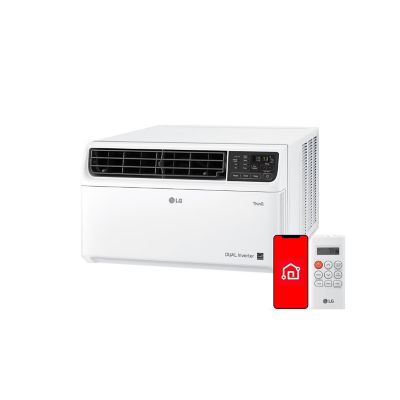
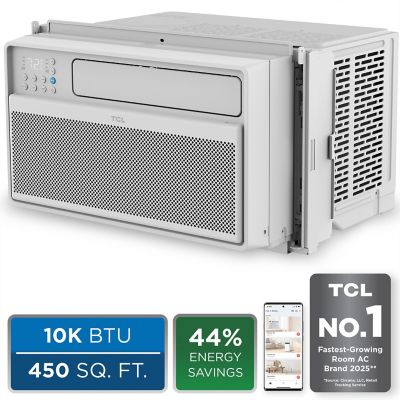
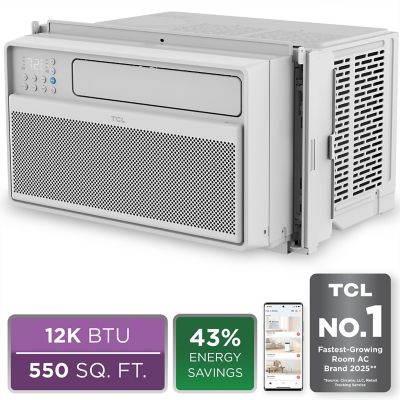
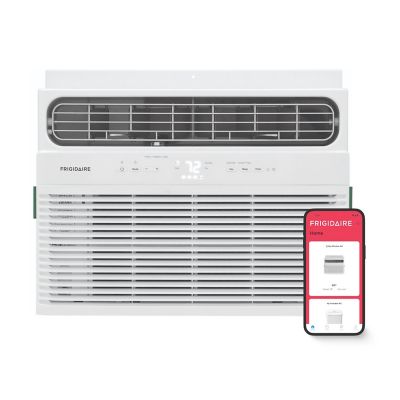
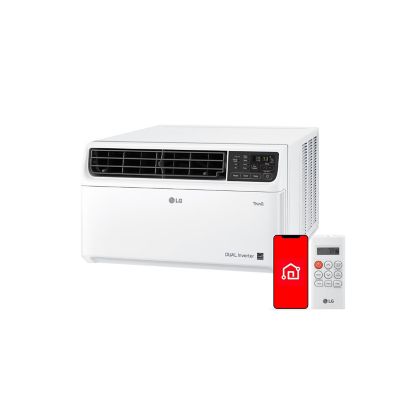
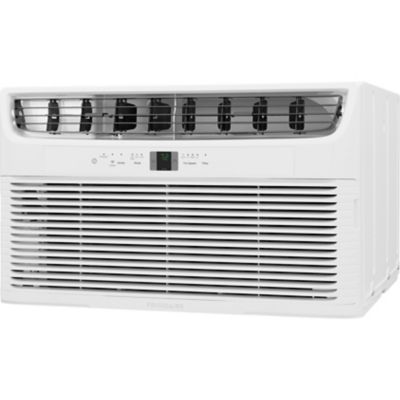
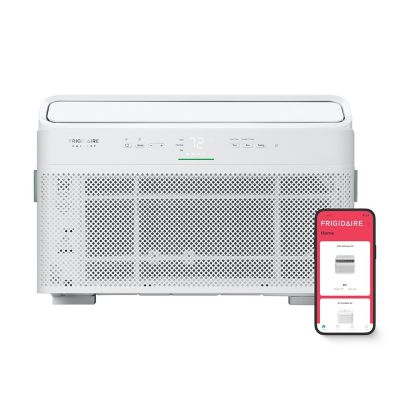
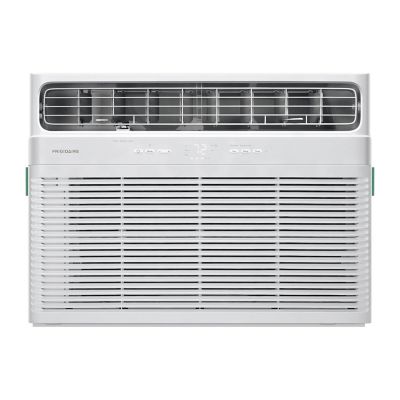
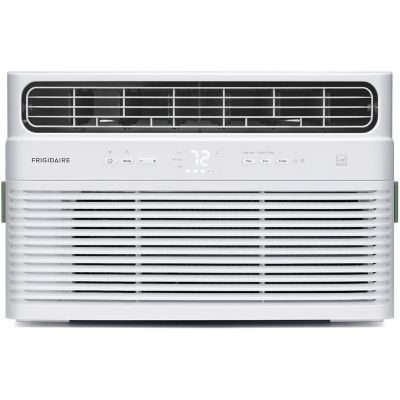
Window air conditioner units for sliding windows provide room-by-room cooling for homes with windows that open from side to side. These openings often call for a slider/casement air conditioner, a tall, narrow design that fits differently from the wider units commonly installed in double-hung windows. The distinction matters in a farmhouse bedroom, a small living room or an upstairs office where the window opening limits the choices. A unit labeled for slider or casement installation may suit the space, but its listed window requirements still determine the fit. Minimum opening width, minimum and maximum opening height, cabinet depth and clearance around the outdoor section all deserve attention. The usable opening is the space inside the frame with the sash open, not the outside dimensions of the window or the size of the glass. Tracks, handles, storm windows and deep sills can also affect placement. Comparing
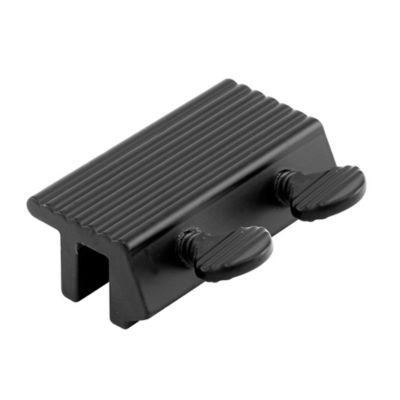
Horizontal Window Air Conditioners with tall slider/casement designs calls for checking the approved window type rather than relying on a category name alone. Many slider installations leave an opening above the air conditioner, so a compatible filler panel and weatherstripping help close that space and limit drafts, insects and outdoor moisture. The panel closes the opening; it does not replace the mounting hardware that carries the appliance’s weight. Support brackets, sash restraints and fastening points must match the equipment instructions and the window construction. Wood, vinyl and metal frames can have different fastening requirements, and a window screen cannot support an air conditioner. Placement also needs to preserve any required emergency exit. Where a window cannot accommodate a supported window unit, a floor-standing portable air conditioner with an approved sliding-window exhaust kit may offer another arrangement. That setup still depends on the panel dimensions, hose requirements and an appropriate place for the appliance indoors.
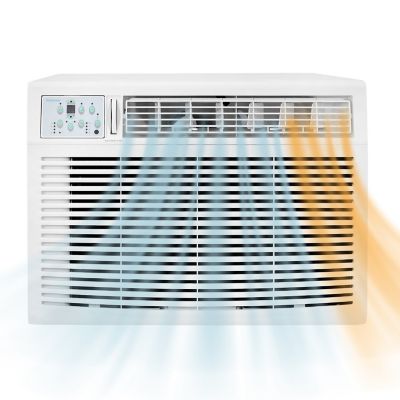
Cooling performance depends on more than finding a cabinet that fits through the opening. A window air conditioner’s BTU rating describes its cooling output, while its stated room coverage provides a starting point for matching that output to the space. A shaded bedroom with a standard ceiling presents a different load than a sunlit room over a garage, even when both have the same floor area. High ceilings, broad stretches of glass, limited insulation, cooking appliances and several people sharing a room can increase cooling needs. An oversized unit may cool the air quickly without running long enough to remove much moisture, leaving the room feeling clammy. An undersized unit may run for long stretches without reaching the selected temperature. Room shape matters, too: a unit in one bedroom should not be expected to cool several rooms around a hallway corner. Adjustable louvers and multiple fan speeds help direct air across the occupied space, whether that means toward a desk after chores or away from the bed at night. Curtains, tall furniture and tightly fitted shades can block that airflow, so the indoor grille needs breathing room. Controls make a difference in everyday use as well. A remote can save a trip across the room, a timer can coordinate operation with a household schedule, and a sleep setting may suit a bedroom better than a fixed high fan speed. These features vary by model, as do sound levels and thermostat behavior. Published sound ratings can help with comparisons, although vibration, mounting and room surfaces also influence what reaches the pillow or worktable. Energy efficiency ratings provide another useful comparison alongside cooling capacity. Electrical requirements belong in the same decision: voltage, plug configuration and circuit needs must match the home’s wiring. Window air conditioners should connect as directed to an appropriate grounded receptacle, without an extension cord or power strip.
Construction and upkeep play a big part in how well a sliding-window air conditioner serves a household over time. Many units pair a metal cabinet with molded indoor grilles and control housings, along with coils and fins that transfer heat between the room and the outdoors. Exterior finishes help protect exposed surfaces, but the cabinet still needs the clearances specified for airflow and service access. A deep window recess, overgrown shrub or tightly placed outdoor cover can interfere with heat release. On the room side, an accessible filter makes routine cleaning less of a chore, especially in a home with pets, dusty gravel nearby or plenty of foot traffic through the door. Some filters are washable, while others require replacement; the care directions determine which approach belongs with the unit. A room air conditioner’s filter generally protects internal parts and catches some airborne particles, but it should not be treated as a substitute for a dedicated air cleaner. Clean filters and unobstructed grilles help air move as intended, and gentle handling protects the thin coil fins from bending. Drainage also deserves attention. Condensation is part of cooling, and the mounting position and drainage arrangement must follow the manufacturer’s directions rather than a guessed angle or a newly drilled drain hole. A secure installation limits shifting and rattling, while sound seals around the opening help keep cooled air indoors. For a rental house, approval for brackets, screws and window changes may be necessary before installation. For a spare bedroom, home office or small living area, easy-to-reach controls and straightforward filter access can matter just as much as extra settings. If the appliance comes out of the window for storage, its weight, lifting requirements and recommended transport position affect how manageable that job will be. A well-matched slider window air conditioner brings together the right cabinet dimensions, suitable cooling capacity, proper support and practical care—details that help make a room more comfortable without taking up floor space.