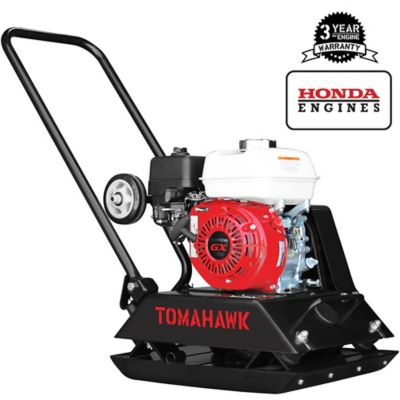
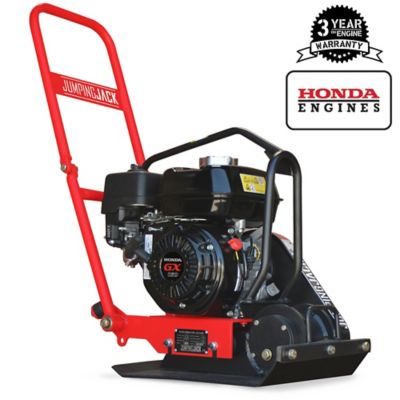
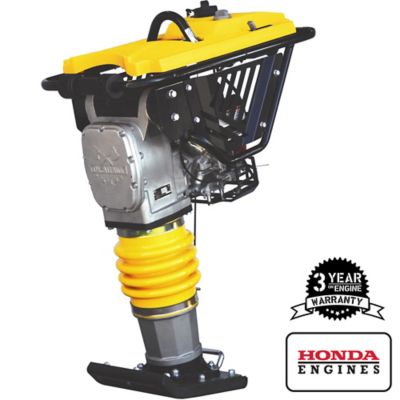
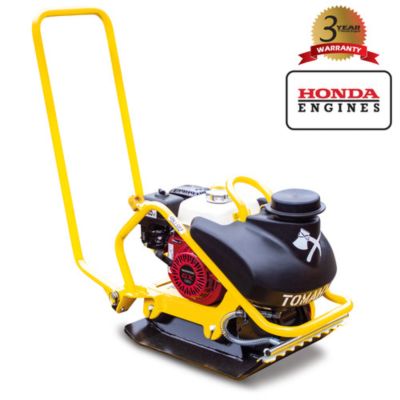
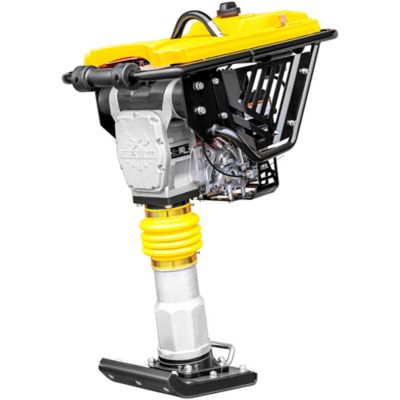
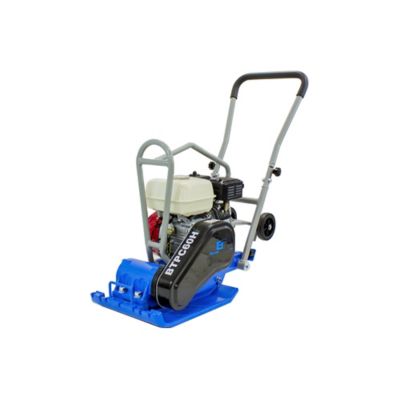
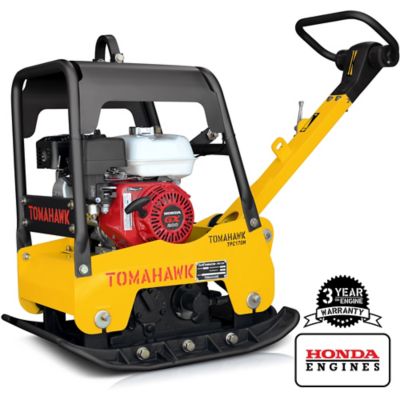
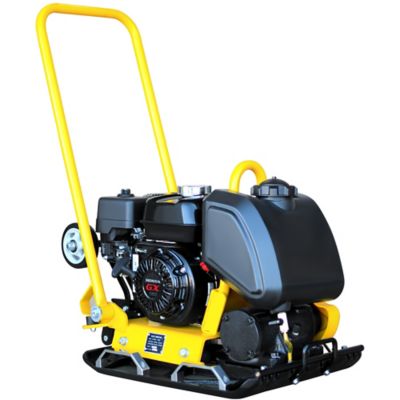
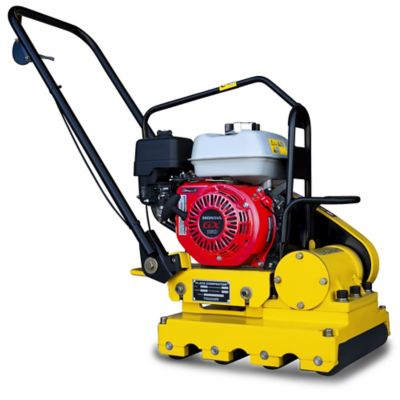
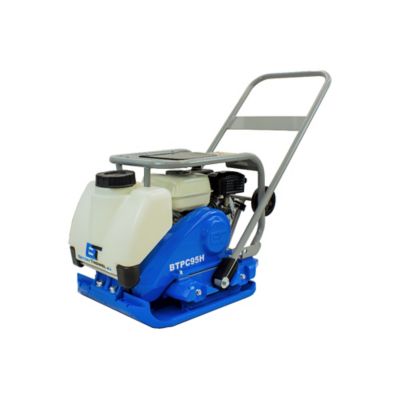
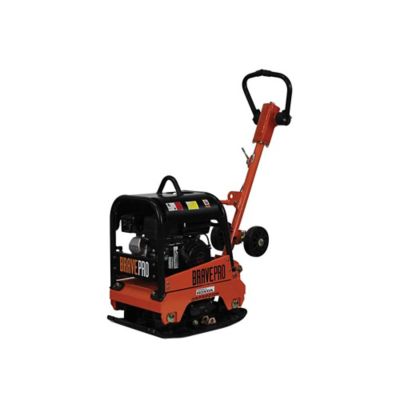
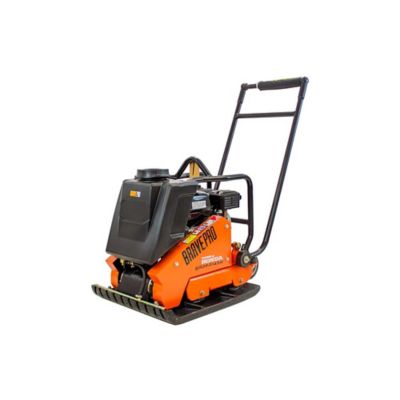
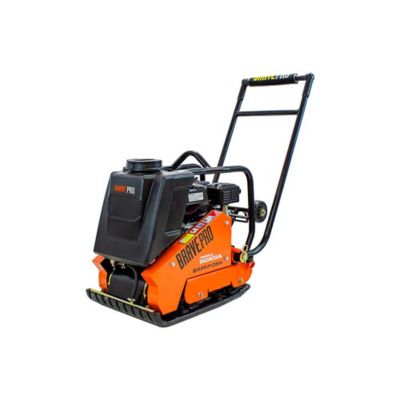
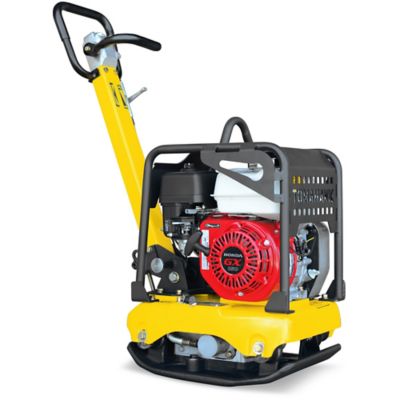
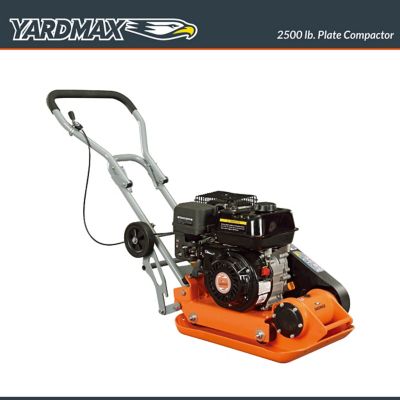
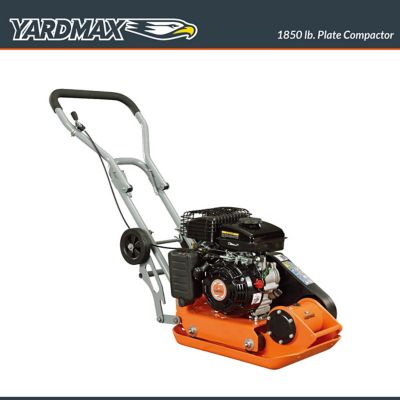
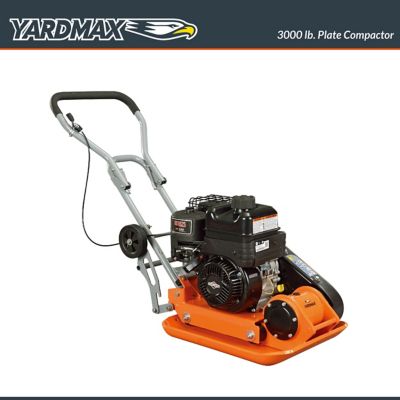
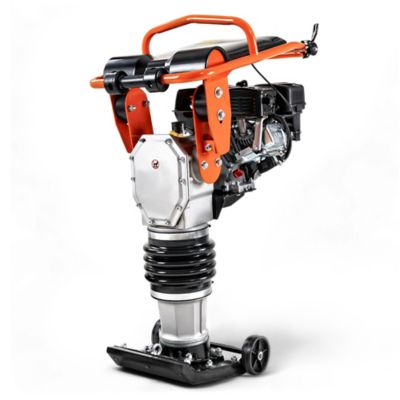
A gas-powered plate compactor helps turn loose gravel, sand, and other granular material into a firm base for work around the farm, home, or jobsite. These machines combine a gasoline engine with a vibrating base plate that settles particles closer together, reducing air pockets and helping the surface resist shifting under traffic or a finished layer. That makes them a practical fit for gravel walkways, paver patios, shed foundations, and driveway repairs where a loose base can lead to ruts, dips, or uneven footing. The engine supplies power, while the compactor’s plate design, operating weight, vibration frequency, and centrifugal force all contribute to how it handles a particular material. Horsepower alone does not tell the whole story, and engine displacement is not a substitute for checking the machine’s stated applications. A four-stroke engine has separate fuel and engine-oil systems rather than requiring a two-stroke fuel mixture; the correct gasoline and oil specifications depend on the engine manual. For someone maintaining acreage, the appeal is straightforward: a walk-behind machine can handle base preparation in spaces that do not call for a large roller. Landscape crews, paving contractors, and property owners may all have a place for this equipment, though the right match depends on the work rather than the size of the property alone. A narrow path beside a barn calls for different maneuvering room than an open parking pad. Forward-moving plate compactors travel in one direction during operation, while reversible machines can change travel direction, which can help when working in confined areas or making repeated passes. Turning space, access width, and the operator’s ability to manage the machine matter just as much as its power rating. For any setup, compaction supports a properly planned base; it does not replace sound drainage, suitable fill, or the right base thickness for the load the finished surface will carry.
Material compatibility is one of the biggest distinctions among plate compactors. Many vibratory plates are intended for granular soils and aggregate, where vibration helps particles rearrange into a tighter layer. Clay-heavy soil behaves differently and may call for a rammer or another compaction method specified for cohesive material. A pile of crushed stone behind the shop, sandy fill along a walkway, and an asphalt patch are not interchangeable jobs, even when the same general style of equipment appears on each site. Plate size affects access and coverage: a smaller footprint can fit between borders more easily, while a wider plate covers more ground per pass when there is room to maneuver. Rounded or upturned plate edges can help a machine travel over loose material without digging in as readily, although performance still depends on the surface and machine design. Steel and cast-iron base plates are common, with construction, plate thickness, and wear surfaces worth considering for repeated contact with abrasive aggregate. For projects centered on crushed rock and base stone,
Stone Compactors offer a related category to explore alongside the material and access requirements of the job. Asphalt work brings another set of considerations. A compatible water system can help limit asphalt sticking to the plate, but a water tank by itself does not make every compactor suitable for paving. Paver work may call for a manufacturer-approved protective mat to reduce surface scuffing, along with confirmation that the pavers can tolerate mechanical compaction. These details matter when a finished patio sits just outside the back door or a walkway needs to meet an existing slab cleanly. Compaction depth also deserves a close look. Material generally needs placement in manageable layers, often called lifts, rather than one deep pile. The appropriate lift thickness, moisture condition, and number of passes depend on the material, equipment, and project requirements. Published centrifugal force describes the machine’s vibratory force, not a universal pressure value or a promise that every soil will reach the same density.
Ownership also comes down to how a compactor fits into the workday, from unloading at the job to putting it away afterward. Operating weight affects handling and transport as well as compaction, so a machine that suits the ground still needs to suit the trailer, ramps, and lifting equipment on hand. Designated lifting points, suitable tie-down locations, and transport wheels, where included, can make moving equipment more manageable. A folding handle can reduce storage space, but it is not automatically a lifting point. Handle height, grip placement, vibration isolation, and reachable controls all affect operator comfort during repeated passes across a gravel pad or along a fence-side path. Vibration isolation can reduce what reaches the hands without eliminating exposure, and hearing protection, eye protection, sturdy footwear, and manufacturer-specified operating limits remain important. Gasoline engines belong outdoors, away from doors, windows, and other openings where exhaust can enter occupied spaces; an open shop door does not make indoor operation safe. Routine care is another part of the fit. Dusty aggregate work puts demands on an air filter, while constant vibration makes scheduled checks of fasteners, guards, belts, and mounts especially worthwhile. Engine-oil service and any separate exciter maintenance should follow their respective instructions, since the engine and vibration assembly may have different service needs. Keeping the base plate free of buildup helps maintain contact with the working surface, and checking for cracks or excessive wear can catch trouble before the next project. Fuel storage, spill prevention, and letting the engine cool before refueling or transport deserve the same attention as the passes themselves. Parts access, clear service information, and room to reach routine maintenance points can make a meaningful difference over years of ownership. For a property owner keeping a lane in shape or a crew preparing one base after another, the best fit is equipment matched to the material, the workspace, and the expected workload. A well-matched compactor gives base preparation the attention it needs before gravel traffic, paving, or everyday foot traffic puts that groundwork to the test.