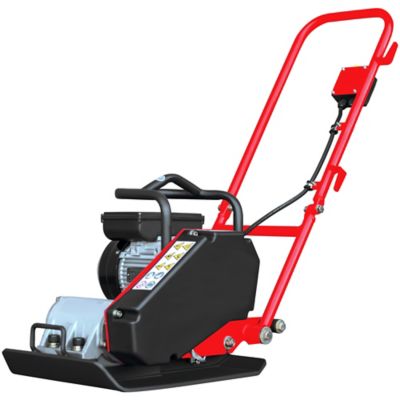
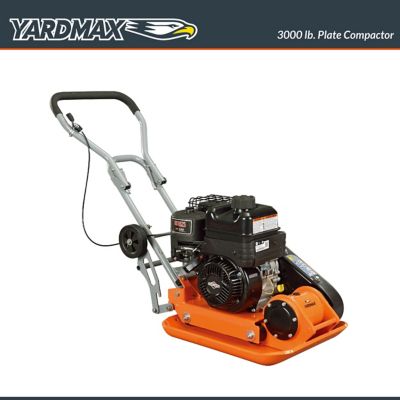
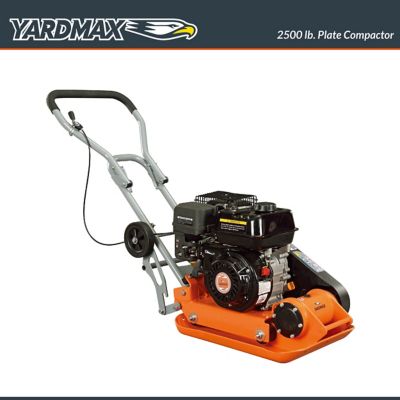
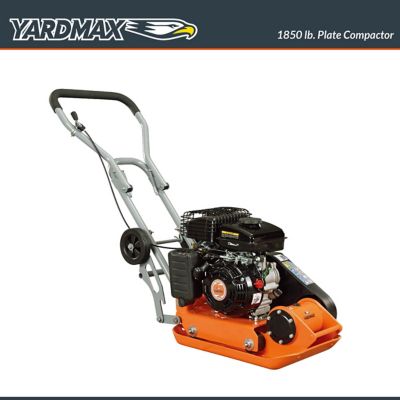
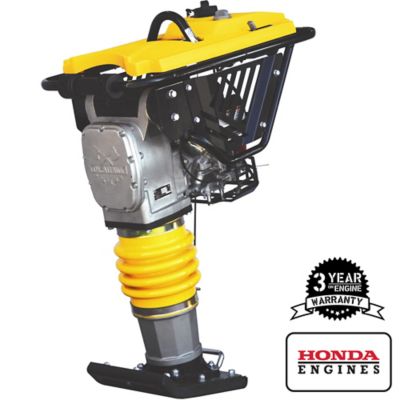
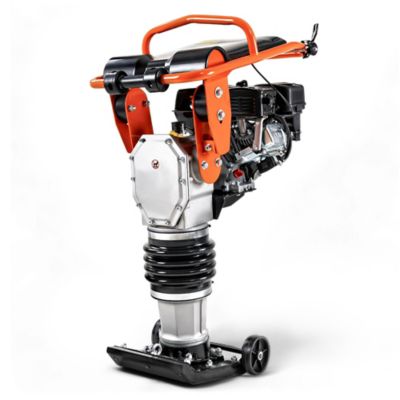
Walk-behind compactors pack down soil, sand, gravel, and other base materials through vibration or repeated impact. Certain designs also compact asphalt. By reducing air spaces between particles, these machines help create a firm foundation for driveways, walkways, patios, and other construction projects. They handle a different job than equipment that spreads or grades material: a compactor firms up a prepared layer rather than turning an uneven pile into a finished surface. Around a farm or rural property, that work might involve preparing gravel beneath a shed floor, firming a path between outbuildings, or packing backfill along a utility trench. Contractors, landscapers, property owners, and maintenance crews all have reasons to keep compaction equipment close at hand when a project calls for a settled base instead of loose fill. The right machine depends heavily on the material underfoot and the space around it. Vibratory plate machines have a broad bottom plate that transfers vibration into the ground and generally suits granular materials such as sand and crushed aggregate. Tamping rammers have a smaller foot and a pronounced up-and-down action, making them an option for confined areas and certain cohesive soils. Walk-behind rollers offer another approach, with drums that compact material across their contact area; suitable applications depend on the roller’s design. These differences matter when comparing equipment for an open gravel pad versus a narrow run beside a foundation. A broad plate can cover an open section efficiently, while a smaller footprint may better fit the space around posts or utility work. Access matters, too: a machine needs enough room for both its body and its operator. Compaction also works as part of a larger site plan. Proper excavation, suitable fill, drainage, and the required finished grade still matter, whether the finished surface will carry boots, wheelbarrows, livestock equipment, or vehicle traffic. For load-bearing projects, the specified base preparation and compaction requirements should determine the equipment and approach.
Machine size, operating weight, plate dimensions, and compaction force help describe what a walk-behind compactor can handle, but no single number tells the whole story. A wider plate covers more ground on open stretches, yet a narrower machine may be easier to maneuver beside edging or through a gate. Higher operating weight and greater force can support more demanding work, though they also affect transport, handling, and suitability for the surface. Published working-depth figures need context because soil type, moisture content, and layer thickness all influence results. A deep pile of loose stone does not become a sound base simply because the top looks firm. Equipment specifications are most useful when considered alongside the material and the project’s requirements.
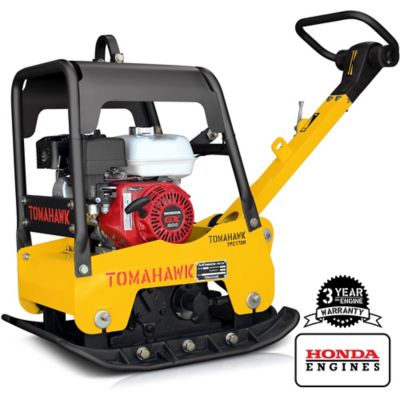
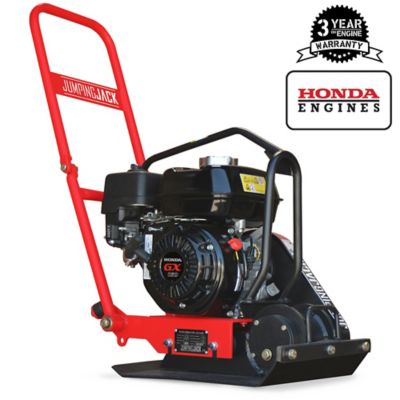
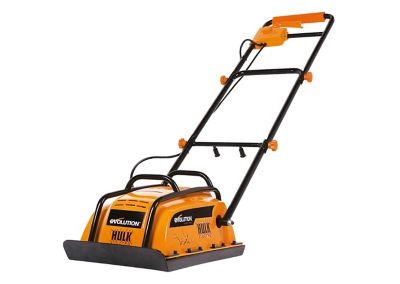
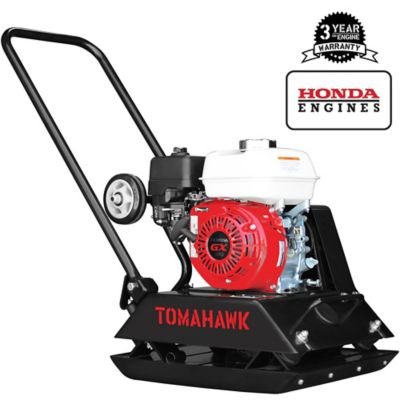
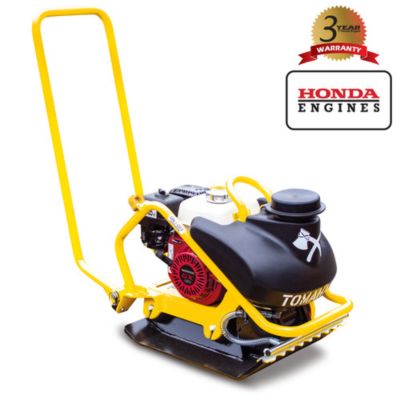
Vibratory Plate Compactors are a practical category to consider for many sand, gravel, and aggregate-base applications. Within this equipment type, forward-travel designs move in one working direction, while reversible designs can change direction without turning the entire machine around. That distinction can matter on a long driveway base, near a wall, or in an area where turning space is limited. Handle layout, vibration isolation, and control placement also affect how the machine feels over a work session. A handle that provides a comfortable operating position can make a difference when following repeated, overlapping paths across a gravel pad. Steel or cast-iron base plates, protected drive components, and sturdy frames are construction details worth comparing for the demands of a jobsite. Rounded plate edges may help limit surface marking, depending on the application. For paving stones, a compatible protective mat can reduce direct metal contact when the paving and machine manufacturers permit compaction. Asphalt work calls for equipment specifically suited to that material; some machines have water systems that help reduce asphalt sticking to the plate. Gasoline engines are common, while battery-powered designs may fit certain projects. Each power source brings its own operating, charging or fueling, and maintenance requirements. Transport wheels, lifting points, and folding handles can also influence how readily a machine moves between the trailer, storage area, and worksite.
Good equipment fit extends beyond the ground being compacted. The route from a truck or trailer to the work area may include a narrow gate, a gravel lane, or a tight corner beside a barn. Overall dimensions and machine weight matter in those spots, along with a suitable loading method and properly rated transport equipment. A lifting point is not interchangeable with a handle, and folding handles serve their intended purpose only within the manufacturer’s directions. On the job, compactors need room for controlled movement and stable operator footing. Edges, slopes, buried utilities, and nearby structures can all affect where a machine can safely work. Vibrations may also affect adjacent surfaces or structures, so project requirements and site conditions deserve attention before work begins. Engine exhaust is another consideration: gasoline-powered equipment belongs outdoors, away from enclosed or partly enclosed spaces where carbon monoxide can collect. Hearing protection, eye protection, and work footwear should match the machine’s instructions and site requirements. For the base itself, suitable moisture content helps material respond to compaction, but saturated soil and standing water can signal a problem that more passes will not solve. Working in layers sized for the machine and material supports consistent results beneath the surface, rather than leaving loose material hidden under a firm-looking top. Care between jobs helps keep the equipment ready for the next stretch of work. Packed dirt around the plate, loose fasteners, worn belts, and damaged vibration mounts can affect operation. Gas-powered machines have engine oil, air filter, and fuel-system needs, while battery-powered equipment has charging and battery-care requirements. Inspection, cleaning, service intervals, and storage should follow the equipment manual. Accessible service points and replaceable wear components are useful considerations for anyone planning repeated projects. Whether the work involves a short walkway or regular site preparation, matching the compactor to the material, available space, and expected workload helps make it a useful part of the equipment lineup.