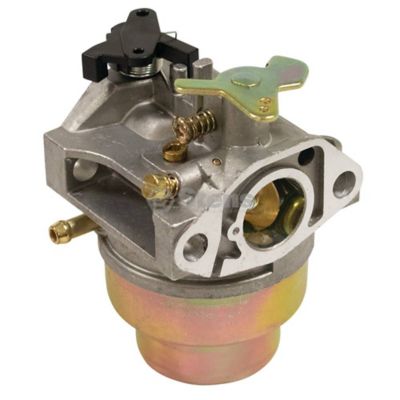
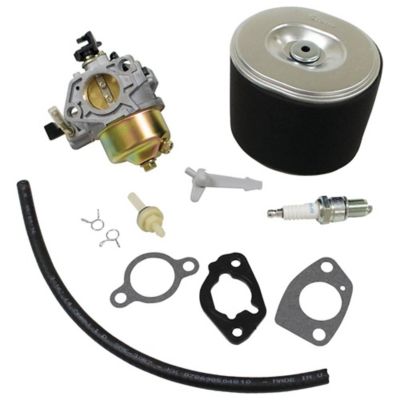
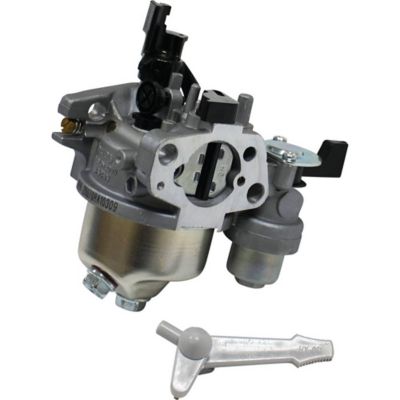
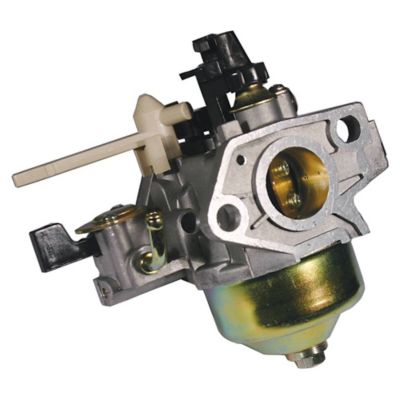
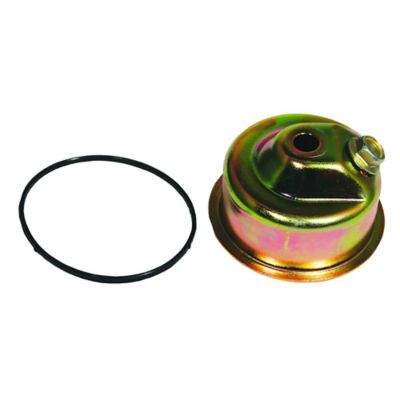
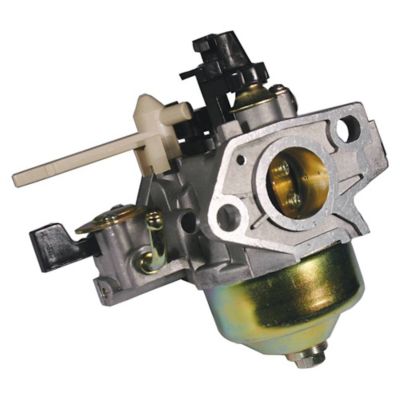
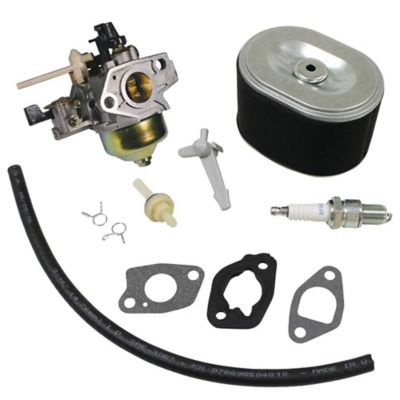
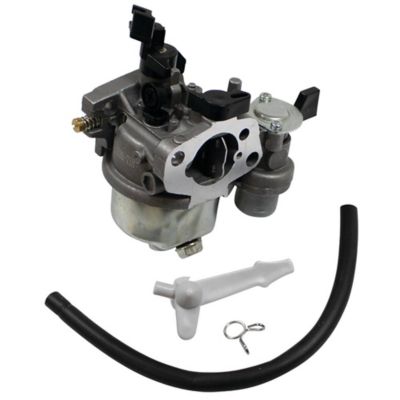
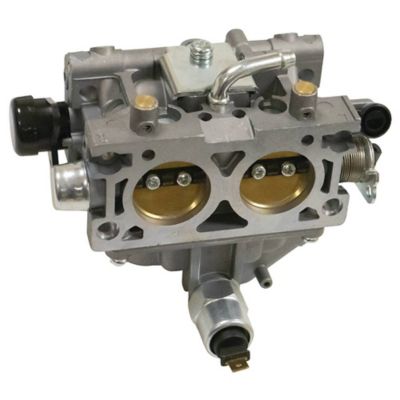
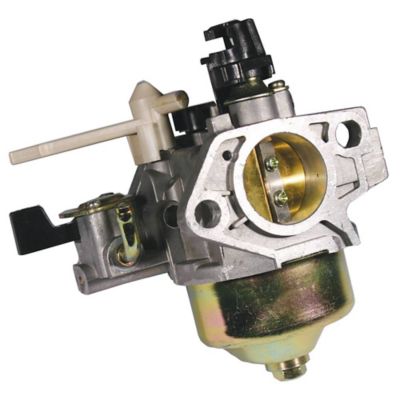
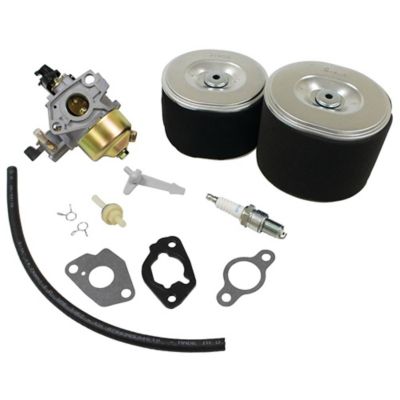
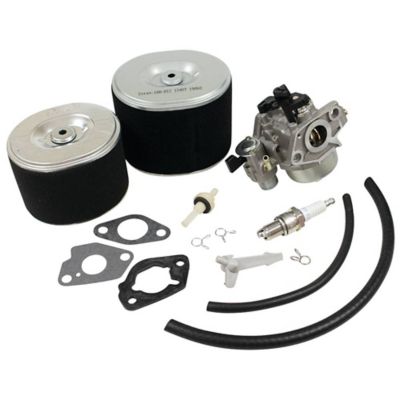
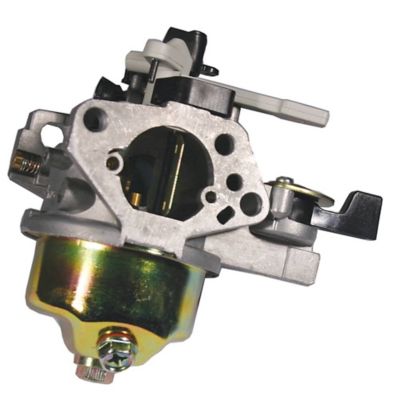
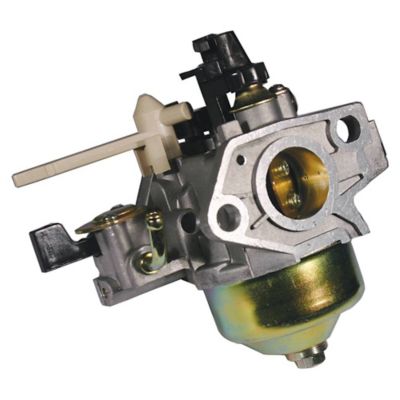
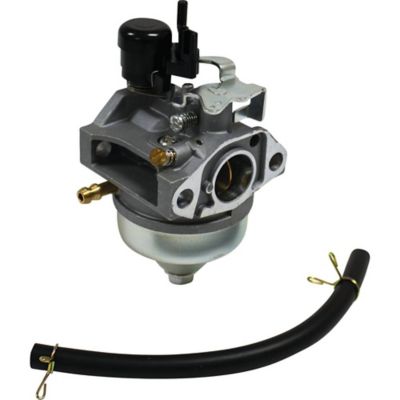
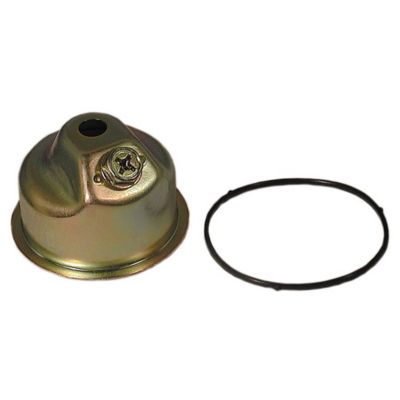
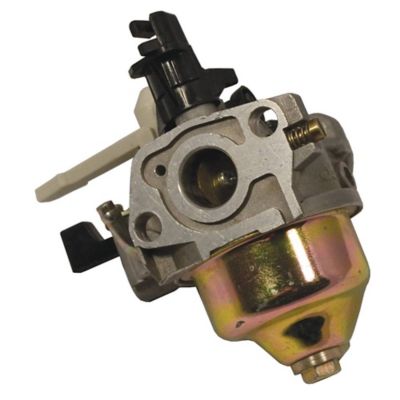
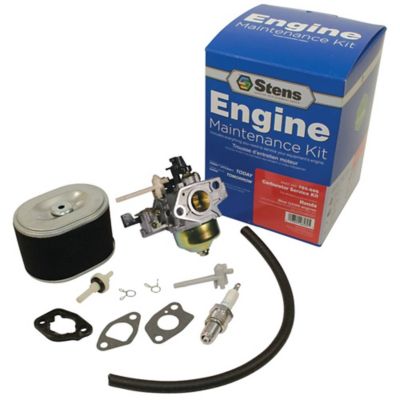
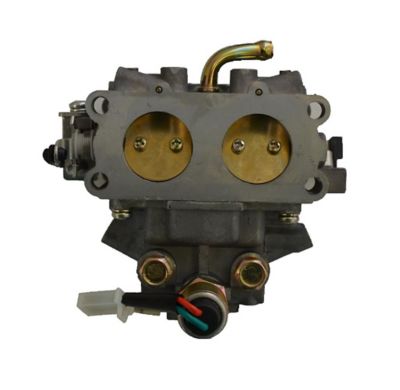
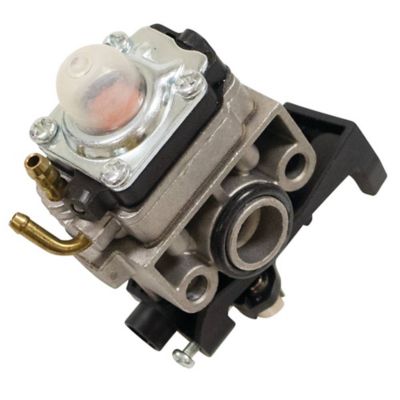
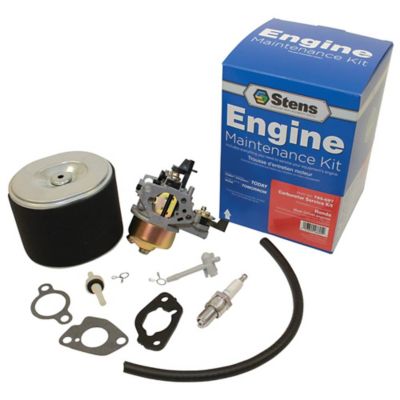
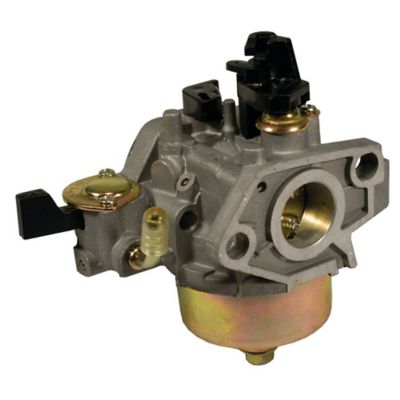
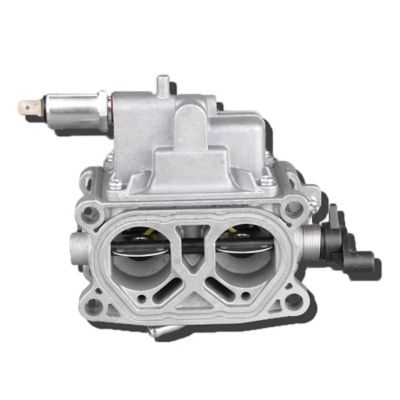
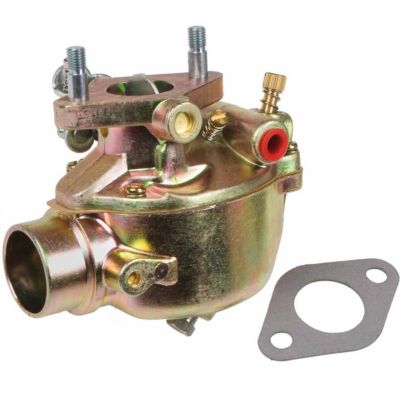
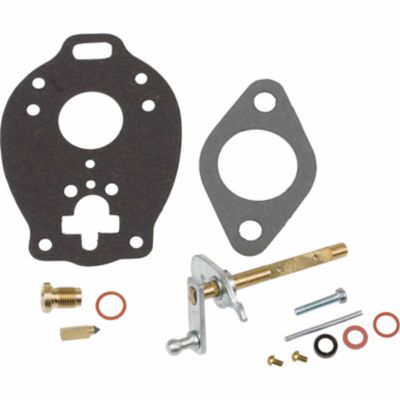
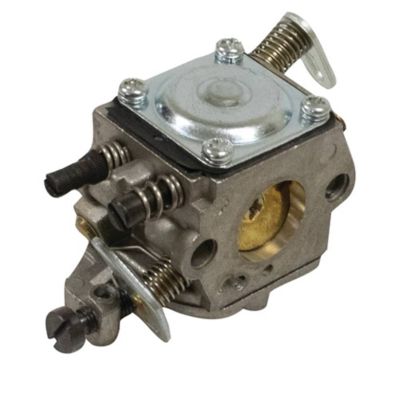
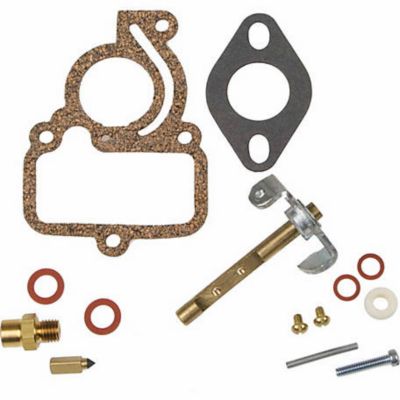
Honda carburetors help small engines mix fuel and air so lawn mowers, generators, pressure washers, tillers, pumps, and other outdoor equipment can start and run as expected. When an engine becomes hard to start, surges while running, stalls under load, leaks fuel, or struggles to hold a steady idle, the carburetor may be dirty, worn, or affected by fuel that has sat for too long. A replacement can also make sense when a housing is cracked, a float no longer moves freely, a gasket has lost its seal, or a jet and needle passage will not clear with routine cleaning. Before placing an order, look for the engine model and type number on the equipment rather than relying on the appearance of the old part. Two carburetors may look nearly identical while having different mounting points, choke arrangements, fuel line locations, gaskets, or jet settings. Check the equipment manual, the engine label, and the part information shown on the listing, then compare those details with the carburetor being considered. It also helps to note whether the engine powers a mower, tiller, pressure washer, generator, or another machine, since the same engine family can be fitted for different jobs. A basic replacement may involve a wrench, nut driver, pliers, a clean work surface, and a container for catching fuel, though the exact tools vary by equipment. Before starting, let the engine cool, disconnect the spark plug wire, shut off the fuel supply, and work outdoors or in a well-ventilated area away from flames and heaters. Take a quick photo of the fuel line and linkage before removing anything; that small step can save time when the new carburetor goes on. Keep bolts, springs, clips, and gaskets together, and avoid forcing a linkage into place. If the old carburetor is only lightly clogged, a suitable carburetor cleaner and careful inspection may solve the problem, but a replacement is often the better path when corrosion, damaged threads, a leaking bowl, or a sticking float is involved.
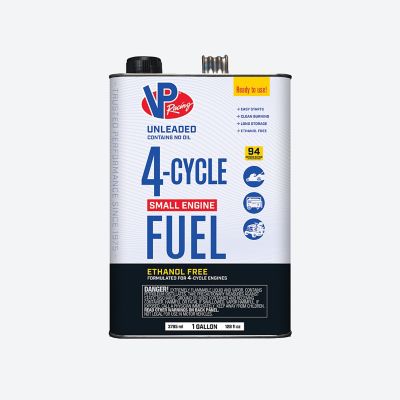
Fuel storage and routine care play a big part in how a small engine behaves through the cooler months. Old fuel can leave a sticky film inside the bowl and narrow the tiny passages that control starting and idle speed. When equipment will sit for an extended stretch, follow the engine maker’s storage instructions, add fuel stabilizer when appropriate, and run the fuel system as directed so less fuel remains in the bowl. Do not overlook the air filter, spark plug, fuel line, and tank while installing a carburetor; a blocked filter, cracked line, or weak spark can create symptoms that look like a carburetor problem. Once the replacement is installed, check every connection for leaks before starting the engine. Let it warm outdoors, listen for an even idle, and test it under the normal load for that machine. A mower should respond smoothly when the blade is engaged, a generator should carry its intended load without repeated surging, and a pressure washer should maintain steady engine speed while the pump is operating. Adjustment screws should not be changed at random, since their settings affect the fuel mixture and engine performance; follow the instructions for the equipment and make small adjustments only when the design allows it. These parts can be a practical present for a landowner, caretaker, weekend mechanic, or anyone who keeps several machines ready for chores around a homestead. A spare carburetor stored in a clean, sealed package can be especially useful before seasonal maintenance begins, when a mower, tiller, or generator needs to be ready after sitting in a shed. Keep the part dry and protected from dust, and save the packaging or part number for future reference. Shoppers maintaining equipment from another manufacturer can also browse
Cub Cadet Carburetors for additional replacement options. With the correct model information, careful installation, and clean fuel practices, the right carburetor can help bring a balky small engine back to steady service for mowing, property upkeep, emergency power, and everyday chores.