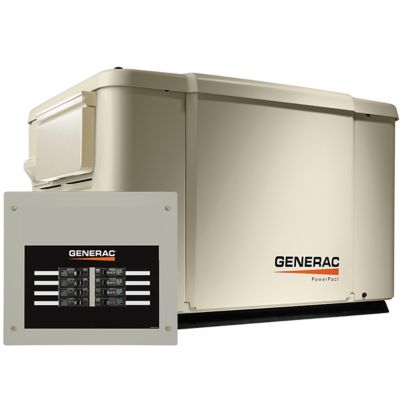
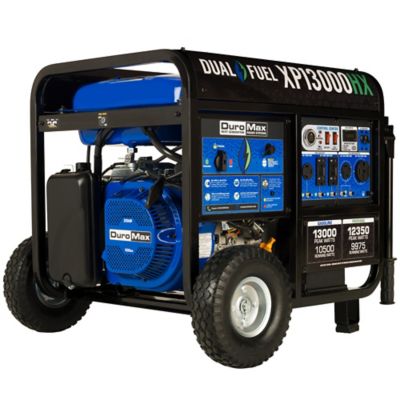
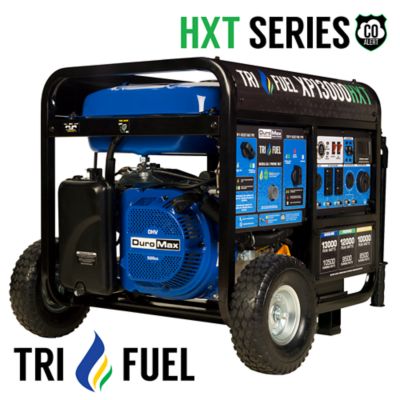
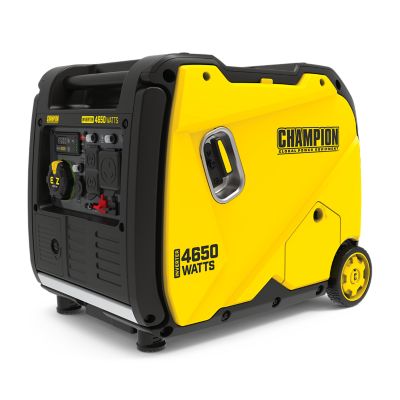
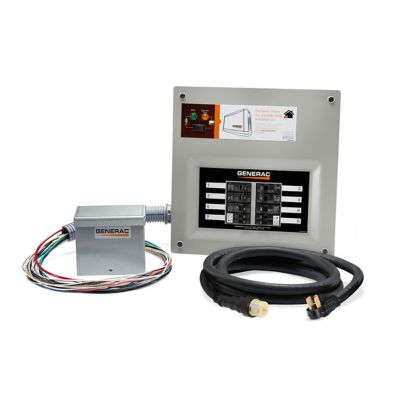
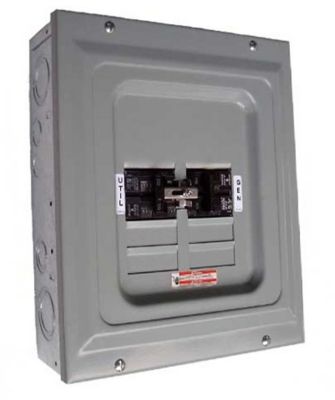
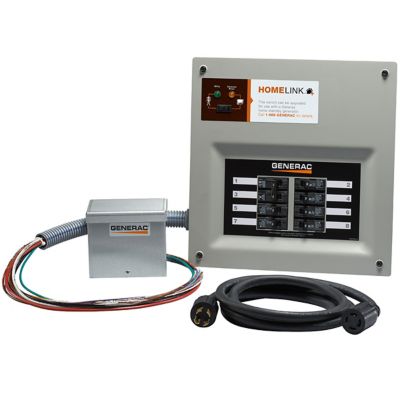
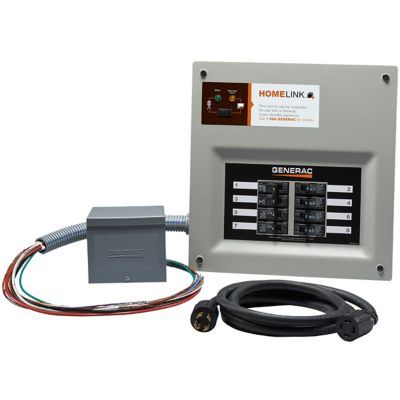
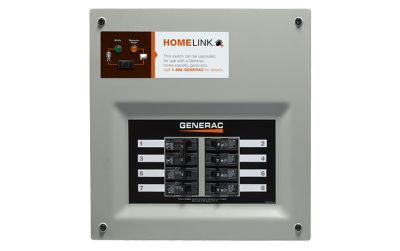
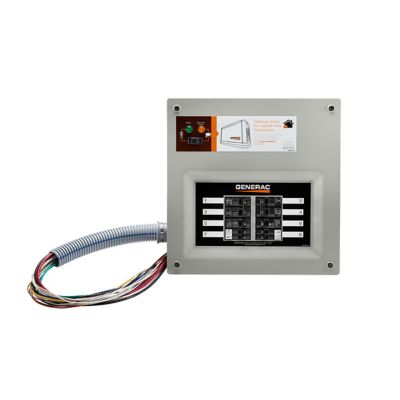
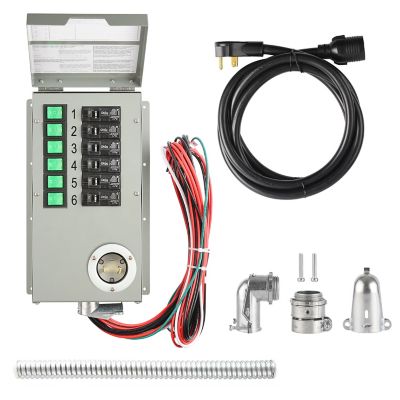
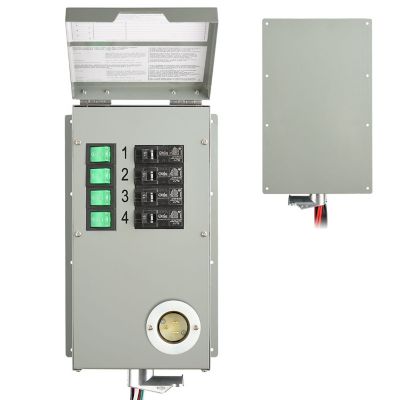
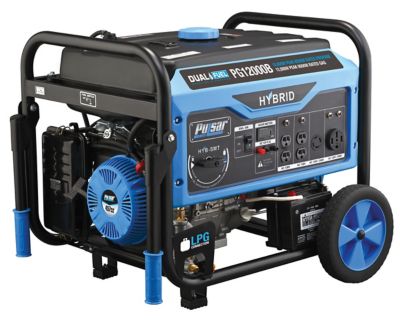
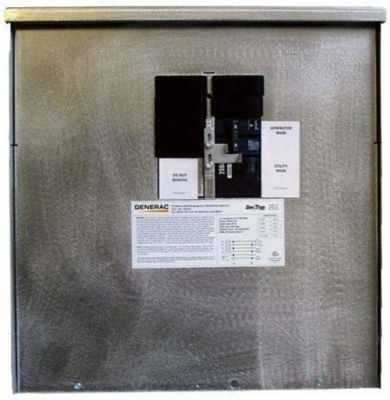
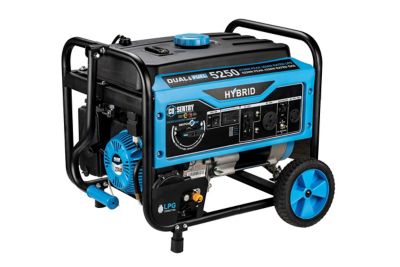
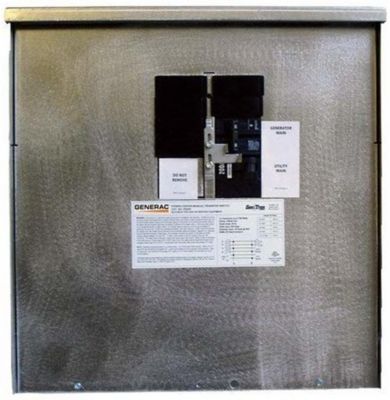
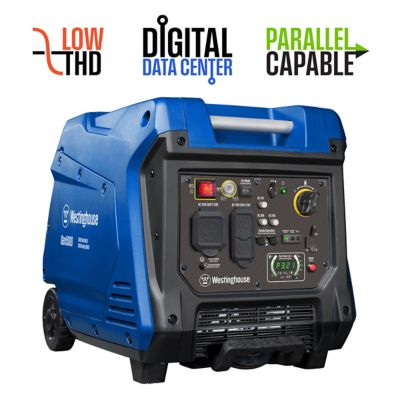
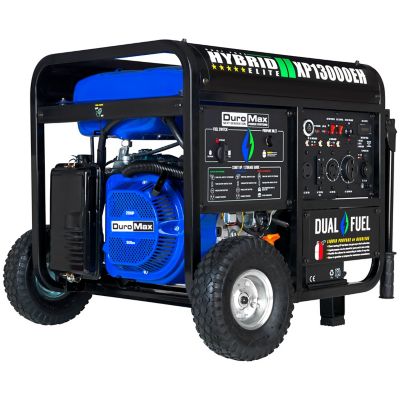
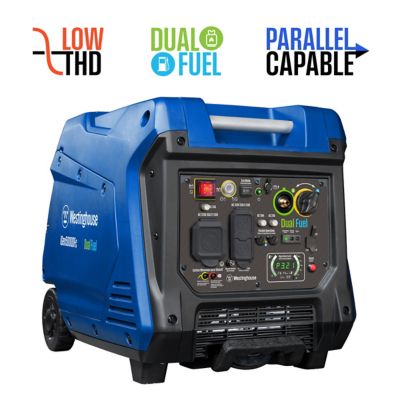
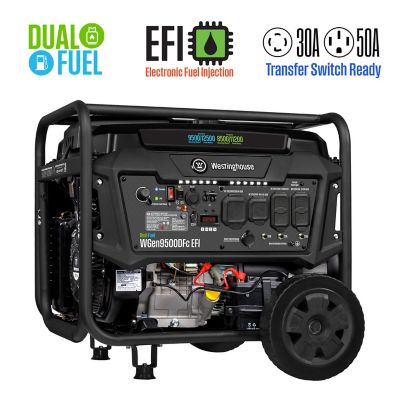
Home generators with transfer switches help keep essential household power available when storms, high winds, ice, equipment problems, or other service interruptions leave the neighborhood dark. A transfer switch is the key part of the setup: it separates selected home circuits, or the whole electrical system in some installations, from the utility line before generator power is supplied. This helps prevent electrical backfeed, a dangerous condition that can send current onto utility lines and put line workers at risk. Instead of running cords through a doorway or moving a generator into an unsafe location, a properly connected system directs power through an outdoor inlet and the home’s electrical panel. That makes it easier to keep a refrigerator cold, maintain lighting, run a furnace blower or sump pump, power a well pump, and keep chargers and communications equipment going during an outage. The right choice depends on the home, the equipment that needs power, the available fuel, and how much hands-on operation suits the household. A portable generator paired with a manual transfer switch is often a practical fit for keeping several priority circuits running. Many manual setups serve about six to ten circuits, such as refrigeration, heating, lighting, garage doors, internet equipment, or a medical device that has been approved for generator power. The homeowner starts the generator outdoors, allows it to run as directed, then moves the selected circuits to generator power through the manual switch. When utility service returns, the circuits are moved back and the generator is shut down according to the manufacturer’s instructions. A standby generator with an automatic transfer switch takes a different approach. It is installed in a fixed outdoor location and connected to an approved fuel supply, commonly natural gas or liquid propane. When the electrical service drops, the switch senses the interruption and transfers designated circuits, or a larger portion of the home, to generator power with little hands-on action. Automatic systems can be a strong fit for households where someone may be away, where outages happen during sleep, or where essential equipment needs a prompt power source.
Start by making a list of the circuits that matter most during an outage rather than assuming every appliance must run at once. A refrigerator and freezer, furnace, sump pump, well pump, lights, garage door opener, router, and a few outlets may cover the household’s main needs. Large loads such as central air conditioning, electric water heaters, ranges, dryers, welders, and shop tools can require substantial starting and running power. Motors often draw more power when they start than they do once they are running, so generator sizing should account for both numbers. Check the starting and running wattage listed on appliance plates or in owner information, then compare those demands with the generator’s rated output. Keep in mind that a whole-home automatic system may call for a larger electrical service connection and a switch sized for the home’s panel, while a portable system may be set up to serve a smaller group of priority circuits. Fuel planning matters, too. Gasoline can suit short portable operation, though it requires safe storage in approved containers and careful attention to freshness and local rules. Dual-fuel equipment can offer flexibility by allowing gasoline or propane, while natural gas and propane connections can support standby operation when installed according to the manufacturer’s requirements. Fuel availability can change during severe weather, so keeping a plan for refueling, storage, and run time is part of preparing the system. Ventilation and placement are just as important as wattage. A running generator belongs outdoors, well away from doors, windows, crawl-space openings, and vents, with exhaust directed away from the home. Carbon monoxide can build quickly in enclosed or partly enclosed spaces, including garages, porches, sheds, and carports. Carbon monoxide alarms should be installed as recommended throughout the home. A transfer switch does not replace safe generator placement, and a generator should never be connected to a household outlet with a makeshift cord. For portable systems, an outdoor power inlet and an appropriately sized panel provide the proper path between the generator and selected circuits. Homeowners comparing manual setups can review
Manual Generator Transfer Switches to learn more about the components that help route generator power through designated circuits.
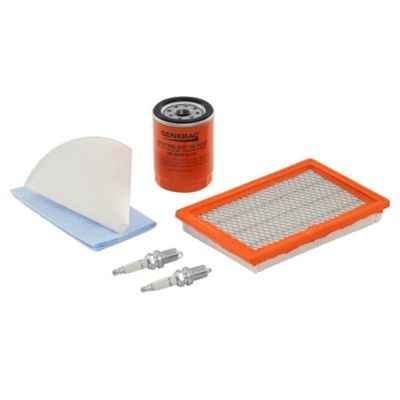
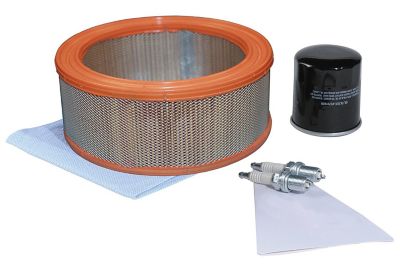
Electrical panel work and transfer-switch installation should be handled by a licensed electrician familiar with local codes, utility requirements, grounding rules, and the specific generator connection. The electrician can confirm whether the existing service panel can support the planned equipment, identify the circuits to include, install the inlet or automatic connection, and verify that the switch changes sources as intended. Some installations may need permits, inspections, fuel-line work, or updates to the service equipment. Before buying, measure the available installation area, check clearance requirements, confirm fuel compatibility, and review sound levels if the unit will sit near bedrooms, neighbors, or outdoor living spaces. Think through operation during cold weather as well: battery condition, oil requirements, fuel behavior, and access for inspection can all affect readiness during the cooler months. A simple maintenance routine helps the system stay prepared. Follow the manufacturer’s schedule for oil, filters, spark plugs, battery checks, exercise cycles, and fuel handling. Keep the transfer-switch panel accessible, label the circuits clearly, and store operating instructions where the household can find them by flashlight. It is also wise to test the system before severe weather arrives, with an electrician involved when the installation or local rules call for it. For a new homeowner, a household managing a well or sump pump, or anyone caring for essential powered equipment, a generator and transfer switch can be a practical preparedness purchase rather than a seasonal extra. The goal is not to power every appliance without limits; it is to provide a planned, safe source of electricity for the parts of home life that matter most when the utility supply is interrupted.