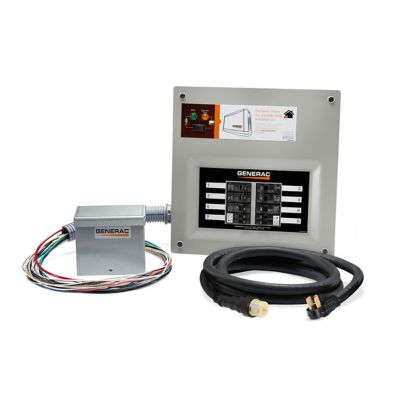
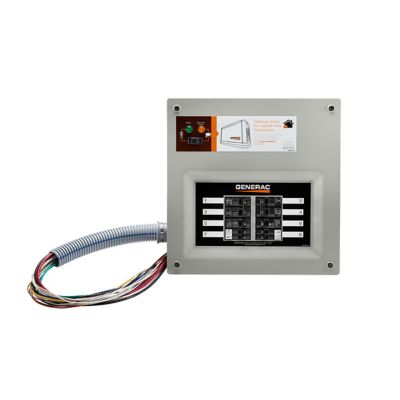
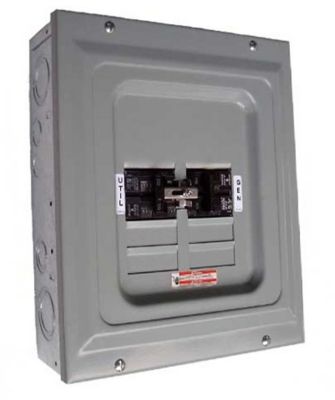
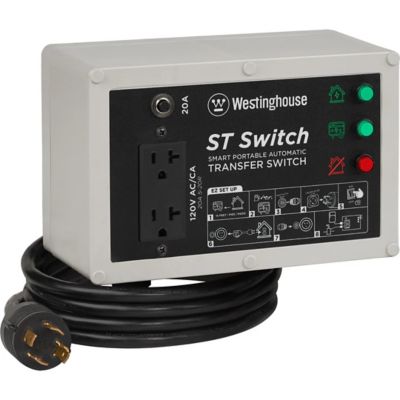
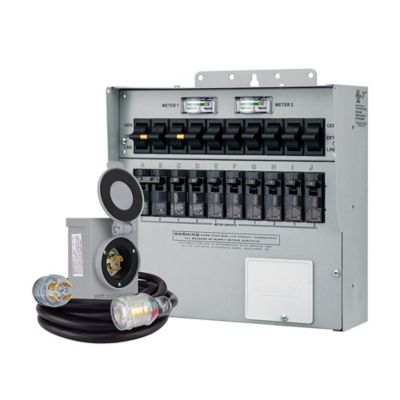
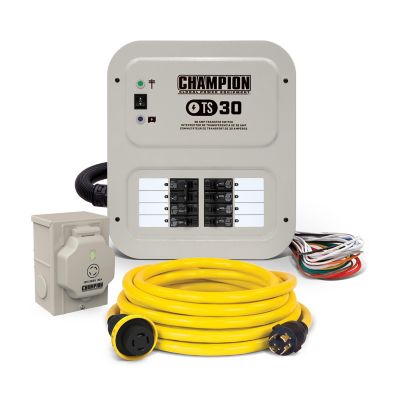
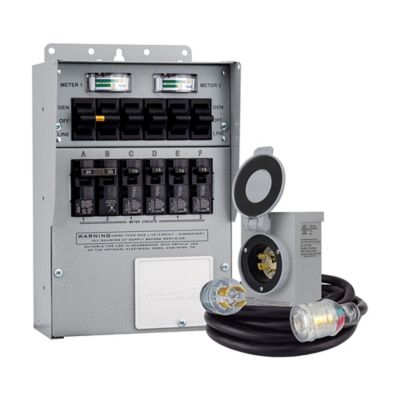
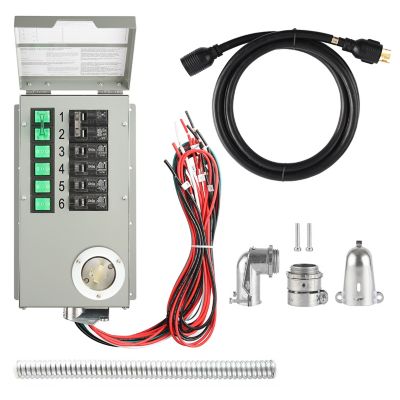
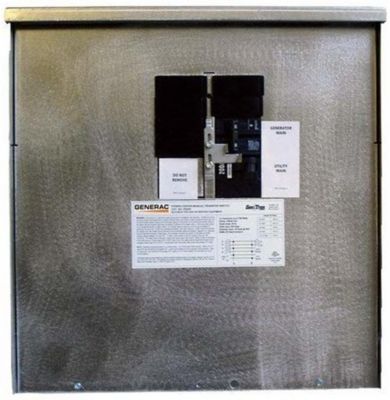
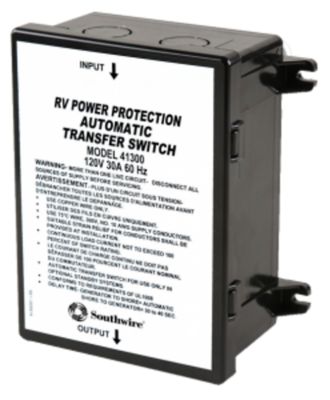
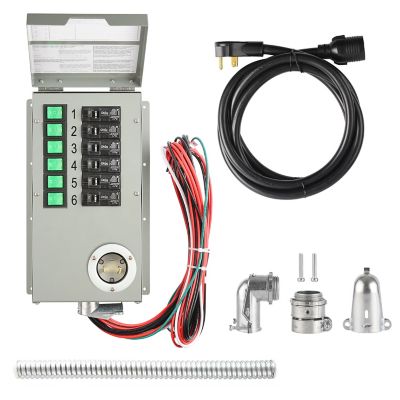
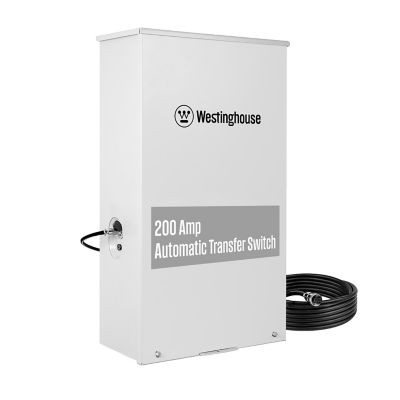
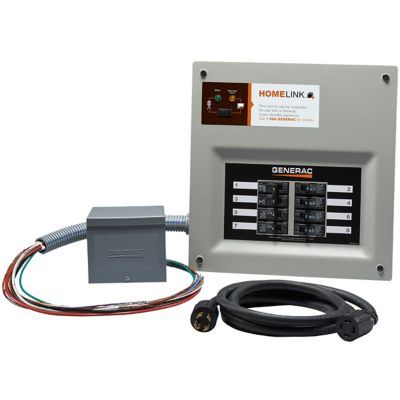
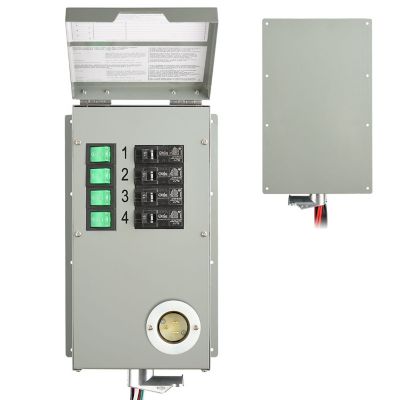
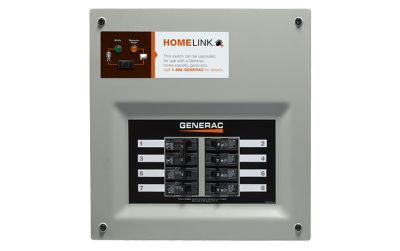
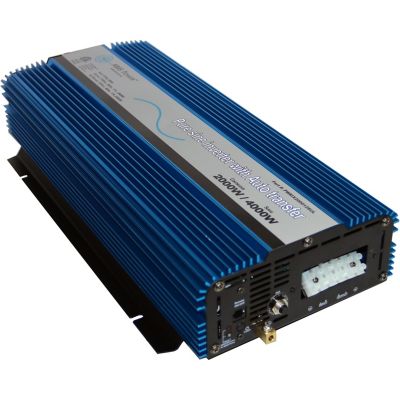
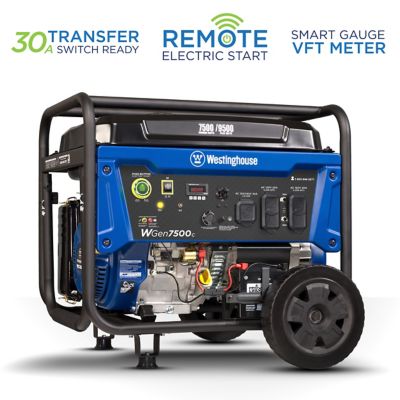
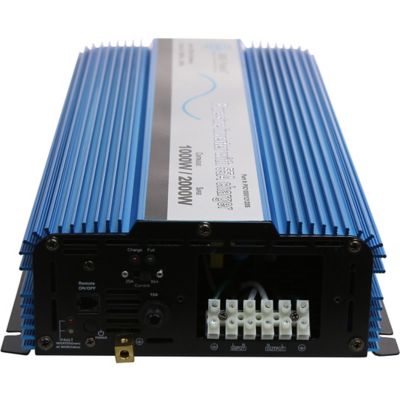
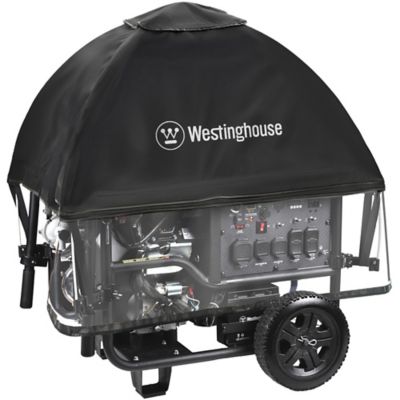
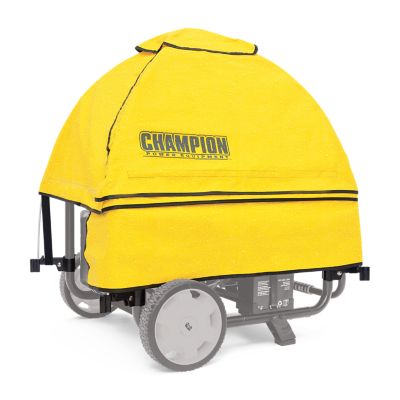
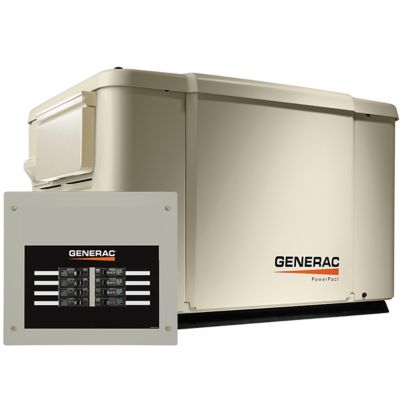
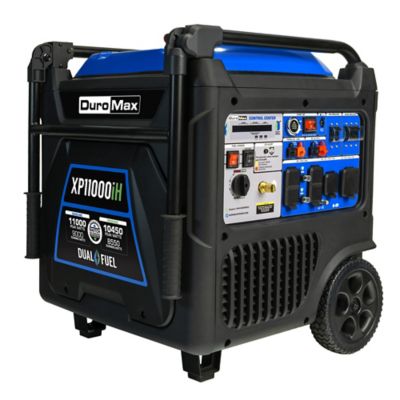
A transfer switch for a portable generator gives you a safer, more organized way to use backup power during an outage. Instead of running a maze of extension cords through doors, windows and hallways, a properly installed switch connects your portable generator to selected circuits in your home's electrical panel. With the turn or flip of a manual control, those circuits can be moved from utility power to generator power, allowing you to run important hard-wired equipment such as a refrigerator, freezer, furnace blower, well pump, sump pump, lights or a few convenient receptacles. A transfer switch also helps prevent dangerous backfeeding, which happens when generator power flows backward into utility lines and creates a serious hazard for lineworkers making repairs. For rural homes, workshops, barns and properties that depend on electric pumps or powered equipment, this added control can make an outage easier to manage, especially during the cooler months when heat, water and food storage become priorities. A transfer switch does not usually power every circuit in the house at once. Instead, it directs generator power to a chosen group of circuits, helping you make the most of the generator's available wattage. That makes it useful for a homeowner who wants dependable backup for essential loads without installing a permanently mounted standby generator. It can also be a thoughtful gift for a new homeowner, someone fixing up an older farmhouse, or a family preparing a rural property for storms and utility interruptions. Because it becomes part of the home's electrical system, however, this is not a plug-and-play project in the same way as buying a portable heater or a set of work lights. Installation should be handled by a qualified electrician in accordance with local electrical codes, permit requirements and the instructions supplied with the equipment.
When choosing a transfer switch for portable generator use, start by matching the switch to the generator and the circuits you plan to operate. Check the generator's running wattage, sometimes called rated wattage, rather than relying only on its higher starting or surge wattage. Motors in refrigerators, freezers, well pumps, furnaces and other equipment may need extra power for a few seconds when they start, so leave room for those temporary demands. Make a list of the appliances and circuits that matter most during an outage, then add their running wattage and consider their starting requirements. Many households choose a circuit setup that covers refrigeration, a heating system, a few lights and selected outlets, while leaving high-draw equipment such as electric ranges, central air conditioners, water heaters or large shop tools out of the backup plan unless the generator and electrical equipment are sized for them. Pay attention to amperage as well as wattage. A 30-amp generator connection and matching transfer switch are common for larger portable generator setups, but the correct size depends on the generator, inlet, cord and home's electrical system. Kits may include a transfer switch, an exterior power inlet box and a heavy-duty generator cord, while other arrangements may require those components to be purchased separately. An outdoor inlet should be installed in a convenient, weather-protected location where the generator cord can reach without crossing walkways or sitting in standing water. Look for sturdy construction, clearly marked circuit controls and a layout that is easy to understand in a dim utility room. It is also worth checking whether the switch is designed for the number of circuits you need and whether it is compatible with your home's panel and wiring. Taking a photo of the electrical panel and noting the model information before shopping can give an electrician useful details, but never remove the panel cover or attempt wiring unless you are trained and authorized to do so.
A transfer switch works best as one part of a complete outage plan. The generator should always operate outdoors, well away from doors, windows and vents, because its exhaust contains carbon monoxide that can build up indoors or in enclosed spaces. Keep the generator dry, place it on a stable surface, and use only an outdoor-rated cord with the correct plugs and capacity. Before an outage, label the circuits controlled by the switch and make a simple list of the loads you intend to run. When utility power fails, turn off unnecessary equipment, start and warm up the generator according to its instructions, connect the cord to the outdoor inlet, and move the transfer switch controls as directed by the manufacturer and electrician. Avoid switching back and forth while heavy loads are running, and do not exceed the generator's rated capacity. When utility service returns, reverse the process carefully, return the selected circuits to utility power, shut down the generator after the load is removed, and store the cord where it stays clean and dry. Periodic testing helps reveal a weak battery, stale fuel, damaged cord or circuit that is not operating as expected before a storm rolls through. Keep fuel stored safely and follow local rules, and remember that portable generators need ventilation even when the weather is cold. For additional options and planning ideas, browse
Manual Generator Transfer Switches to compare equipment intended to help route backup power to essential household circuits. Whether you live on a small homestead, maintain a barn and outbuildings, or simply want the refrigerator and furnace ready when the lights go out, choosing the right transfer switch and having it installed correctly can bring welcome peace of mind through changing weather and unexpected outages.