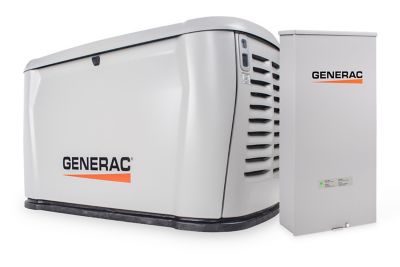
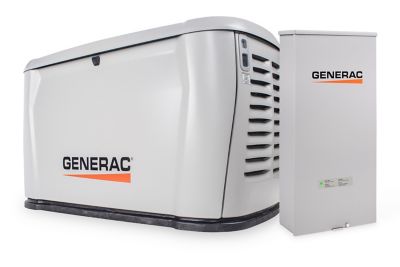
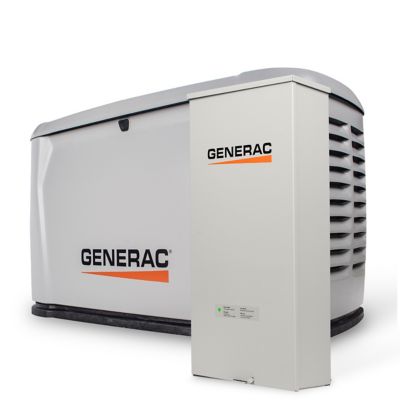
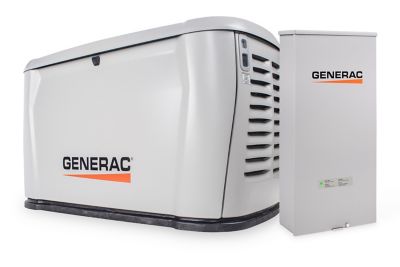
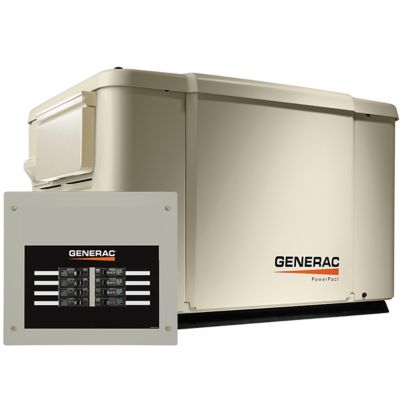
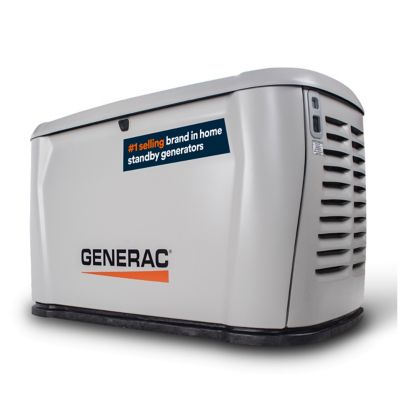
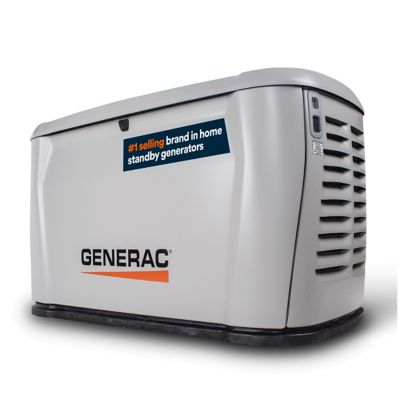
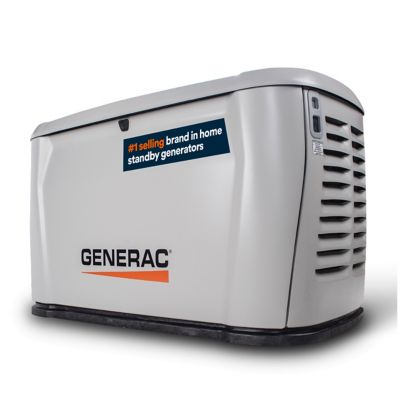
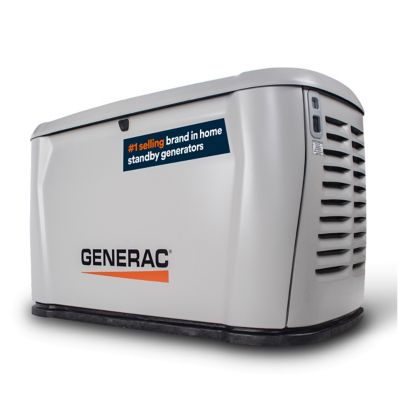
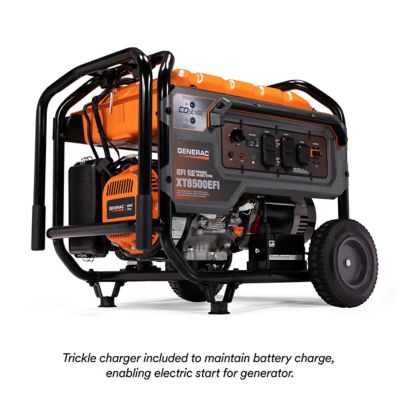
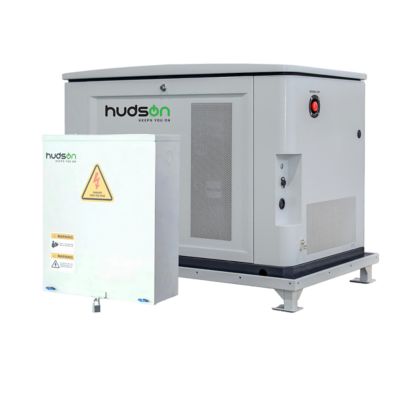
A standby generator is a dependable way to keep your home’s most important systems running when a storm, fallen tree, ice buildup or other utility problem interrupts electric service. Unlike a portable unit that must be rolled out, fueled and connected by hand, a permanently installed standby generator is designed to remain ready outside your home and start automatically when the power goes out. An automatic transfer switch detects the interruption, moves selected circuits—or, with the right setup, much of the entire home—to generator power, and switches back when utility service returns. That hands-off operation can make a big difference during the cooler months, when a long outage may affect your furnace, well pump, sump pump, refrigerator or livestock equipment. Browse the
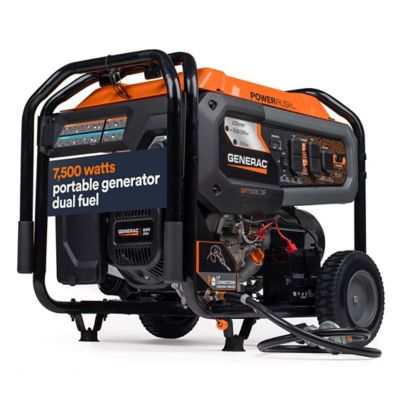
Generac Generators selection to compare options for home backup power and find equipment suited to your property. These systems are a practical fit for homeowners in rural areas, families who depend on medical equipment, people with a home office, and anyone whose water, heat or food storage relies on electricity. They can also be a thoughtful household gift for parents, grandparents or new homeowners, although installation and fuel planning make this a purchase best handled with the whole household in mind. A standby generator is not just another tool in the shed; it is part of the home’s emergency setup, ready to provide peace of mind when the lights go out and the wind is pushing hard against the windows.
Choosing the right generator starts with deciding what you need to keep powered. Some households focus on essential circuits such as the refrigerator, freezer, furnace, well pump, garage door opener, internet equipment and a few lights. Others prefer whole-home coverage so they can continue using heating and cooling, kitchen appliances, water systems, workshops and other high-demand equipment with less interruption to daily life. Generator capacity is measured in kilowatts, and the appropriate size depends on the electrical load of your home rather than square footage alone. A smaller house with an electric water heater, well pump and central air conditioner may need more capacity than a larger home with gas appliances and fewer electrical demands. Starting watts matter, too: motors in pumps, compressors and heating or cooling equipment can draw extra power when they first turn on. Make a list of the appliances and circuits that matter most, note which ones may run at the same time, and have a qualified electrician or generator installer review the load before ordering. Fuel availability is another key consideration. Many standby units can operate on natural gas or liquid propane, giving homeowners flexibility based on the service already available at the property. Natural gas may offer convenient continuous service where a reliable gas line is present, while propane can be a useful choice for homes outside municipal gas areas. Ask about fuel pressure, tank size, placement and local requirements before installation. The generator also needs a stable outdoor location with proper clearance, ventilation and drainage, along with a correctly sized transfer switch and wiring. Professional installation is essential because these systems connect directly to the home’s electrical service and fuel supply; a do-it-yourself connection can create serious safety hazards and may damage equipment or violate local codes.
Good standby generator care is fairly straightforward, but it should not be ignored. Many models perform an automatic weekly self-test, often using a quieter, lower-speed setting so the check is less disruptive to the household and neighbors. Even with automatic testing, walk around the unit occasionally to look for leaves, grass clippings, snow, mud or other debris that could restrict airflow. Keep the surrounding area open, and avoid storing firewood, feed bags, gasoline cans or other materials beside the enclosure. Check the fuel supply according to the type of system installed, and arrange routine service for oil, filters, battery condition, connections and overall operation. Some systems offer phone or tablet monitoring, which can help you see whether the unit is ready, identify maintenance needs and keep track of an outage while you are away from home. Clean, stable power is also important for modern electronics, appliances and control boards, so look for a system designed to deliver consistent electrical output and work with the sensitivity of the equipment in your home. Before an outage, learn which circuits are covered, keep service information where family members can find it, and make sure everyone knows to stay clear of the generator and exhaust area while it is running. A little preparation goes a long way: when heavy weather rolls through and the neighborhood goes dark, the freezer can stay cold, the furnace can keep working, and the lights in the kitchen can come on without anyone heading outside in the rain to pull a cord.