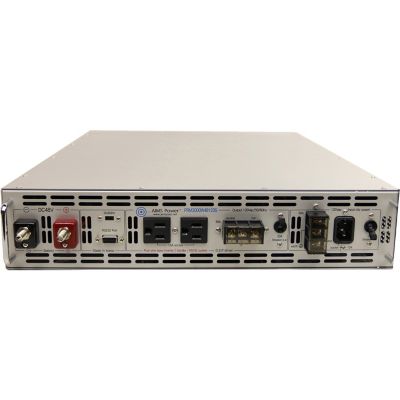
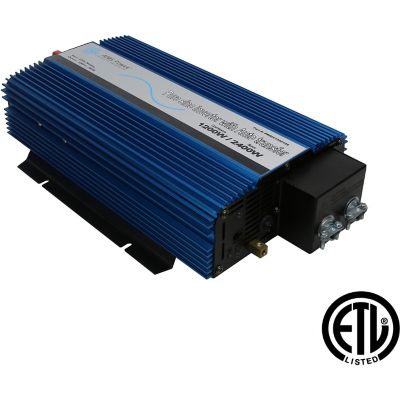
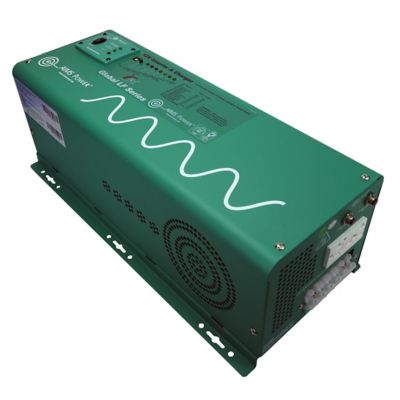
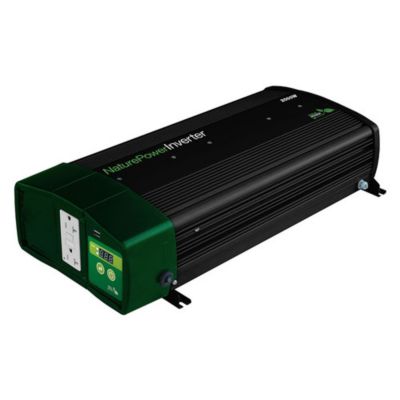
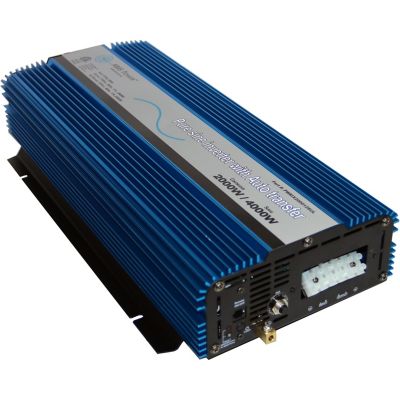
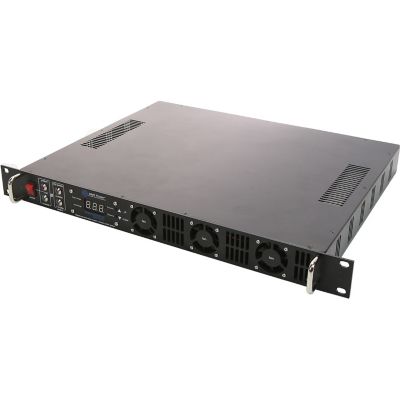
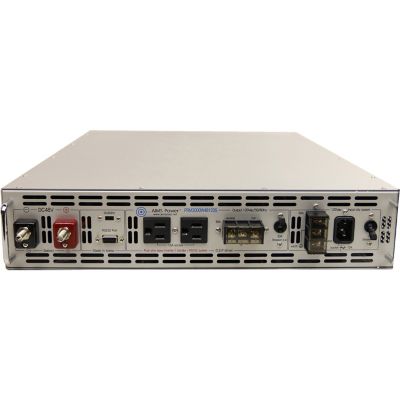
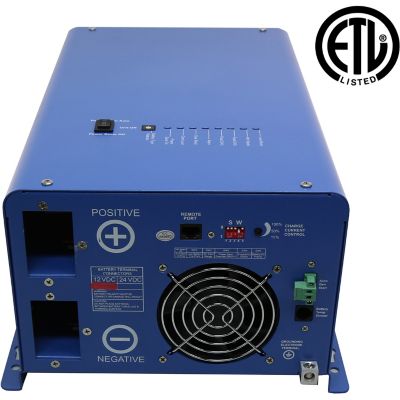
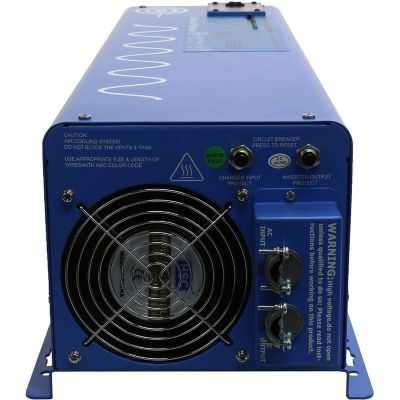
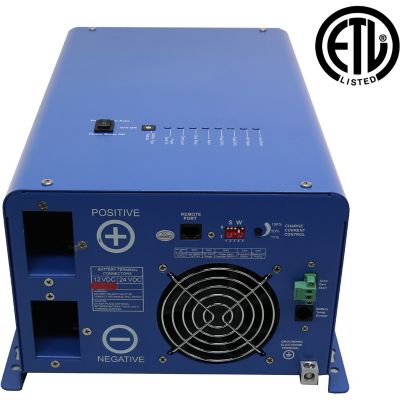
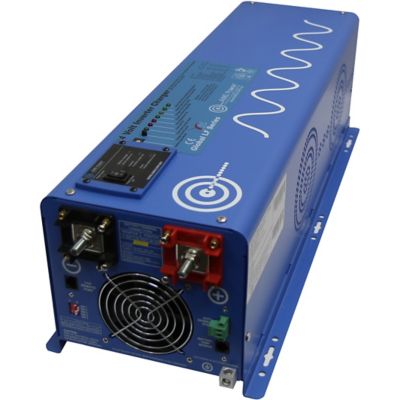
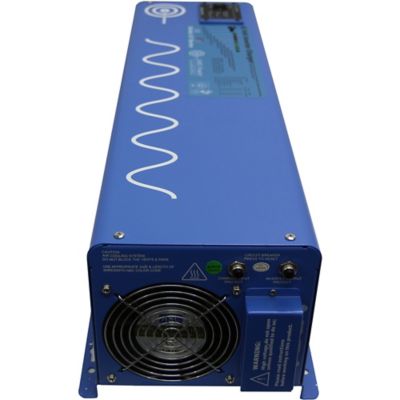
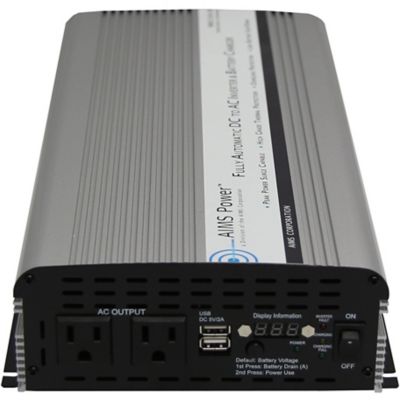
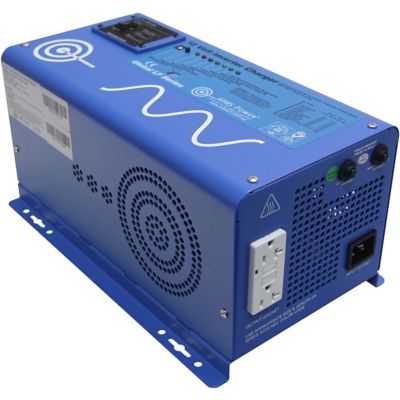
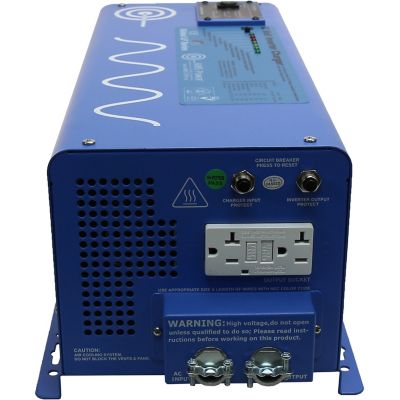
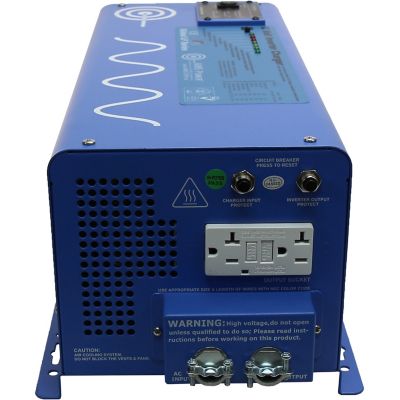
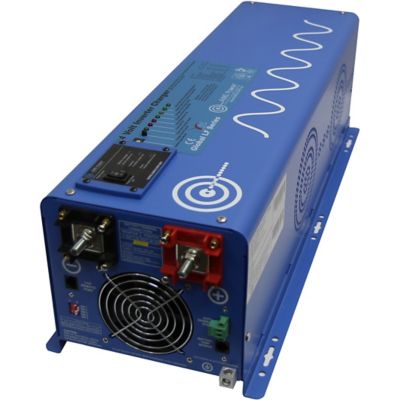
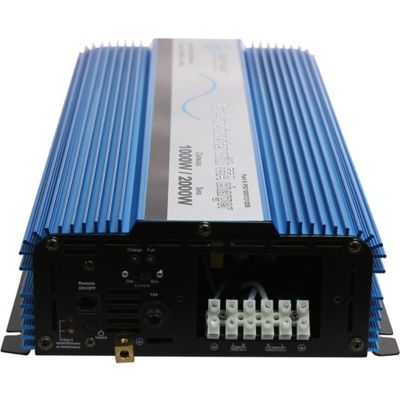
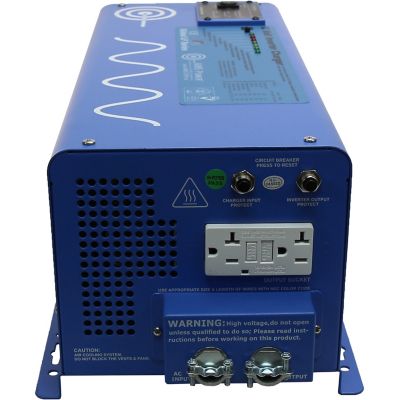
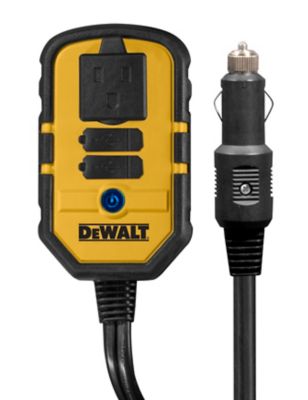
Inverters with automatic transfer switches combine DC-to-AC power conversion with automatic switching between an incoming AC source and battery-backed inverter power. The inverter turns stored battery energy into electricity for compatible AC loads, while the transfer switch selects the power path according to the unit’s operating mode and settings. When utility or generator input falls outside the accepted range, a compatible system can move connected loads to inverter power without someone flipping a switch. Once acceptable input returns, the system can transfer those loads back. Many units also include a battery charger, making them inverter chargers with automatic transfer, but charging capability is not a given across every design. That distinction matters when choosing equipment for a camper, a barn office, an off-grid cabin, or selected backup circuits around a property. A setup meant to keep a router and a few lights running has different demands than one serving a freezer or motor-driven equipment. These systems can make sense where a brief loss of incoming power would otherwise mean walking out to a building, moving cords, or stopping work to change power sources. Their usefulness still depends on the battery bank, connected loads, and installation—not just the presence of an automatic switch. Transfer time also varies. Automatic switching does not always mean uninterrupted power, and sensitive electronics may restart during the changeover unless the equipment’s specifications support their needs. Likewise, an automatic transfer switch does not necessarily start a generator; that requires compatible generator-start controls and a generator that supports them. For everyday use, clear status lights, a readable display, and straightforward controls make it easier to see whether loads are running from incoming AC or battery power. Remote monitoring can also be helpful when the equipment sits in a separate room or building. The right combination brings the inverter, switching function, and battery system together around the work that actually needs to keep going.
Electrical fit starts with continuous output, surge capacity, output voltage, and waveform. Continuous wattage describes the load an inverter can carry on an ongoing basis under its specified operating conditions, while surge capacity covers a higher demand for a limited period. Refrigerators, pumps, and other motor-driven loads can draw substantially more power at startup than they do once running, so both the surge rating and its stated duration deserve attention. A pure sine wave output generally suits a wider range of electronics and motor loads than a modified sine wave output, though each appliance’s requirements still matter. Voltage is just as important: a 120-volt inverter is not automatically suitable for a 240-volt well pump, and split-phase service requires equipment specifically designed for that arrangement. The AC pass-through rating is another separate consideration. It describes how much incoming AC the unit can carry through its transfer path and may differ from the inverter’s own output rating. On the battery side, the inverter’s required DC voltage must match the bank, whether the system calls for 12, 24, or 48 volts. Battery capacity helps determine runtime, but the battery’s discharge limits, the connected load, and conversion losses all affect the result. As a rough comparison, a steady 500-watt load running for two hours needs 1,000 watt-hours at the AC load, plus additional stored energy to account for inverter losses and battery operating limits. Battery chemistry matters, too. An integrated charger needs settings that suit the battery manufacturer’s requirements, including any communication or battery-management provisions. For locations with limited shore power or generator capacity, adjustable charging current can help keep charging demand within the incoming supply’s limits. These details separate a system that fits a few essential loads from one that struggles when a compressor starts or several appliances run together. Room for modest future needs can be useful, but matching the equipment to a defined set of loads keeps the overall setup practical.
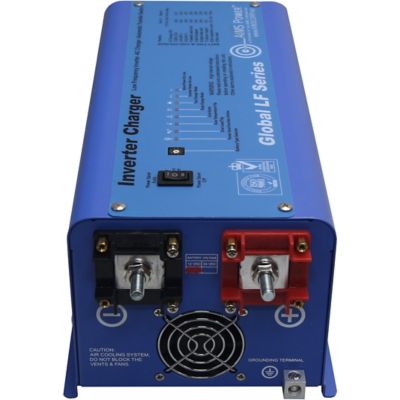
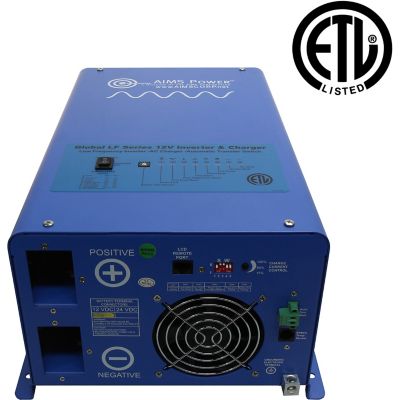
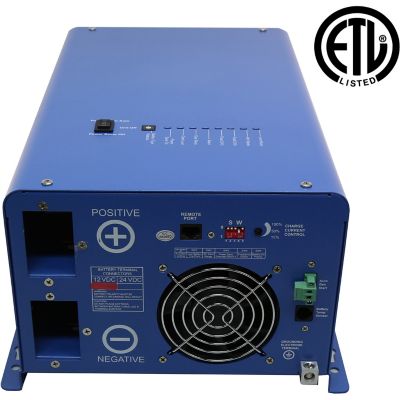
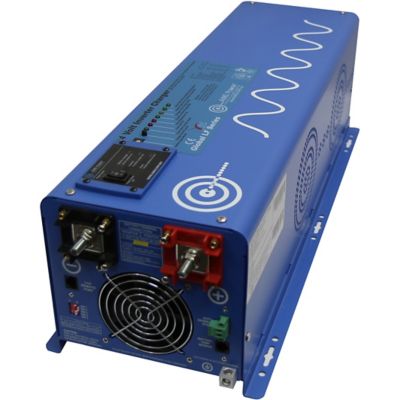
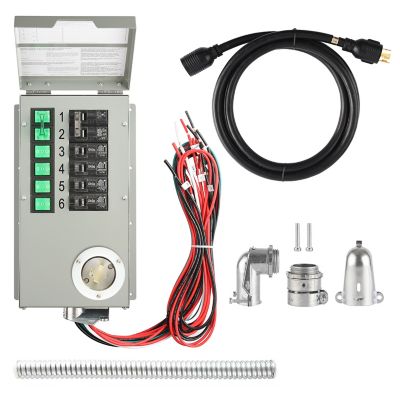
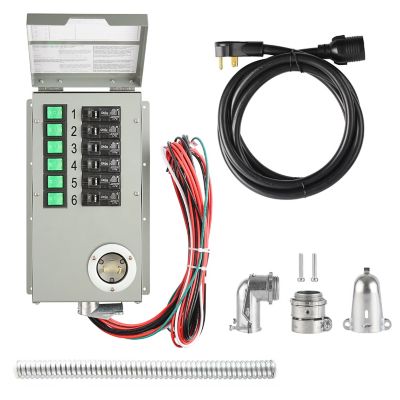
Physical construction and installation details matter just as much as the electrical ratings. Metal housings, guarded terminals, secure mounting points, and properly supported cable connections help protect the equipment in its intended setting. An enclosure’s appearance alone does not establish protection against dust or moisture; its stated rating and installation instructions determine where it belongs. Dimensions, weight, mounting orientation, ventilation clearance, and access to disconnects all affect whether an inverter fits neatly in an equipment compartment or utility space. Cooling fans and operating sounds are worth considering near sleeping quarters or a small office, while accessible displays and connection points simplify routine checks. Hardwired systems call for a qualified electrician or another appropriately qualified installer, especially where household circuits, multiple AC sources, grounding, and neutral switching are involved. A built-in transfer switch does not automatically replace every transfer device required for a building’s wiring arrangement. Proper source isolation is essential to prevent backfeeding, and cord connections must never substitute for an approved connection method. For properties that also need an engine-driven power source,
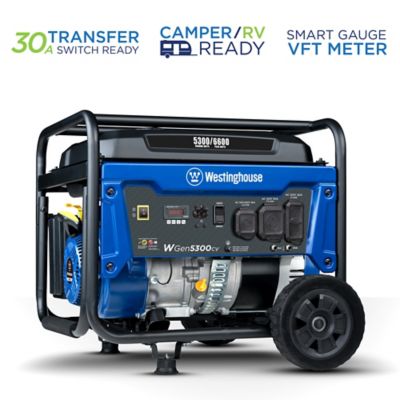
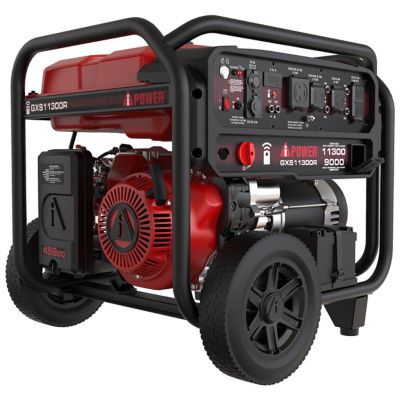
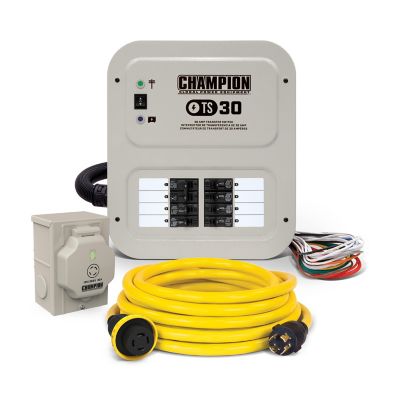
Portable Generators With Transfer Switch offer a related approach to backup power. A generator produces AC electricity while running; an inverter supplies AC electricity from stored battery energy, and compatible equipment can bring both into a coordinated system. Ongoing care generally centers on keeping ventilation openings clear, checking accessible cables and connections according to the manufacturer’s directions, and following the battery’s maintenance requirements. Inspection or service should take place only after the equipment is isolated from every power source as directed. Batteries can remain energized after incoming AC is disconnected. For a camper owner, acreage owner, or anyone supporting a small outbuilding, a well-matched inverter and automatic transfer setup can reduce hands-on switching and keep selected equipment working through a loss of incoming power, within the system’s capacity and runtime limits.