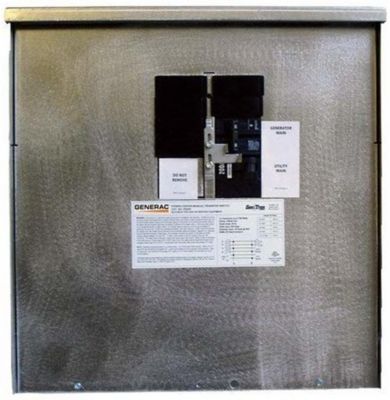
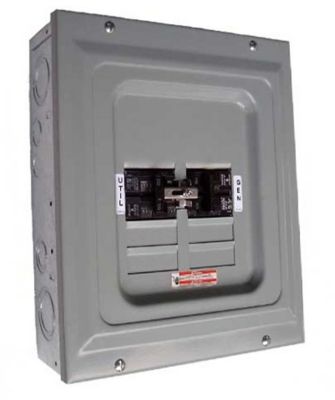
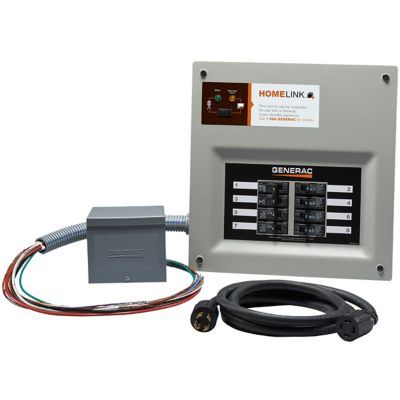
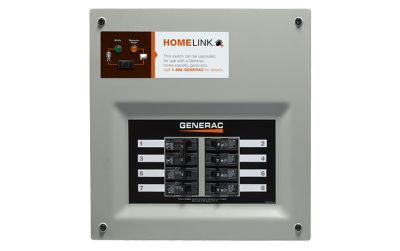
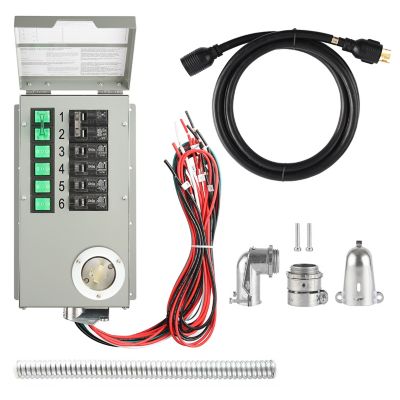
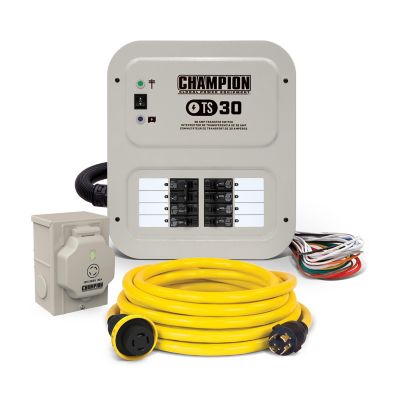
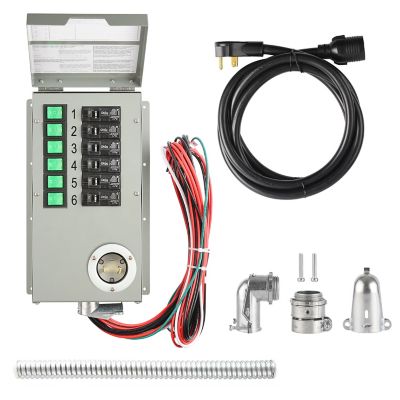
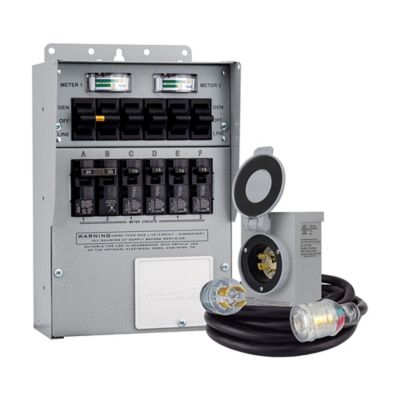
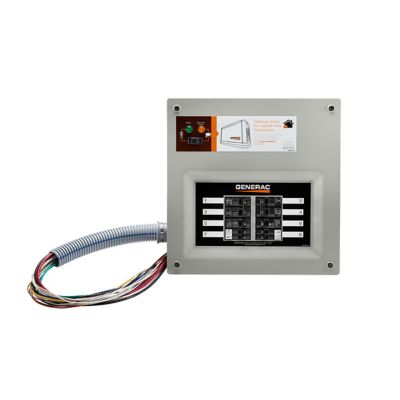
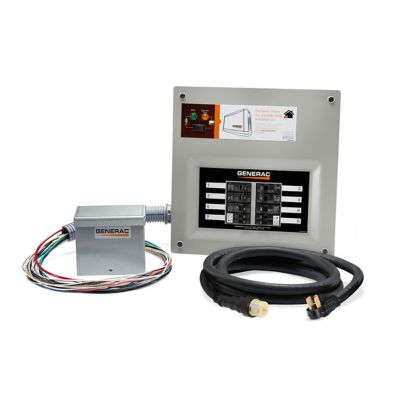
Manual generator transfer switches provide a practical way to connect a portable generator to selected circuits in a home, workshop, barn, or small business during a power outage. Rather than running extension cords through a cracked window or trying to power every circuit at once, a transfer switch directs generator power to the parts of the electrical system that matter most. Depending on the setup, those circuits may include a refrigerator or freezer, a few lights, a gas furnace blower, a sump pump, a well pump, a garage door opener, a home office, or equipment used to care for livestock. The switch is designed to keep utility power and generator power separated, helping prevent dangerous backfeed into utility lines. When the utility power goes out, the generator is started outdoors, connected with the proper heavy-duty cord, and the selected circuits are moved to generator power at the transfer switch. When regular power returns, the circuits can be switched back, and the generator can be shut down according to the manufacturer’s instructions. For related options and complete power solutions, browse
Home Generators With Transfer Switch. A manual setup takes a little hands-on attention, but many homeowners appreciate being able to see exactly which circuits are powered and how much of the generator’s capacity is being used.
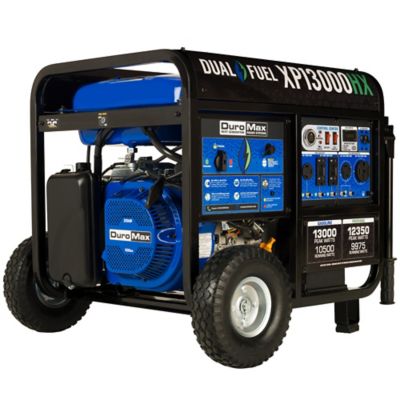
Choosing the right manual generator transfer switch starts with the generator and the electrical panel already in place. Check the generator’s running wattage and starting wattage, then make a list of the appliances and equipment you want available during an outage. Motors in refrigerators, freezers, pumps, and furnaces can draw more power when they start, so adding the running watts alone may not give you enough room. A smaller generator and a switch serving several essential circuits may be a good fit for a basic outage plan, while a larger generator and a switch with more circuit capacity may be better for a larger home, detached shop, or property with a well pump and sump pump. Pay close attention to the number and type of circuits supported, the voltage requirements, the amperage rating, and whether the switch is compatible with your electrical panel. Some models are supplied as prewired kits, while others require additional wiring or components. An outdoor generator inlet box is also worth considering because it gives you a dedicated connection point outside the house. That lets the generator stay outdoors, where carbon monoxide can safely disperse, while a properly rated cord carries power to the inlet without leaving a door or window open. Keep the generator well away from buildings, porches, vents, and livestock areas, and never operate it in a garage, shed, basement, or other enclosed space. Transfer switch installation involves the home’s service panel and should be completed by a qualified electrician who can confirm local code requirements, grounding, breaker compatibility, and the correct connection method. A panel interlock kit may be suitable for some electrical systems, but it is not interchangeable with every transfer switch, so professional advice is important before buying parts.
These switches are useful for rural households, homeowners in areas with heavy wind or ice, hunters maintaining a seasonal cabin, small farm operations, and anyone who depends on powered equipment when the grid is down. During the cooler months, reliable power can help keep food cold, maintain heat controls, run a well or pressure system, and keep a barn or workshop operating until utility service is restored. A transfer switch can also make a thoughtful practical gift for a new homeowner, a family moving to a country property, or someone preparing a backup-power plan, although the electrical work should be handled by a licensed professional rather than treated as a do-it-yourself surprise. Before choosing a switch, think through the outage routine from start to finish: where the generator will be stored, how it will be fueled, which circuits are truly essential, how a cord will reach the inlet, and who in the household knows how to operate the system. Labeling selected circuits at the panel and testing the setup during good weather can save time when the wind is blowing, the yard is dark, or the power has been out for several hours. It is also smart to leave some generator capacity unused instead of running at its limit, especially when pumps and compressors may start unexpectedly. Store cords where they stay dry, inspect them for damage, keep fuel in approved containers, and follow maintenance schedules so the generator is ready when needed. With the right match between generator output, transfer switch capacity, panel configuration, and household priorities, a manual generator transfer switch can bring order to an otherwise stressful outage and help keep the lights, food, water, heat, and everyday essentials moving.