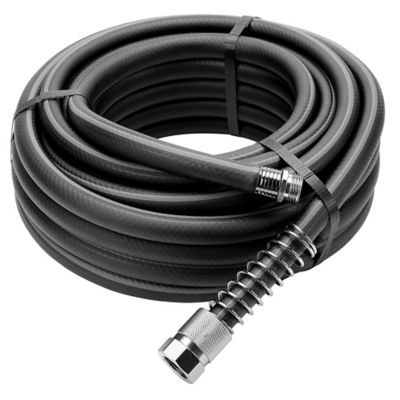
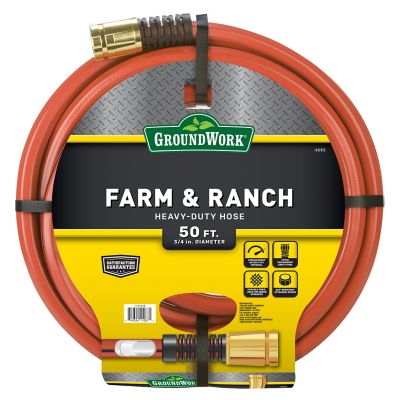
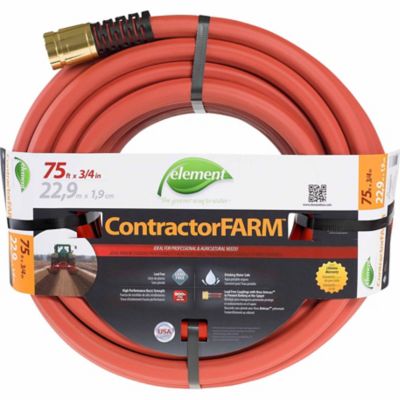
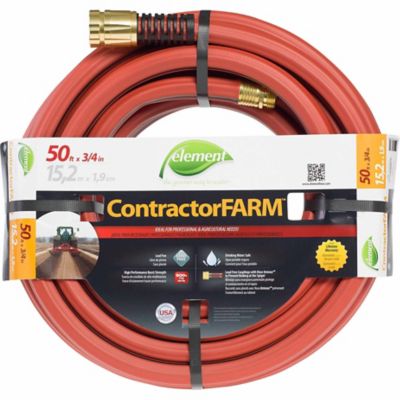
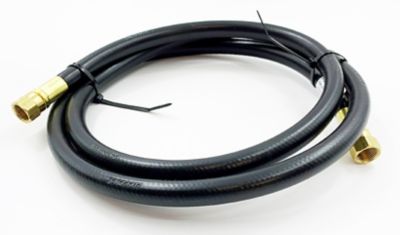
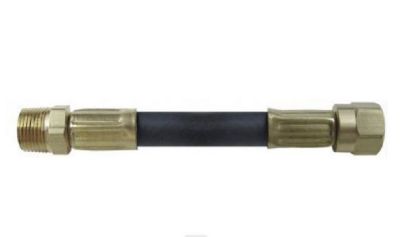
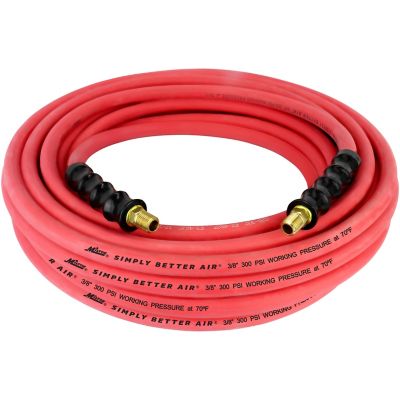
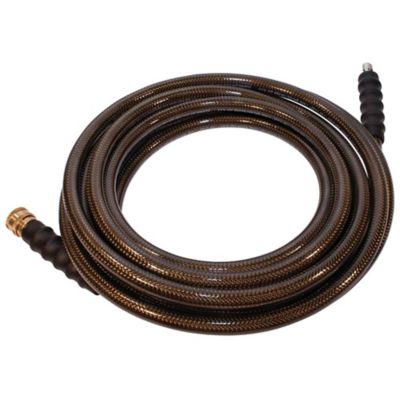
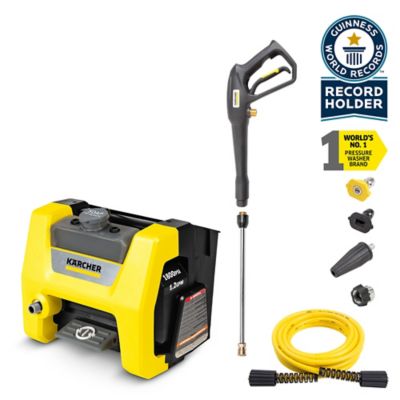
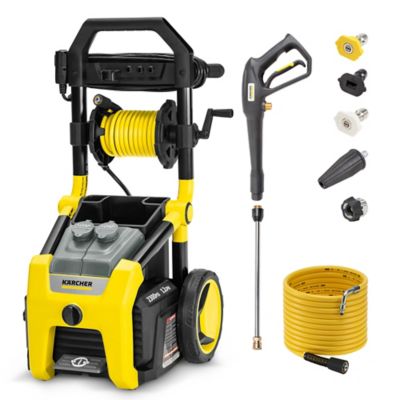
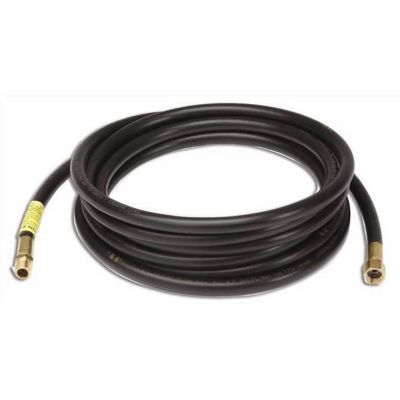
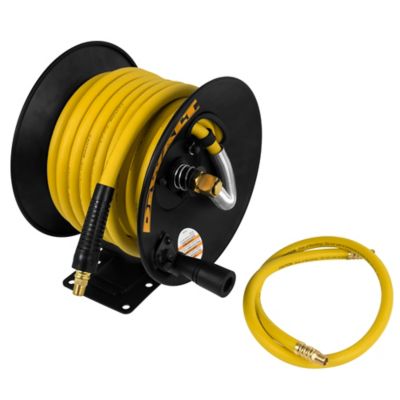
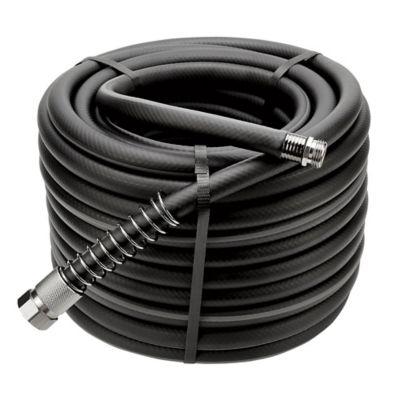
High pressure hoses are reinforced lines that carry water, hydraulic fluid, or other approved liquids and gases at pressures beyond what an ordinary garden hose can handle. Their construction combines an inner tube suited to the material flowing through it, reinforcement that contains pressure, and an outer cover that protects against everyday wear. Around a farm, workshop, or acreage, these hoses connect equipment to the work at hand, whether that means washing mud off a tractor, rinsing a livestock trailer, or moving hydraulic fluid through a machine. Pressure washer hoses carry pressurized water from the pump to the spray gun, while hydraulic hoses serve fluid-power systems that lift, steer, and operate equipment. They are separate hose categories, not interchangeable lines, even when their pressure ratings look similar. For property owners cleaning concrete, contractors washing equipment, and farm operators keeping machinery working, the right match starts with the application rather than appearance alone. Rubber, thermoplastic, and other engineered tube materials offer different combinations of flexibility, fluid compatibility, weight, and temperature tolerance. Textile braid, steel-wire braid, or spiral-wire reinforcement provides strength beneath the cover, with construction varying by hose type and operating requirements. A hose dragged across a gravel lane faces different wear than one routed inside an equipment frame, where vibration and rubbing against metal can become the bigger concerns. Cover resistance to abrasion, oil, sunlight, and weather matters wherever those exposures are part of the job. Flexibility also makes a noticeable difference when pulling a line around trailer tires or working along a fence-side wash area. A lighter hose may be easier to move through a long cleaning session, while a heavier reinforced assembly may suit a different equipment demand. Neither weight nor thickness alone establishes suitability; the marked specifications and equipment requirements tell the more useful story.
Pressure rating, temperature range, hose diameter, length, and end fittings all work together to determine whether a high pressure hose fits a particular setup. The maximum working pressure is the operating limit to check against the equipment manufacturer's requirements. Burst pressure is a separate test-related value, not a pressure the hose can safely handle during routine operation. A complete hose assembly is limited by its lowest-rated component, including fittings and adapters, and hydraulic applications also require attention to pressure surges and system specifications. For pressure washer hoses, the working-pressure rating needs to meet or exceed the machine's maximum operating pressure. Temperature deserves the same attention: a cold-water hose is not automatically suitable for a hot-water pressure washer, and a hose's permitted operating pressure may change with temperature. The inner tube must also be compatible with the water, oil, cleaning solution, or other medium it carries. Inside diameter affects flow and pressure loss, so matching the equipment's specified size helps avoid restricting performance. Length brings its own tradeoff. Enough reach lets a spray gun travel around a pickup or along a stretch of pavement without constantly moving the washer, but unnecessary footage adds weight, storage space, and potential pressure loss. A tidy connection depends on more than finding ends that appear to screw together. M22 threaded connections, quick-connect couplers, and hydraulic fittings each have sizing and sealing details that must match. Even fittings with the same nominal thread size can have different internal dimensions or sealing designs. Checking both ends of the existing assembly, along with the machine and attachment specifications, helps prevent leaks and mismatched connections. For the inlet side of a washing setup,
Supply Hoses covers a separate part of the water path; the line feeding the pump and the high-pressure line leaving it have different duties. A suitable inlet hose provides the water supply the washer requires, while the outlet hose handles the pump's pressurized discharge. Keeping those roles straight matters whether the job is a muddy utility vehicle or a barn apron ready for a rinse.
Day-to-day handling and storage have a lot to do with how a high pressure hose holds up over time. Across a working property, a line may cross rough concrete, bend around a gatepost, or sit near an engine housing, and each situation puts a different demand on its cover and reinforcement. Abrasion-resistant covers can help with ground contact, but no hose belongs under moving tires or against sharp edges and hot exhaust parts. Respecting the minimum bend radius keeps a line from being forced into a turn tighter than its construction allows. Routing a hydraulic hose with room for equipment movement, without twisting it or pulling it taut, helps keep strain away from the fittings. With pressure washing, laying out the hose before starting and avoiding tight loops makes it easier to move steadily around equipment. Mud packed around a connection can interfere with a clean fit, so clean connection points and protection from dirt matter between jobs. Regular inspection is worthwhile, especially near couplings and spots that rub against equipment. Cracks, blisters, exposed reinforcement, damaged fittings, and leaks are reasons to take a hose out of service and follow the equipment manufacturer's replacement guidance rather than attempt a patch. High-pressure leaks can penetrate skin; never search for a leak with a hand or disconnect a line while it is pressurized. Shutdown and pressure-relief procedures belong to the equipment's operating instructions, and hydraulic systems may retain pressure after the engine stops. During the cooler months, water left in pressure washer hoses can freeze, making proper draining and manufacturer-approved winter storage important. Hydraulic hoses need care suited to their fluid system, not the same draining routine as a wash hose. Broad coils, protected fittings, and storage away from direct sunlight and extreme temperatures help keep a hose ready for its next job. For homeowners tackling weekend cleanup and operators running equipment through a full workday, a well-matched hose supports easier handling, sound connections, and fewer interruptions when there is work waiting outside.