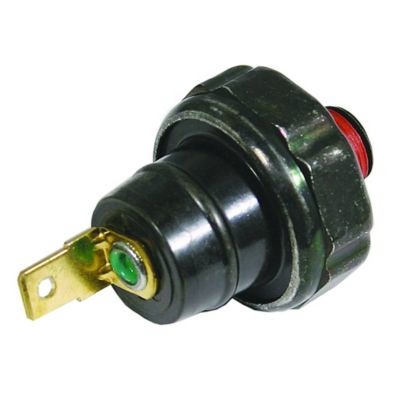
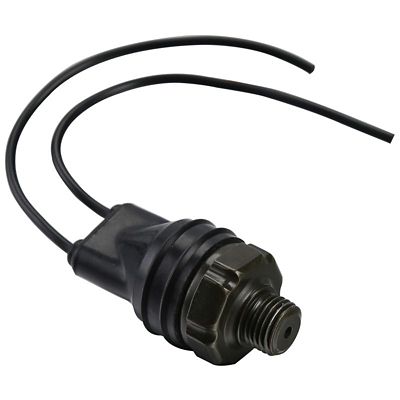
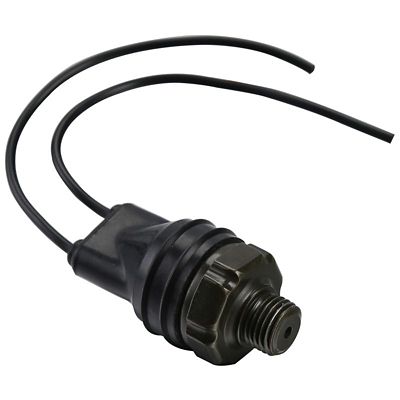
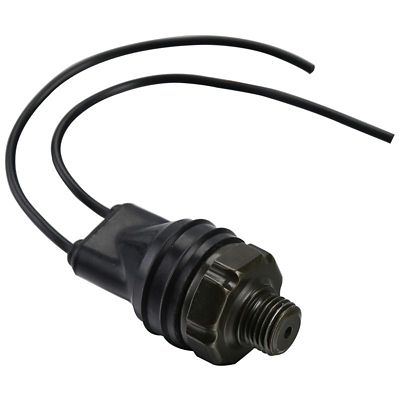
Oil pressure switches are small engine parts that play a big role in keeping a vehicle, tractor, mower, generator, or other piece of equipment running safely. Installed in the engine block, often near the oil filter or along an oil gallery, the switch monitors pressure in the lubrication system and responds when pressure moves above or below a set point. In many applications, it completes or opens an electrical circuit that controls the oil warning light on the dash. When the light comes on with the engine running, it may be telling you that oil pressure has dropped below a safe level, though a worn switch or damaged wiring can also cause a false warning. A steady light, a light that flickers at idle, or an oil light that stays on with the engine shut off can all point to different problems. Before choosing a replacement, match the part to the exact year, make, model, engine, and equipment application. Thread size and pitch, pressure range, electrical terminal style, connector shape, and switch operation all matter. Some switches are designed to close the circuit when pressure is low, while others operate differently or work with a gauge rather than a warning lamp. Similar-looking parts may not share the same calibration or fit, so checking the original part number, service information, and equipment manual is a smart step. This is especially important on farm equipment that may sit through part of the season and then be asked to work hard pulling a loaded wagon, running a baler, or powering a livestock water system. The right oil pressure switch helps the operator spot a lubrication problem before a small issue turns into costly engine damage.
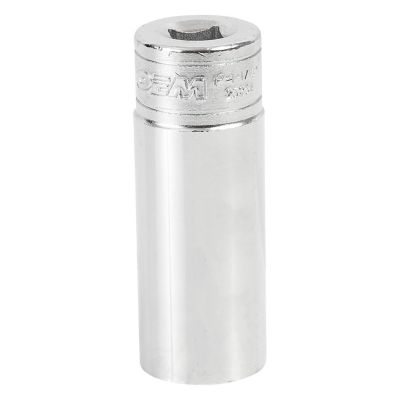
A faulty oil pressure switch can show up in several ways. You may see an oil warning light that flickers when the engine is warm, notice oil collecting around the switch body, or find that the warning light never comes on during the normal key-on bulb check. Oil can leak through a failed internal diaphragm or around the threaded mounting area, leaving a damp trail on the engine block and a few drops on the shop floor. At the same time, a warning light should never be dismissed as “just a bad switch” without checking the engine’s actual oil level and pressure. Park the machine safely, let hot parts cool, and inspect the oil level according to the manufacturer’s instructions. If the level is correct and the light remains on, stop operating the engine until the cause is found. A mechanical pressure test can help separate a switch or wiring problem from a genuine oil pump, bearing, filter, or lubrication-system concern, and that test is best handled by someone with the proper equipment and experience. For installation, many applications call for a deep socket or a socket made for oil pressure switches because the fitting can be tucked into a tight spot near the filter, manifold, or other engine parts. Compare the new switch with the old one before installation, protect the electrical connector from damage, and follow the equipment maker’s direction on thread sealant. Some replacement switches have sealant already applied, while others require a compatible sealant; excess tape or compound can enter an oil passage or interfere with electrical grounding on designs that rely on the threads for the circuit. Start the part by hand to avoid cross-threading, then tighten it to the specified torque. Overtightening can crack a switch, distort its sealing area, strip threads, or damage an aluminum engine block. After installation, check for leaks, confirm that the warning light performs its normal key-on test, and watch the light closely when the engine starts.
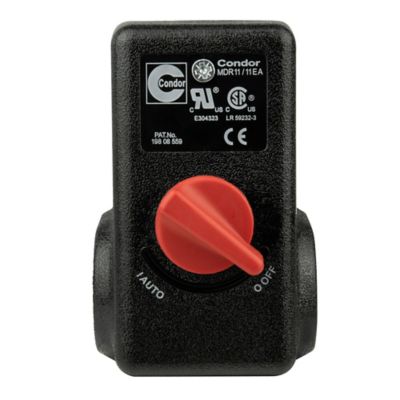
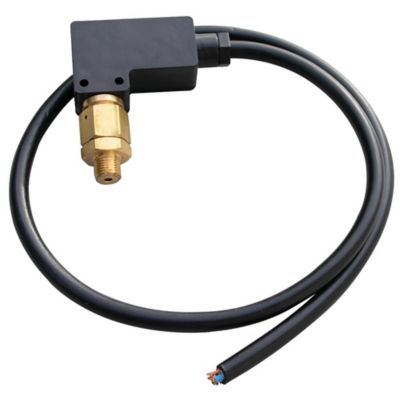
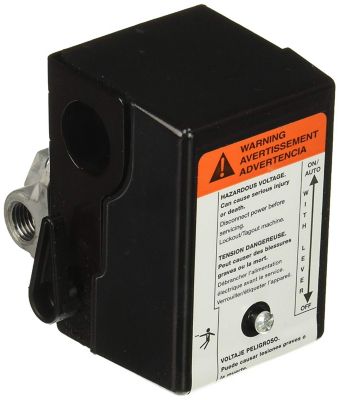
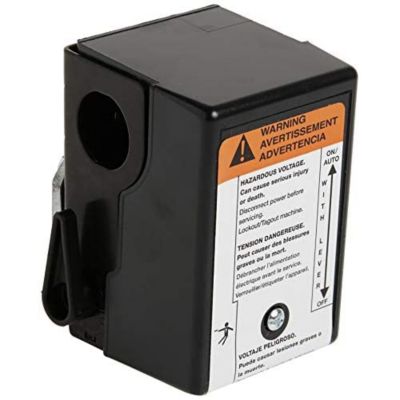
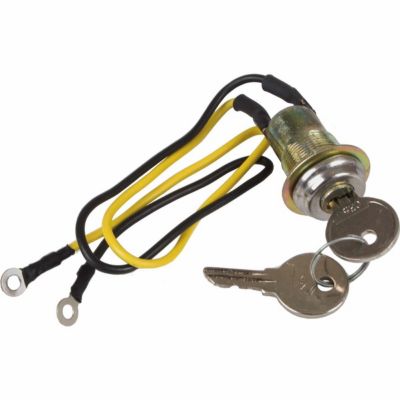
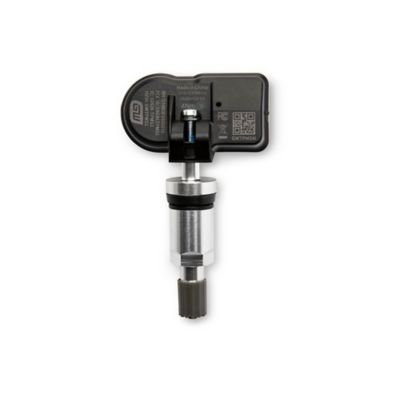
These parts are useful for do-it-yourself vehicle owners, farmers, ranchers, small-engine mechanics, fleet managers, and anyone who keeps older equipment working through changing conditions. A dependable oil warning system matters when a tractor is idling beside a fence line, a pickup is hauling feed over a rough gravel road, or a generator is running during a power interruption. Keeping a correctly matched spare with other maintenance supplies can also reduce downtime when a switch begins leaking during the cooler months, when equipment is often needed for chores, snow work, hauling, and backup power. An oil pressure switch is a practical gift for a hands-on family member who enjoys maintaining a truck, restoring equipment, or helping neighbors with repairs, although fit and specifications should be confirmed before purchasing it as a present. Store the part in a clean, dry place and protect threaded ends and electrical contacts until installation. If your equipment uses several types of pressure-controlled electrical components, it helps to keep their jobs separate when comparing replacement parts: oil pressure switches monitor engine lubrication, while
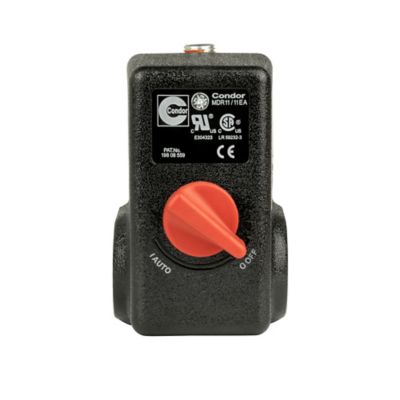
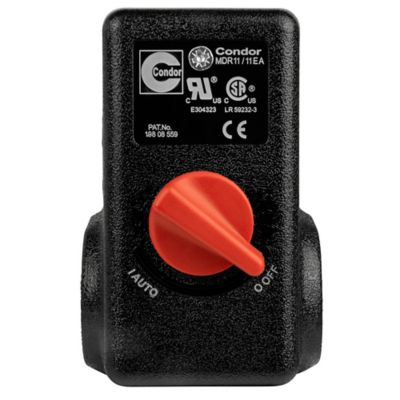
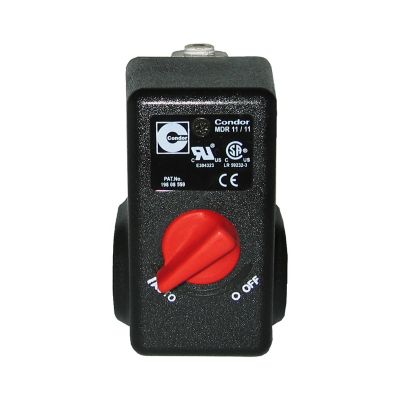
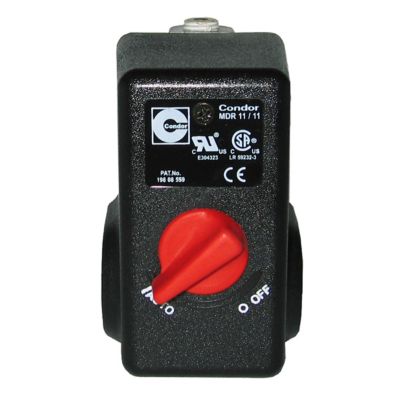
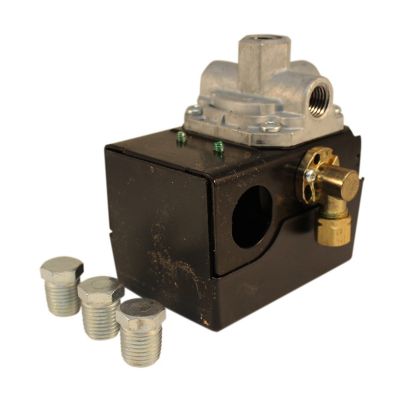
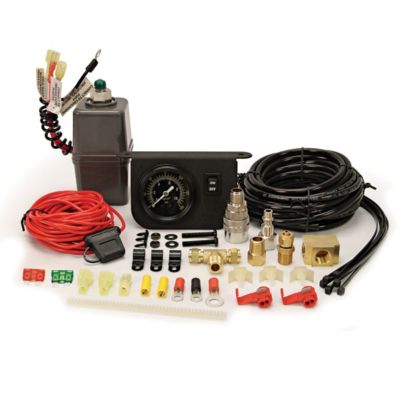
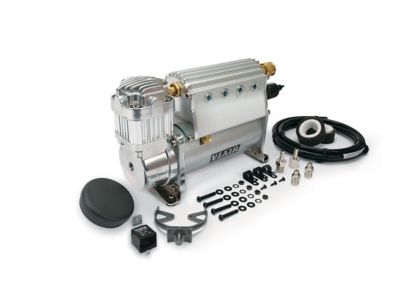
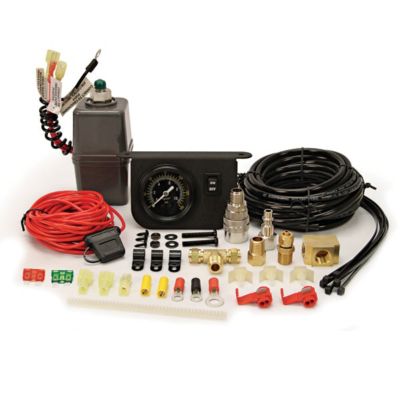
Compressor Switches are made for pressure-control applications in air systems. Whether you are replacing a switch after an oil leak, correcting a warning light that no longer behaves normally, or preparing an older machine for another season of work, careful identification is the best place to start. Verify the engine application, pressure setting, thread details, connector, and installation requirements before placing the part in your cart, and address any genuine low-pressure warning before putting the equipment back to work.