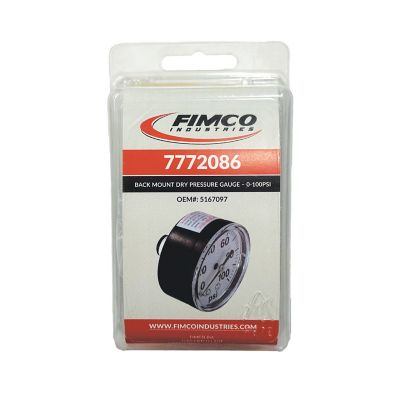
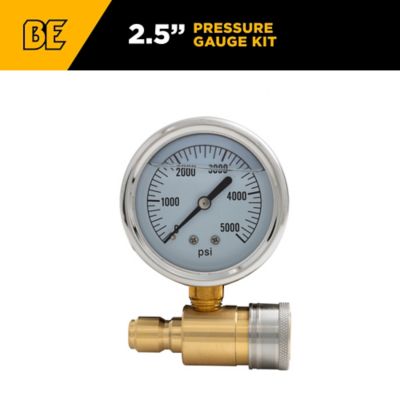
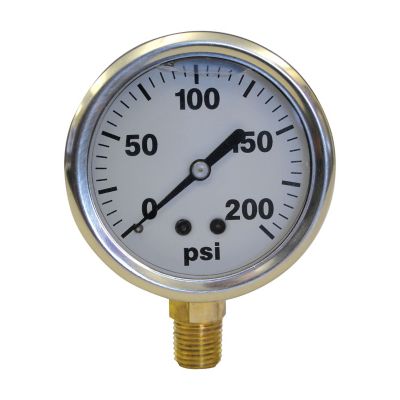
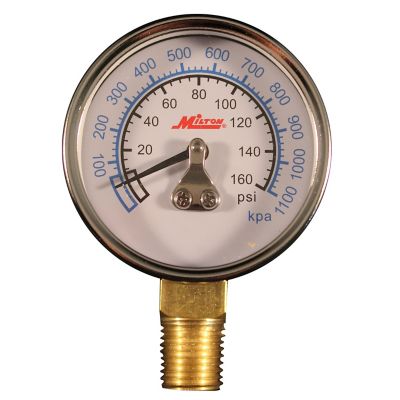
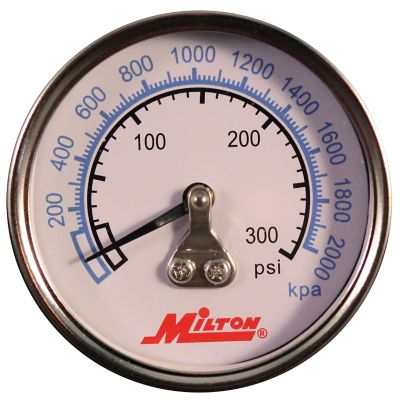
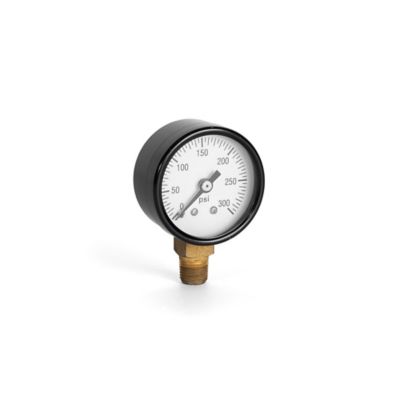
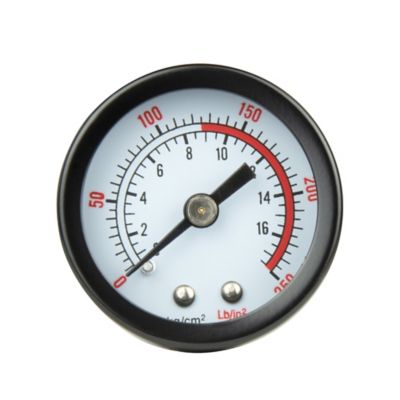
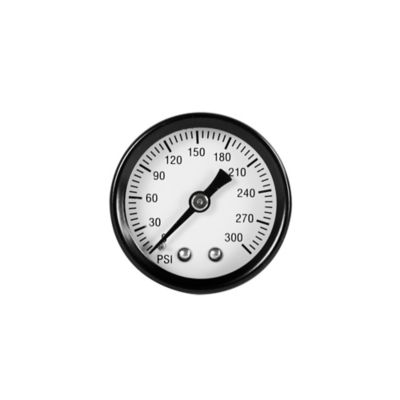
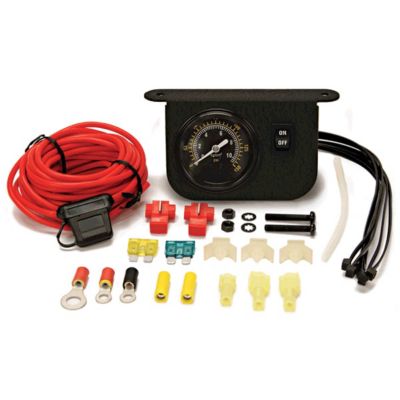
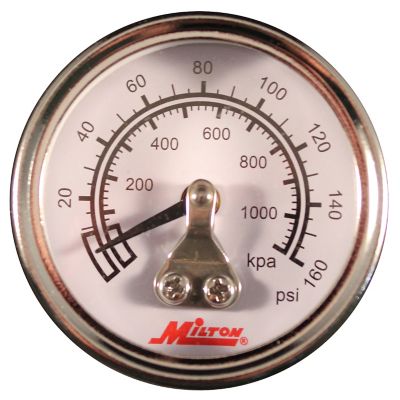
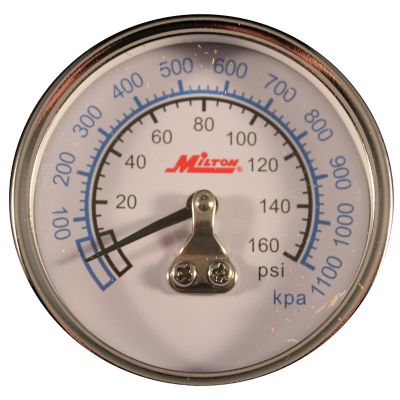
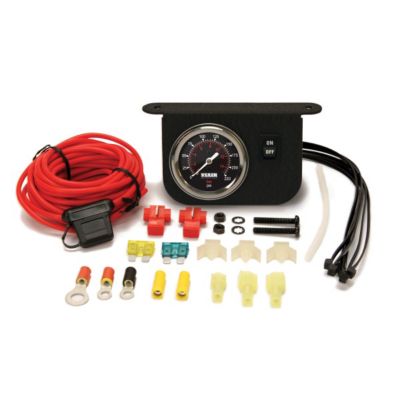
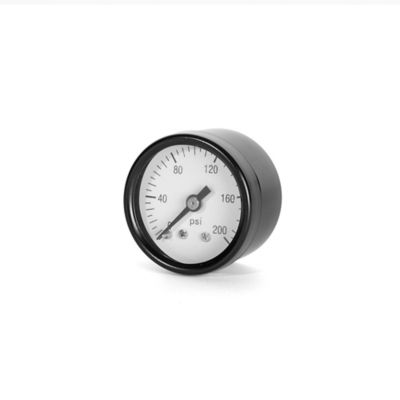
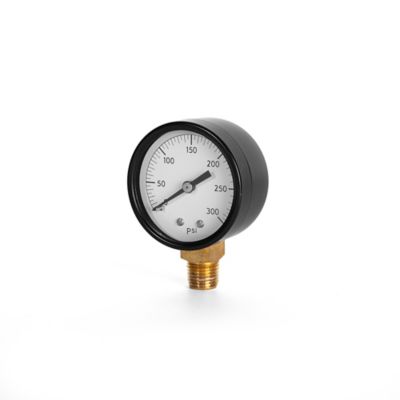
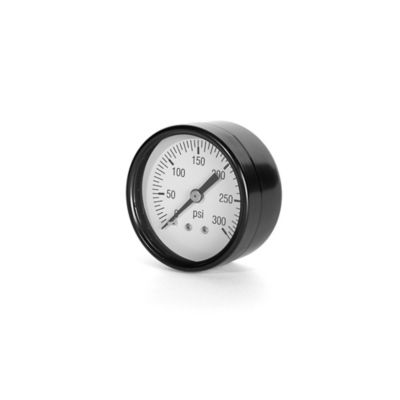
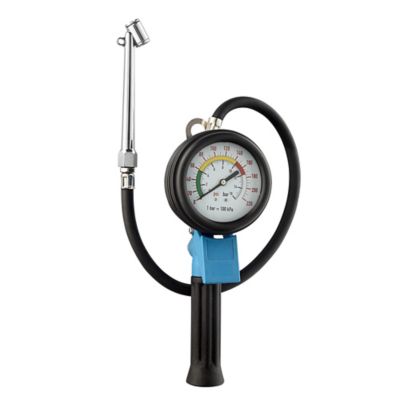
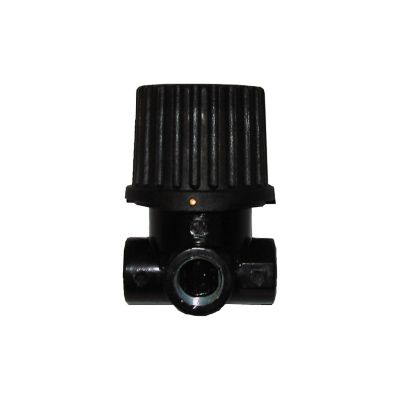
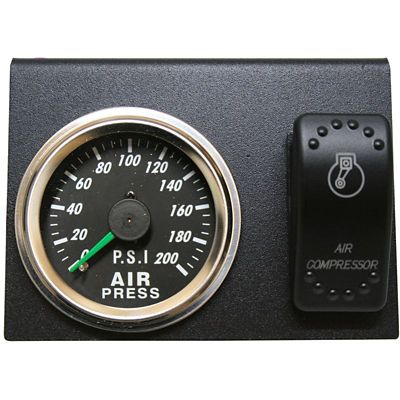
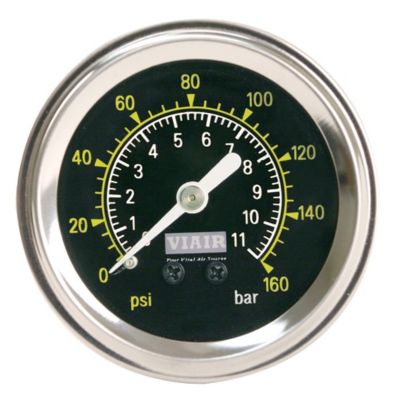
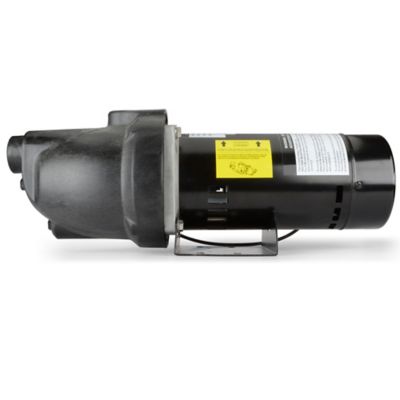
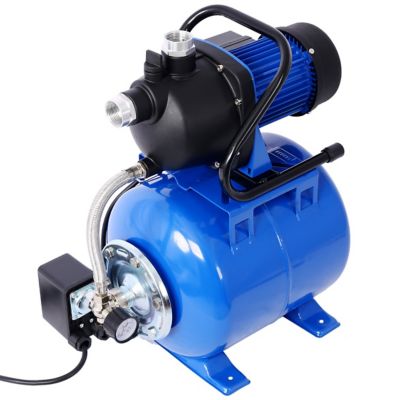
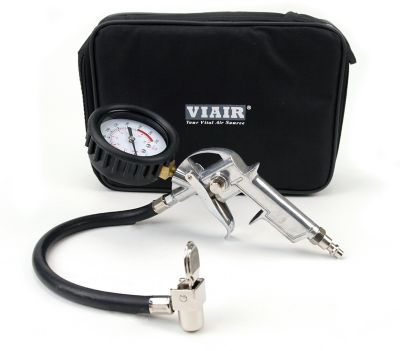
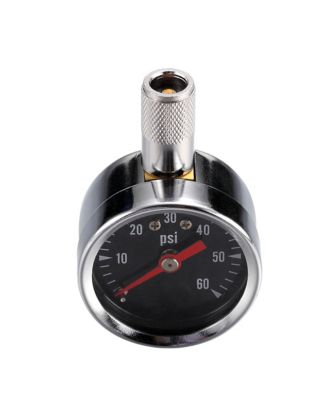
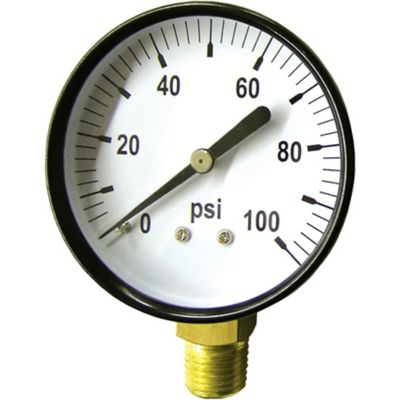
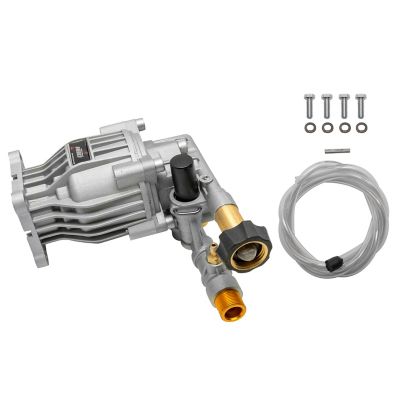
Pump pressure gauges give you a quick, at-a-glance reading of the pressure inside a water or fluid system, making them useful for wells, booster setups, irrigation lines, sprayers, and other pump-powered equipment around the farm, home, shop, or barn. A steady reading can help confirm that a system is operating in its normal range, while an unusual rise or drop may point to a clogged filter, restricted line, worn pump, leaking pipe, or pressure switch that needs attention. Many residential well systems use a gauge with a 0–100 PSI range, though some applications call for a wider 0–200 PSI range. The best choice depends on the maximum pressure your system can produce, not simply the pressure you usually see during normal operation. A gauge that is too narrow can be damaged by overpressure, while one with a very wide range may make small changes harder to notice. Before buying, check the pump manual, pressure tank settings, or the gauge already installed on the system. If your setup normally cycles between common residential pressure settings, a 0–100 PSI gauge is often a practical fit, but higher-pressure booster pumps and specialized equipment may require a different range. These gauges can be handy during the cooler months, too. When a well system starts acting up after a stretch of hard weather, a visible pressure reading gives you a useful starting point before you begin checking wiring, filters, valves, or exposed lines. For equipment used in demanding applications, browse related options such as
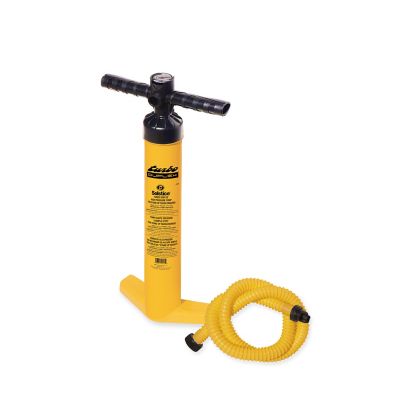
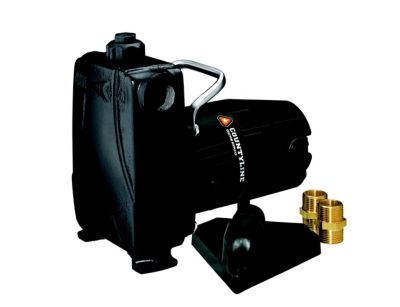
High Pressure Pumps to help match the gauge to the system doing the work.
Connection details matter just as much as the pressure range. A 1/4-inch NPT connection is common on many water-system gauges, but the port location may be a lower, or bottom, mount or a back mount. Lower-mount gauges are often used where the gauge threads into a pressure switch, tank tee, manifold, or other fitting below the dial. Back-mount styles can suit panels or compact arrangements where the connection comes through the rear. Measure the existing fitting and compare the thread type before ordering; a gauge that looks like a close match may not seal properly if the size or thread standard is different. An adapter can help in some installations, but it should be rated for the system and installed with the proper sealing method. Brass connections and steel cases are common for general water-system use, while stainless materials or lead-free construction may be preferred where corrosion resistance or drinking-water contact is a concern. A clear face, easy-to-read numbers, and a pointer that moves smoothly are helpful when you are checking pressure in a dim pump house or from a few steps away. Some users choose a liquid-filled gauge for applications with vibration or pulsation because the dampened movement can make the reading easier to follow, but the right construction still depends on the fluid, temperature, pressure, and equipment involved. Keep the gauge protected from freezing, direct impact, and unnecessary weather exposure. Water trapped inside a gauge or connected line can freeze and cause damage, so outdoor plumbing, irrigation equipment, and livestock watering systems deserve a little extra attention as the weather turns colder. If a system is shut down for the season, drain or winterize it according to the equipment instructions rather than relying on the gauge alone.
Pump pressure gauges are useful for homeowners, farmers, maintenance crews, well contractors, and anyone who would rather spot a problem early than discover it after a tank stops filling or a livestock waterer runs dry. They can help while adjusting a pressure switch, checking a filter change, confirming that an irrigation zone is receiving adequate pressure, or tracking how a pump behaves when several outlets are running at once. They are also a practical addition to a repair kit or a thoughtful gift for someone caring for a rural property, rental house, hunting cabin, workshop, or small acreage. A gauge does not replace a qualified technician, and the dial reading should always be considered alongside the pump’s specifications and the condition of the rest of the system. Turn off electrical power and relieve pressure before removing an old gauge or opening a connection, and use fittings, valves, and sealants that are suitable for the application. Never exceed the rated pressure or temperature of the gauge, and avoid using a water-system gauge on a fluid it was not designed to handle. When comparing options, look for the pressure range, connection size, mount style, materials, dial readability, and compatibility with your pump or pressure tank. It is also worth checking whether the gauge is intended for potable water, irrigation, general utility water, compressed air, or another service, since similar-looking gauges are not automatically interchangeable. A properly matched gauge turns an otherwise hidden part of the system into something you can see and understand. Whether you are checking a well before the first deep freeze, keeping a garden system ready for the next warm season, or maintaining dependable water pressure for chores around the property, a reliable reading can make routine care simpler and help guide the next step when something does not seem right.