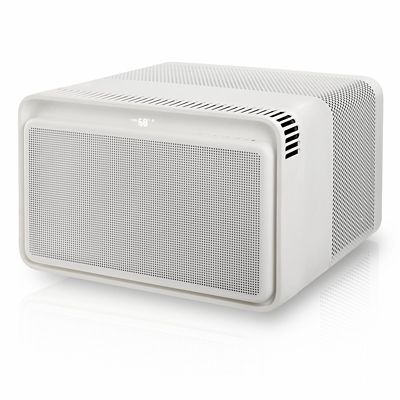
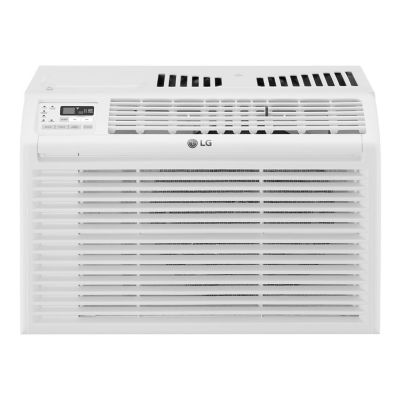
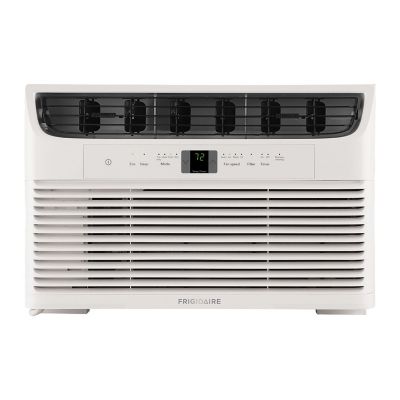
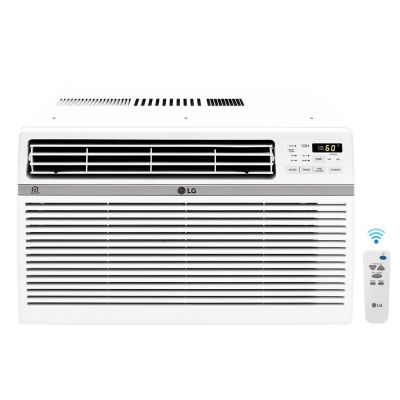
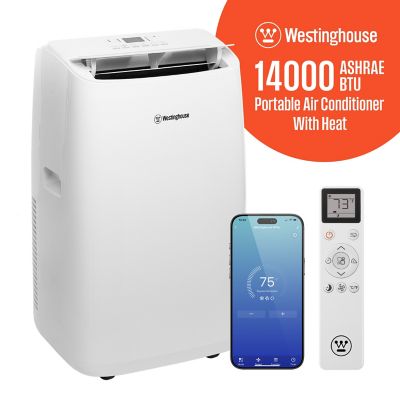
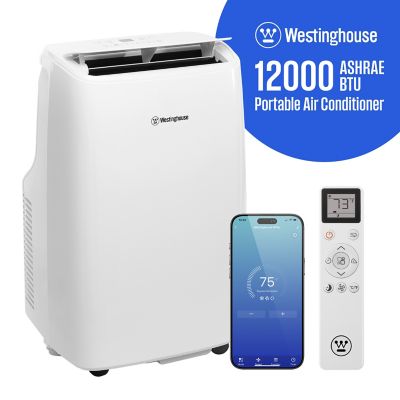
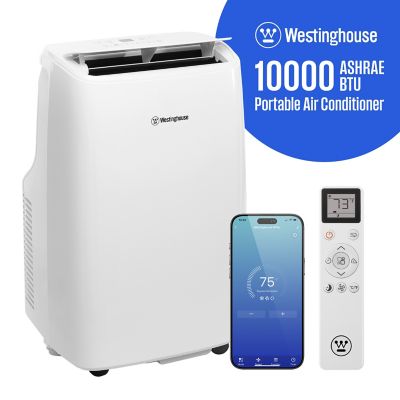
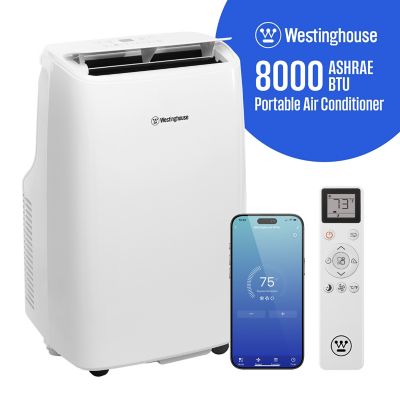
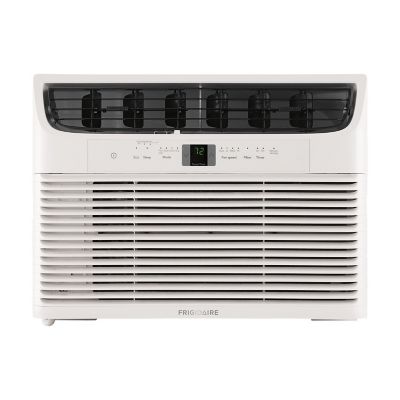
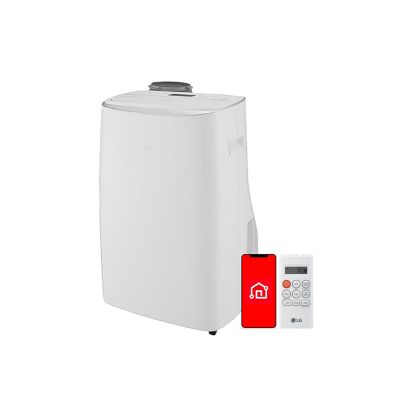
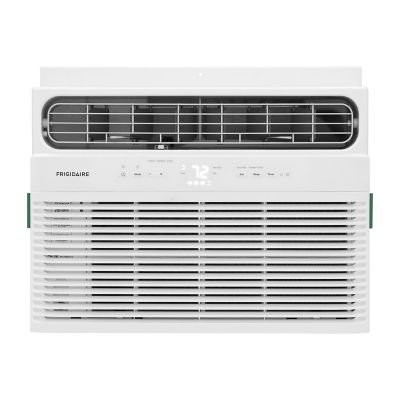
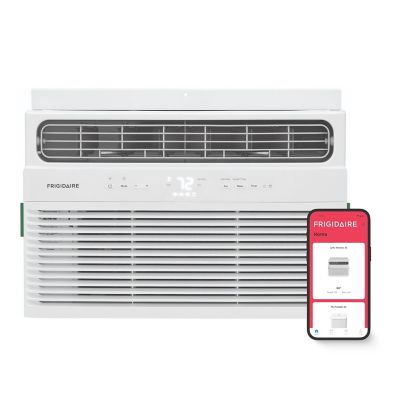
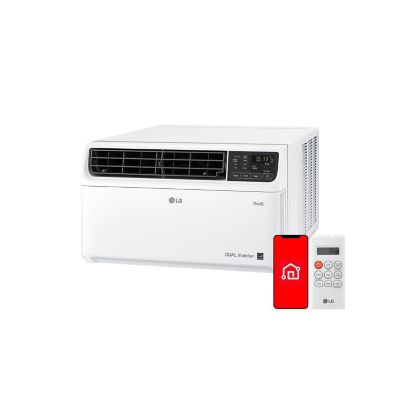
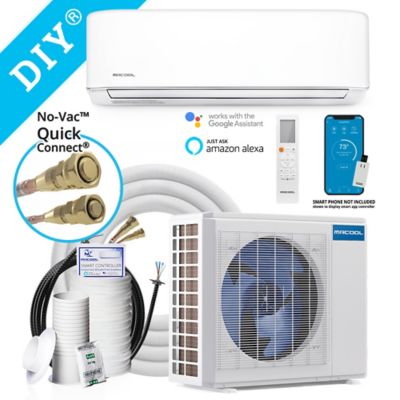
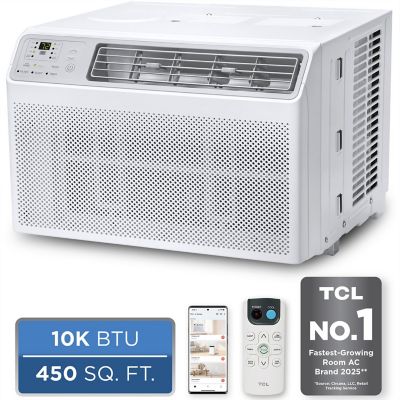
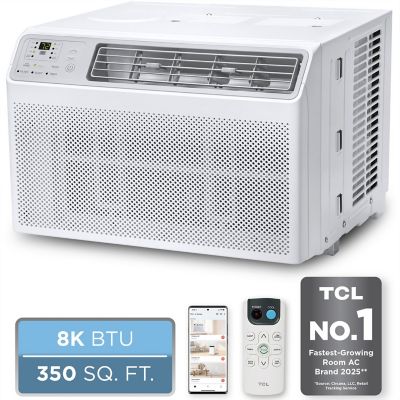
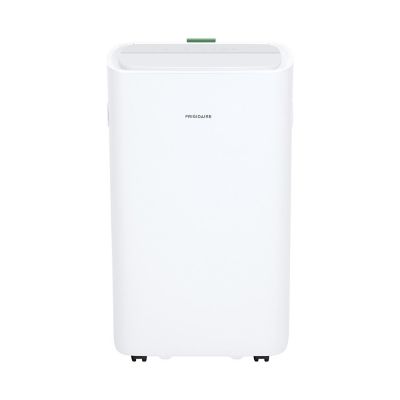
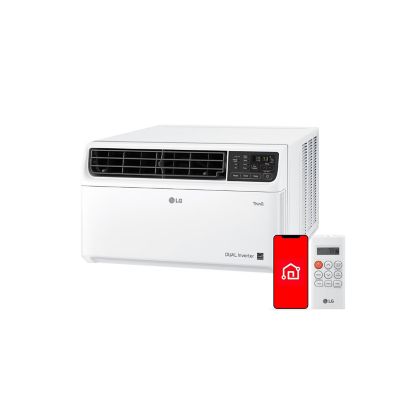
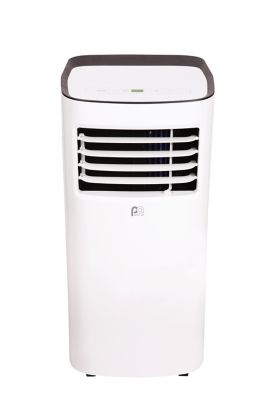
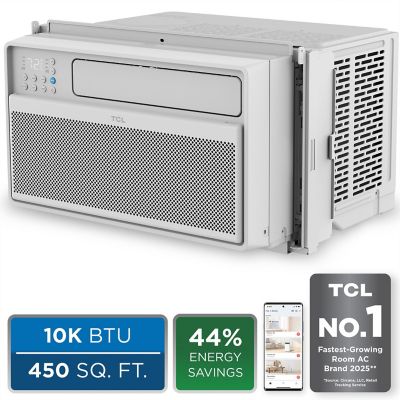
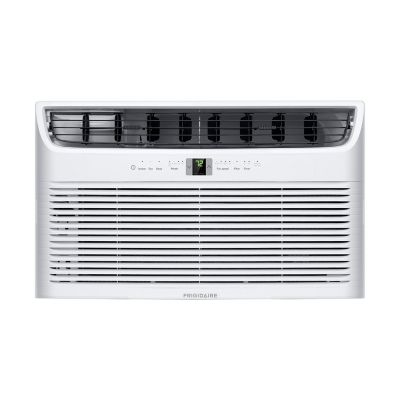
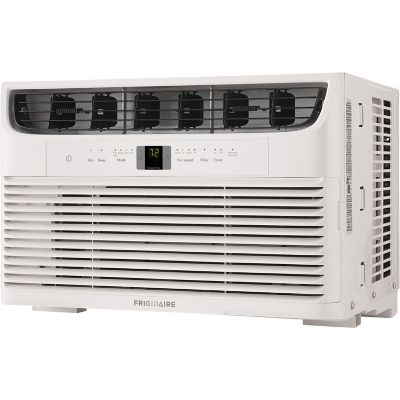
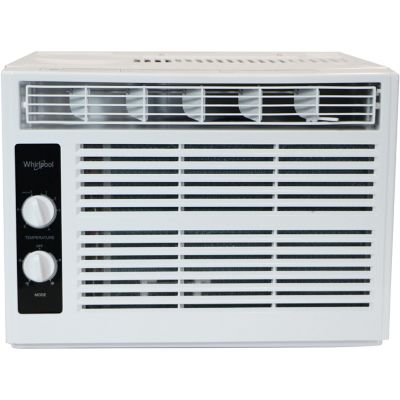
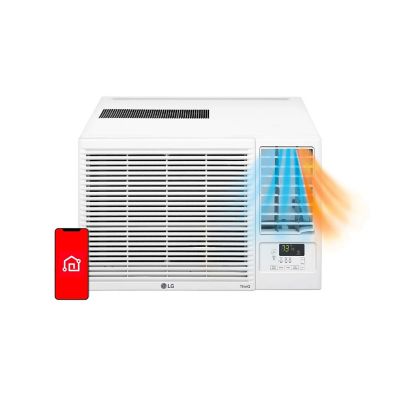
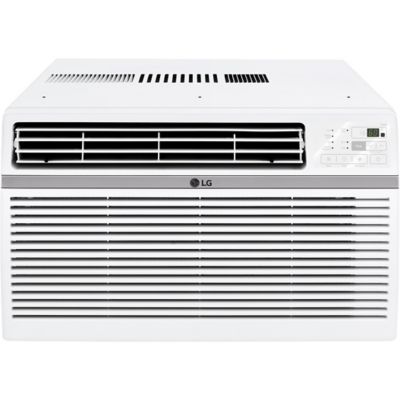
High-efficiency air conditioners are built to cool indoor spaces with less wasted electricity than older, basic systems. They can be a practical choice for a farmhouse, workshop, rental property, finished garage, cabin or family home where summer heat makes the air feel heavy and uncomfortable. As warm weather lingers, an efficient air conditioner helps take the edge off a sun-baked living room, keeps bedrooms more comfortable at night and may help manage humidity that leaves floors, furniture and bedding feeling damp. When comparing units, start with the SEER2 rating, which measures seasonal cooling efficiency under updated testing standards. A SEER2 rating of 16 or higher is often a useful starting point, while ratings in the 20s and above can offer even greater efficiency in the right home and climate. A higher number does not automatically make every unit the best fit, since purchase price, installation, local weather, home size and expected run time all affect the value. ENERGY STAR certification is another helpful mark to look for because it identifies equipment that meets established energy-efficiency requirements. High-efficiency systems may also use variable-speed, inverter-driven or two-stage compressors. Instead of running at full power and shutting off repeatedly, these designs can adjust cooling output in smaller steps or operate at a lower capacity for longer periods. That steady operation can help maintain a more even indoor temperature, reduce the temperature swings that come with frequent cycling and remove more moisture from the air. Many homeowners notice the difference on muggy afternoons, when the thermostat may show a comfortable temperature but the room still feels sticky. Longer, lower-capacity cycles can help the air feel drier and more pleasant without constantly blasting cold air. These systems are often quieter, too, which is welcome in a nursery, home office, bedroom or quiet country house where the sudden start and stop of an older compressor can be hard to ignore. For a broader look at cooling equipment and available configurations, browse
Residential Air Conditioners before narrowing the selection to the efficiency features and capacity your space requires.
The right type of high-efficiency air conditioner depends on how the building is laid out and where cooling is needed. A central air conditioner is generally suited to a home with existing ductwork and can cool several rooms through a connected system. Before choosing a replacement, have the ductwork checked for loose joints, crushed sections, poor insulation and other leaks that can send cooled air into an attic, crawl space or wall cavity. Even an efficient unit cannot perform at its best if the air it produces disappears before reaching the rooms. Proper sizing matters just as much. An oversized system may cool the thermostat area quickly, then shut off before it has removed enough humidity, while an undersized system may run hard for long stretches and struggle during the hottest part of the day. A qualified HVAC professional can consider square footage, insulation, windows, ceiling height, sun exposure and local climate instead of relying on a rough rule of thumb. Ductless mini-split systems are another efficient option, especially for additions, older homes without ductwork, converted barns, workshops, guest rooms or individual areas that need their own temperature control. They deliver cooling directly into a room or zone, which can reduce the energy used to condition unoccupied spaces. Multi-zone setups can serve several areas while allowing different temperature settings, though each installation should be planned around the layout and electrical requirements. Check the outdoor unit’s placement, indoor head location, drainage path and clearance from fences, brush, livestock areas and drifting leaves. Refrigerant information deserves attention as well. Newer equipment may use lower-impact refrigerants such as R-32, depending on the model and applicable requirements, so read the manufacturer’s specifications and rely on an experienced installer for charging, recovery and service. These are substantial home equipment purchases rather than typical gifts, but they can be a thoughtful practical choice for someone settling into a new house, finishing a detached space or preparing a rental property for dependable comfort. For a family member who spends long hours in a barn office or workshop, a properly selected zoned system may be more useful than a decorative present, particularly when it makes a hardworking space easier to use through changing seasons.
Efficiency also comes from everyday care after installation. Keep the return air path clear, replace or clean filters according to the equipment instructions and check that supply vents are open and unobstructed by furniture, boxes or rugs. Outdoor coils need room to breathe, so trim back weeds and grass, remove leaves and keep stored items away from the unit. Dust, pollen, cottonwood fluff and farm debris can collect quickly around outdoor equipment, especially near gravel drives, shelterbelts and open fields. A gentle visual inspection can spot bent fins, standing water, unusual ice or a fan that is struggling, but refrigerant lines, electrical parts and sealed-system repairs should be handled by a licensed technician. Ask about operating sound, warranty coverage, replacement filters, service access and available controls before buying. Smart thermostats and scheduling features can help avoid cooling an empty house, while humidity controls and zoning may improve comfort in rooms that heat up faster than the rest. During cooler months, keep the outdoor unit protected according to the manufacturer’s instructions without blocking needed airflow or trapping moisture beneath an improvised cover. When comparing the recommended high-efficiency air conditioners on this page, look beyond the efficiency number alone. Match the cooling capacity to the space, compare SEER2 ratings, consider variable-speed or two-stage operation, check certification and refrigerant details, and account for professional installation and long-term maintenance. A well-matched system can make a hot, damp afternoon feel calmer indoors, run more quietly in the background and use energy more thoughtfully while the household gets on with chores, rest and everyday life.