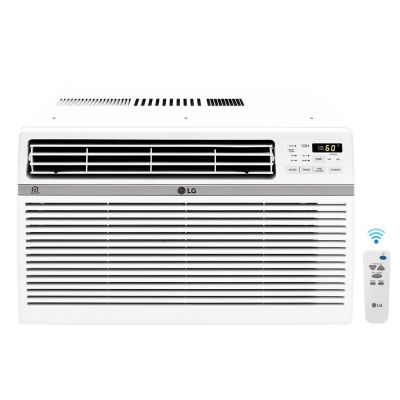
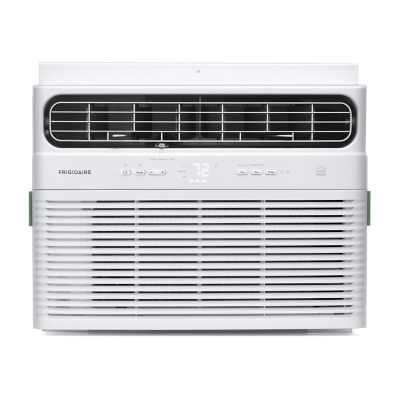
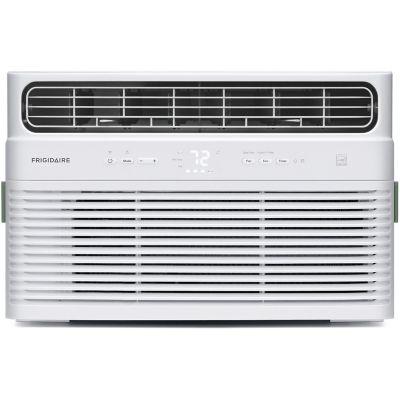
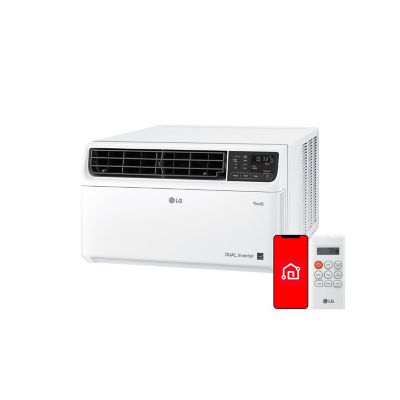
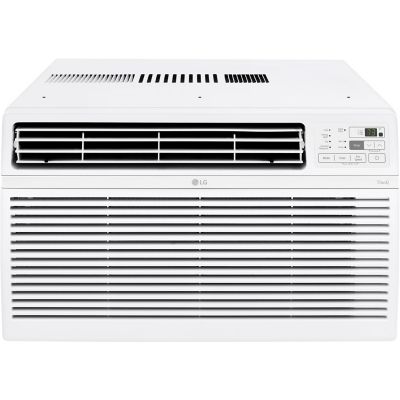
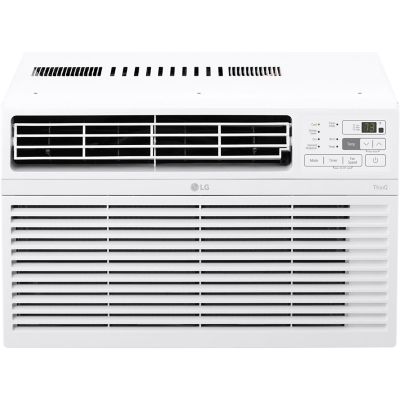
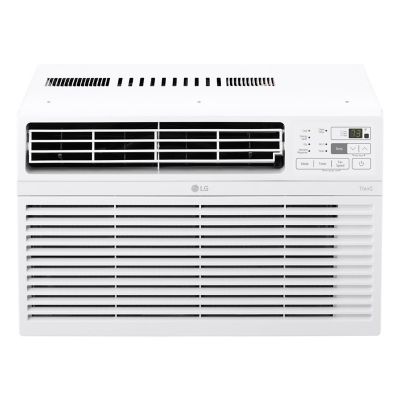
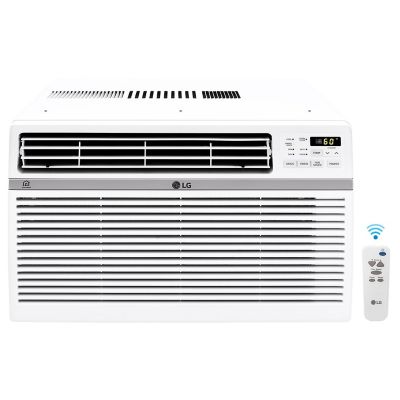
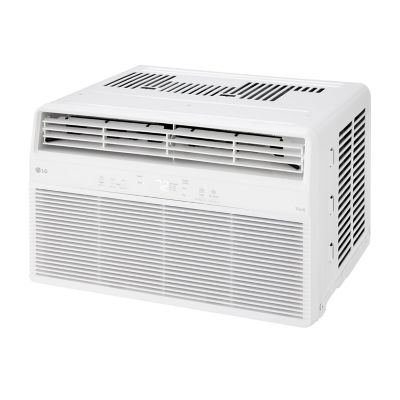
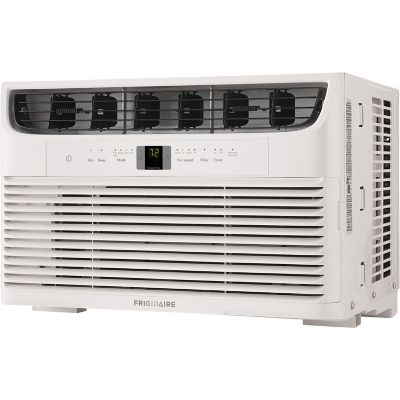
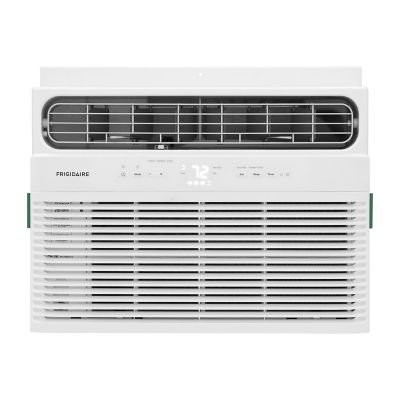
Low noise air conditioners help bring steady relief to bedrooms, nurseries, home offices, cabins, and other spaces where a loud compressor can make it hard to sleep, work, or settle in for the evening. They can also suit a shop office, tack room, guest room, or small outbuilding where keeping the air comfortable matters but constant mechanical noise gets in the way. Unlike a fan that only moves warm air around, an air conditioner removes heat and humidity, helping a room feel less sticky as the weather warms. For many households, the sound level matters just as much as the cooling capacity. A quieter unit can run in the background while someone reads, watches television, takes a nap, or tends to late-night chores. If you are shopping for a new home, setting up a college rental, or helping a family member make a spare room more comfortable, a low noise air conditioner can be a practical housewarming or move-in gift. It is also a helpful choice for people who are sensitive to sudden sounds, work night shifts, care for young children, or need a cooler sleeping space without a loud start-and-stop cycle. Window air conditioners remain a useful option when central cooling is not available, when only one room needs attention, or when a household wants to limit cooling to the rooms in service.
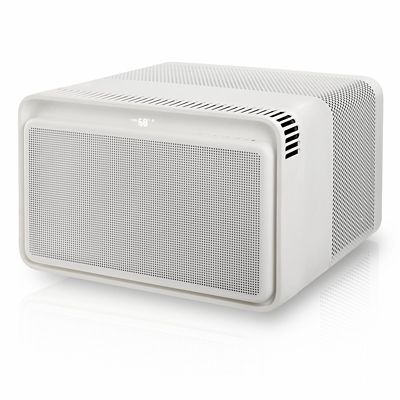
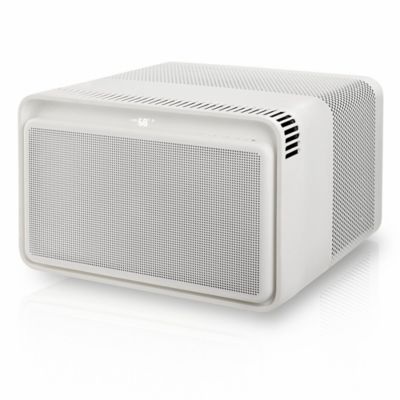
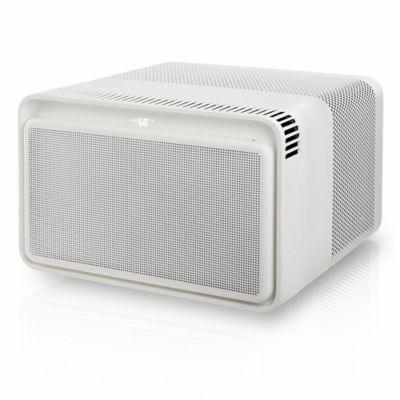
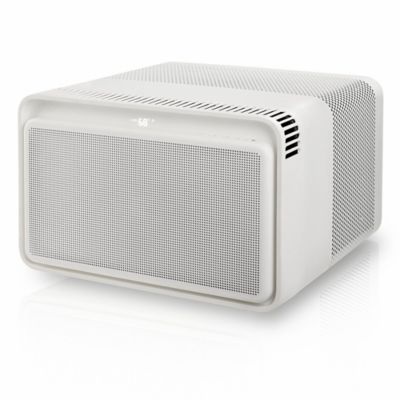
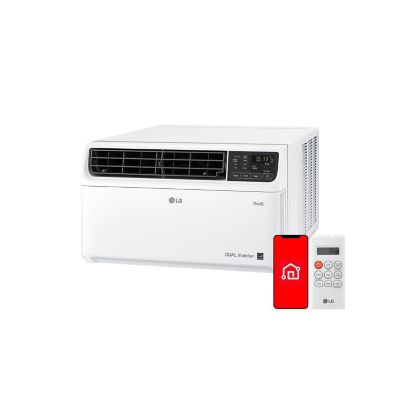
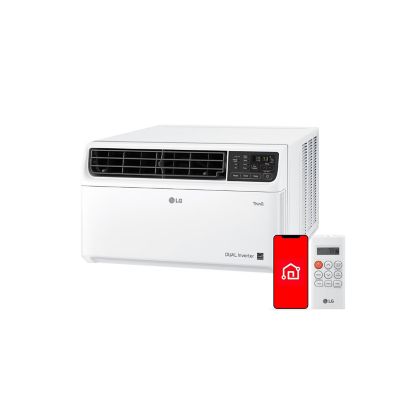
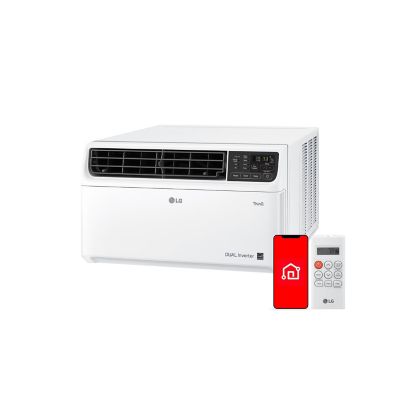
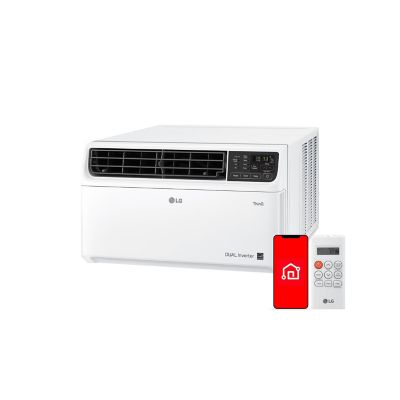
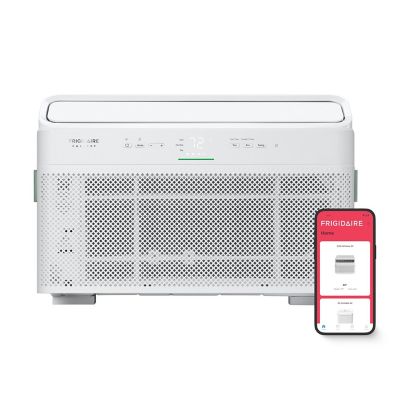
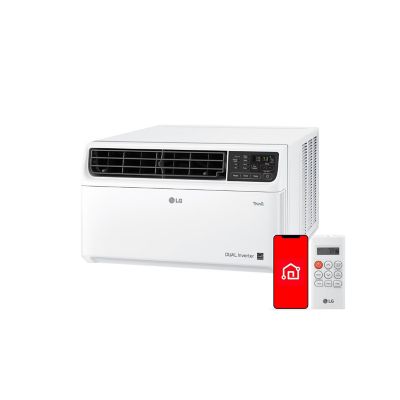
Pay close attention to the decibel rating when comparing low noise air conditioners. Decibels measure sound, and even a small number change can be noticeable in a quiet bedroom. Units that operate below 45 decibels on their lowest settings are often sought for sleep and focused work, while some models advertise operating levels in the 32- to 42-decibel range. Keep in mind that the published number usually reflects a specific fan speed and test setup, so the actual sound in a room can change with the selected mode, the wall or window around the unit, and how securely the unit is installed. Inverter compressors are another feature worth checking. Rather than turning fully on and off, an inverter compressor can ramp its output up or down to match the room’s cooling needs. That smoother operation may help reduce the clanking or sharp cycling sounds heard with some conventional systems, while also helping the unit maintain a steadier temperature. Fan settings, sleep modes, timers, and remote controls add everyday convenience, especially when the air conditioner is beside a bed or across the room. Some window units use a U-shaped design that places more of the compressor outside the window sash, helping separate the mechanical sound from the room. This design can also leave more of the window open to fresh air, depending on the installation and local conditions. If a U-shaped setup will not work with your window, a conventional window air conditioner may be the better fit. Measure the opening, check the sill and sash style, and confirm that the included support hardware works for your home before making a decision.
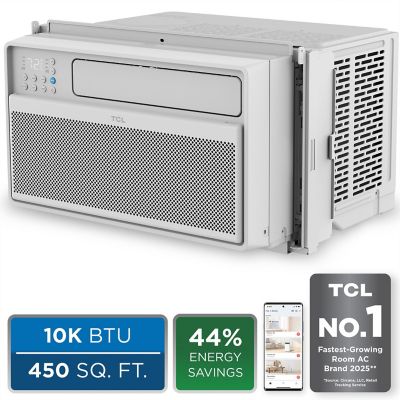
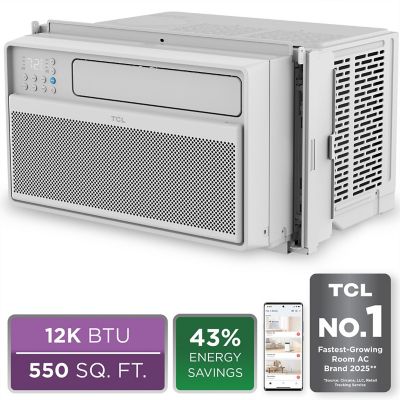
Room size is just as important as sound level. An air conditioner sized for a small bedroom may struggle in a large open living area, while an oversized unit can cool the air quickly without removing humidity as evenly as you would like. Look at the manufacturer’s recommended square-foot coverage, then consider ceiling height, direct afternoon sun, insulation, the number of people in the room, and heat from appliances. A shaded room with closed blinds may need less cooling than a sunny room with large windows. Proper installation makes a noticeable difference, too. Seal gaps around the frame, keep the unit level as directed, and make sure the outside portion has clear airflow. A loose fit can allow outside noise, warm air, and insects into the room, while blocked vents can make the system work harder and sound louder. Clean the filter as recommended, clear leaves and dust from accessible areas, and store or cover the unit according to the instructions during the cooler months. For spaces that cannot use a window unit, shoppers can also compare
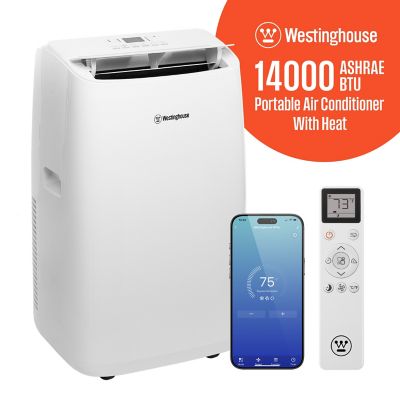
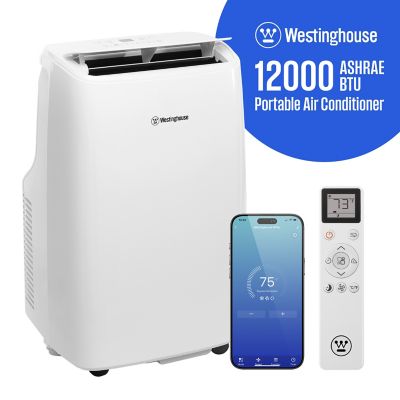
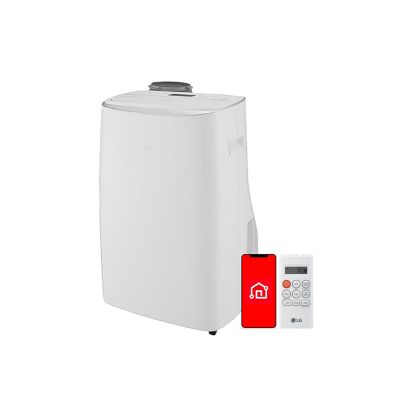
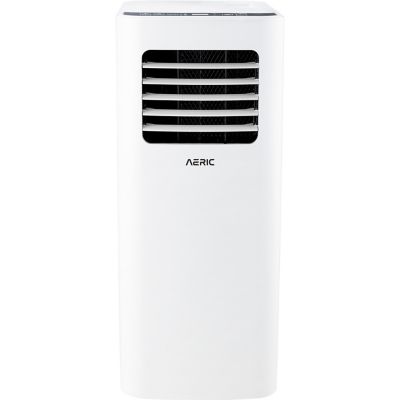
Vented Air Conditioners and other room-cooling options suited to the available setup. Whether you are cooling a quiet bedroom before sunrise, keeping a home office comfortable through a warm afternoon, or making a guest room more inviting, the right low noise air conditioner combines an appropriate cooling capacity with a sound level that fits the way your household lives.