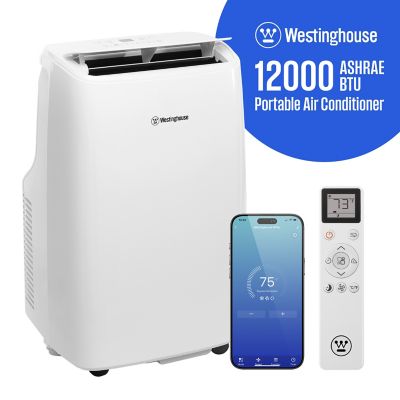
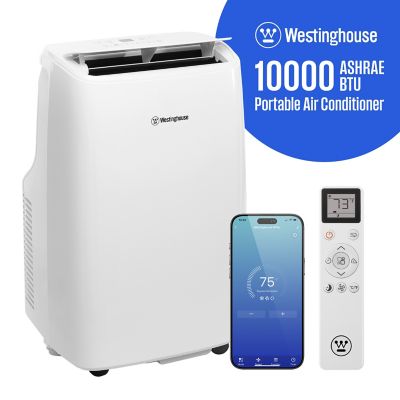
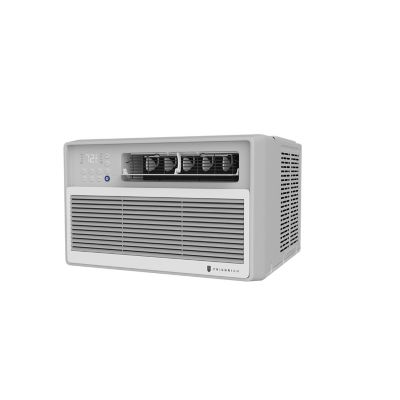
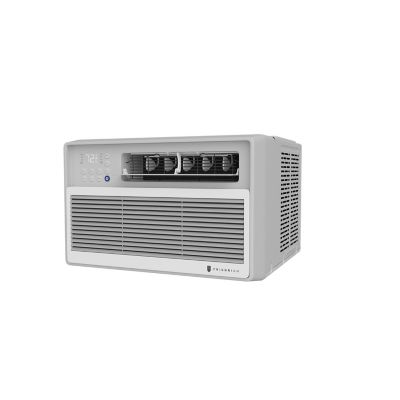
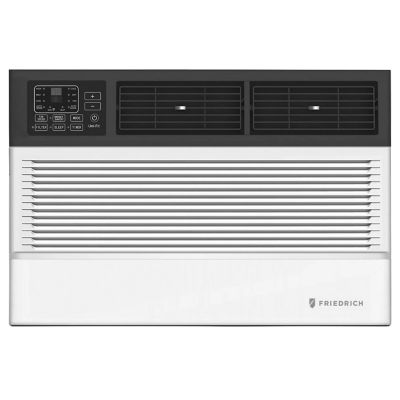
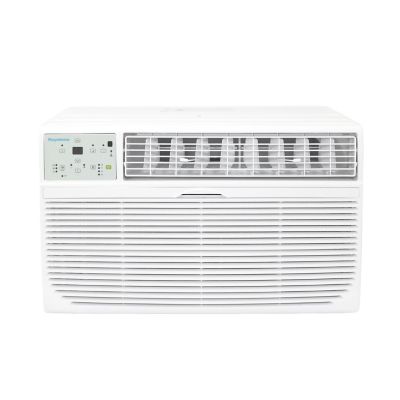
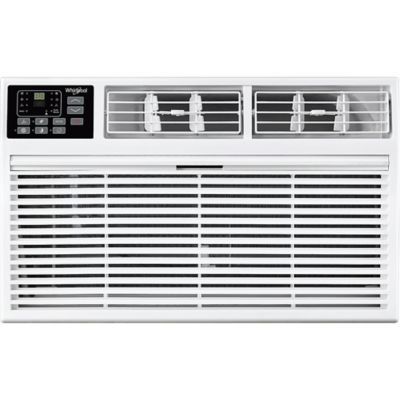
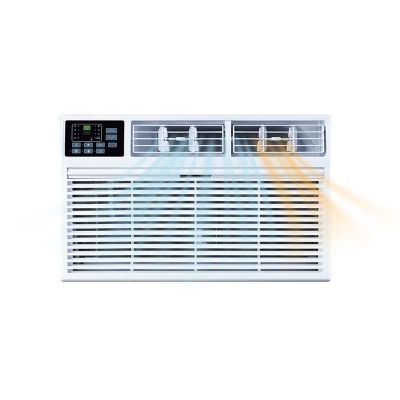
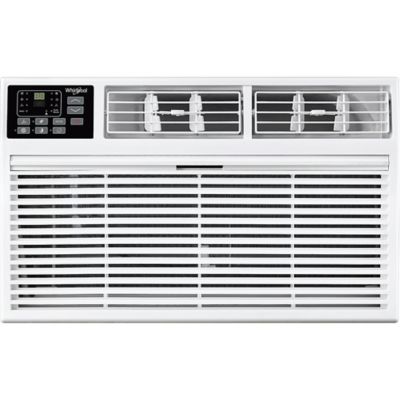
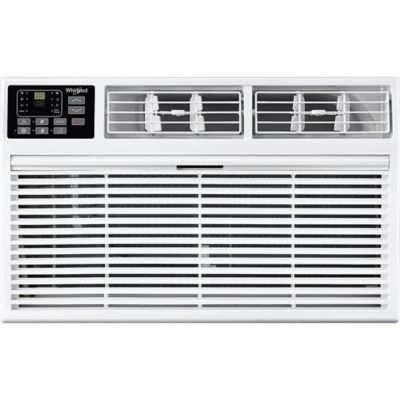
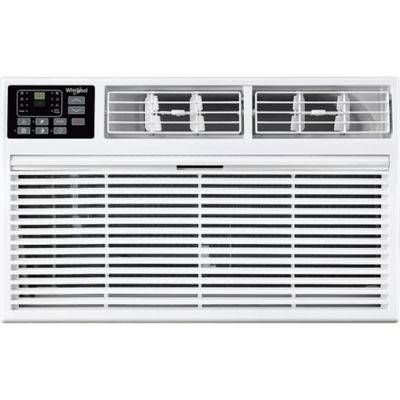
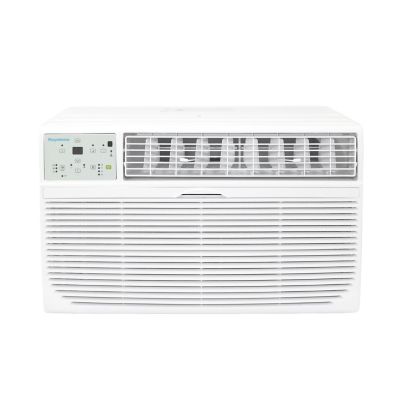
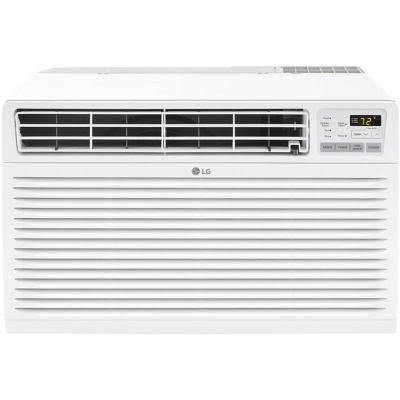
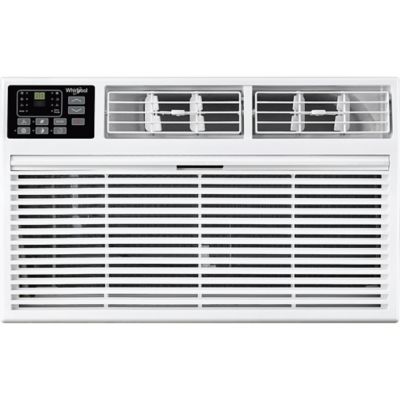
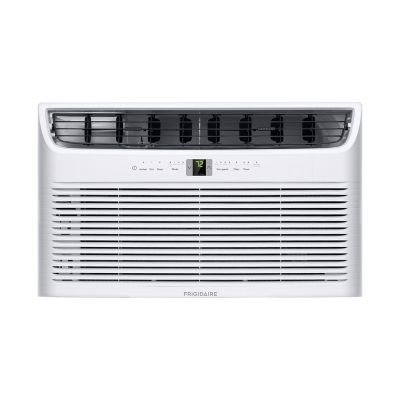
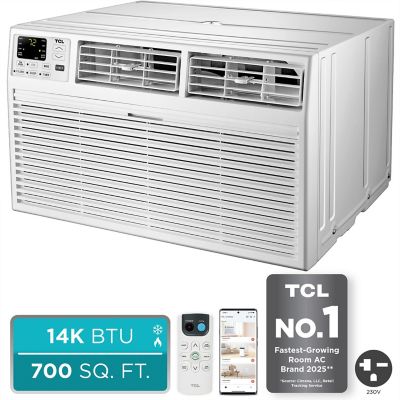
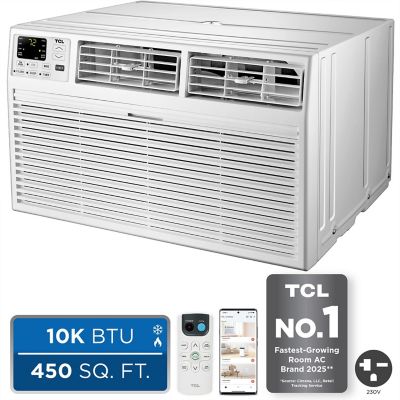
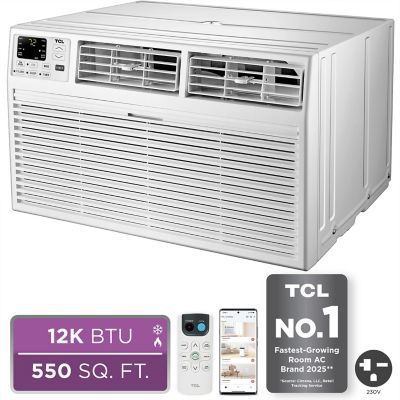
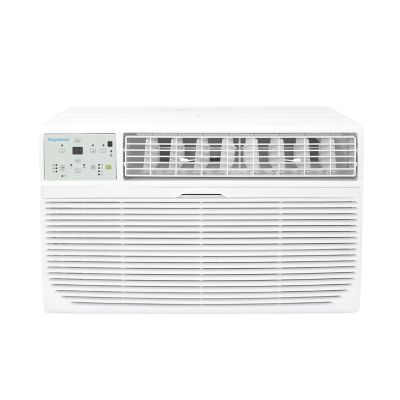
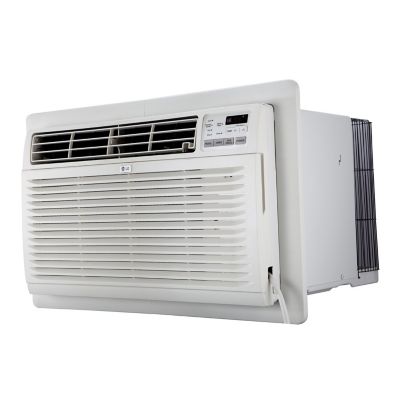
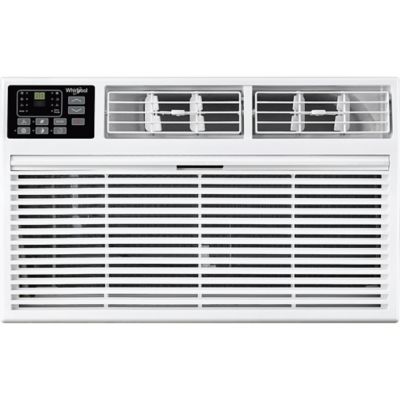
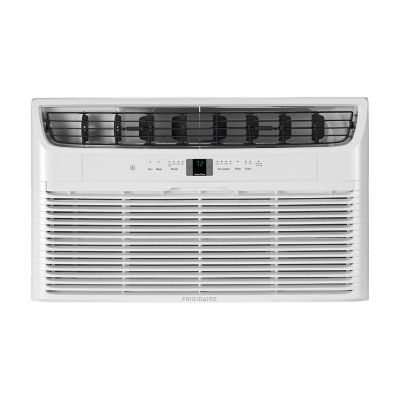
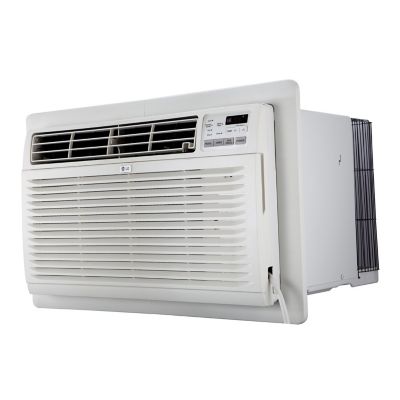
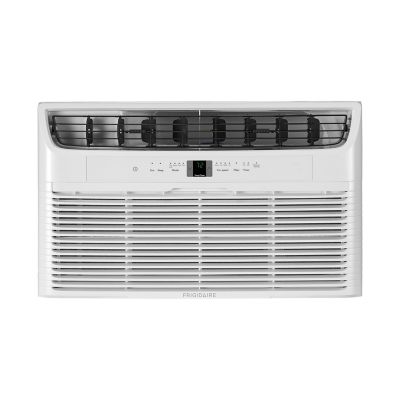
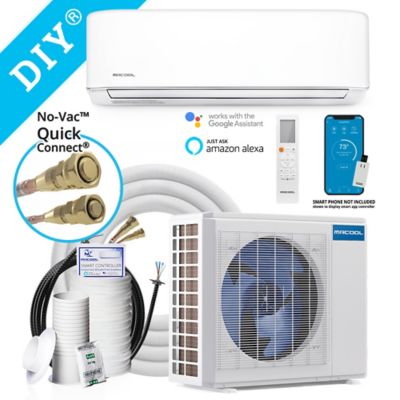
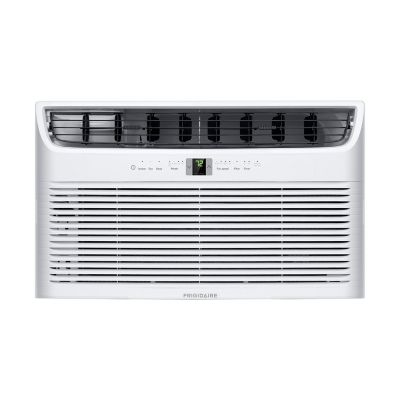
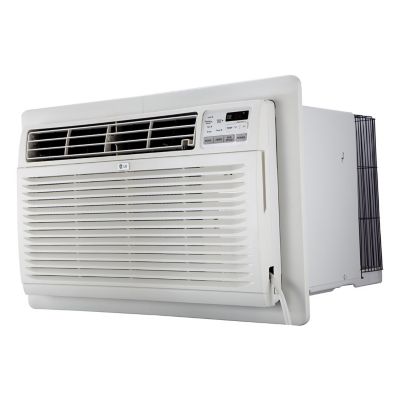
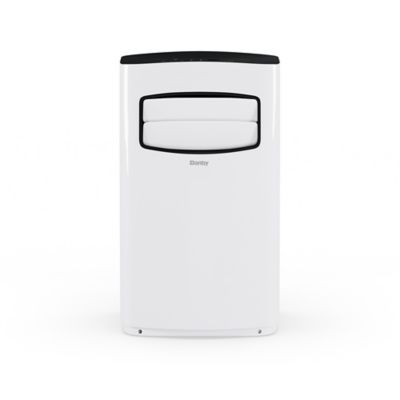
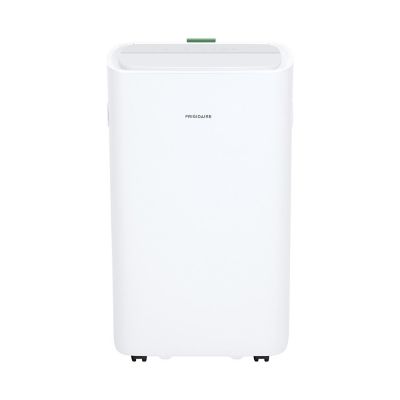
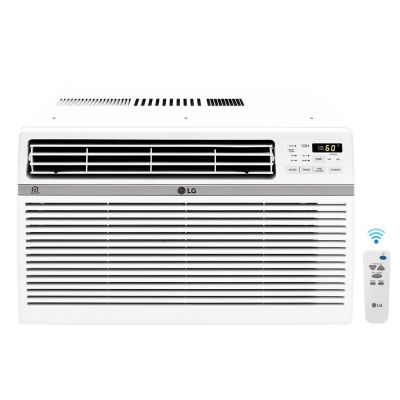
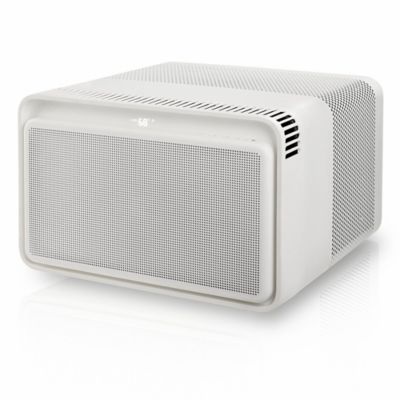
Residential air conditioners cool indoor spaces by drawing heat out of the air and releasing it outdoors. As warm air passes over a cold evaporator coil, moisture also condenses and drains away, helping rooms feel less muggy. That combination matters in a farmhouse kitchen after supper, an upstairs bedroom that holds the afternoon heat, or a home office with sunlight pouring through the windows. The main types of home air conditioners include central split systems, ductless mini-splits, window units, through-the-wall units, and portable models. Each serves a different space and installation setup. Central air conditioning pairs an outdoor condenser with an indoor coil and blower, moving cooled air through ductwork to reach rooms throughout the house. Ductless systems connect an outdoor unit to one or more indoor air handlers, making them a practical fit for homes without ducts or additions beyond the reach of an existing system. Window air conditioners concentrate cooling in individual rooms, while through-the-wall units fit a compatible sleeve installed in an exterior wall. Portable air conditioners sit on the floor and discharge heat outdoors through an exhaust hose, typically connected to a window kit. For spaces where a freestanding setup makes sense,
Floor Air Conditioners offer another way to focus cooling where household activity happens. Even a model with wheels needs a suitable exhaust location, electrical connection, and room for airflow; it cannot simply cool a closed room without releasing heat somewhere else. Across these categories, the right match depends on whether the goal is whole-house comfort, supplemental cooling for a stubborn warm spot, or relief in a room occupied only part of the day. A downstairs living room and a finished attic can have very different cooling needs, even when their floor areas are similar. Matching the equipment to the space helps keep temperatures more even without asking a small room unit to handle the entire house.
Cooling capacity is measured in British thermal units per hour, commonly shortened to BTU on room air conditioner labels. Central systems may describe capacity in tons, with one ton equal to 12,000 BTU per hour. More capacity is not automatically a better fit. An oversized conventional unit may cool the air quickly and shut off before removing enough moisture, leaving a room chilly but clammy. An undersized unit may run for long stretches without reaching the selected temperature. Floor area provides a starting point, but ceiling height, insulation, air leaks, window size, afternoon sun, and the number of people in the space all affect the cooling load. A shaded bedroom with snug windows places different demands on an air conditioner than a bright family room beneath an uninsulated roof. For central and ductless systems, a professional load calculation accounts for those building details more fully than square footage alone. Physical fit matters just as much as capacity. Window units have opening dimensions, window-style requirements, support needs, and installation clearances that should match the home. Through-the-wall equipment needs a compatible sleeve and proper drainage, while portable equipment needs space for its hose without sharp bends or an extension beyond the manufacturer's specifications. Electrical requirements vary, too: some residential air conditioners connect to a suitable 115- or 120-volt receptacle, while others require a dedicated higher-voltage circuit. Extension cords and power strips are generally inappropriate for these high-load appliances. Energy-efficiency ratings help distinguish performance within the same equipment category. SEER2 describes seasonal cooling efficiency for central and many ductless systems, while CEER is commonly listed for window air conditioners. ENERGY STAR certification identifies equipment that meets applicable efficiency criteria. Portable units can show more than one capacity figure; the DOE seasonally adjusted cooling capacity, or SACC, helps account for real operating effects. Comparing the same rating across similar systems gives those numbers meaning, especially when choosing equipment for rooms occupied for hours at a time.
Everyday comfort also comes down to sound, airflow, controls, and how easily the equipment fits household routines. In a bedroom, a steady low fan sound may be less distracting than a compressor that starts and stops sharply. Inverter-driven compressors can adjust their output as cooling needs change, helping maintain a steadier temperature and often reducing abrupt operating noise, though performance varies by model and setting. Published sound levels are most useful when the measurement conditions are comparable. Adjustable louvers can direct cooled air toward the living area instead of straight at a favorite chair, and multiple fan speeds give more control over circulation. Timers, sleep settings, remote controls, and connected features can simplify operation, but they do not replace proper sizing or installation. Construction details matter over the long haul: metal cabinets protect working components, plastic grilles shape airflow, and coils commonly combine copper or aluminum tubing with aluminum fins. Those fins need clear airflow and gentle handling because bending them can restrict heat transfer. Protective finishes help exposed surfaces stand up to outdoor conditions, although drainage and routine care remain important. Washable filters need cleaning and complete drying as directed, while replaceable filters need the specified size and type. Homes near gravel drives, fields, or busy entryways may need more frequent filter checks because dust can collect quickly. Pet hair can also gather at intake grilles. Outdoor condensers need the manufacturer's clearance from weeds, leaves, and stored belongings, and condensate drains need to remain open so collected water has somewhere to go. During cooler months, seasonal room units benefit from cleaning, drying, and storage or protection according to their instructions. Refrigerant work, permanent electrical connections, and central or ductless installation belong with qualified professionals. For households that need comfort beyond cooling, some systems include heat-pump operation, but cooling-only air conditioners do not heat a room. Equipment suited to the home, maintained with a little regular attention, can make everything from folding laundry to settling in after chores a lot more comfortable.