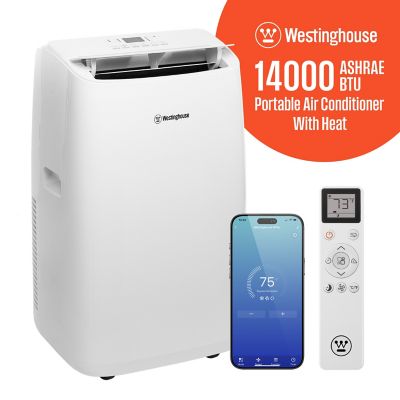
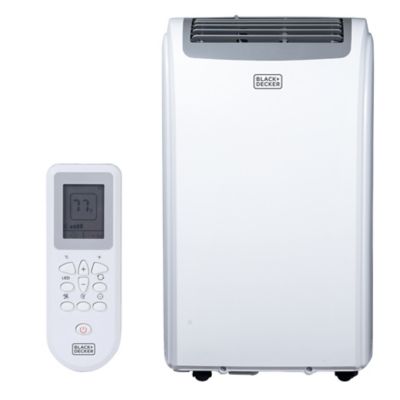
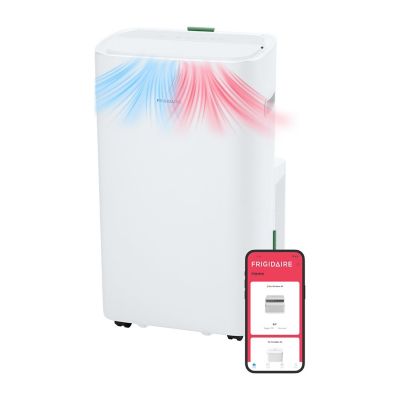
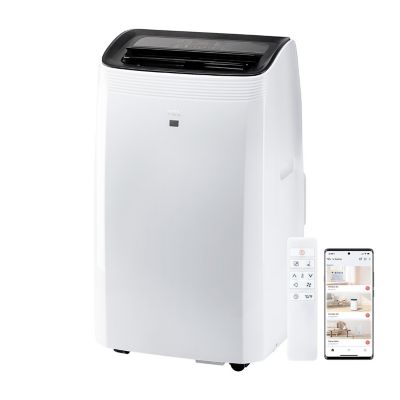
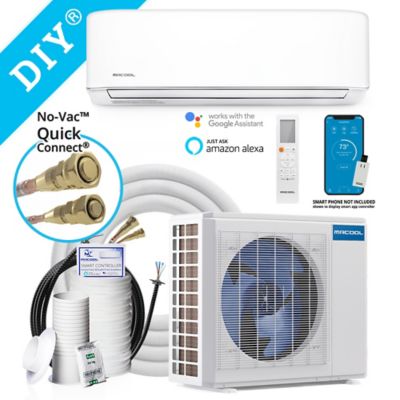
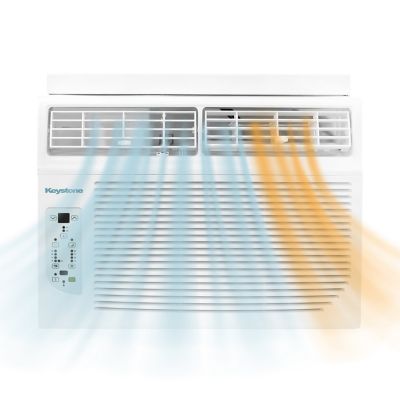
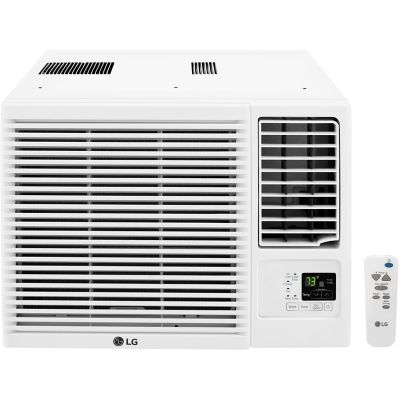
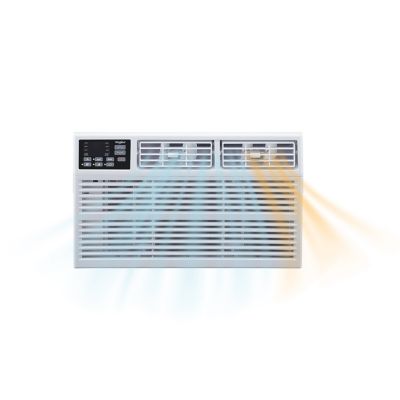
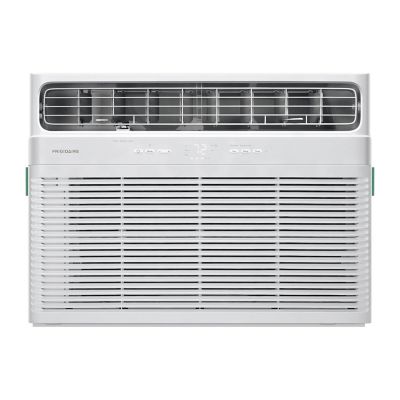
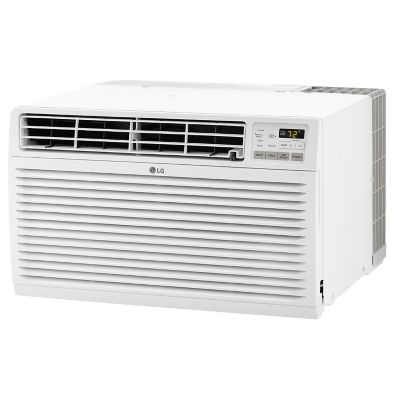
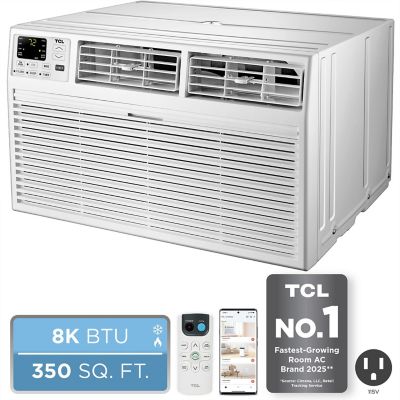
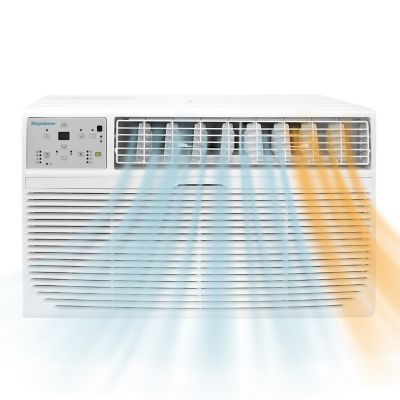
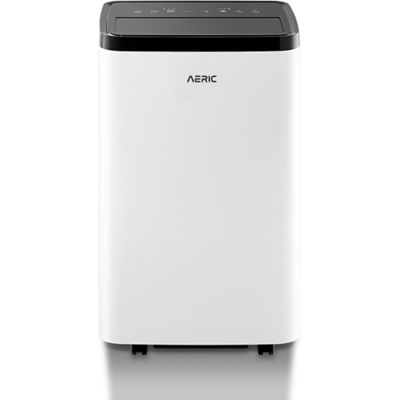
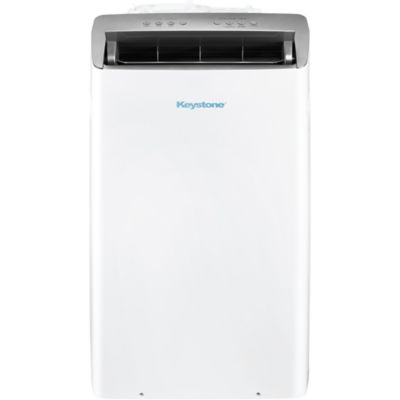
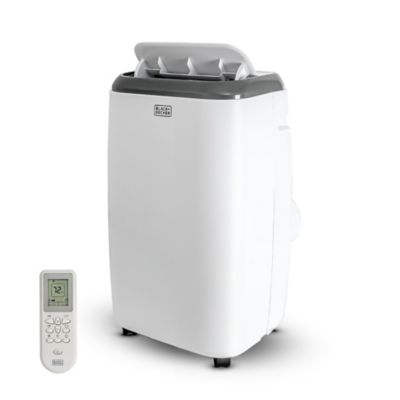
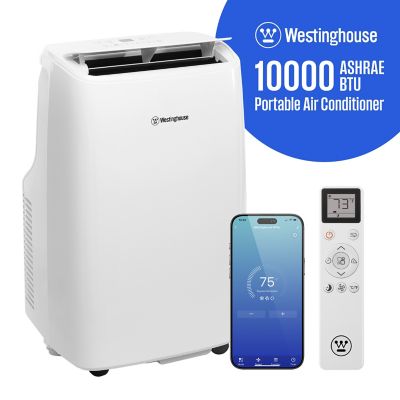
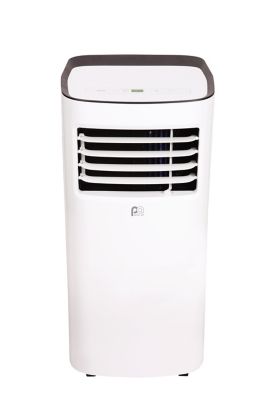
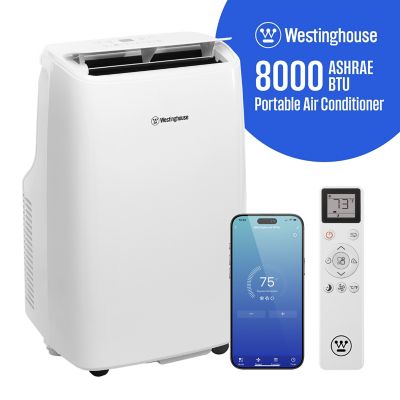
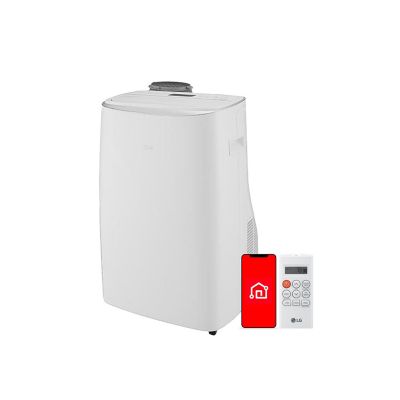
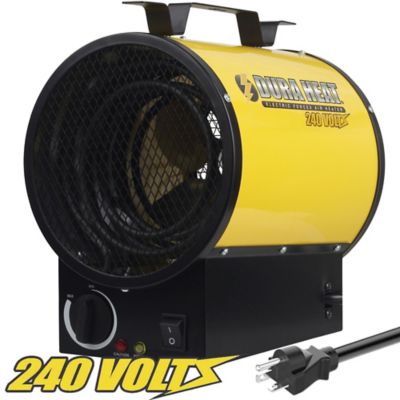
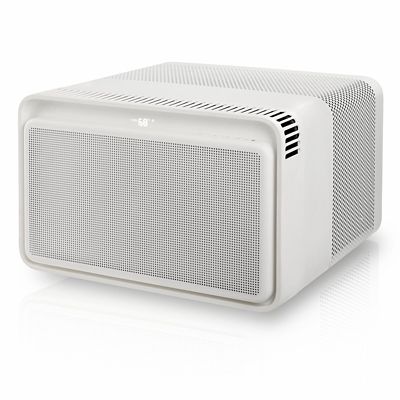
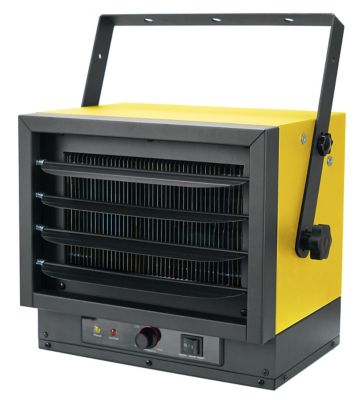
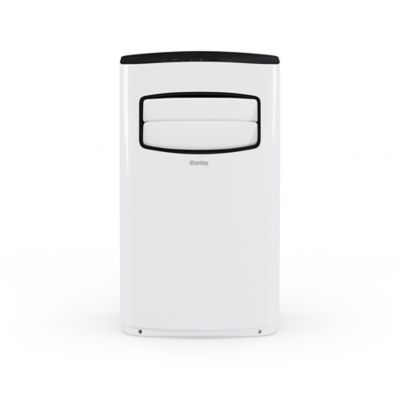
Heating air conditioners bring heating and cooling together in one system, helping keep a room comfortable without relying on separate equipment for each job. That flexibility makes sense in a farmhouse bedroom, a home office off the kitchen, or an addition that never seems to match the rest of the house. Air conditioners with heat can serve different roles, from taking the chill out of a small living space to providing room-by-room temperature control where the equipment is rated for that purpose. The heating method matters: heat pump systems move heat rather than generating it directly, while some combinations include electric resistance heat. Their operating requirements and heating performance differ, especially when outdoor temperatures fall. A heat pump’s listed operating range helps show whether it fits the local climate, and some spaces still need a separate source of heat when conditions fall outside that range. Heating capacity and cooling capacity also deserve separate attention; a unit that handles a room’s cooling needs does not automatically provide enough heat for the same space. Square footage is only part of the picture. Tall ceilings, drafty windows, afternoon sun, exterior doors, and insulation all affect how much work the equipment has to do. A spare bedroom with one small window presents a different load than a sunny enclosed porch with glass on three sides. Oversized cooling equipment can cycle off before it removes enough moisture, while undersized equipment may run for long stretches without reaching the thermostat setting. Matching capacity to the space supports steadier comfort rather than big swings between too warm and too cold. For additions, converted rooms, and spaces beyond the reach of existing ductwork, a professional load assessment can help establish what the room actually needs. These combinations are especially practical for households looking for temperature control in a particular area, rather than treating every room as though it has the same daily routine.
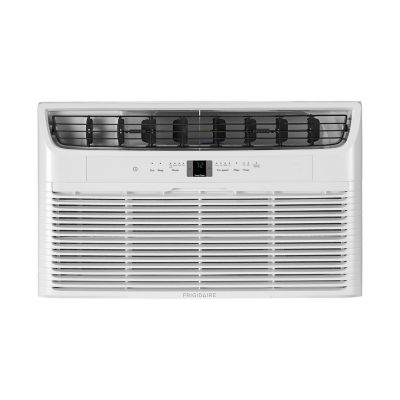
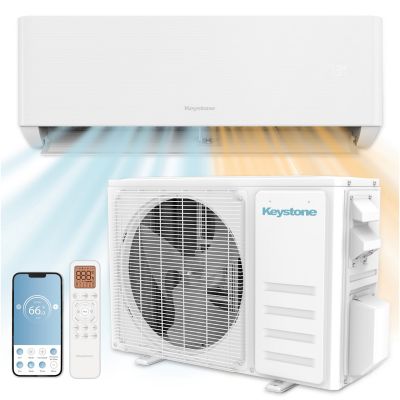
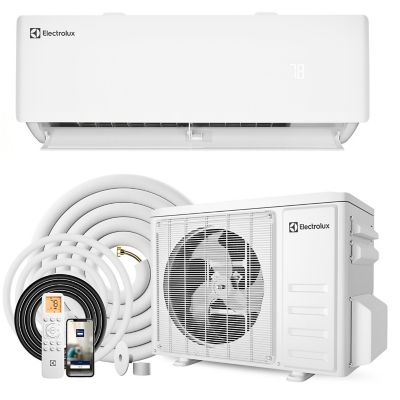
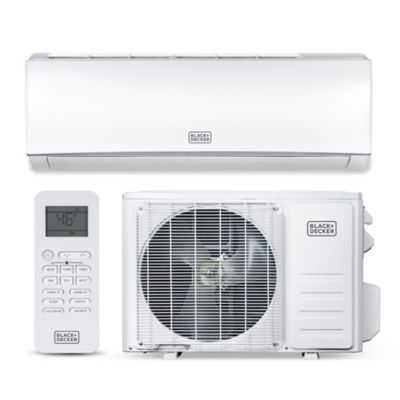
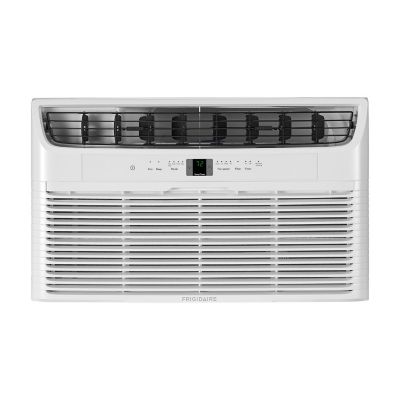
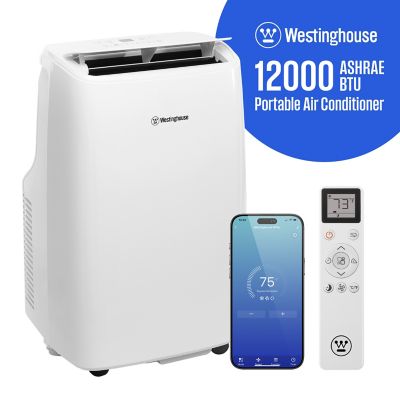
Physical fit matters just as much as heating and cooling output. Window-mounted, through-wall, portable, and ductless configurations each have different space and installation requirements, and heating functions vary by design. Window equipment needs a compatible opening, proper support, and a seal that limits drafts without blocking required drainage. Through-wall equipment depends on the correct wall opening and sleeve arrangement, with outdoor airflow paths left clear. Portable equipment takes up floor space and generally needs an exhaust connection, so the distance to a suitable window can shape where it belongs. Ductless systems keep the indoor section separate from an outdoor unit and require installation work that accounts for refrigerant lines, wiring, drainage, and service access. Like other
Indoor Air Conditioners, heating-and-cooling combinations need room to move air freely instead of being tucked behind a couch or boxed in by storage. A narrow walkway beside a bed or a busy entry where coats pile up can make an otherwise suitable location awkward. Construction also affects how the equipment fits its surroundings. Depending on the design, housings may combine metal panels with molded plastic sections, while coils commonly contain aluminum fins and copper or aluminum tubing. Those thin fins transfer heat but can bend if bumped, making placement important wherever tools, furniture, or everyday traffic pass nearby. Equipment intended for indoor living spaces should not be assumed suitable for open-sided barns, heavy dust, damp work areas, or locations exposed to washdown. Electrical requirements are another part of the fit: voltage, amperage, receptacle type, and circuit requirements must match the installation instructions. Some systems need a dedicated circuit or hardwired connection installed by a qualified professional. Extension cords and power strips are not substitutes for the specified electrical setup. For a room above the garage or a detached office, checking those details before installation helps prevent a comfort project from becoming an electrical or ventilation problem.
Day-to-day comfort comes from more than the number on the thermostat. Fan speeds, airflow direction, operating sound, and control placement all influence how a heating air conditioner feels in an occupied room. Adjustable louvers can help direct air away from a desk chair or sleeping area, while a steady fan setting may feel different from a fan that starts and stops with each cycle. Sound deserves particular attention in bedrooms and small offices, where compressor operation and moving air are easier to notice than they are in a busy family room. Timers, programmable settings, and remote controls can make temperature changes easier to manage, though the available functions depend on the equipment. Energy information is worth considering alongside those conveniences, with heating and cooling performance evaluated separately. Heat pump efficiency changes with operating conditions, and resistance heat has a different electricity demand, so the heating method matters as much as the control features. Keeping the equipment in good working shape also takes a little room in the household routine. Filters collect airborne dust and lint, and washable filters need cleaning and drying according to the manufacturer’s directions; replaceable filters need the specified size and replacement schedule. Filter maintenance supports airflow, but it does not turn an air conditioner into a substitute for ventilation or specialized air treatment. Condensate drains, pans, and hoses need attention appropriate to the design, particularly where water must drain away from finished floors or walls. Outdoor sections need the clearances stated in the manual, without leaves, stored equipment, or snow blocking airflow. Unusual vibration, repeated electrical trips, or persistent water leaks call for inspection rather than repeated restarts. Accessible filters, reachable controls, and space for service make ongoing care less of a chore. Whether the goal is a more comfortable sleeping room, a usable home workspace, or better temperature control in an addition, the best match brings together suitable capacity, proper installation, manageable upkeep, and heating performance suited to the space.