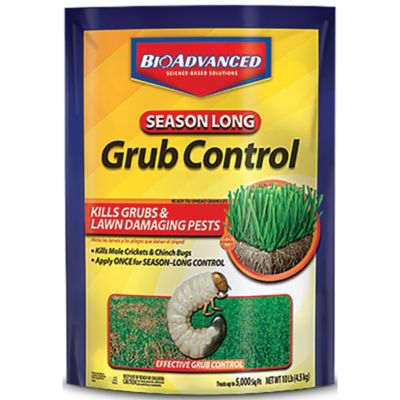
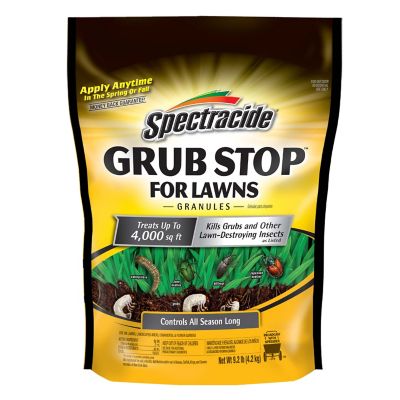
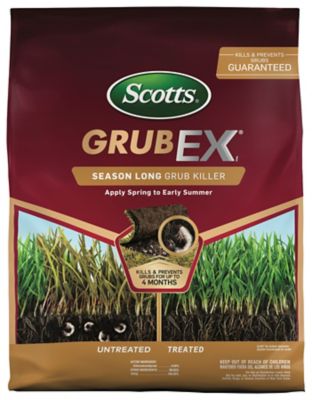
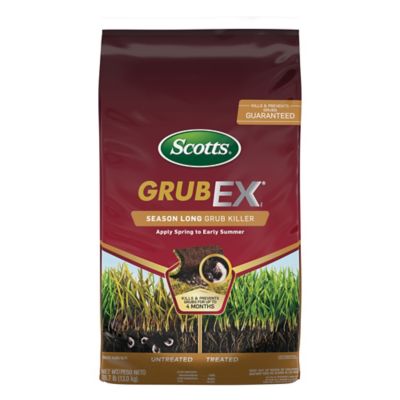
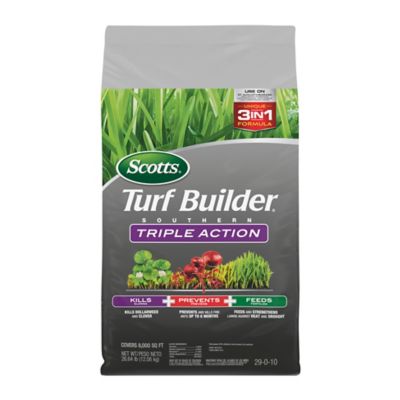
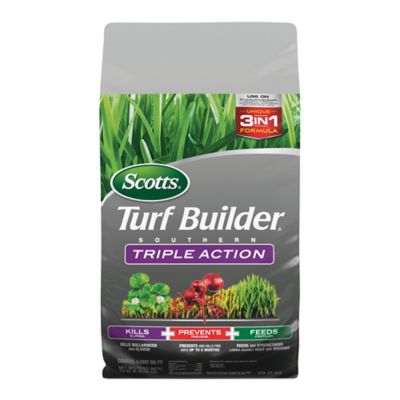
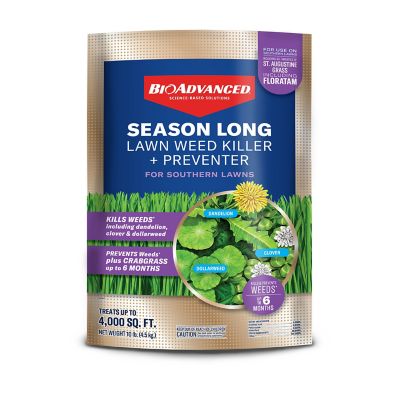
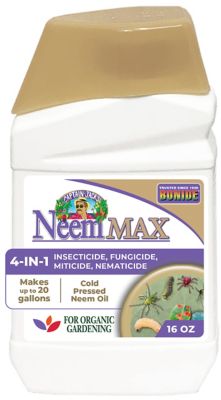
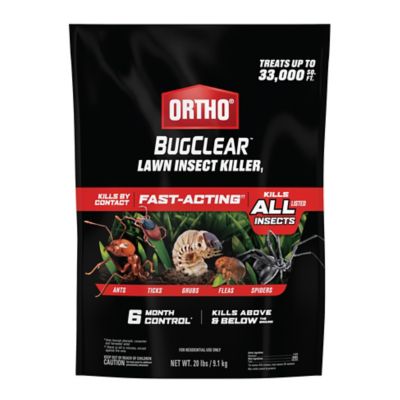
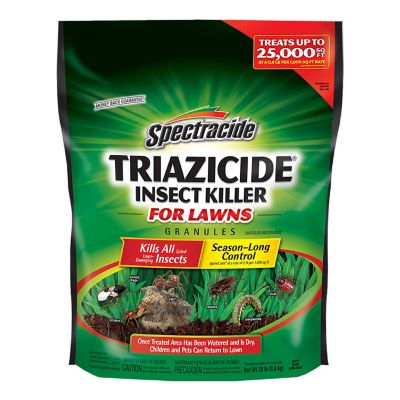
Grub control for lawns targets beetle larvae that feed below the surface, where grass roots do the hard work of holding turf together. These pale, often C-shaped pests can leave a lawn thin, brown, or loose enough to lift like a piece of carpet. Around a farmhouse, along a driveway, or in the patch of grass where the family gathers, that root damage can turn established turf into bare ground that needs attention. Lawn grub treatments fall into two main groups: preventive products that target young larvae before substantial damage develops and curative products intended to reduce grubs already feeding in the root zone. The best fit depends on whether the goal is protecting a lawn with a history of trouble or addressing a confirmed infestation. Not every brown patch points to grubs, though. Compacted soil, disease, uneven watering, and other insects can leave similar marks, and an occasional grub does not necessarily mean a lawn needs treatment. A small section of turf examined near the edge of a damaged patch can help show whether larvae are present where healthy grass meets struggling grass. Counts around five to ten grubs per square foot may warrant a closer look, but treatment thresholds vary with the beetle species, grass condition, and local recommendations. A well-rooted lawn can tolerate more feeding than turf already under stress. Skunks or raccoons digging for larvae can add to the mess, although animal activity alone does not confirm a grub problem. When disease appears to be a separate concern,
Fungus Control For Lawns covers another lawn-care category; grub treatments do not address fungal disease. Matching the treatment to the cause helps keep lawn care focused on what the grass actually needs rather than treating every discolored spot the same way.
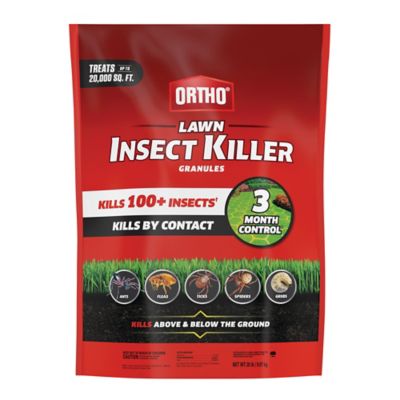
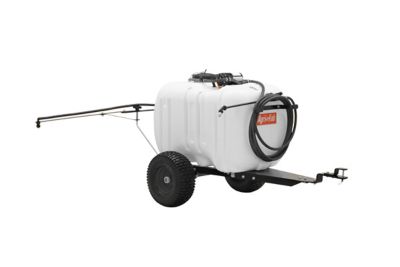
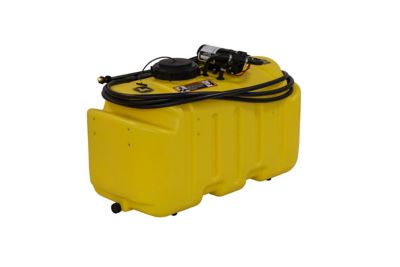
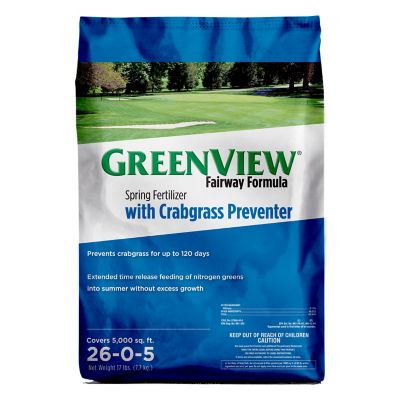
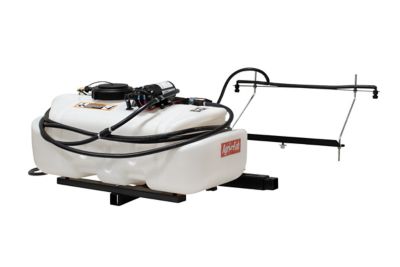
Lawn size, application equipment, and the treatment’s intended use all matter when comparing grub control options. Granular formulations carry the active ingredient on small particles and generally suit application with a compatible lawn spreader. They can be a practical match for broad stretches of turf, provided the spreader settings and application rate follow the package directions. Liquid formulations may come ready to connect to a hose or require measuring and mixing with water in suitable spray equipment. For a lawn that wraps around outbuildings, planting beds, and a gravel drive, the application method should allow controlled coverage without sending treatment onto nearby surfaces. Package weight or container size alone does not tell the whole story: labeled coverage depends on the formulation and the permitted rate for the target pest. Measuring the actual turf area, rather than counting the house, driveway, and garden as lawn, makes coverage comparisons more meaningful. The active ingredient determines which pests and life stages a treatment targets, while the formulation affects how it is handled and applied. Preventive grub control is generally timed ahead of egg hatch or early larval feeding, with the appropriate application window varying by ingredient and region. Curative grub control is intended for active infestations, but larger, older larvae can be harder to control than small ones. Products described as fast acting still need the right placement and conditions to perform as labeled; they do not instantly repair roots or turn damaged grass green. Some biological treatments contain living organisms and have additional requirements for storage, soil moisture, temperature, and susceptible grub species. Those differences are worth considering alongside application equipment and the amount of ground to cover. Across treatment types, the clearest comparison is the labeled target pest, treatment timing, application method, coverage area, and restrictions—not simply the size of the bag or bottle. A product labeled for another lawn insect is not automatically a match for root-feeding grubs.
For households with children, dogs, garden beds, or livestock nearby, application restrictions deserve just as much attention as pest control claims. Residential lawn labeling does not automatically permit treatment of pastures, grazing areas, vegetable gardens, or every grassy space on a rural property. Each product’s directions specify where it can be applied, what protective clothing or equipment is required, and when people and animals may return. Reentry rules differ, so a blanket assumption that every treatment is suitable once the surface looks dry can miss important directions. Watering requirements also vary. Many grub treatments need a specified amount of irrigation to move the active ingredient into the root zone, but the amount and timing should come from the label rather than a general rule. Access to irrigation can therefore be a practical consideration for turf beyond the reach of a hose. Nearby wells, ponds, drainage ditches, and flowering plants also call for attention to application setbacks, runoff precautions, and pollinator restrictions. Keeping granules off hard surfaces and preventing spray from drifting beyond the intended area helps keep the treatment where it belongs. Storage requirements matter after the application, too: products belong in their original labeled containers, secured away from children, animals, feed, and food, under the conditions stated on the package. For spreaders and sprayers, cleaning and storage should follow both the equipment directions and the pesticide label, including instructions for handling rinse water. Grub control is one part of maintaining a lawn, not a replacement for root recovery. Grass with surviving roots may fill back in with suitable care, while heavily damaged patches may need reseeding or other repair. Local extension recommendations can help clarify regional beetle life cycles and whether a recurring problem calls for preventive treatment. For the homeowner caring for a small yard or the property owner maintaining a larger stretch of grass, the right match comes down to confirmed pest activity, turf needs, and a treatment that fits the site. Those details help protect the places where boots cross the yard, lawn chairs settle into the grass, and everyday life happens outside.