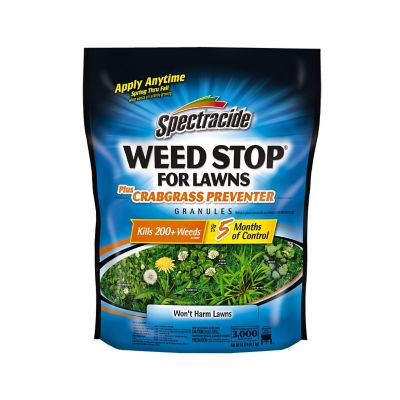
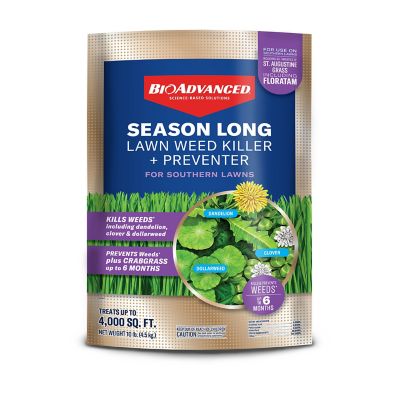
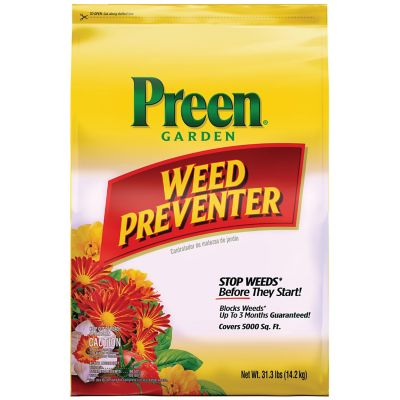
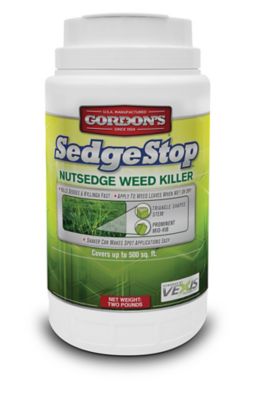
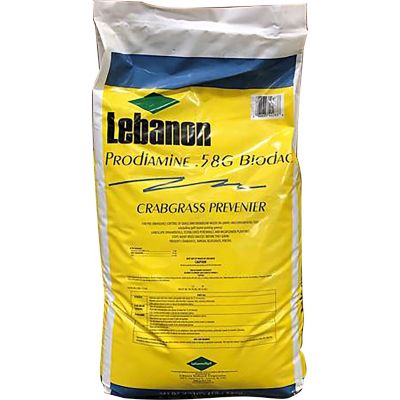
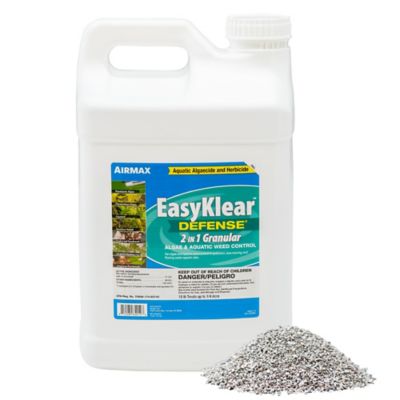
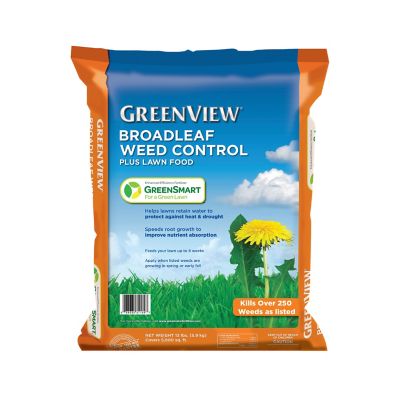
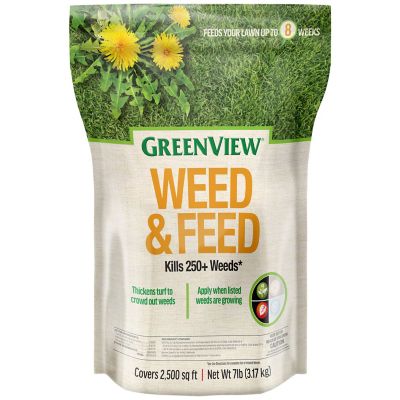
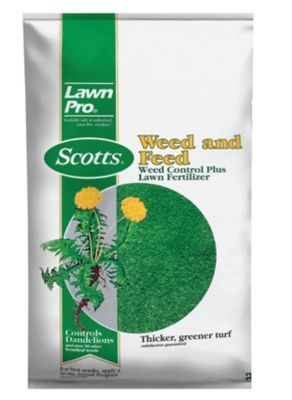
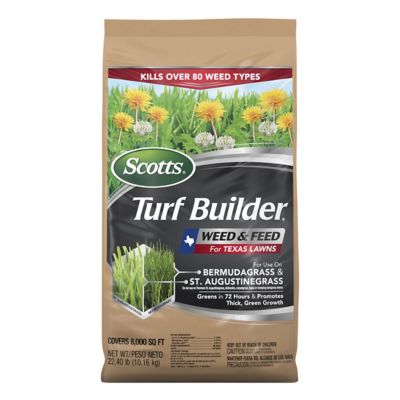
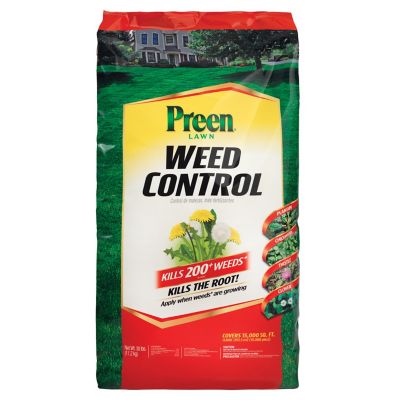
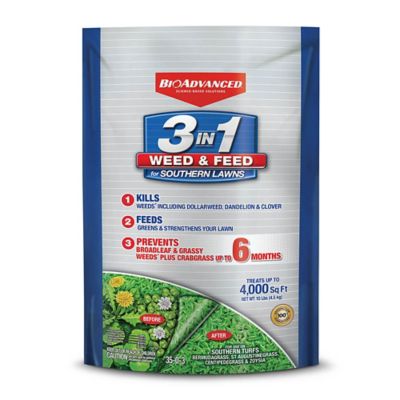
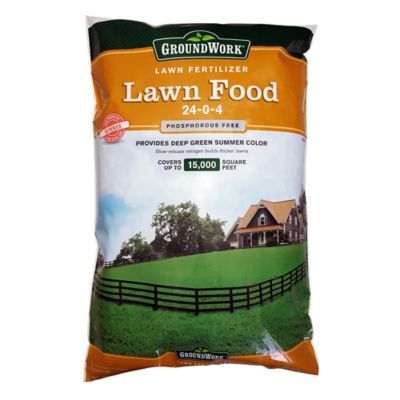
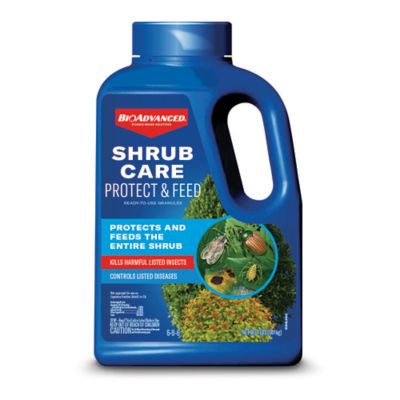
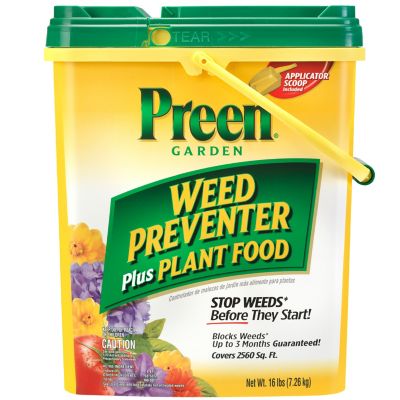
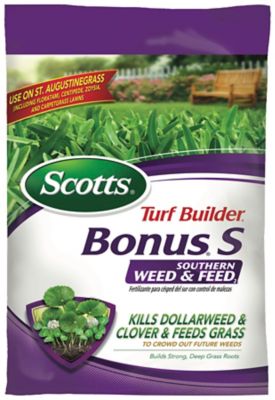
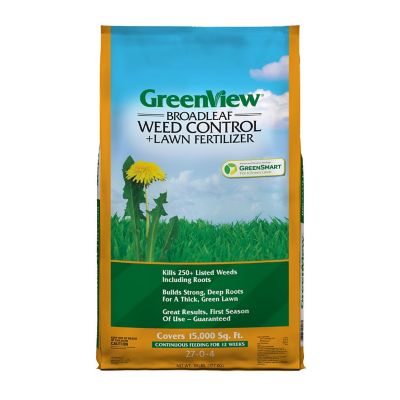
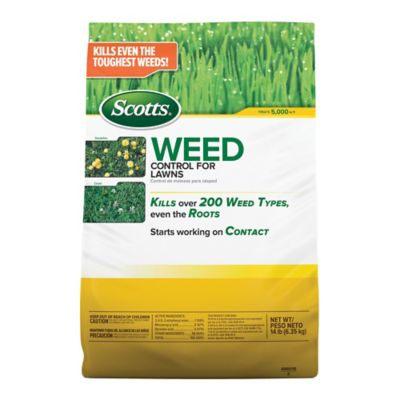
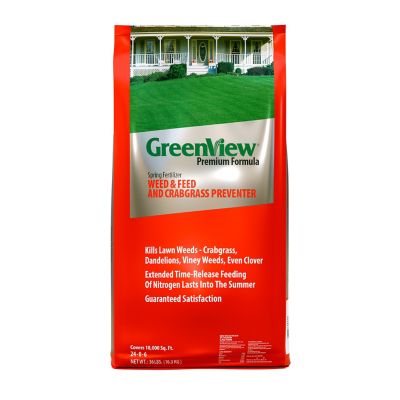
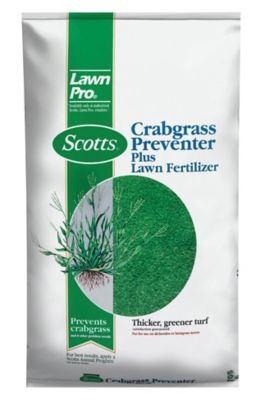
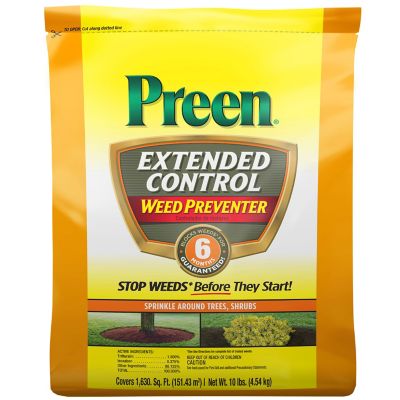
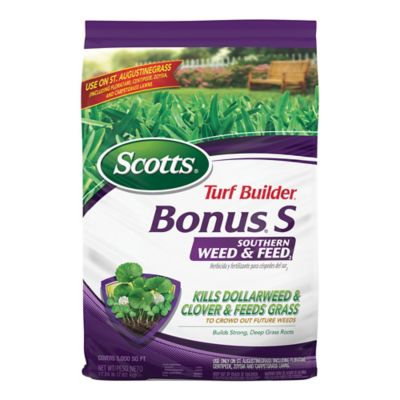
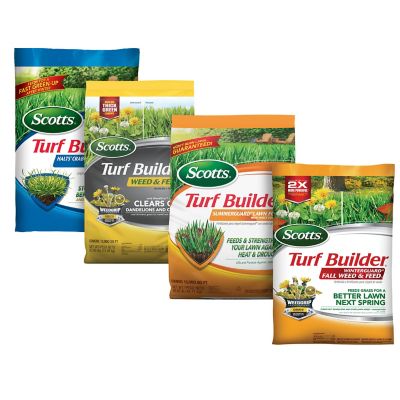
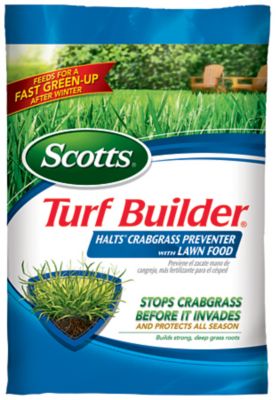
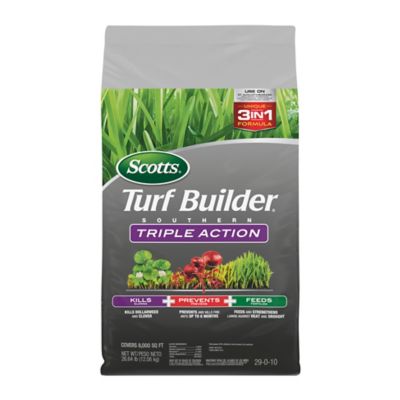
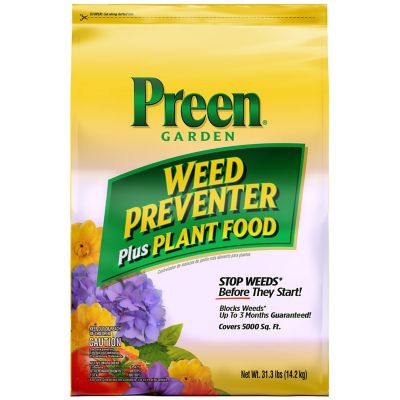
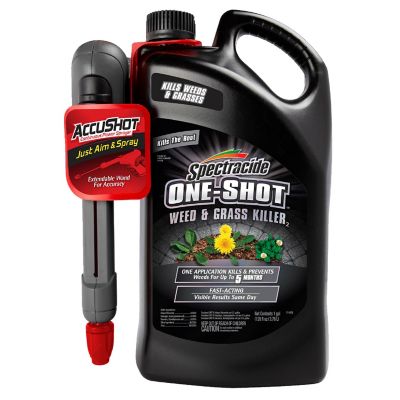
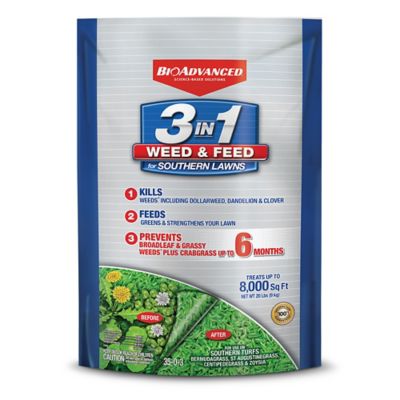
When it comes to keeping your land, garden beds, or lawn looking its best through the growing season, weed control granules are a go-to solution for many folks living and working out in the country. These granules are designed to help you stay ahead of pesky weeds that pop up just as the weather warms and the days get longer. Whether you’re tending to a sprawling vegetable patch, a tidy row of flowers, or a backyard that doubles as a play space for kids and pets, granular weed killer options are built for easy spreading and targeted action. Some are pre-emergent, meaning they stop weed seeds from sprouting in the first place, while others, like post emergent crabgrass killer granules, tackle weeds that have already made an appearance. For those who prefer a more natural approach, organic weed and feed blends offer a way to nourish your soil while keeping unwanted plants in check. These products are especially handy for folks who want to keep things green and healthy, whether you’re managing your own property or lending a hand to a neighbor.
Choosing the right weed control granules depends a lot on the space you’re working with and what you’re hoping to achieve. If you’re focused on flower beds or vegetable gardens, you’ll want to look for granules that are safe for edible plants and won’t harm your blooms or harvest. For lawns, it’s important to pick a granular weed killer that won’t damage your established grass but will keep broadleaf and grassy weeds at bay. Some families find that these products make thoughtful gifts for new homeowners, gardeners, or anyone who takes pride in a well-kept yard—especially as summer gatherings, cookouts, and outdoor celebrations pick up. Spreading granules is a straightforward task, whether you’re using a hand-held spreader or just tossing them by hand along fence lines, walkways, or around trees. Many folks appreciate the convenience of a product that can be applied in just a few minutes and then left to do its work, freeing up more time for fishing trips, tractor rides, or simply relaxing on the porch. And if you’re looking to tackle more than just weeds, you might want to check out our
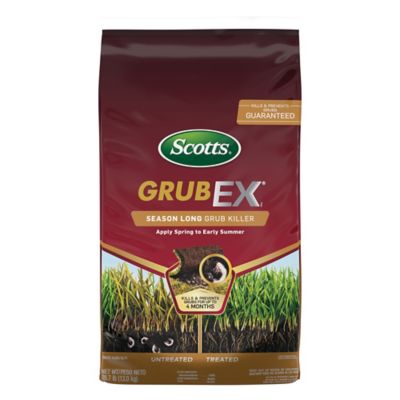
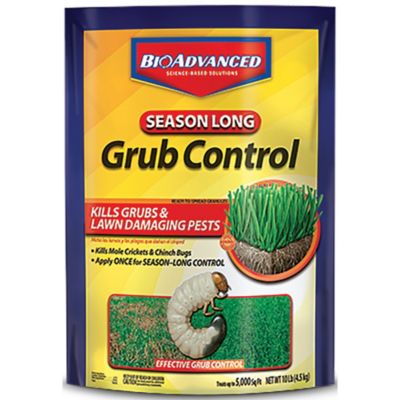
Lawn Insect Killer Granules for double-duty yard care.
As you plan out your weed control routine, keep in mind that timing and weather play a big role in getting the most out of your granules. Applying pre-emergent types before weeds have a chance to sprout—usually as the soil starts to warm—can help stop problems before they start. For areas where weeds have already taken root, post emergent options are a solid choice, especially for stubborn invaders like crabgrass. Folks who are mindful about their impact on the environment often look for organic weed and feed products, which can help support a healthy ecosystem right in their own backyard. No matter if you’re caring for a few raised beds or acres of pasture, there’s something satisfying about seeing those green ways near me stay clear and vibrant all season long. With the right weed control granules, you can spend less time fighting weeds and more time enjoying the land you love.