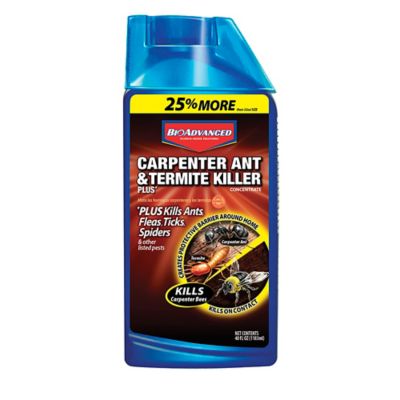
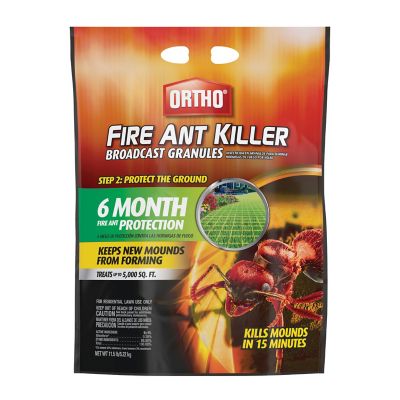
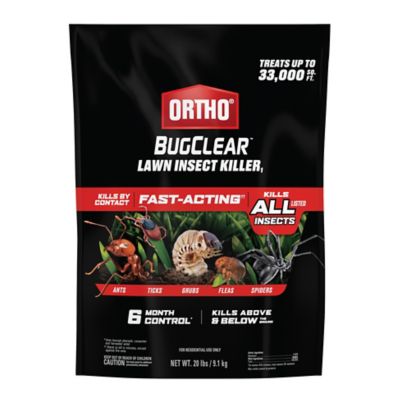
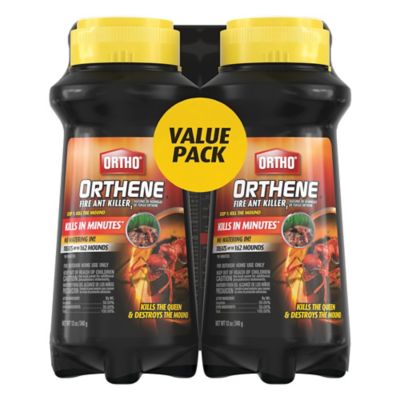
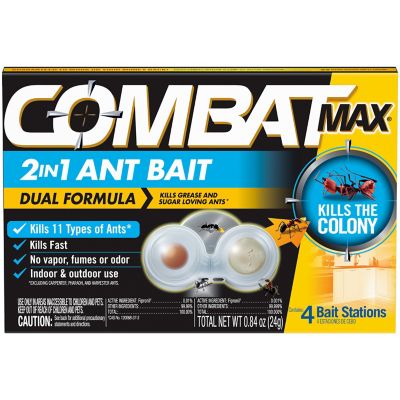
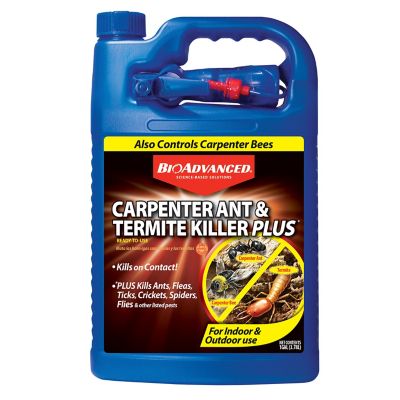
Lawn pest control products help manage insects and other labeled pests that damage turf or make time outside less comfortable. Depending on the formula, they may target surface pests, such as ants, fleas, and ticks, or insects feeding around grass roots, including certain grubs. Those are different jobs, so the best match depends on the pest, the treatment area, and the directions on the package—not simply how strong a treatment sounds. A lawn beside a pasture, a fenced backyard where pets stretch their legs, and a patch of grass around the porch can each call for a different approach. Granules, ready-to-spray liquids, concentrates, and targeted baits offer different ways to reach the places pests live and feed. Broad lawn treatments suit some situations, while a product labeled for individual ant mounds or small trouble spots may fit others. The distinction matters when just one corner of the yard needs attention rather than the whole stretch from the driveway to the fence. Signs of lawn trouble also deserve a closer look before choosing a treatment. Brown patches, thinning grass, and loose turf can have causes beyond insects, including dry soil, disease, or wear from foot traffic. Finding the pest and checking that it appears on the product label helps keep the purchase tied to the actual problem. For homeowners and folks tending larger properties, useful product details include the target pests, approved application sites, coverage in square feet, and any limits involving turf varieties. Speed of action and length of control matter, too, but neither is the same across every formula or pest. Some treatments work through contact, while others rely on feeding or placement in a particular soil zone. As the weather cools, pest activity can change with local temperatures and rainfall, so treatment needs in a mild southern yard may look quite different from those in a lawn heading toward frozen ground.
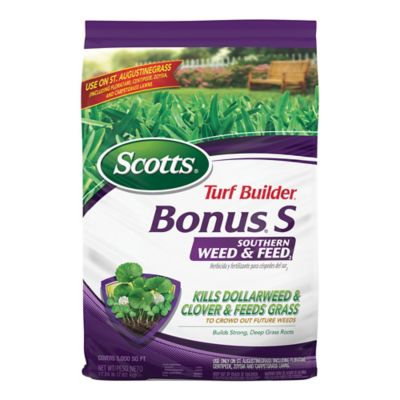
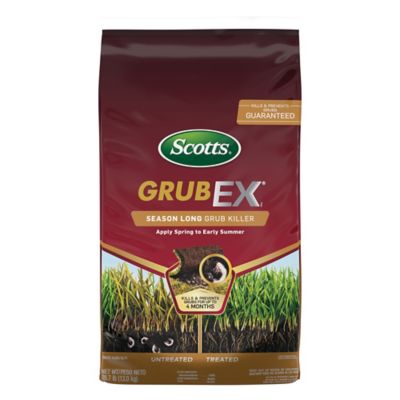
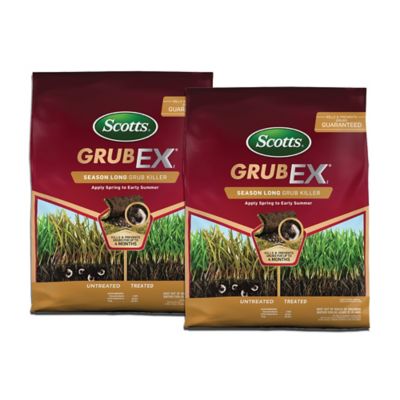
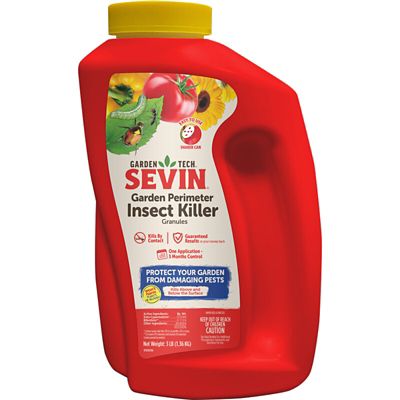
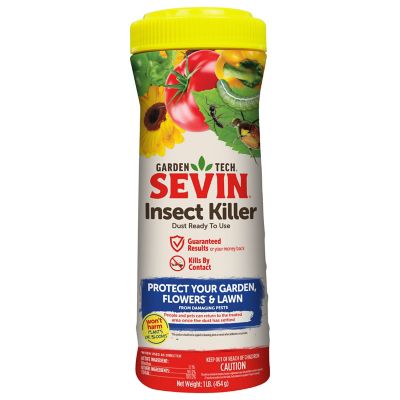
Granular lawn insect treatments spread across the turf with compatible equipment, making them a practical format for open grass areas where even distribution is possible. The granule acts as a carrier for the active ingredient, and package directions explain the application rate, spreader requirements, and whether watering is necessary to move the treatment into the intended zone.
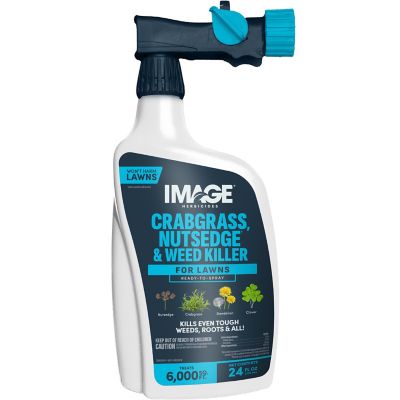
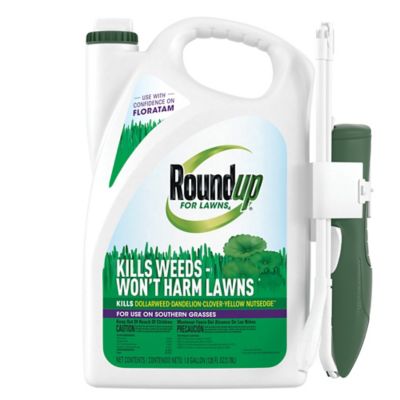
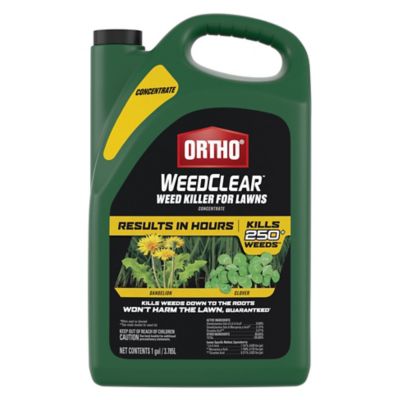
Lawn Insect Killer Granules are worth considering when that application method fits the yard, the target pest, and the equipment already in the shed. A drop spreader places material within a narrower path, while a broadcast spreader throws it across a wider swath; either needs the proper settings and application pattern for the particular treatment. Liquids provide another option, with ready-to-spray packages that connect to a hose and concentrates intended for dilution in compatible spraying equipment. Hose access, water pressure, tank capacity, and the reach needed along a fence line all affect how convenient those formats feel on a working property. Concentrates require careful measuring, and extra product does not turn a labeled application into better control. Ready-to-use formulas can suit smaller labeled treatment areas without a separate mixing step. Baits differ from contact sprays because the target pest must find and feed on them, making placement and label-specific weather requirements especially important. For every format, the amount of lawn covered depends on the labeled rate for the intended pest, not just the size of the container. A smaller backyard and a broad lawn around an outbuilding can require very different quantities. Treatment timing matters just as much as format: preventive grub treatments and treatments intended for active infestations are not interchangeable. Their performance depends partly on the insect’s life stage and whether the active ingredient reaches it. Rain, irrigation, mowing, and temperature can also affect application timing or results. Comparing those label details helps separate a good fit for a particular patch of ground from a treatment meant for a different job.
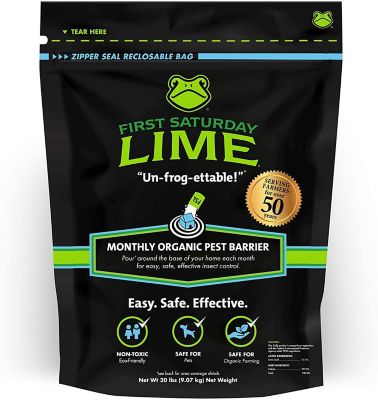
Households with children, pets, gardens, or livestock have a few more details to weigh when choosing lawn pest control. No treatment should be assumed safe for people or animals simply because it contains plant-derived ingredients or carries natural wording. Botanical ingredients and conventional insecticides both come with application directions, exposure precautions, and restrictions that deserve the same attention. Reentry requirements vary: a label may call for spray to dry, granules to be watered in and the area to dry, a specified waiting period, or other conditions before people and pets return. A backyard lawn label also does not automatically permit application to grazing land, hay ground, vegetable beds, animal housing, or pets themselves. That distinction is especially important where the mowed yard runs straight into a paddock or chickens roam near the house. Products intended for lawn treatment should stay within their approved sites, with attention to nearby feed, water troughs, wells, ponds, and drainage paths. Pollinator precautions matter around flowering weeds and garden edges, and application equipment should keep treatment where the label allows rather than across blooms or into water. Sprayer tanks, hoses, seals, and nozzles need materials compatible with the formula; sound fittings and clear spray patterns help prevent leaks and uneven coverage. Gloves and other protective equipment should match the label’s requirements rather than whatever happens to be handy. After application, equipment cleaning and rinse-water disposal also need to follow the directions, keeping residues out of drains and waterways. Storage is another practical consideration for properties where supplies share space with seed, feed, and tools. Lawn pesticides belong in their original labeled containers, secured away from children and animals, with temperature and moisture conditions suited to the package instructions. Keeping lids tight and labels readable makes later identification much easier. The most useful lawn pest control choice is one that matches the pest and property while fitting the household’s routine, whether that means treating a labeled ant problem near the walk or managing root-feeding insects across a larger lawn. Clear directions, suitable equipment, and realistic expectations help keep that choice grounded in the work the yard actually needs.