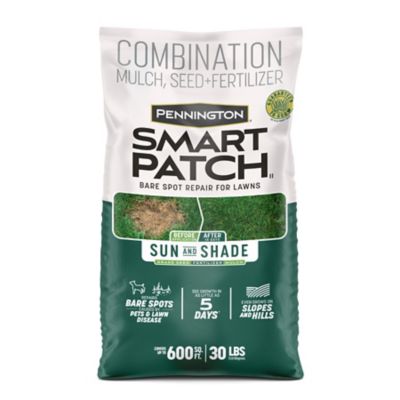
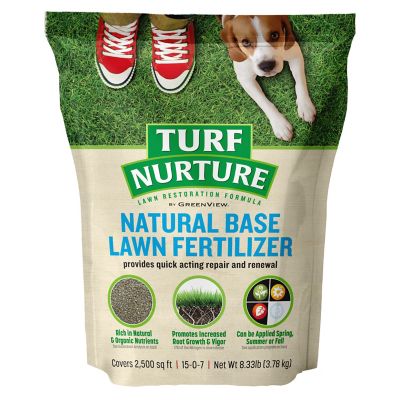
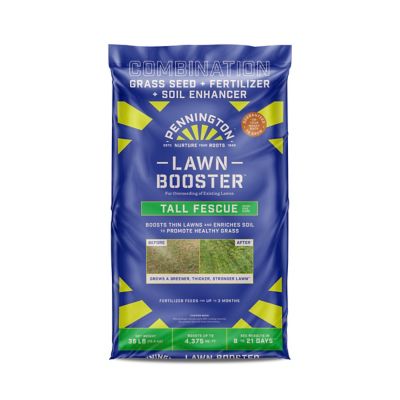
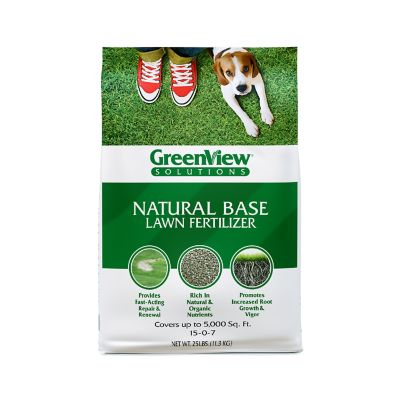
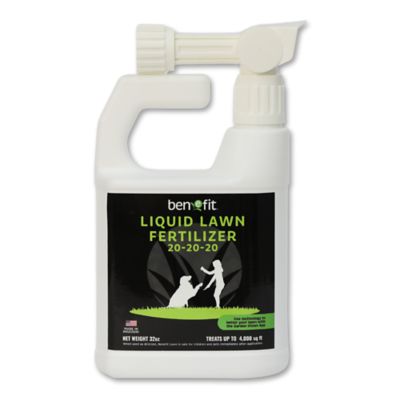
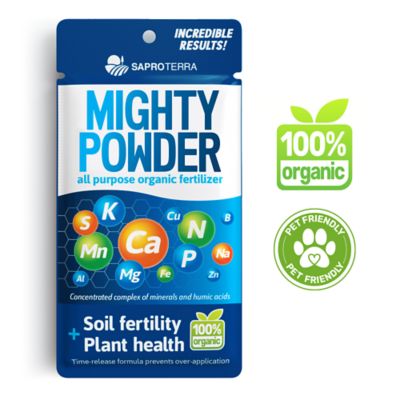
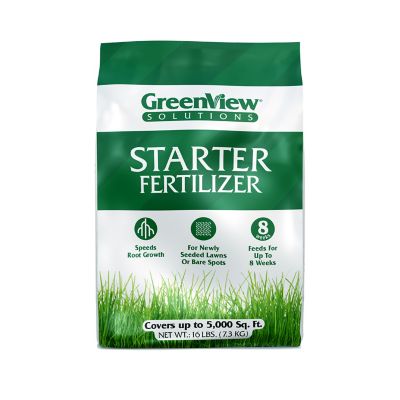
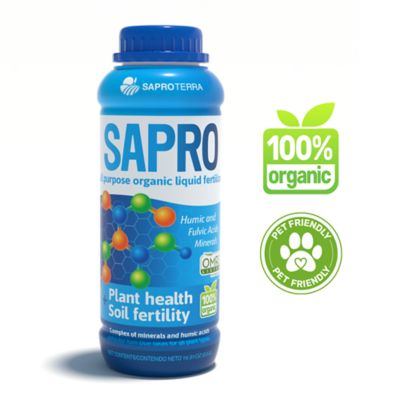
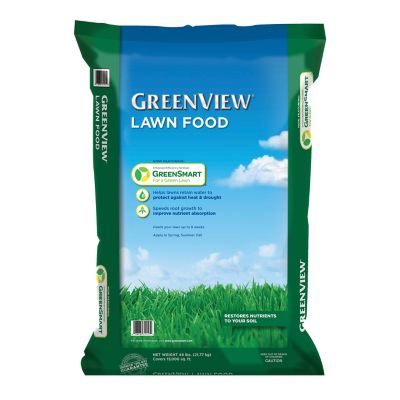
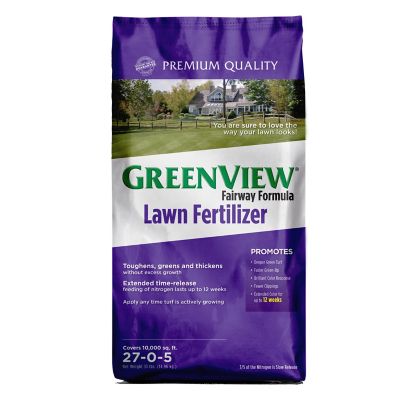
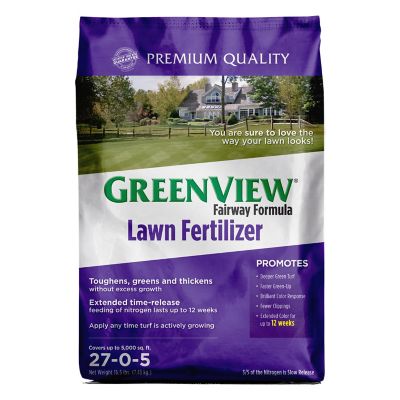
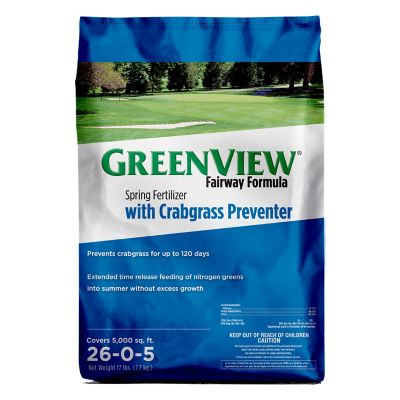
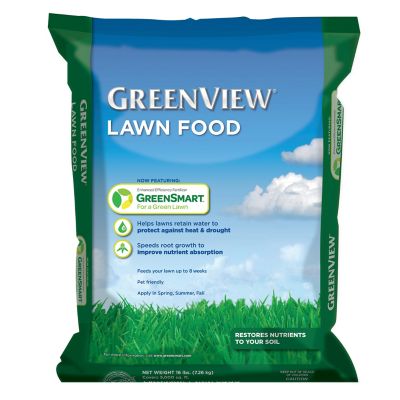
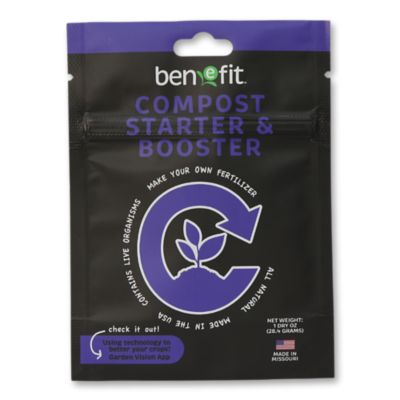
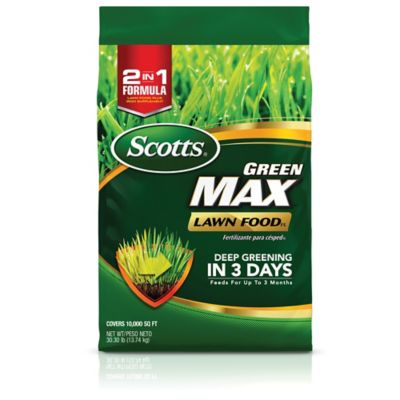
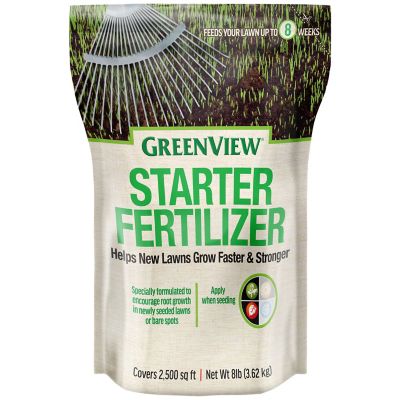
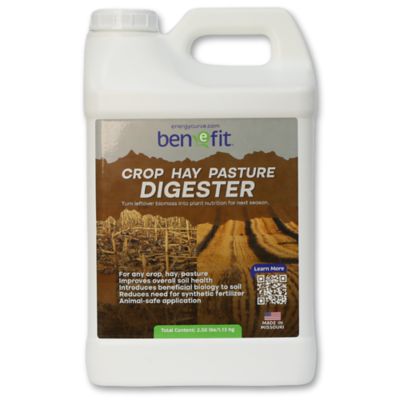
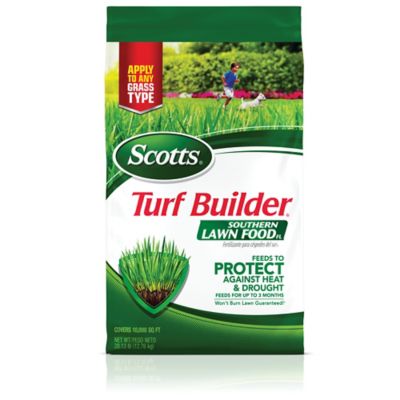
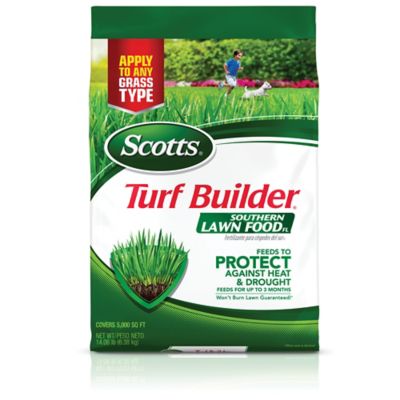
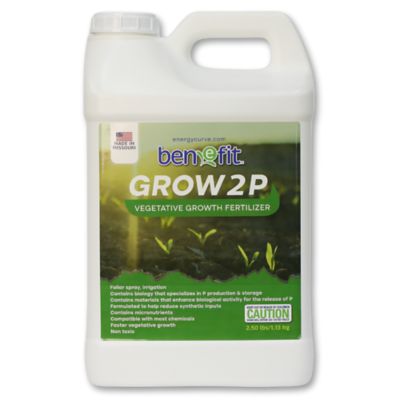
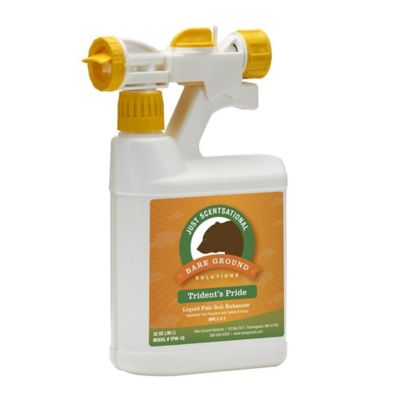
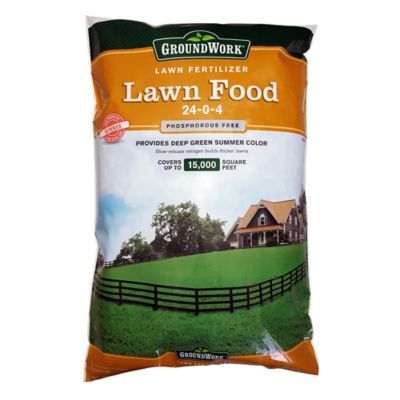
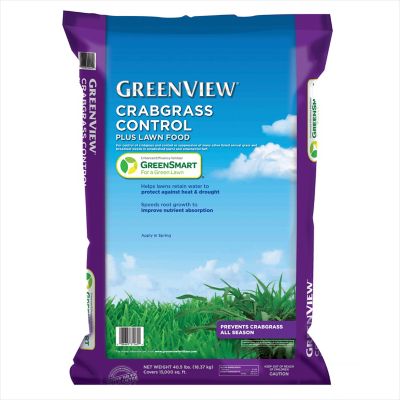
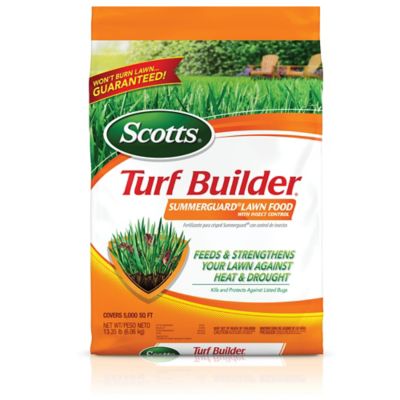
Pet safe lawn fertilizer helps homeowners care for a green, healthy yard without overlooking the dogs and cats that spend time rolling in the grass, nosing through clippings, or tracking lawn particles back inside. These fertilizers are made with ingredients and directions intended to reduce pet exposure when used properly, but “pet safe” does not mean pets should be beside you during application or allowed onto a treated lawn before the label says it is ready. Keep pets indoors or in another part of the property while spreading or spraying fertilizer, and store unopened and partly used containers where animals cannot reach them. Granular fertilizer should generally be watered thoroughly into the soil, and pets should stay off the lawn until the product has been watered in and the grass is dry, unless the label gives different instructions. Liquid formulas may dry on the blades and soil at a different rate, so follow the re-entry guidance on the package rather than relying on appearance alone. A lawn can look dry on top while product remains active below the surface. During the cooler months, grass may grow more slowly and moisture may linger longer after an application, making label directions, local weather, and good timing especially important. For more background on selecting lawn nutrients, visit
Fertilizer for Healthy Lawn Growth.
When comparing pet safe lawn fertilizer, start with the kind of grass, the condition of the soil, and the job you want the fertilizer to do. Cool-season grasses often benefit from feeding as temperatures ease and the lawn is still actively growing, while warm-season grasses may need a different schedule and nutrient balance as growth slows. A soil test can reveal whether the yard needs more nitrogen, phosphorus, potassium, or organic matter, helping prevent guesswork and unnecessary applications. Granular fertilizer is a familiar choice for covering larger areas and can be measured for even distribution with a broadcast or drop spreader. Many granular products need careful watering so the nutrients move down to the root zone instead of remaining as loose particles on the surface. Dispersible granules are designed to break down into smaller particles when watered, which can help carry nutrients into the soil, but the product label remains the final word on watering and pet re-entry. Liquid fertilizer, including hose-end formulas, can be handy for spot treatment, smaller yards, or quick coverage around areas that have thinned out. Some liquid lawn products use ingredients such as humic acid, iron, seaweed extracts, or other soil-supporting materials, while others are formulated to deliver primary nutrients. Read the analysis on the package and choose a product that matches your lawn rather than assuming a stronger number will produce a better result. More fertilizer is not always better; overapplication can stress grass, contribute to runoff, and leave extra material where pets may walk or lick their paws. If brown circles appear where a dog regularly urinates, fertilizer may help the surrounding grass grow back, but it will not replace good watering habits, reseeding, or adjusting the affected area. Watering those spots deeply can help dilute salts, and a soil-friendly lawn care routine can support recovery over time.
Ingredient details deserve a close look in any home with curious pets. Organic-based and natural fertilizers can be useful options, but natural does not automatically mean harmless to eat. Some formulas contain bone meal, blood meal, fish meal, or other animal-based ingredients with strong odors that may attract dogs. A pet that tears open a bag or consumes a large amount can develop stomach upset, even when the product is intended for lawn use. Keep bags and bottles secured, sweep up spills, and avoid leaving spreader equipment where a dog can lick or chew it. Also check whether a fertilizer contains added weed killers, insecticides, or other lawn-care chemicals. “Weed and feed” products are not the same as a straightforward lawn fertilizer, and they may carry different handling and re-entry requirements. Families with puppies, senior dogs, cats that roam through flower beds, or pets with a habit of grazing may prefer a simple nutrient product and a clearly marked application area. A pet safe lawn fertilizer can also be a thoughtful practical gift for someone moving into a home with a yard, welcoming a new dog, or trying to bring worn grass back after a busy outdoor season, though a gift recipient should still match the formula to local grass and soil conditions. Apply only as directed, avoid windy or rainy conditions that can move product beyond the intended area, and give treated ground enough time to settle before play resumes. With measured applications, proper watering, and a little patience as the weather shifts, pet households can maintain a stronger lawn while making safety part of the routine.