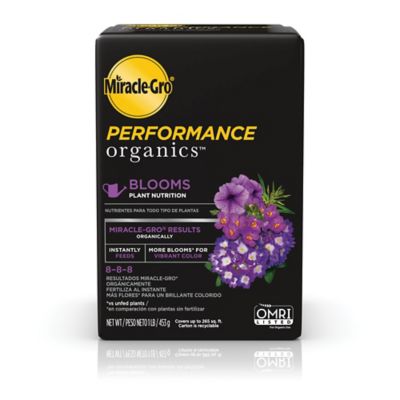
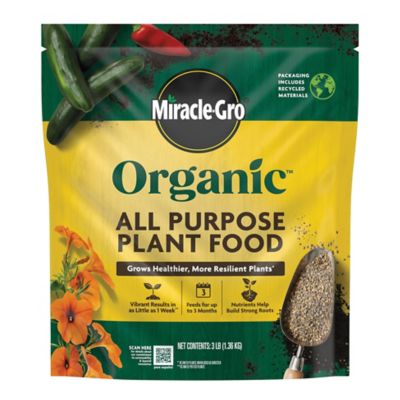
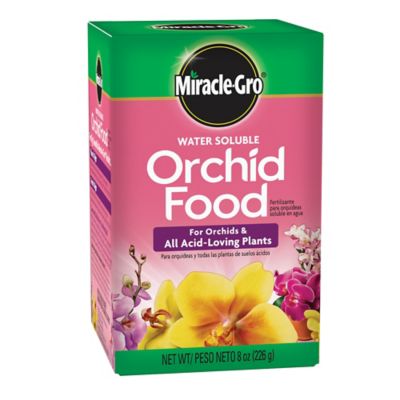
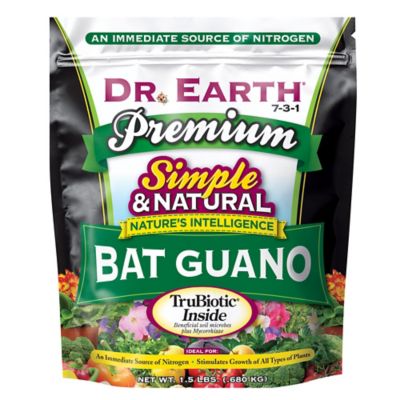
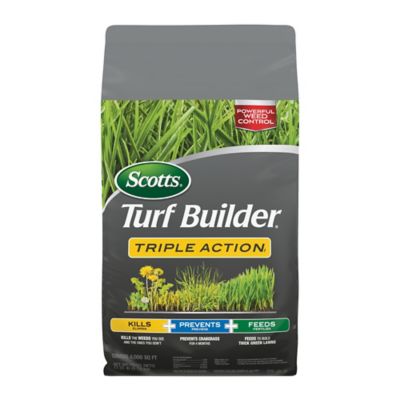
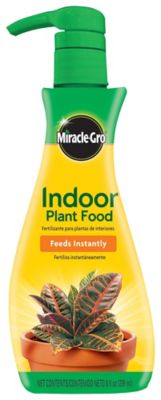
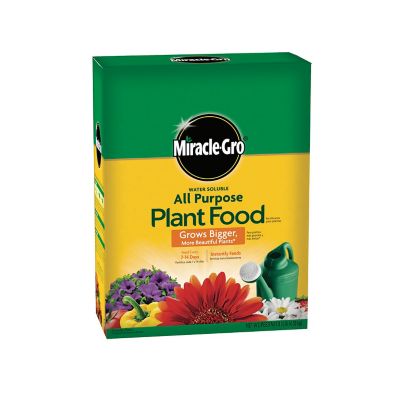
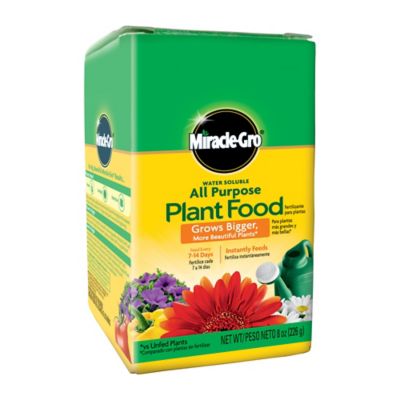
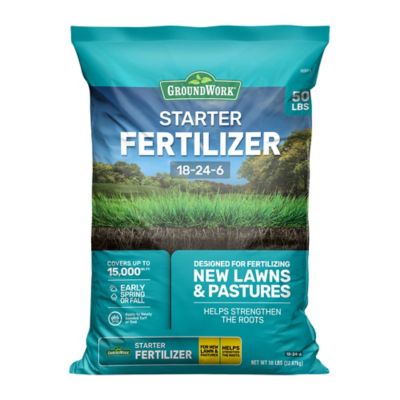
Flower garden fertilizers help supply nutrients for the plants that bring color to a fence line, fill a bed beside the porch, or furnish stems for a kitchen-table bouquet. The right fit depends on what’s growing, where it’s planted, and what the soil already provides. A bed of established perennials can have different feeding needs from a row of cut flowers or a cluster of flowering containers. Nitrogen supports leafy growth, phosphorus plays a role in root development and energy transfer, and potassium supports normal plant functions, including water regulation. The three numbers on a fertilizer label show the percentages of nitrogen, available phosphate, and soluble potash, in that order. A higher middle number doesn’t automatically make a formula the best choice for every flower garden. Where soil already contains enough phosphorus, adding more may offer little benefit and can contribute to nutrient runoff. A soil test gives gardeners a clearer picture of nutrient levels and soil pH, making it easier to choose a formula that fills an actual need. That matters whether the planting is a small patch around the mailbox or a broad border along the driveway. Soil pH also affects how readily roots can take up certain nutrients, so feeding alone may not address pale leaves or disappointing growth. Fertilizers belong alongside suitable light, sound watering habits, and soil that drains appropriately for the plants. Too much nitrogen can encourage plenty of foliage without the flower display a gardener expects, while more fertilizer than the label calls for can damage roots. Formulas labeled for the flowers and growing conditions at hand offer a more sensible starting point than choosing by the biggest numbers on the bag. For mixed beds with several kinds of flowers, suitability across the planting matters, especially when neighboring plants have different nutrient needs. A little attention to those differences helps keep feeding matched to the garden rather than treating every bloom, bulb, and leafy clump exactly alike.
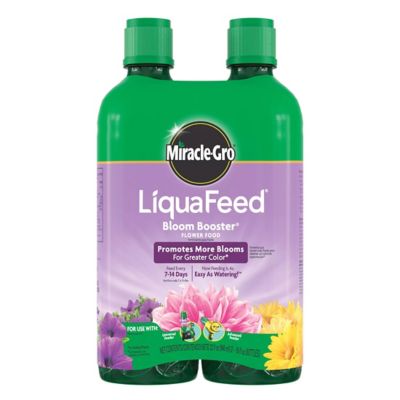
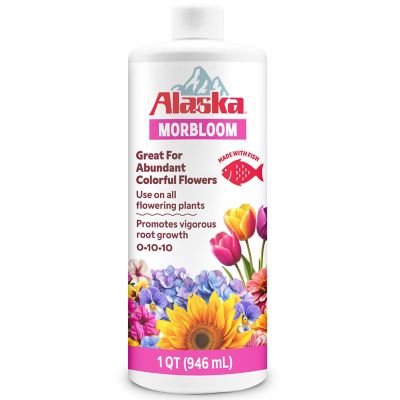
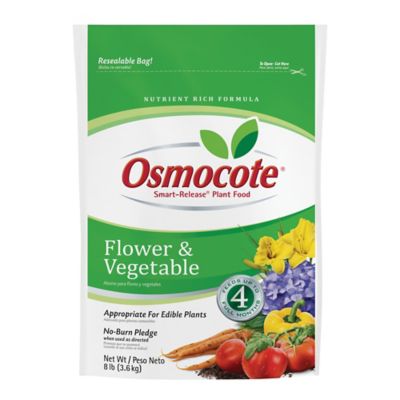
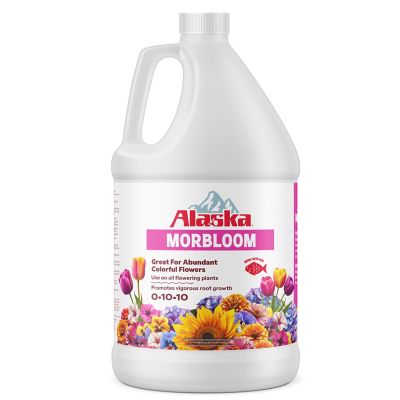
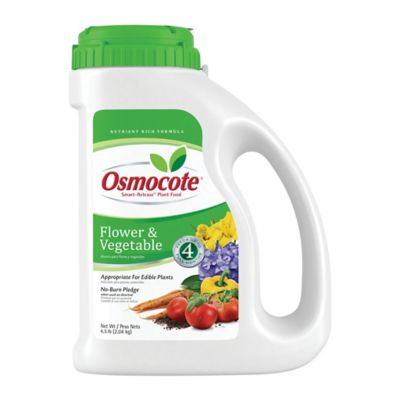
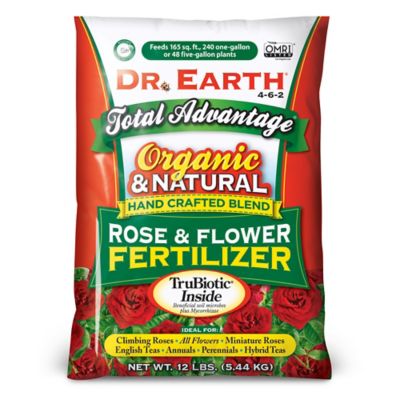
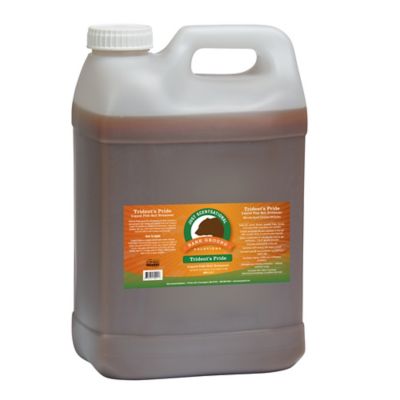
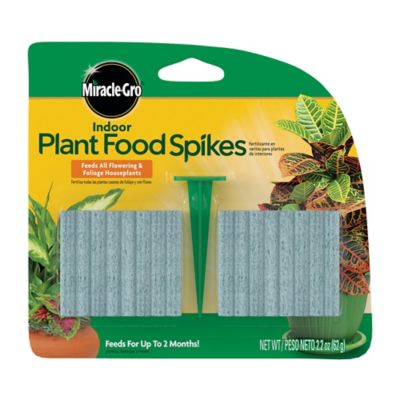
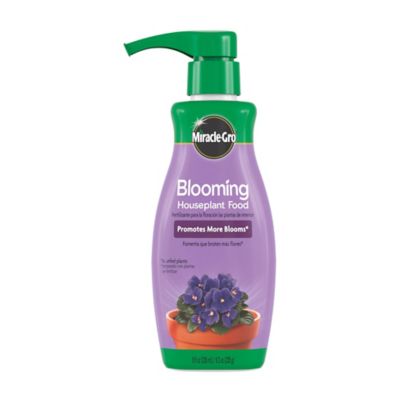
Flower garden fertilizers come in several forms, with differences that matter when carrying supplies out to the beds or tending pots along the steps. Dry granules can suit gardeners who prefer measuring out a portion and distributing it across a planting area according to label directions. Even distribution matters because piles or concentrated pockets can expose roots to more fertilizer than intended. Some granular formulas release nutrients gradually, while others make nutrients available more readily after application and watering. Slow-release and controlled-release descriptions aren’t a reason to guess at feeding intervals; the label explains how a particular formulation is meant to perform. Water-soluble powders and liquid concentrates offer another approach, allowing nutrients to be delivered with water at a stated dilution. They can fit container routines well, though measuring carefully is still important, particularly when only a small watering can is needed. Ready-to-apply liquids remove the mixing step, while concentrates require suitable measuring tools and attention to the amount of water specified. Fertilizer spikes provide a different application format, with placement and spacing that need to suit the root zone and container or bed size. Ingredient sources vary, too. Plant meals, processed animal materials, and mined or manufactured mineral nutrients can appear in flower-feeding formulas, and each blend has its own nutrient analysis. Many organic nutrient sources depend on soil organisms to break materials down before plants can take them up. Mineral-based nutrients may be available to roots more directly, depending on the formulation. Neither an ingredient’s origin nor a product’s form makes it suitable for every planting. Odor, dust, measuring requirements, and application equipment are practical considerations for a gardener working close to a porch, filling several hanging baskets, or maintaining a larger flower patch. Clearly stated directions, readable nutrient information, and packaging that can be closed securely all make routine handling more straightforward. The most useful format is one that fits both the plants’ needs and the way the garden gets tended, without encouraging extra applications just because feeding is convenient.
Containers bring their own considerations to flower feeding because roots have a limited volume of growing mix to draw from. Some potting mixes already contain fertilizer, and that initial nutrient supply belongs in the feeding plan rather than getting overlooked. Repeated watering can carry nutrients out through drainage holes, while excessive applications can leave salts behind in the root zone. A formula labeled for containers, paired with the proper dilution or measured amount, helps address those conditions without treating a porch pot like an open garden bed. In-ground plantings have a different setting: soil texture, organic matter, existing fertility, and the reach of established roots all influence nutrient access. Compost can contribute organic matter and some nutrients, but its presence doesn’t establish whether a bed needs a particular fertilizer. Gardeners tending indoor plants alongside their outdoor flowers can also explore
Houseplant Fertilizers, keeping each plant’s growing medium and label directions in mind. Across these settings, fertilizer is support for growth, not a fix for every struggling plant. Chewed leaves, crowded roots, poor drainage, or too little light call for attention to the underlying problem rather than an extra scoop. For beds visited by bees and butterflies, thoughtful nutrient management also means keeping fertilizer where it belongs: in the intended planting area, not scattered across paths or washed toward a ditch or pond. Some ingredients can attract pets, so storage and access deserve care even when a formula is described as organic. Original packaging preserves the directions and safety information, and a tightly closed container kept dry helps prevent spills and clumping. Gloves, dedicated measuring tools, and any additional protection called for on the label make handling more manageable. With a fertilizer matched to the planting and applied as directed, gardeners can support the roots, foliage, and flowers that make a well-tended patch worth stopping to admire.